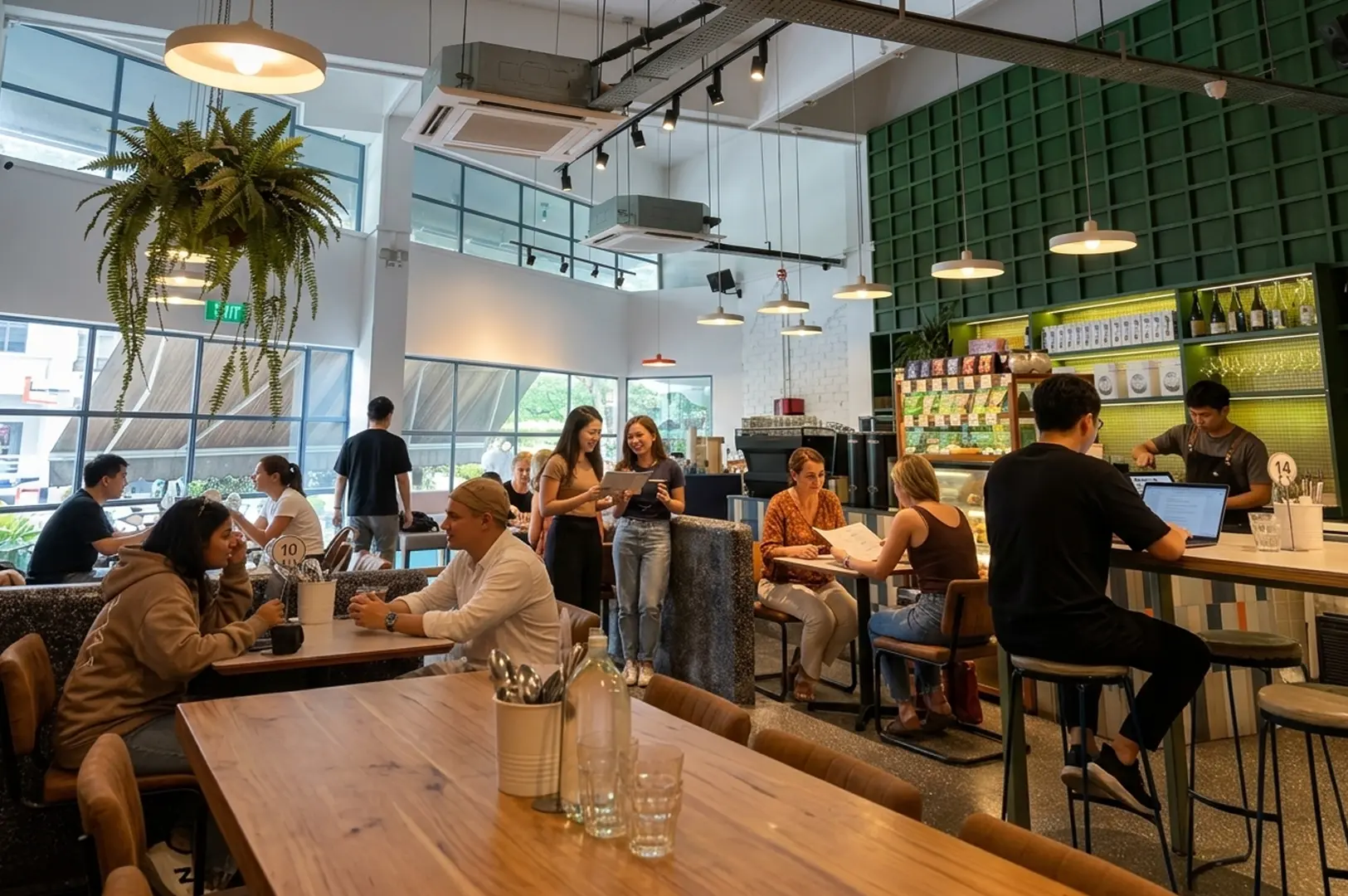
Coffee shops today are more than just places to grab a drink, they serve as dynamic cultural hubs where people connect, work, and explore diverse flavors. In a vibrant food destination like Singapore, café culture has evolved into a refined experience centered on specialty coffee, quality beans, and skilled brewing techniques that reflect the global coffee industry’s complexity and passion.
This article provides an educational overview of three notable specialty coffee establishments in Singapore: Nylon Coffee Roasters, Atlas Coffeehouse, and Tiong Bahru Bakery. Each café exemplifies different facets of the coffee industry, from coffee bean sourcing and production to roasting methods and the overall café experience, helping coffee lovers deepen their appreciation for this beloved beverage.
Looking for the perfect brunch pairing? Don’t miss our curated guide to Singapore’s top brunch spots.
What is Specialty Coffee?
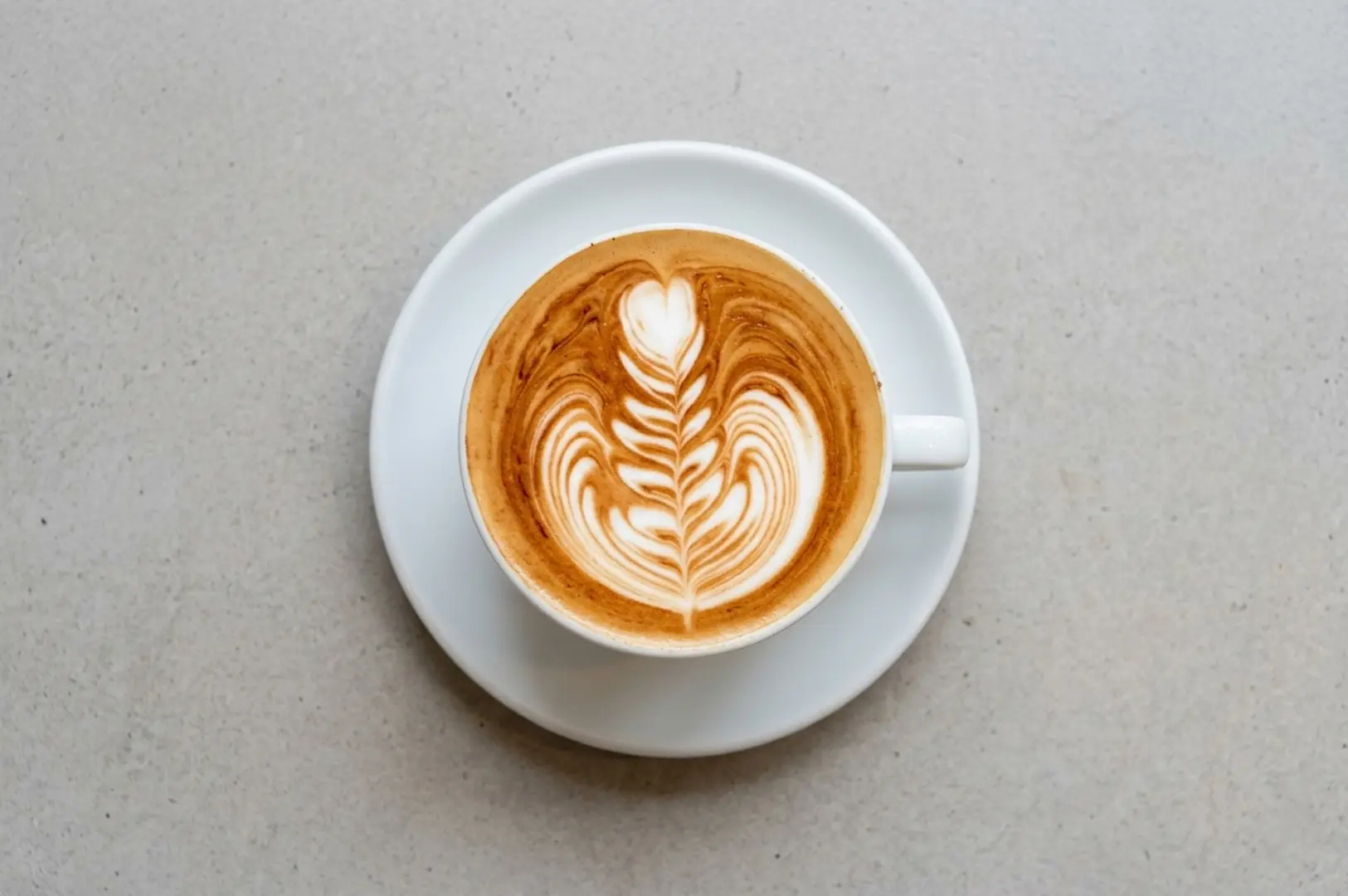
Specialty coffee refers to high-quality coffee that is carefully sourced, cultivated, roasted and brewed to highlight its best flavors and characteristics.
Key Characteristics:
Made primarily from premium arabica beans, which are widely regarded for their superior flavor compared to robusta beans
Sourced from specific coffee farms and regions (single-origin) to ensure traceability and quality
Evaluated by experts for flavor, aroma, acidity, and overall quality according to Specialty Coffee Association standards
Brewed using precise techniques such as espresso, pour-over, and filter methods, often involving exact water temperature and grind size, with hot water playing a crucial role in optimal extraction
Why Specialty Coffee Matters:
Enhances flavor complexity, revealing fruity, nutty, floral, or chocolatey notes unique to the coffee’s origin and roast
Supports sustainable and ethical sourcing practices, including fair trade agreements that benefit coffee farmers and communities, especially in developing regions like the Middle East and parts of Europe
Promotes craftsmanship and passion in every stage of coffee production, from cultivation to the cup, ensuring each person who enjoys the coffee experiences its full potential
Coffee Bean Sourcing and Quality
Understanding the origins and cultivation of coffee beans is essential to appreciating their taste and value.
Common Sourcing Regions and Flavor Profiles:
Brazil → chocolatey and nutty flavors, largest global producer with 31% of world coffee production
Colombia → balanced taste with mild acidity, known for consistent quality
Ethiopia → fruity and floral notes, birthplace of arabica coffee
India → spicy and earthy tones, cultivated in unique microclimates
Important Concepts:
Traceability – knowing the exact coffee farm and production methods to ensure quality and ethical sourcing
Fair trade – guaranteeing coffee farmers receive a negotiated regular price that supports their livelihoods, helping families and communities in coffee-growing regions thrive
Roast profile – the degree of roasting (light, medium, dark) affects coffee’s flavor, aroma, and caffeine content, with a bit of variation depending on the bean and roast
Case Studies: Three Notable Coffee Shops in Singapore
1. Nylon Coffee Roasters
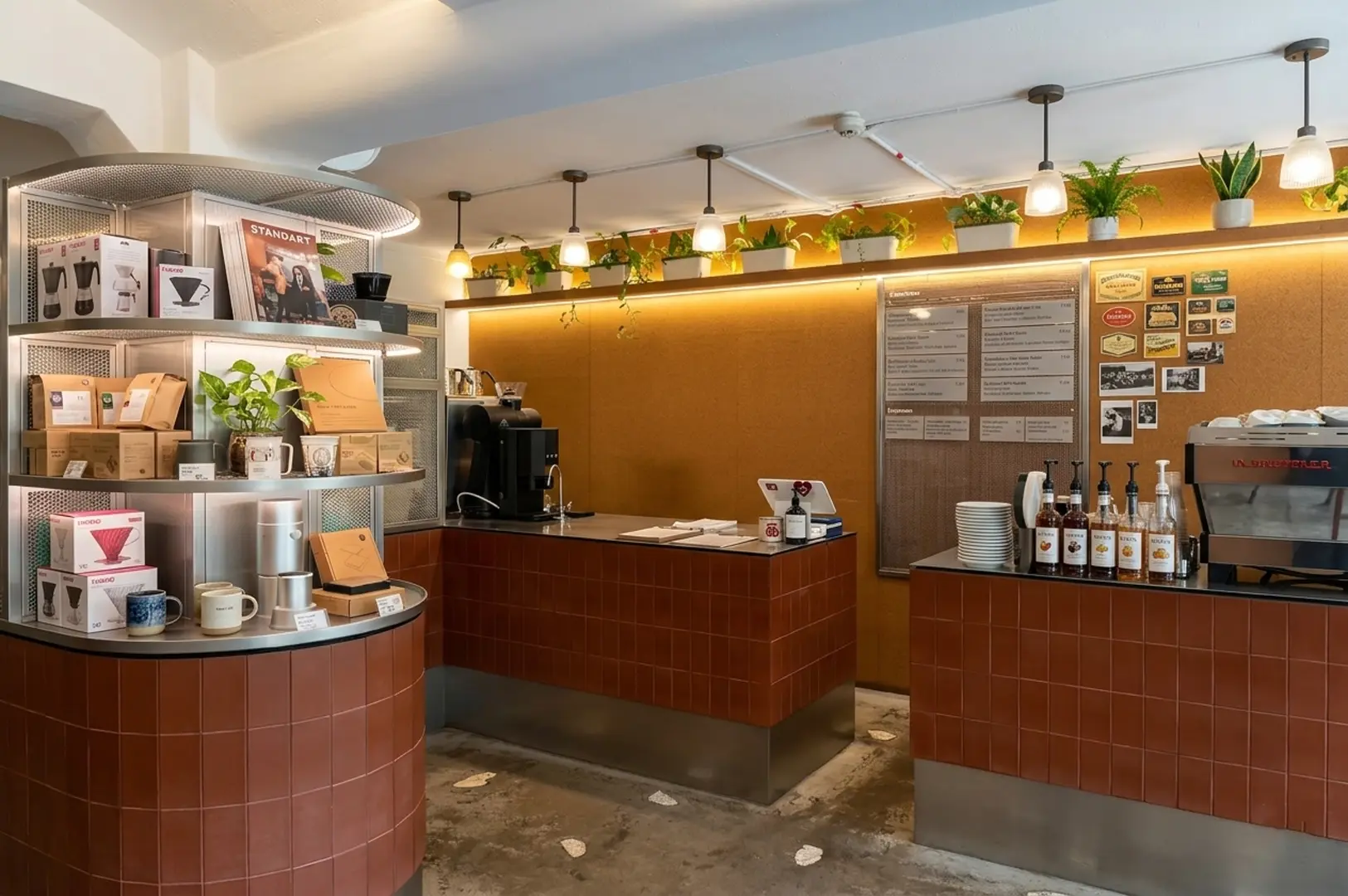
Focus: Coffee Craft and Bean Expertise
Nylon Coffee Roasters is a minimalist café emphasizing quality beans and precise brewing over elaborate décor
Known for single-origin coffee with a curated selection of rotating beans sourced directly from coffee farms
Educational Insights:
Baristas serve as educators, sharing detailed information about coffee production and flavor profiles
Medium-light roasts are favored to highlight subtle, complex flavor notes
Brewing precision, including water temperature and technique, significantly impacts flavor extraction and crema formation
2. Atlas Coffeehouse
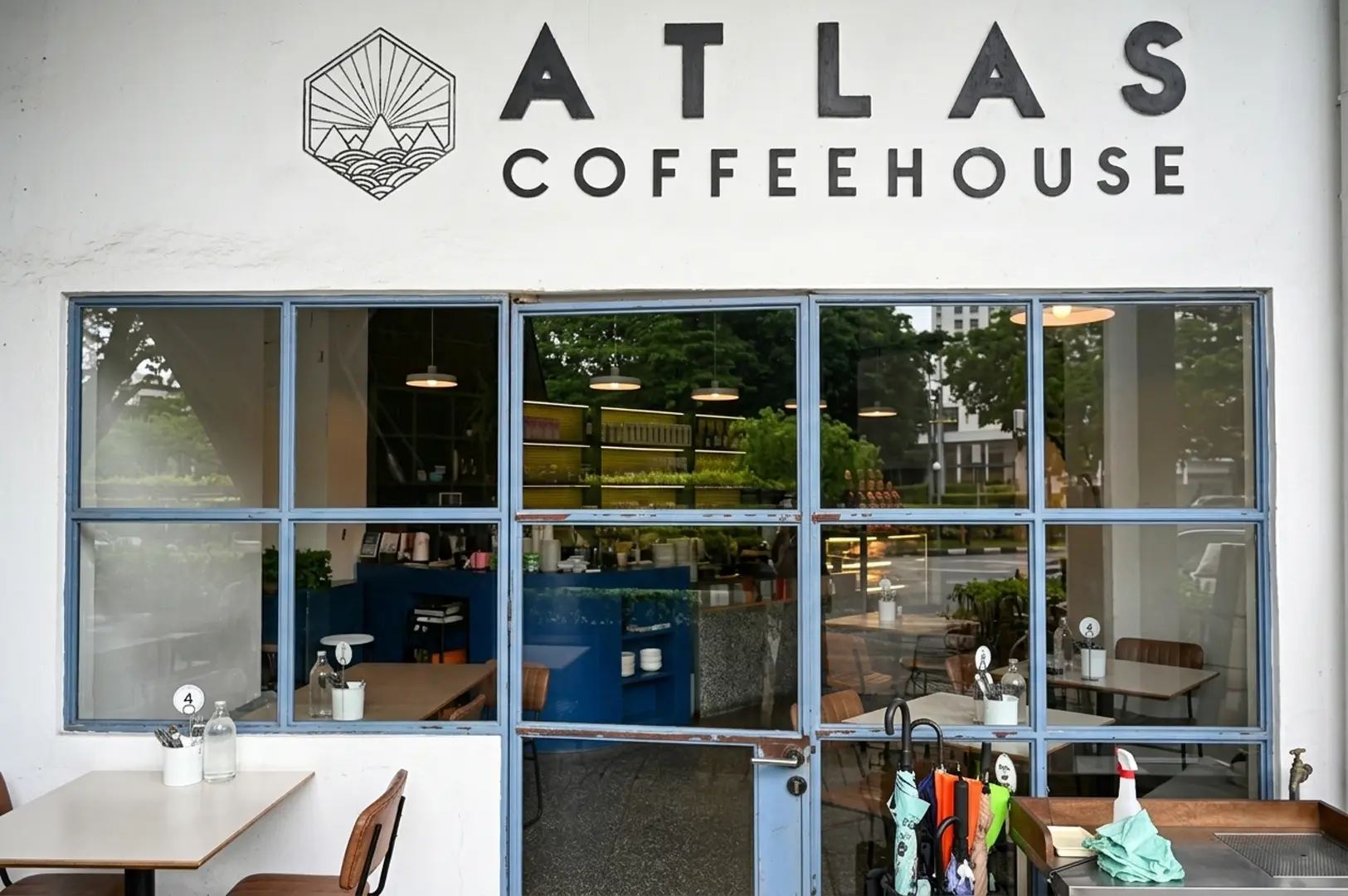
Focus: Coffee and Food Pairing
Atlas Coffeehouse is a Scandinavian-inspired café combining specialty coffee with a curated brunch menu
Emphasizes how coffee’s flavor complements various food textures and tastes
Educational Insights:
Demonstrates the functional difference coffee makes when paired with food, enhancing both beverage and meal enjoyment
Highlights the balance between creamy coffee drinks and sweet or savory dishes
3. Tiong Bahru Bakery
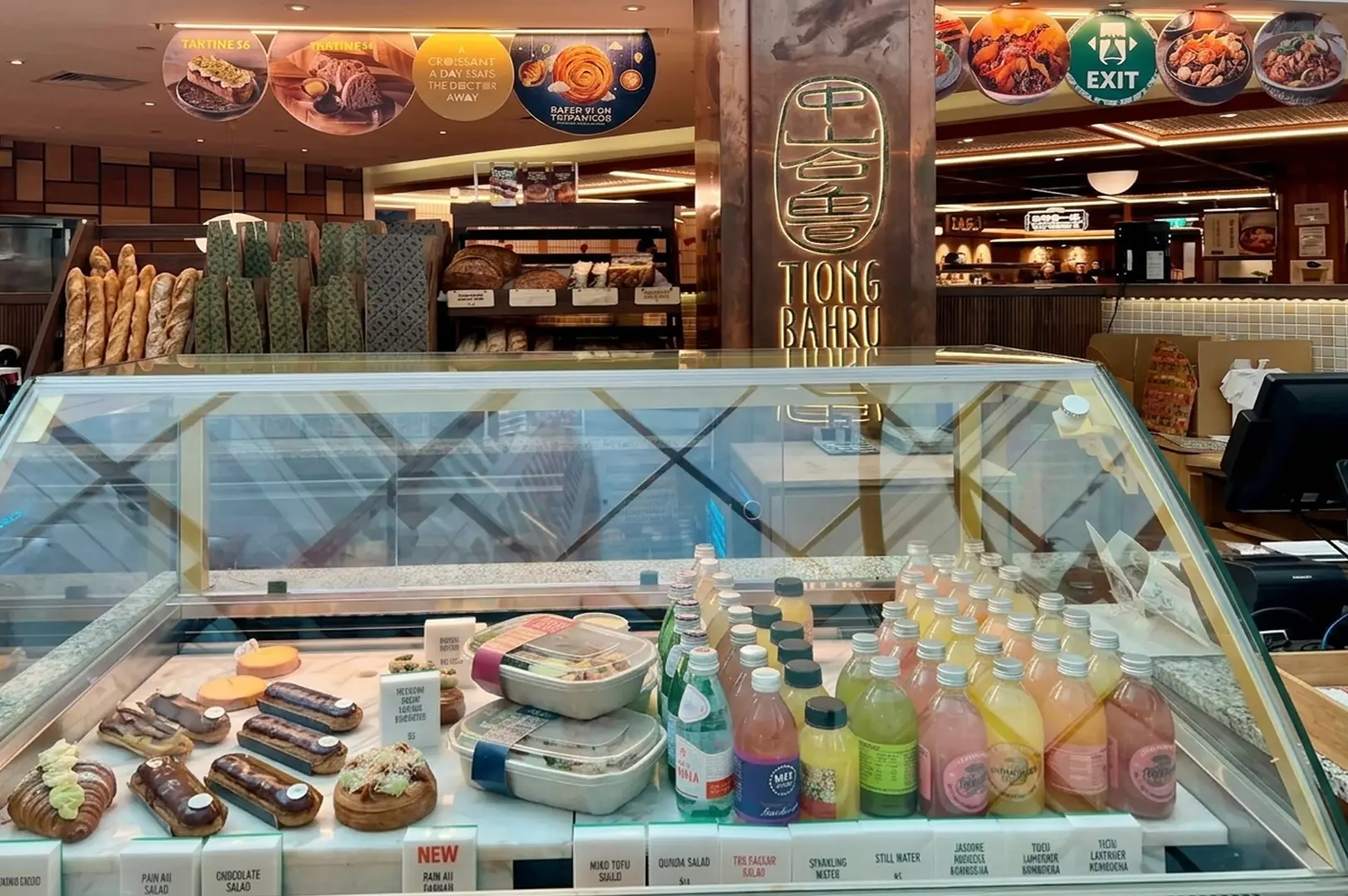
Focus: European Café Influence and Pastry Pairing
Tiong Bahru Bakery is a Parisian-style café blending European baking traditions with specialty coffee culture
Focuses on how roast profiles can balance the sweetness of pastries
Educational Insights:
Shows how coffee enhances dessert experiences through complementary flavors
Explores the importance of roast level in pairing coffee with buttery or caramelized pastries
Key Takeaways About Coffee Culture and Consumption
Coffee quality depends on multiple factors: the beans cultivated on coffee farms, roasting techniques, and brewing precision
Specialty coffee emphasizes flavor complexity, origin traceability, and sustainability, appealing to discerning coffee drinkers worldwide
Different cafés highlight various aspects: technical craft (Nylon), experiential dining (Atlas), and indulgent pairing (Tiong Bahru)
Coffee is both a science. It requires functional knowledge of production, preparation and an art celebrated through flavor pairing and café culture
Conclusion
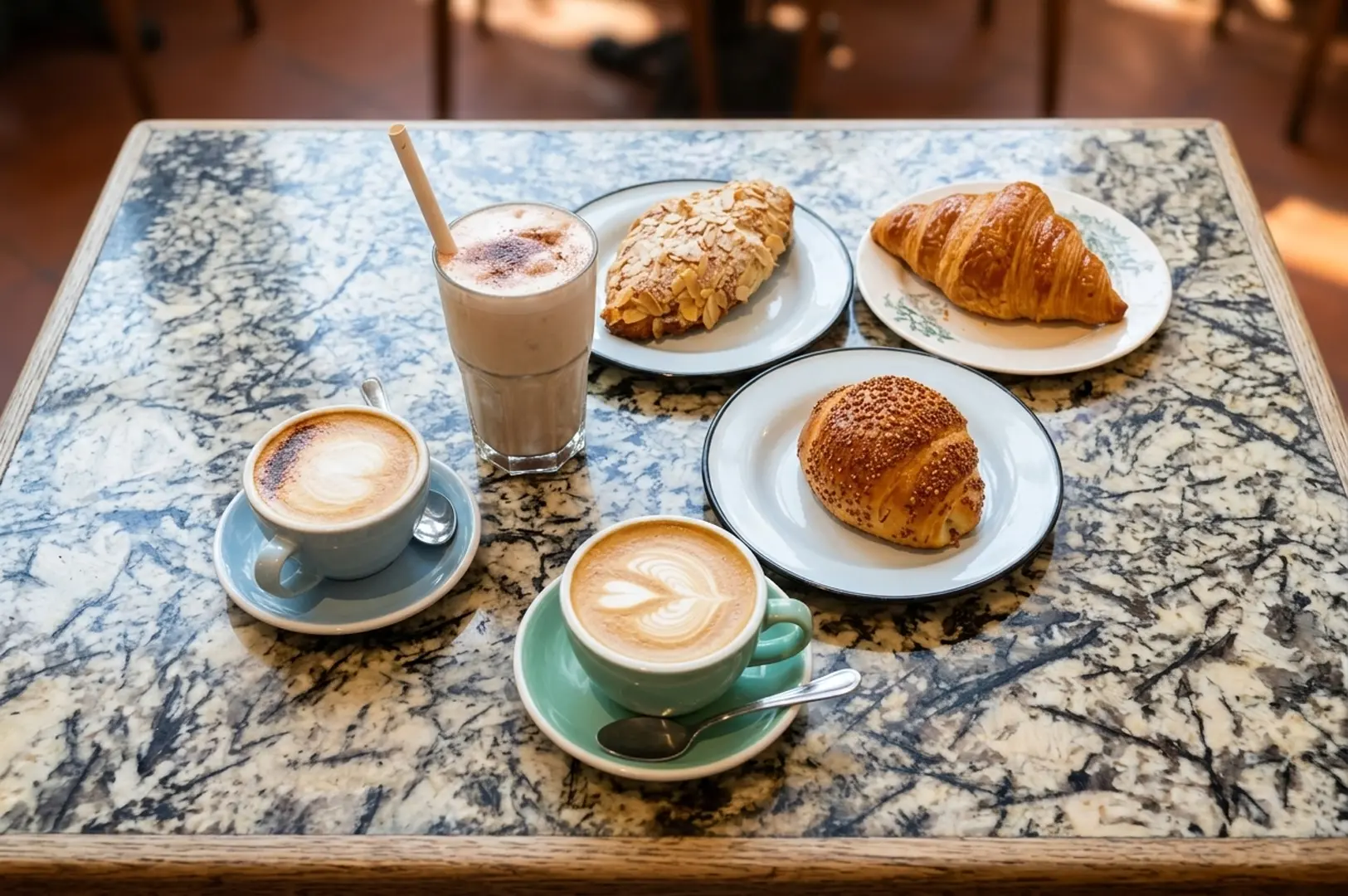
Exploring coffee shops in Singapore offers more than just great drinks. It’s an educational journey into the global coffee production, consumption trends, and cultural significance of this cherished beverage.
Whether you are a coffee lover seeking to deepen your knowledge or a casual consumer curious about the difference a well-sourced bean and expert brewing can make, these cafés provide valuable insights into the life cycle of coffee, from farm to cup, enriching your appreciation for every sip. This journey also invites you to indulge in the rich history and evolving demand for quality coffee that has been produced with care, reflecting both traditional and modern businesses that sell and prepare coffee to meet the expectations of today’s customers. By understanding the health benefits and cultural stories behind coffee consumption, you connect not just with the beverage but with a global community of coffee enthusiasts who use various apps and platforms to share reviews and knowledge, making coffee a truly social and enriching experience.