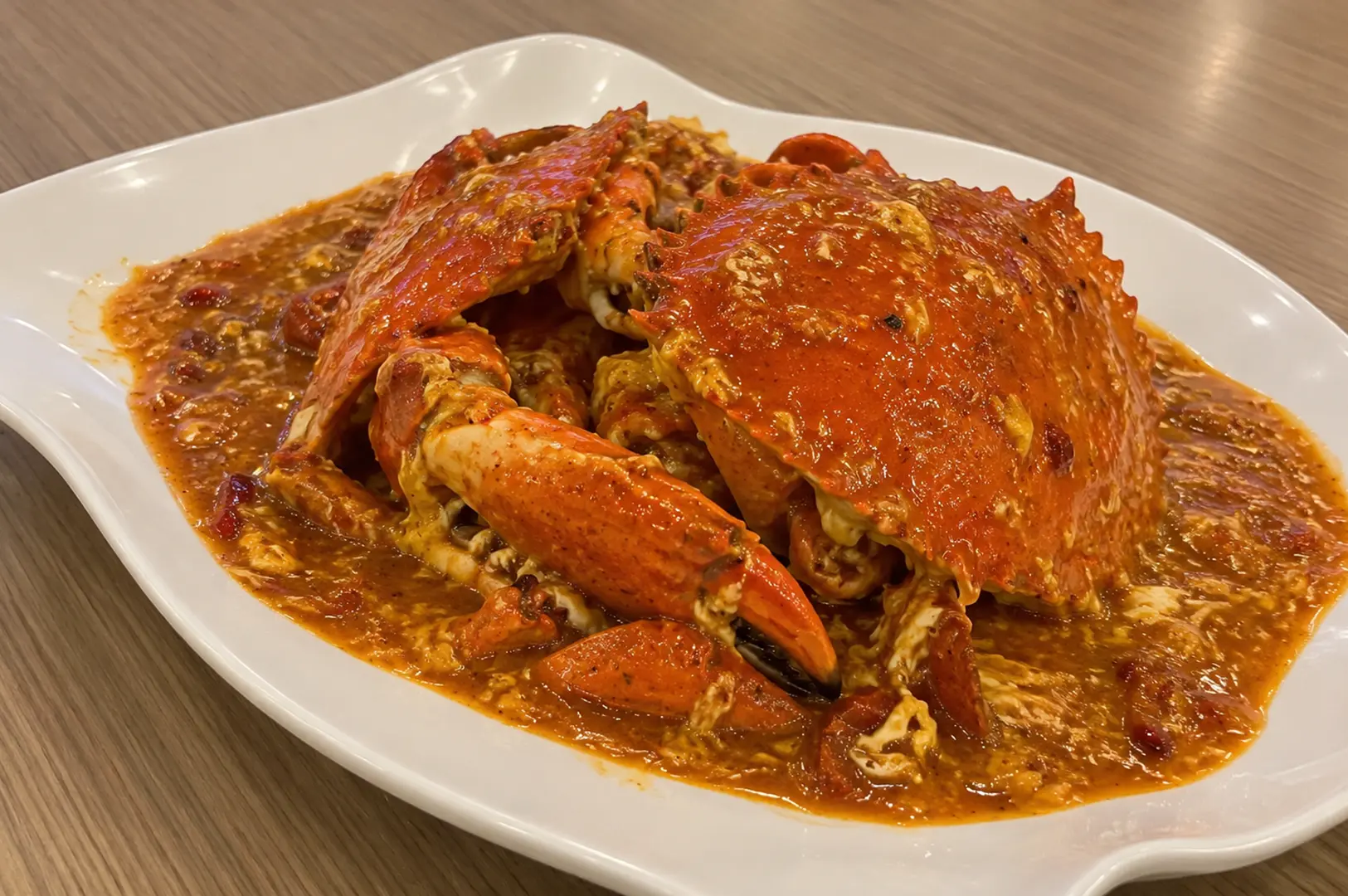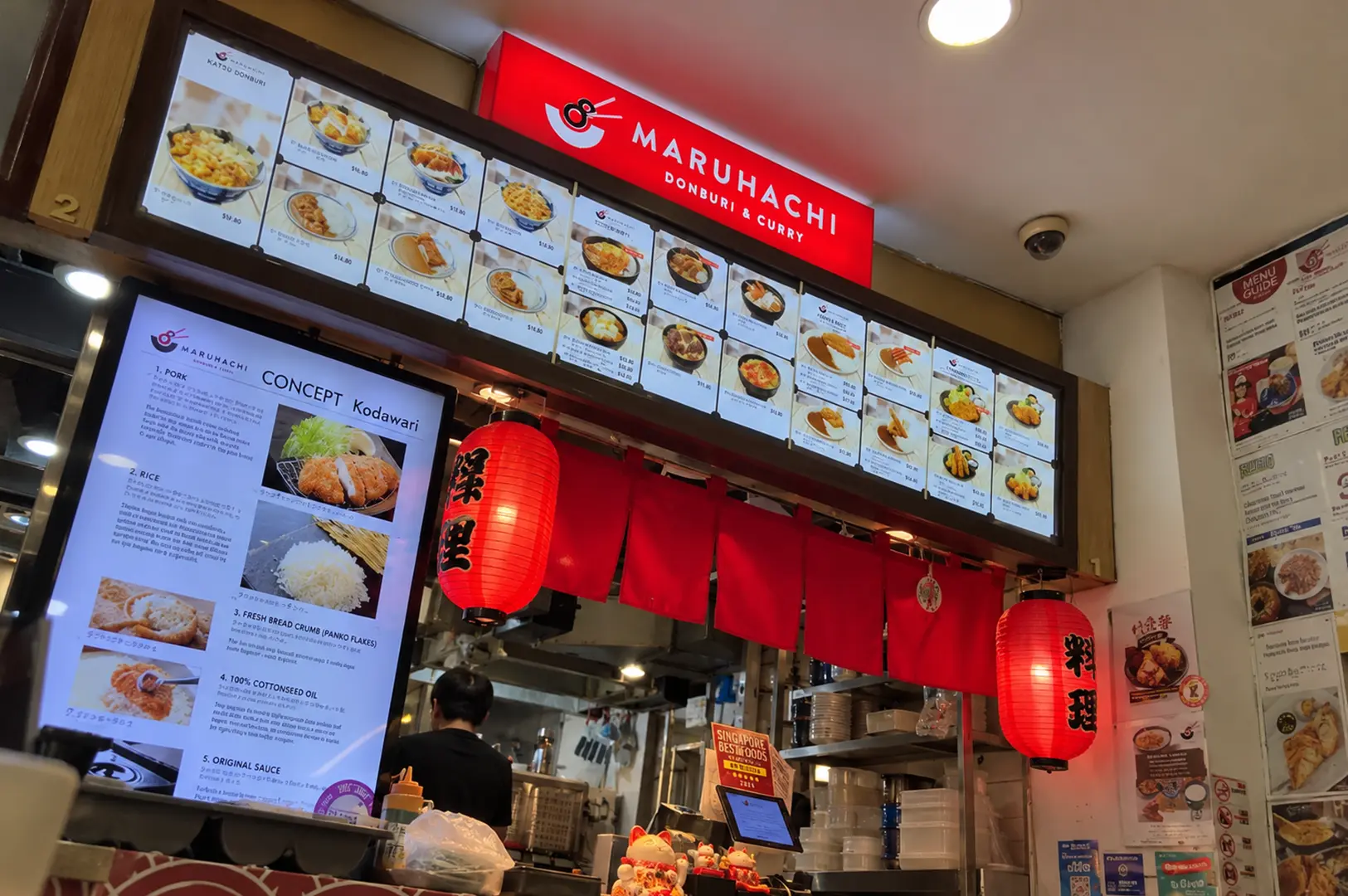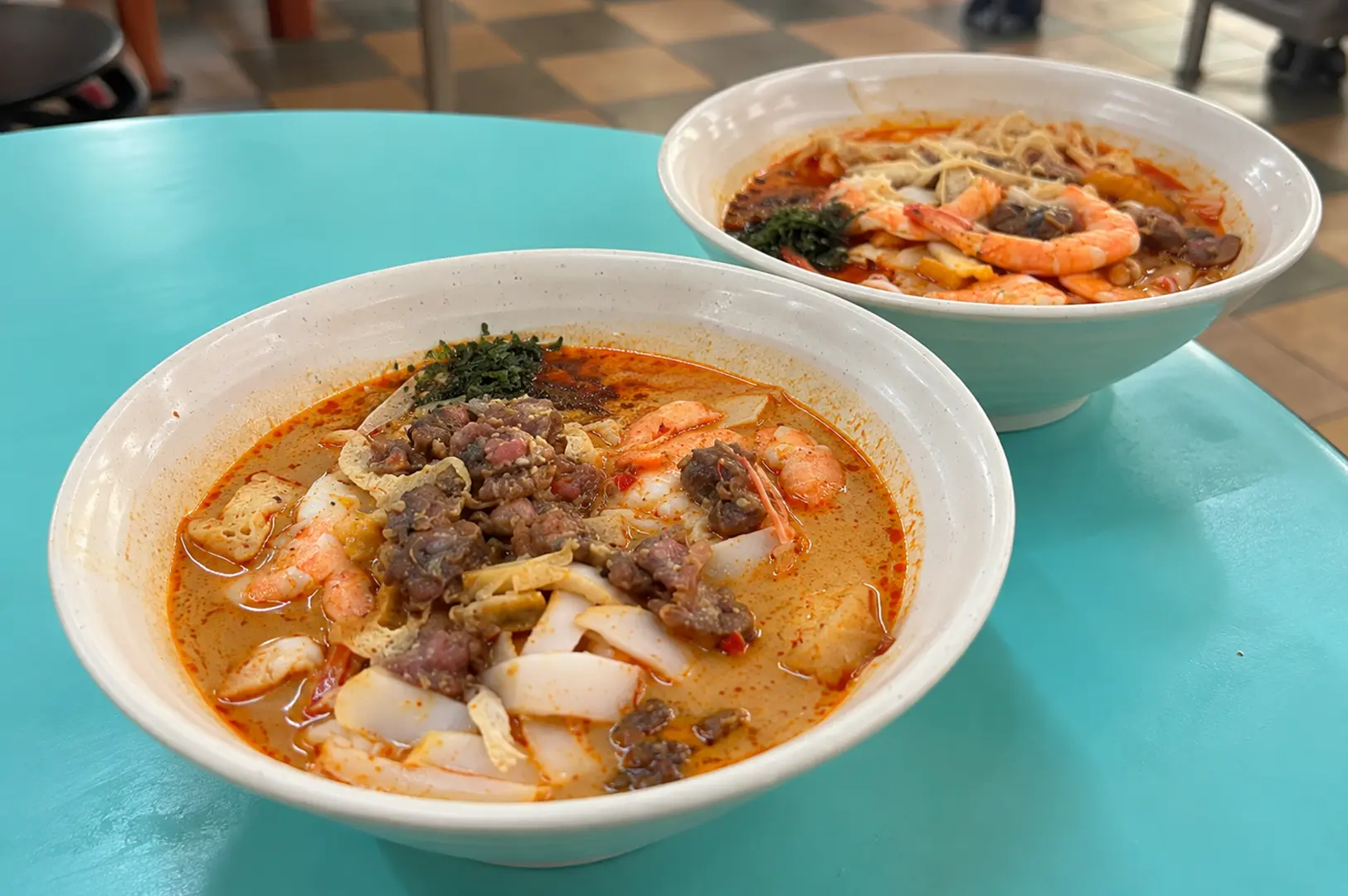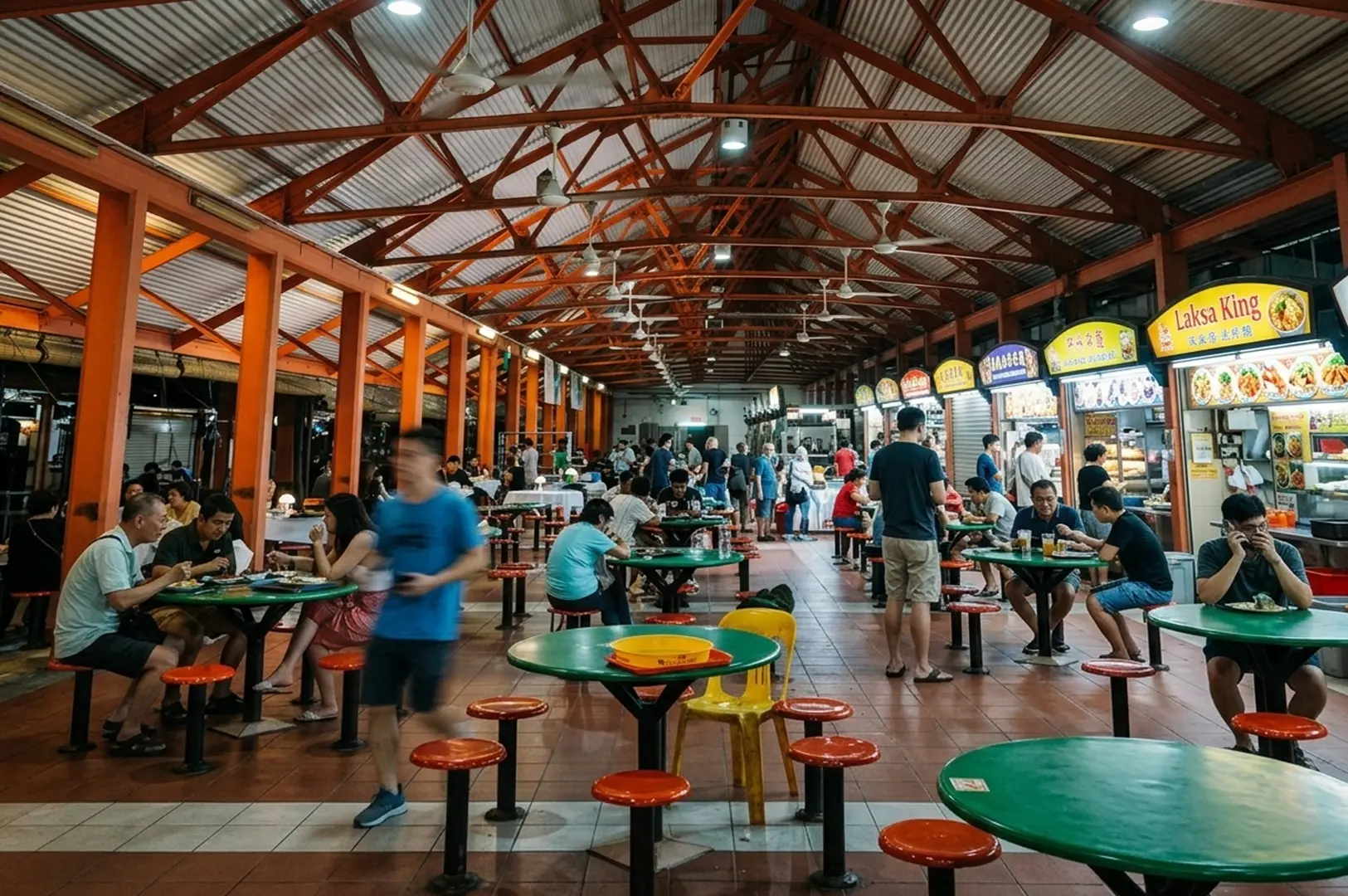
When I first started mapping out places where to eat, I stood outside Maxwell Food Centre holding a $5 plate of Michelin-star recognized chicken rice, looking up at the towering skyscrapers of the city center. It hit me just how dramatic the contrast is here on this island. Singaporeans take food incredibly seriously, it is practically our national identity and a rich part of our life. You can drop hundreds of dollars on an exquisite tasting menu at a fine dining restaurant or spend spare change on a heritage recipe passed down through generations at a hawker stall.
Many visitors and expats ask us if they should blow their budget on luxury meals or stick strictly to hawker centres and street food. I think the answer is not about choosing one over the other, but understanding how to navigate both properly. Here is our honest, step-by-step guide to helping you prioritize your Singapore dining experience, complete with real costs, opening hours, and the challenges I have faced so you do not have to.
Choosing Your Culinary Vibe
Before you book anything, decide what kind of memory you want to create in this diverse culinary journey.
Go fine dining if you want:
A curated, multi-course experience inspired by the culinary arts.
Chef storytelling and artistic presentation that serve each dish like a work of art.
To celebrate special occasions in an intimate restaurant setting with attentive service.
Go hawker if you want:
Authentic local flavours and a buzzing atmosphere in community dining rooms where diverse backgrounds gather.
Unbeatable variety, affordability, and fresh ingredients cooked over charcoal.
Fast, casual dining where you can share multiple dishes and discover flavours from diverse backgrounds.
Navigating the Fine Dining Scene
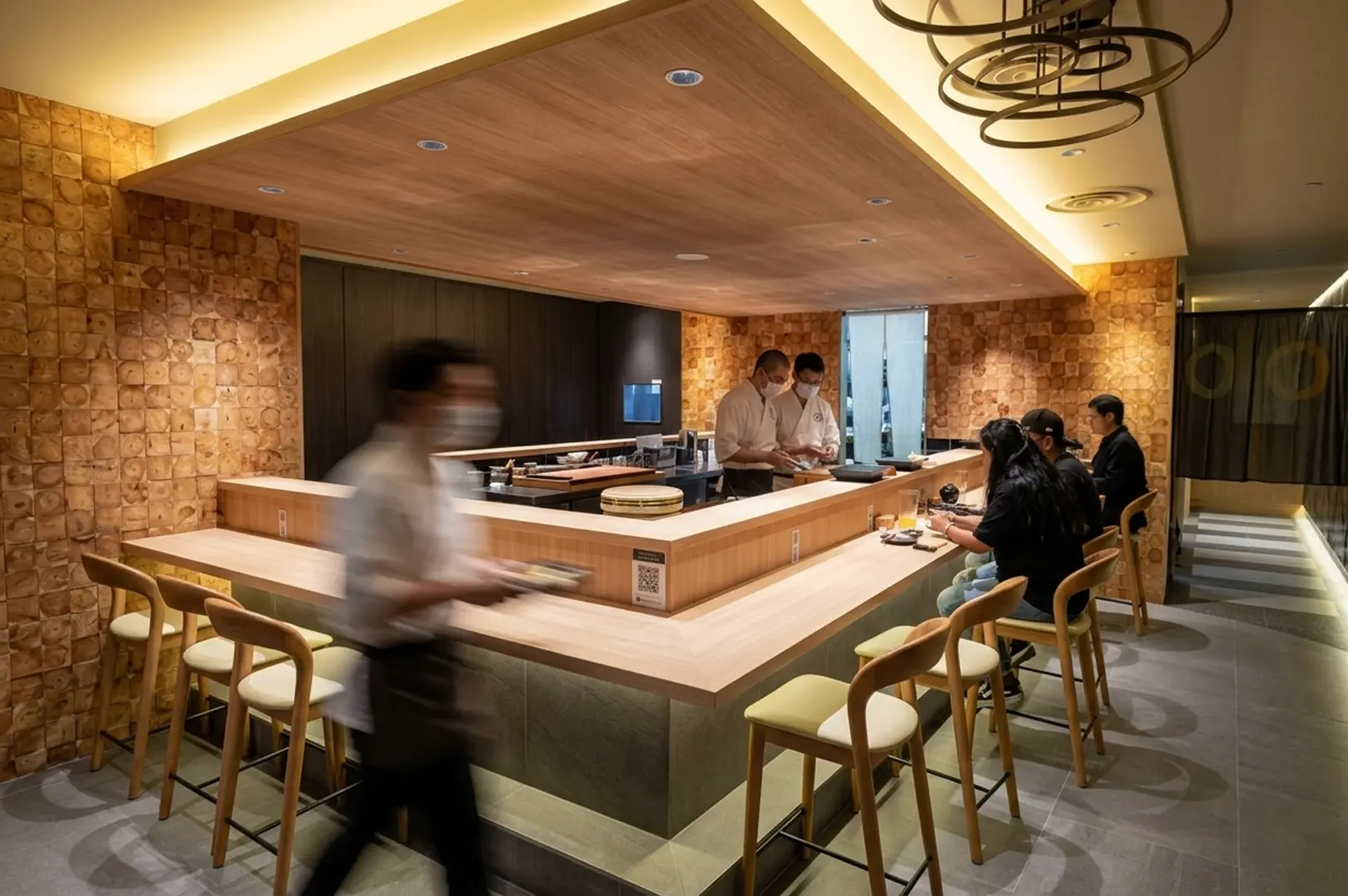
It is a huge misconception that fine dining in Singapore equals Western food only. Our high-end scene includes breathtaking modern Asian, Peranakan, and Japanese omakase experiences. I prefer sitting at the chef’s counter for an omakase because it significantly elevates the entire evening when you can watch the mastery up close and hear the stories behind each dish.
Step-by-Step: How to Do Fine Dining Right
Book early. You cannot walk into top-tier spots like Odette or Les Amis on a whim. I suggest booking 2 to 4 weeks in advance to secure your table and making the most out of your plans for the day.
If you book an omakase, where the chef decides what to serve for you, do not ask for substitutions unless you have a strict allergy.
Arrive on time. Being late to a multi-course tasting often means you forfeit the missed dishes, and let’s be honest, no one wants to miss food.
Dress the part. Smart casual is the absolute minimum. Leave your shorts and flip-flops at home.
Mind your manners. Keep phone use minimal and engage respectfully with the chefs. Also, avoid wearing strong perfumes, as it interferes with the delicate aromas of the food.
Realistic Fine Dining Costs
Lunch tasting: SGD 80–180 (~$60–130 USD)
Dinner tasting: SGD 200–500+ (~$150–370 USD)
Omakase: SGD 150–400+
Hack: Book a lunch menu instead of dinner. You get the exact same culinary concept and seasonal ingredients from the chef, but it will cost you a fraction of the dinner price. Expect to spend $80-150 for an unbelievable afternoon meal.
Mastering the Hawker Culture
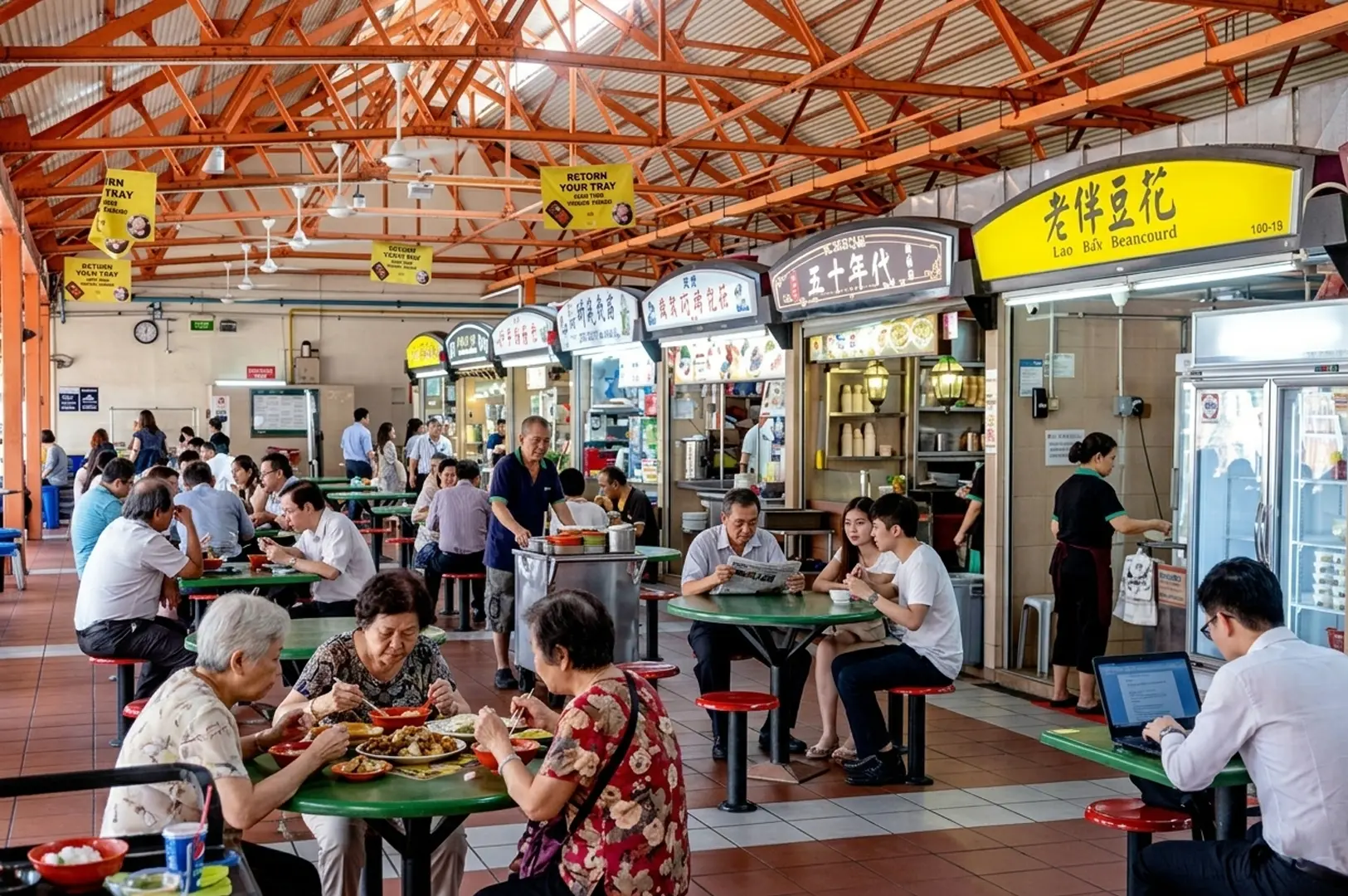
Hawker culture is recognized by UNESCO for many good reasons. It is communal, efficient, and fiercely authentic. These centres, located all over Singapore, serve as community dining rooms where customers from diverse backgrounds gather and share the experience of dining over breakfast, lunch, and dinner. First-timers often worry that hawker food is low quality but this is completely false. Some of the most highly skilled chefs in the country work in these small stalls.
Step-by-Step: Eating Like a Local
Hawker centres might look chaotic, but they operate on a well-established system once you know the rules.
Find a seat first. This is where you encounter “chope” culture. If you see a packet of tissues or an umbrella on a table, that seat is taken. Respect the chope.
Scout the stalls. Do not just buy from the first place you see. Follow the locals. A long queue is the ultimate quality indicator.
Order and pay. Most stalls operate on cash (bring small bills), though QR codes are increasingly popular.
Wait for your food. You will either get a buzzer or a queue number shouted out by the stall owner.
Return your tray. Tray return is mandatory in Singapore. You can incur fines if you ignore this law.
Realistic Hawker Costs
Average Meal: SGD 4–10 (~$3–7 USD)
Drinks (kopi or lime juice): SGD 1–3
Pro tip: Timing is everything. Peak opening hours are 12–2 PM and 6–8 PM. I’d suggest going early for famous stalls, as many sell out of their signature dishes by early afternoon. If you need a late-night fix, Newton Food Centre stays lively well past midnight.
Common Mistakes I’ve Made (And How to Avoid Them)
I have learned the hard way how to navigate these two very different worlds.
I’ve fallen for tourist traps. When I first went to Lau Pa Sat, I ordered satay from the very first stall I saw facing the street. I ended up paying tourist pricing. I’ve found that walking deeper into the centre or visiting less touristy spots yields much better food and fresher ingredients.
In fine dining, I once tried to leave a 20% tip because the service was phenomenal. The waiter politely declined. Singapore has no tipping culture; your bill already includes a 10% service charge and GST.
I once moved a pack of tissues off a table at a crowded food centre, thinking someone left their trash behind. I quickly learned that I had stolen a reserved seat.
Real Scenarios: Building Your Itinerary
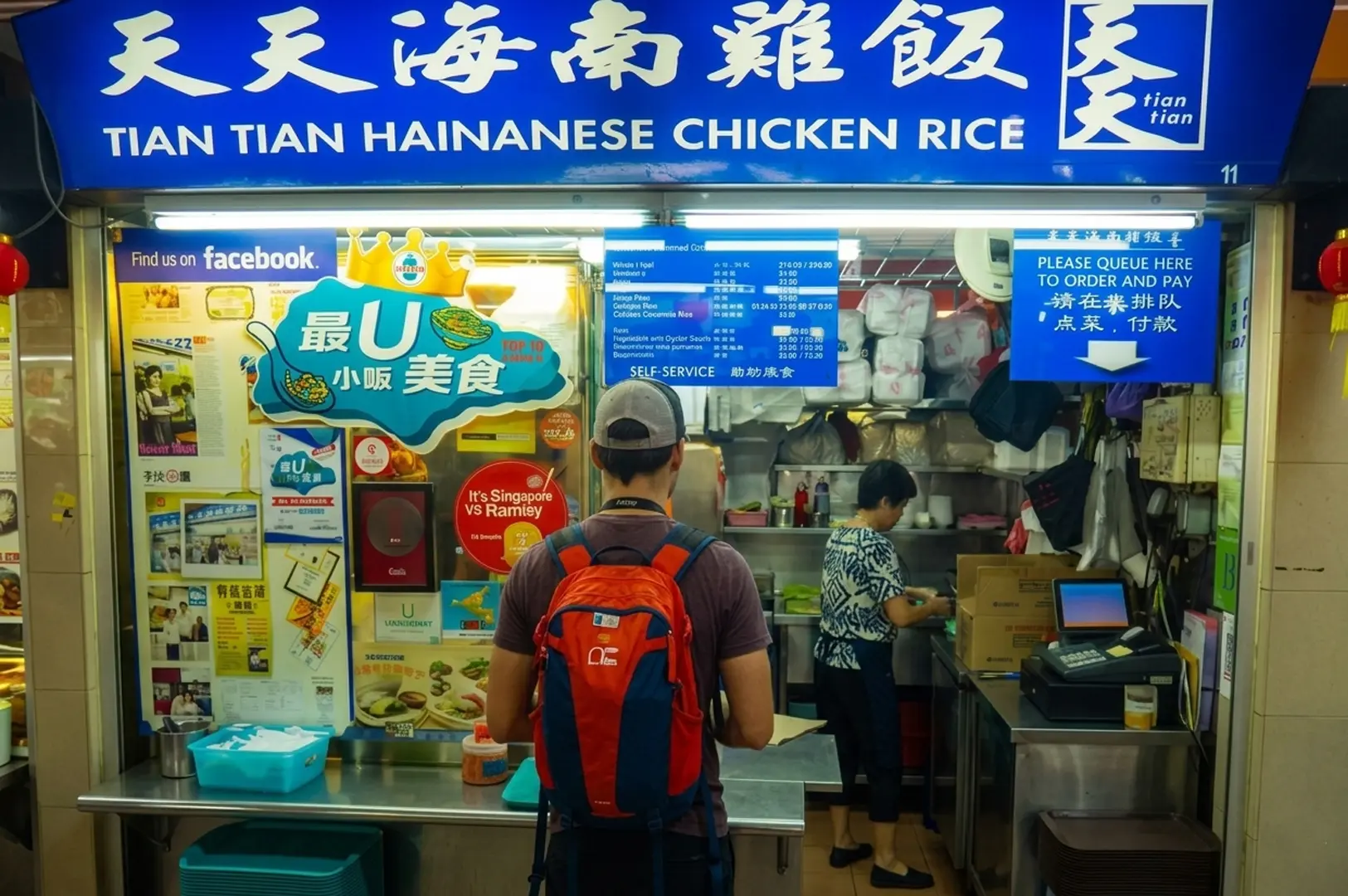
The Budget Traveler: Skip fine dining entirely. Eat across Tiong Bahru Market and Chinatown Complex Food Centre. You can easily spend just SGD 25 a day while sampling incredibly diverse cuisines from hawker stalls.
The Balanced First-Timer: Have an upscale, modern BBQ lunch at Burnt Ends, then grab dinner at a bustling hawker centre. You get balanced exposure to both extremes of the city’s food culture, from Michelin-starred restaurants to vibrant community dining rooms.
The Food Enthusiast: Book a premium SGD 300 omakase for one night, and spend the rest of your trip hunting down Michelin-starred hawker stalls, like the famous soy sauce chicken rice spots. You quickly learn that intense craftsmanship exists at both ends of the spectrum, inspired by decades of culinary arts mastery.
Bite Sized Answers for Every Foodie
“Are hawker centres safe and clean?”
Absolutely! The government regulates them strictly, and stalls display a clear health grade (A, B, or C). Hawker centres continue to be supported by the National Environment Agency to ensure cleanliness and food safety. I eat at hawker centres weekly and have never had an issue.
“Do I need reservations for everything?”
For fine dining, yes. For hawker centres, absolutely not—just show up and prepare to queue during peak opening hours.
“How do I order at a hawker stall if I don’t know what to say?”
Do not worry about a language barrier. Point to the picture on the menu, hold up your fingers for the quantity, and smile at people. Many stalls are inspired by recipes from diverse backgrounds and cater to all tastes.
“Can I wear casual clothes to fine dining?”
No. Most high-end restaurants enforce a smart casual dress code. Also, remember to bring a light jacket because the air conditioning can be freezing.
“Is it rude to share tables at hawker centres?”
Not at all. During peak lunch hours, it is actually expected. Just ask, “Is anyone sitting here?” before you take an empty chair at a partially occupied table.
The Bottom Line
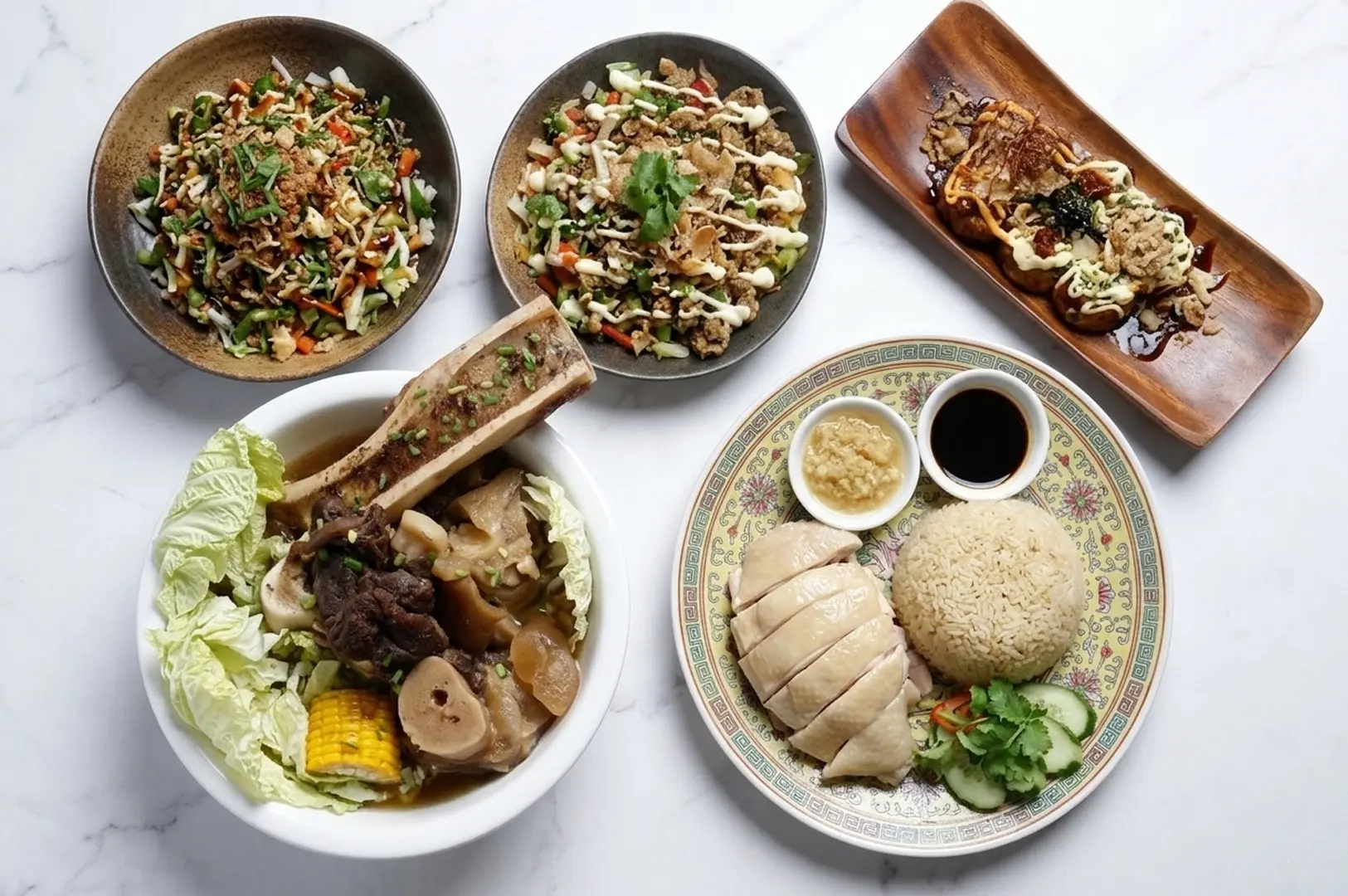
In Singapore, fine dining and hawker food aren’t competing experiences—they’re complementary expressions of the same food-obsessed culture. One tells a story through refinement; the other through tradition and everyday mastery.
I’d suggest embracing both. Let yourself sweat a little in a long queue for a perfect $5 bowl of noodles, and then treat yourself to a flawless wine-paired dinner the next night. Visit multiple food centres, respect the local etiquette, and come hungry. This is the heart of Singapore’s culinary arts and community dining culture—where people from different corners of the world gather to share life’s richest flavours.