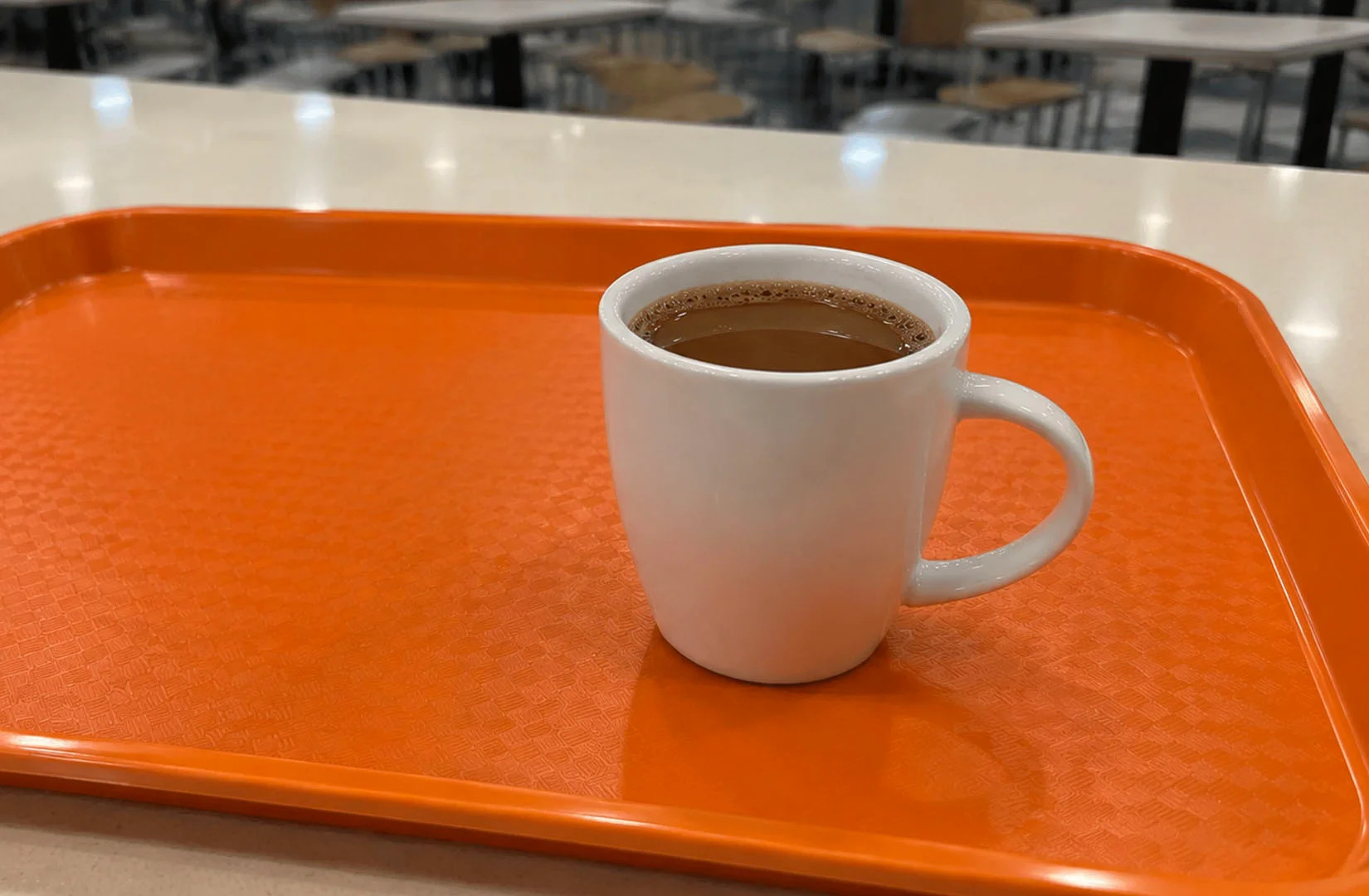
The first time I ordered coffee at a kopitiam, I just said “coffee.” The uncle behind the counter looked at me, paused, and said “kopi?” I nodded. What I got back was thick, sweet, and nothing like the flat white I had in mind. That was the day I realised Singapore has its own coffee language, and it is worth learning if you want your drink to taste the way you actually want it.
Here is the thing: kopi is not just the word for coffee. It is the base of a whole system. Say kopi on its own and you get coffee with condensed milk, which means it comes already sweetened. That alone trips up a lot of newcomers who expect something plain. If you want it without the milk but still sweet, you ask for kopi-o; that “o” comes from Hokkien, and it means black, with sugar added. And if you want coffee with evaporated milk instead of condensed, you order kopi-c. The “c” is often traced back to “Carnation,” an old evaporated milk brand. So already, with three small words, you can shape your drink in three very different ways.
Now the real fun starts when you adjust the sweetness. If the standard kopi is too sweet for you, and honestly it is sweet, you say siu dai, which means less sugar. Want it sweeter? That is gah dai, more sugar. And if you want no sugar at all, the word is kosong, which simply means zero or empty. So kopi-o kosong is black coffee, no milk, no sugar; the closest thing to what most Western cafes would just call black coffee. I order this most mornings now, and it took me an embarrassingly long time to figure out that it existed.

Then there is the heat. Singapore is hot, so plenty of people drink their coffee cold. Add peng to any order and you get it iced. Kopi peng is iced coffee with condensed milk; kopi-c peng is iced with evaporated milk. It is the same logic, just stacked on. Once you understand that the words build on each other, the whole menu suddenly makes sense. You are not memorising dozens of separate drinks; you are combining a handful of small terms.
What I like about this system is how practical it is. Nothing is decorative. Every word does a job. O for black, c for evaporated milk, kosong for no sugar, peng for ice. Mix and match and you can describe almost any cup you want in two or three syllables. The same logic carries over to teh, the tea side of the menu, so once you have kopi down, you basically know how to order tea too.
You do not need to get it perfect. The uncles and aunties have heard every fumbled order imaginable, and most will help you out. But learning even a few of these terms changes the experience; you stop being a tourist pointing at a menu and start sounding like a regular.
If you enjoyed this and want more honest local food guides, come visit us at SG Foodie Travels for more.