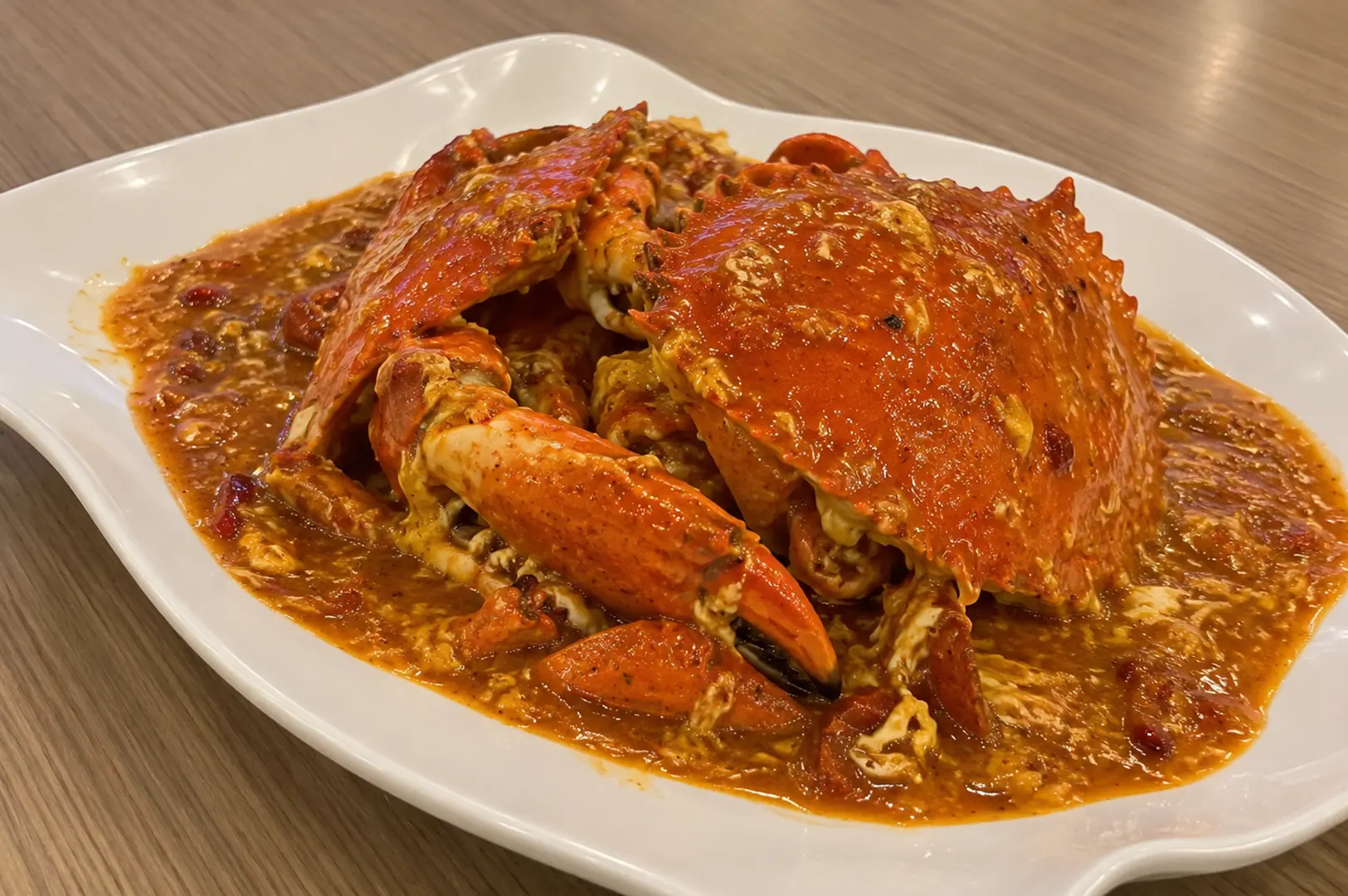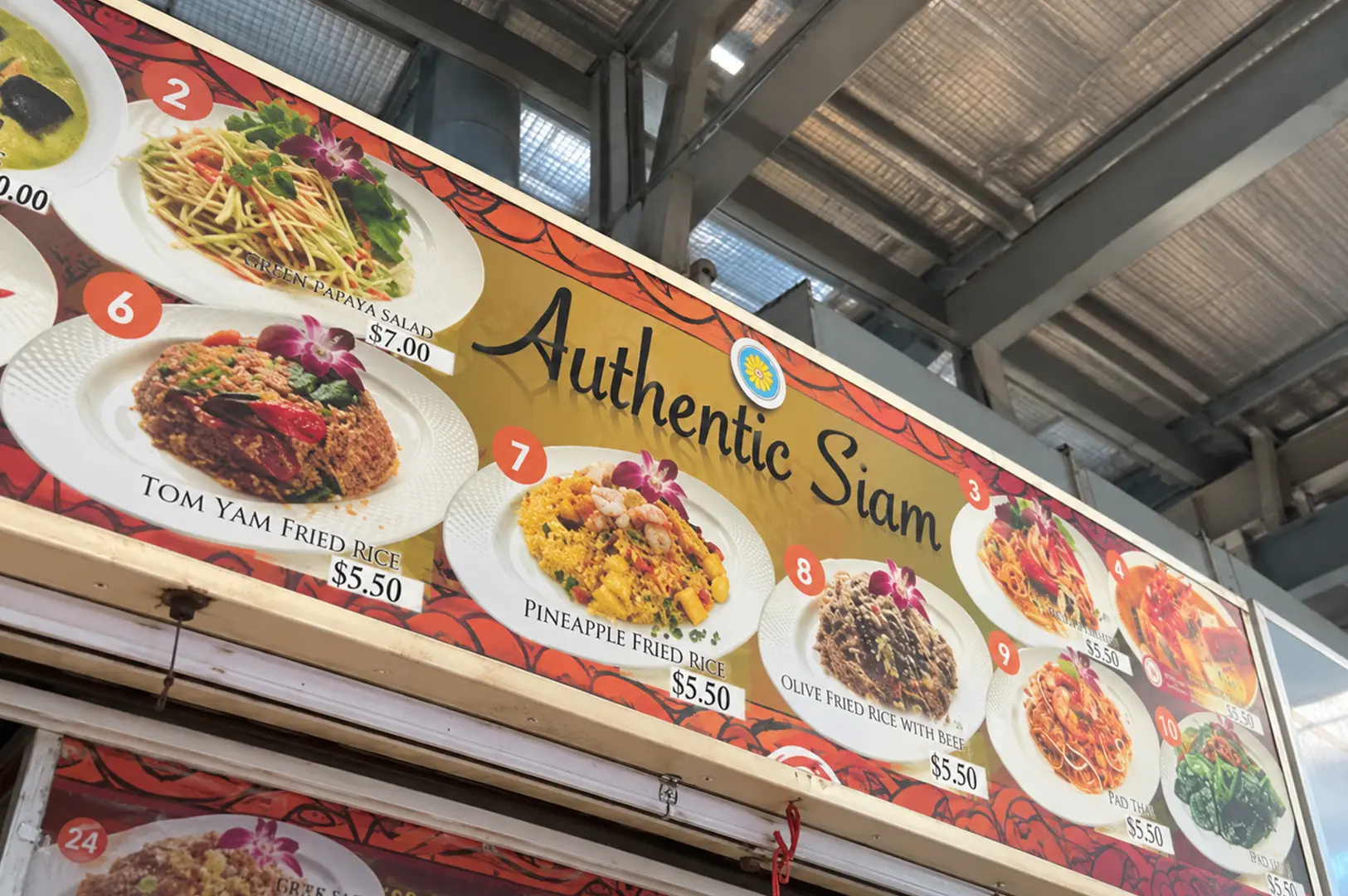
The word “authentic” appears everywhere in food writing. We see it on restaurant menus, social media captions, delivery listings and reviews. A dish is described as authentic because the chef comes from a particular country, the recipe follows a family tradition or the ingredients were imported from overseas.
We understand why the word is attractive. It promises that the food is real, trustworthy and connected to its origins. But the more often we use it, the less clearly it means anything.
As a team that writes about food in Singapore, we have caught ourselves using the word too easily. It can seem like a convenient compliment, especially when describing regional cuisines. Yet authenticity is rarely as simple as following one correct recipe.
Food changes whenever people move. Recipes are adjusted because certain ingredients are unavailable, expensive or unsuitable for local tastes. Cooking techniques evolve with new equipment. Families prepare the same dish differently, even when they come from the same town. Which version should be treated as the authentic one?
Singapore’s food culture makes this question even more complicated. Many dishes we now consider familiar were shaped by migration, trade and adaptation. Local versions of noodles, curries, rice dishes and breads developed because communities worked with what they had. These dishes did not become less meaningful because they changed. In many cases, the adaptation is part of the history.
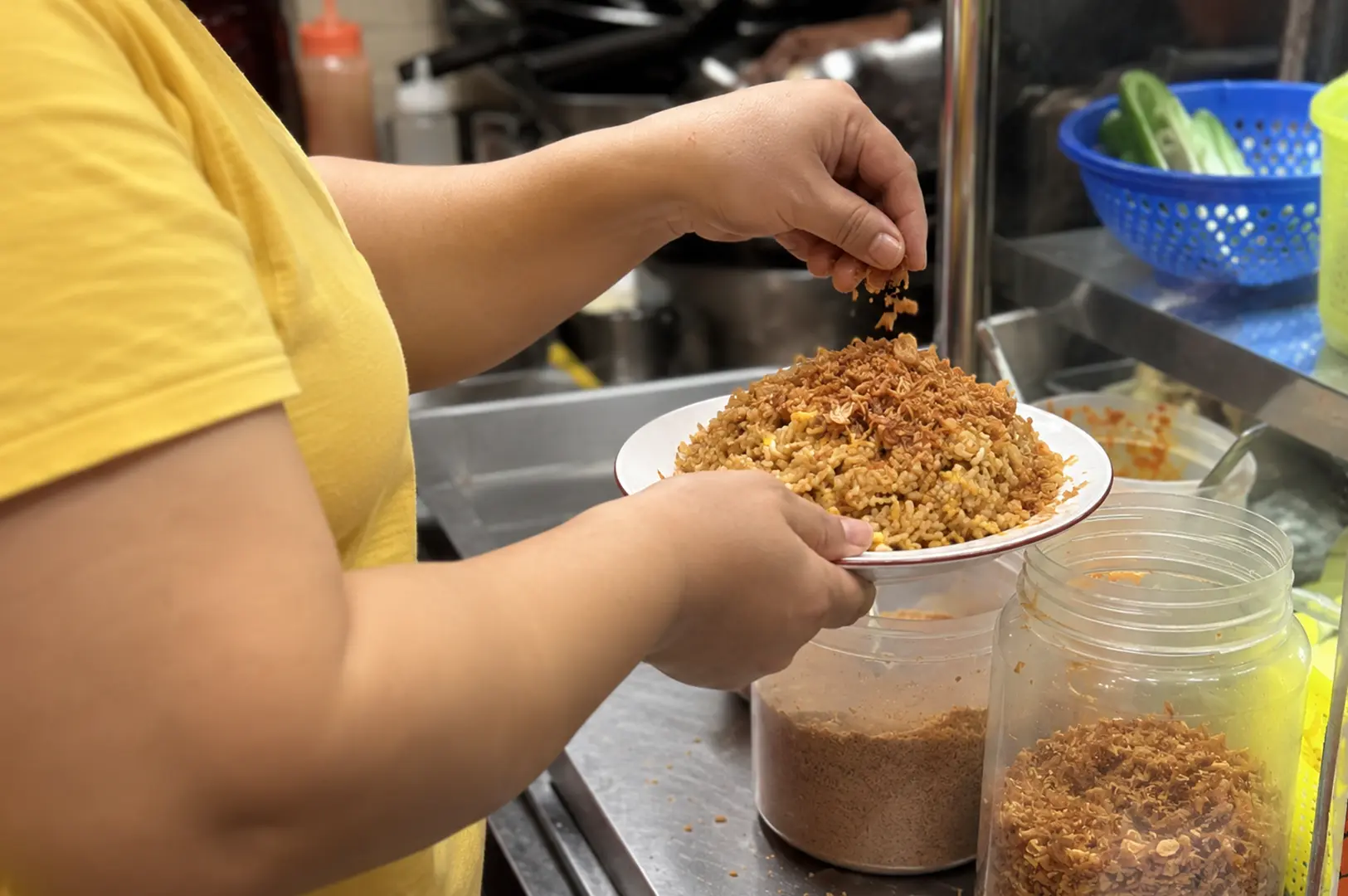
The word can also create an unfair standard for restaurants. A small adjustment to spice, texture or presentation may be criticized as inauthentic, even when it reflects the chef’s personal experience. Meanwhile, a restaurant can market itself as authentic while serving food that is ordinary, poorly prepared or disconnected from the culture it claims to represent.
We would rather ask more useful questions. Does the restaurant understand the dish it is serving? Are the ingredients handled with care? Is the cooking grounded in a particular region, household or tradition? Has the chef explained what was changed and why?
These questions give us more information than a single label.
This does not mean cultural origins are unimportant. They matter deeply. Credit, context and respect should remain central when food is presented to the public. Problems arise when traditions are copied carelessly, stripped of meaning or sold without acknowledging the people behind them.
But respecting a cuisine does not require pretending that food remains frozen in one place and time. A dish can be traditional, adapted, modernized or deeply personal. It can even be several of these things at once.
We have started to become more cautious about calling food authentic. Instead, we try to describe what is actually on the plate, where the recipe comes from and how it has been interpreted. Specific language is usually more honest than a broad claim.
Perhaps the better question is not whether a dish is authentic. It is whether the people making it understand what they are carrying forward, changing or sharing.
For more thoughtful dining stories, food guides and honest perspectives, visit SG Foodie Travels.