I almost walked past.
Orchard Road was doing its usual thing that afternoon: bright shopfronts, glass everywhere, people moving with purpose toward malls they’d already been to a hundred times. I stepped away from all that and ducked into Orchard Plaza at 150 Orchard Road, Singapore 238841.
The building doesn’t try to impress you. Older tiles, tired lighting, a lift that takes its time. I was hunting for unit #02-54, and nothing about the corridors upstairs suggested a sushi bar was waiting. Like I said, I would’ve right past it if not for the name ringing a bell from a recommendation I read from here.
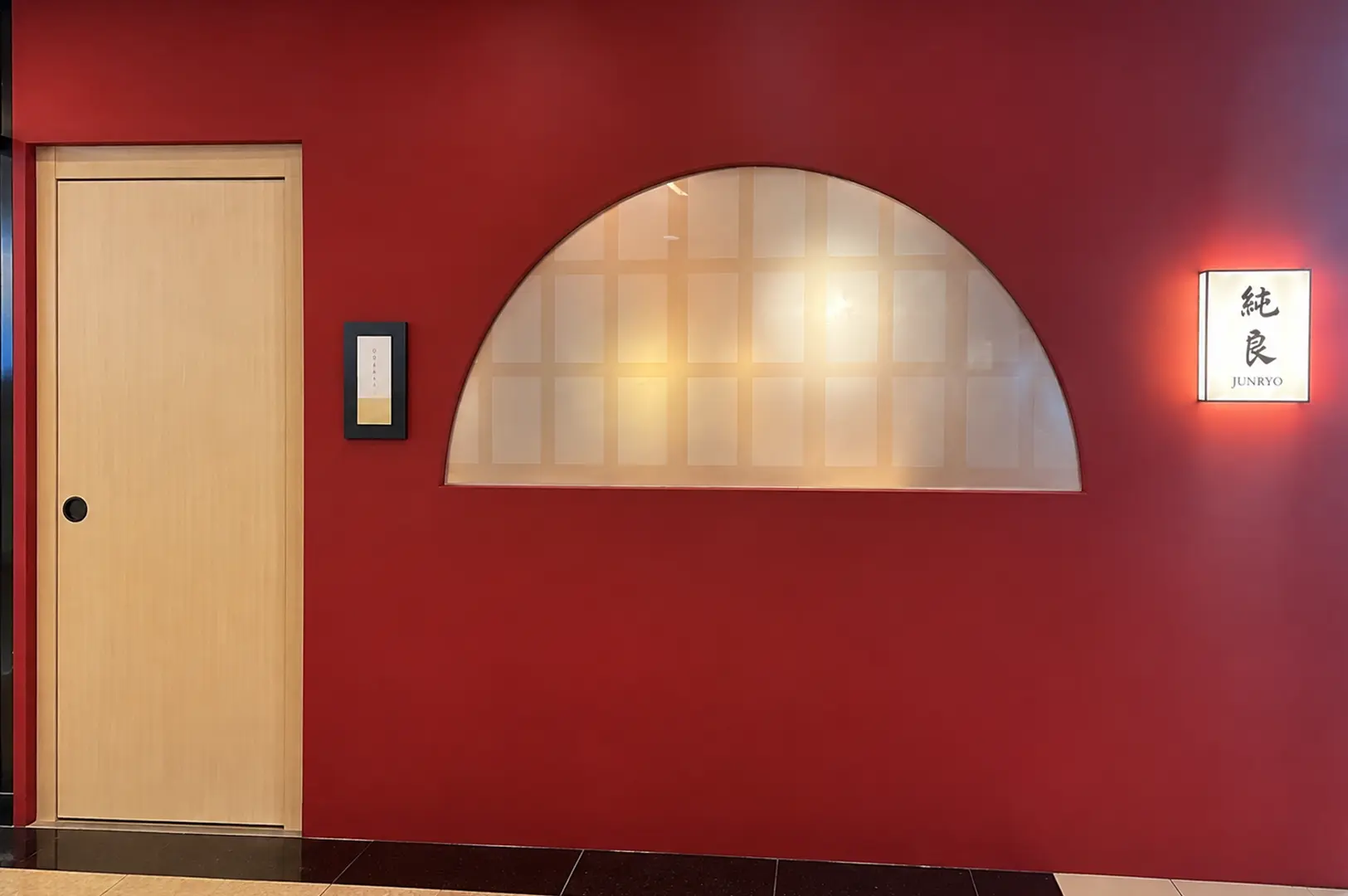
Then a small, quiet entrance on the second floor. Junryo. I opened the door, and eight seats came into view.
For another hidden counter that’s more of a nightcap from feasting on sushi, try APT in Tanjong Pagar.
Inside the Sushi Bar: Small, Bare, Honest
The room is tiny, the kind that Social Eats ‘N’ Drinks have a hunger for finding to no longer have it gate-kept. Eight seats, all facing the counter, wooden surfaces, lighting kept low so your eyes go straight to the fish.
I noticed the kitchen before anything else, mostly because there’s barely one. Just a rice cooker and a small induction stove. No deep fryer, no big exhaust hood, none of the machinery you’d expect in a typical Japanese restaurant kitchen. It’s just enough to season rice and keep things warm.
That’s the whole point, really. When there’s no grill to hide behind, the sushi has to carry everything. And here, it does.
I sat down close enough to watch every movement. There’s an intimacy to that, sitting an arm’s length from Chef Samuel Lau, the sushi chef who’s about to feed you piece by piece.
Building the Meal: Omakase Meals or Your Own Way
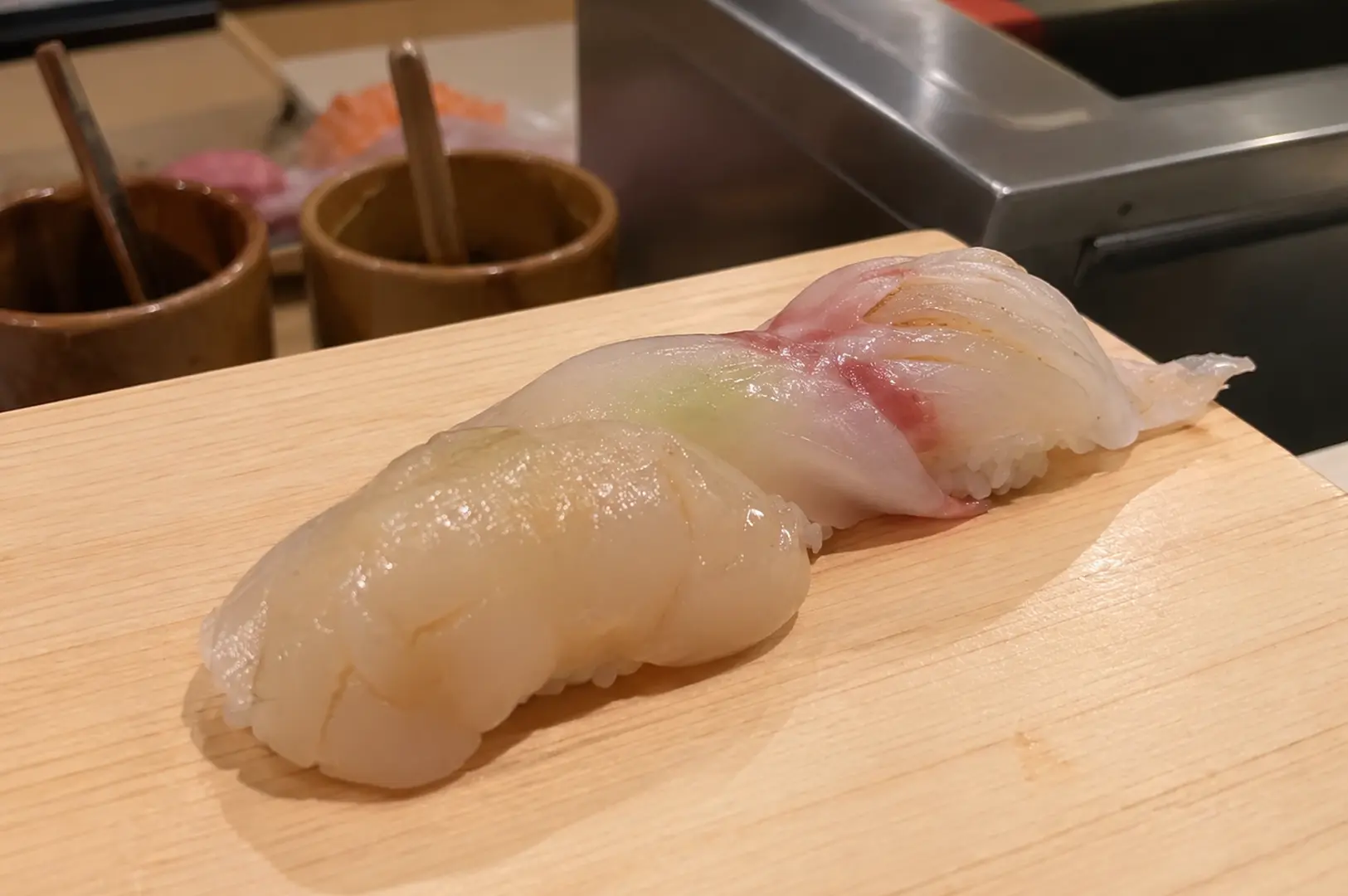
You can go two ways at Junryo, and I like that.
There’s à la carte, where pieces start from S$1 (tamago, inari) and climb to around S$10 for the premium cuts like uni and otoro. You curate your meal as you go, stop when you want, return to a favourite. Good for anyone watching their pocket, though those premium pieces add up fast, so “affordable” only stretches as far as you let it.
Or there’s omakase meals. A 12-course lunch runs S$78++; the 16-course dinner sits at S$118++. The dinner includes a seasonal appetizer, twelve nigiri, a kaisen don, soup, and dessert.
I went with the flow and let the counter lead.
From Shiro Ika to Uni Gunkan: What I Ate
The seasonal appetizer opened things: shiro ika with uni.
Fine strands of squid, cool and faintly sweet, with a soft chew that gave way easily. The uni gunkan on top was creamy, almost melting, and the two textures pressed against each other in the best way. A gentle start.
Then the nigiri began.
Shima aji came firm but yielding, clean-tasting, with a quiet richness that didn’t need dressing up. The tai was leaner, restrained, a whisper of sweetness rather than a shout.
The otoro was the one I kept thinking about later. Cold, soft, almost dissolving against the warm rice underneath, that contrast of temperatures doing half the work. Fat, but not heavy. It just went.
The uni gunkan deserves its reputation. Concentrated, sweet, tasting like the sea got condensed into one small bite. (If uni’s not your thing, this won’t convert you; if it is, you’ll understand.)
Near the end came the kaisen don, a small bowl of ikura, tuna, and ebi over rice. Compact, not a main event, a savoury pause before the finish. The tamago followed as it should, soft and lightly sweet, a familiar note to close the seafood run.
Dessert was handmade warabi mochi. Soft, cool, barely sweet. A clean ending.
Chef Samuel Lau and the Work Behind the Counter
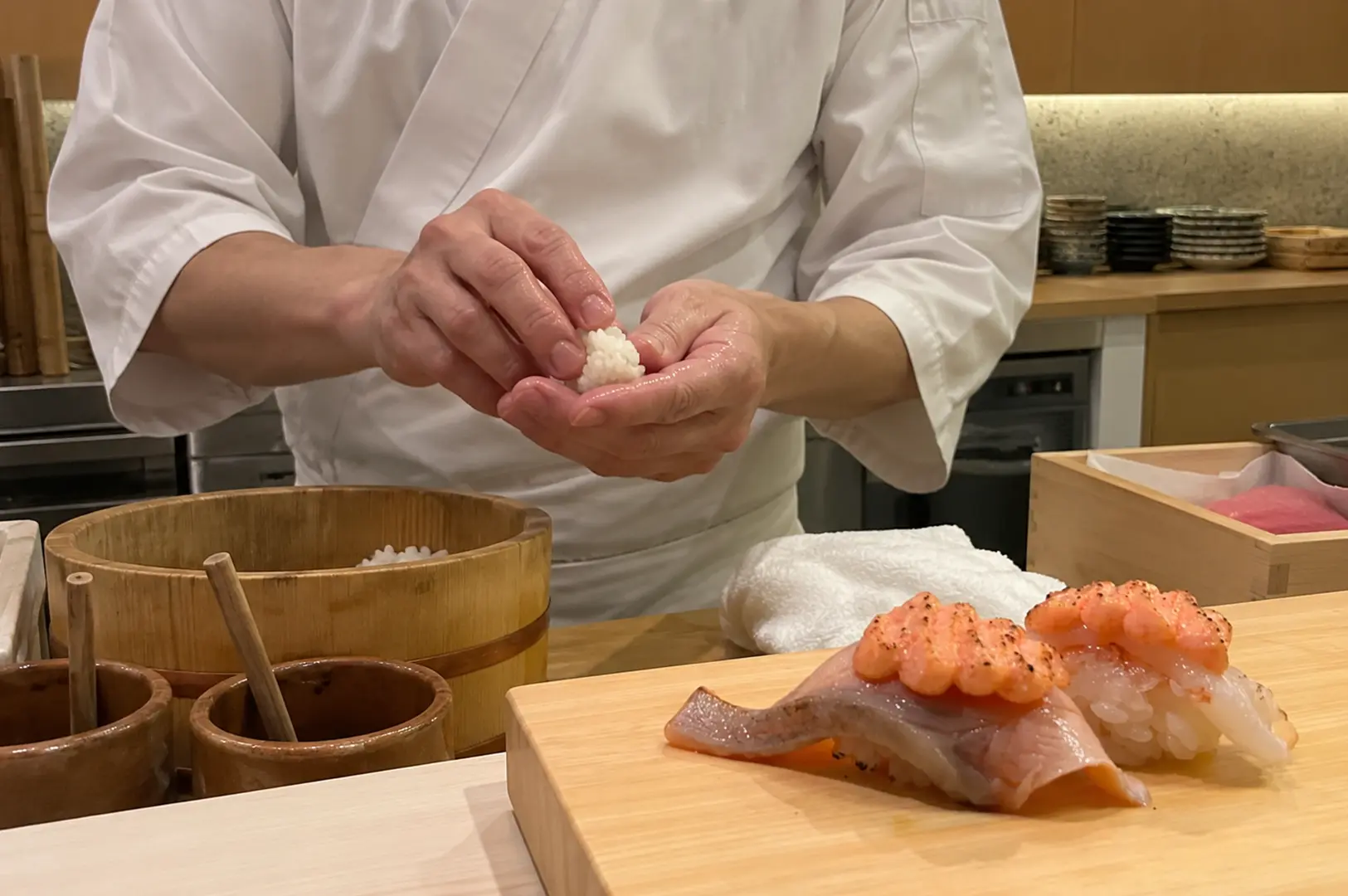
The man doing the feeding is Chef Samuel Lau.
He trained at Shinji, and before that worked under the Les Amis group, though you wouldn’t know any of that from how he carries himself. No speeches. He just works.
I watched him shape the rice, a light press rather than a squeeze, fingers moving like he’d done it ten thousand times. He’d reach for a fillet, slice it, season it, and set it in front of me before I’d finished the last piece. Quiet, economical, unhurried in his hands even when the meal moved quickly.
The rice, he told me, is Hokkaido Nanatsuboshi, mixed with his own vinegar blend of rice vinegar, sugar, and salt. Warm, loosely packed, gently tart. It matters more than you’d think.
Finding Junryo Above Orchard Road
Here’s the thing about Orchard Plaza; it’s the kind of place you’d only enter if someone told you to.
I passed a few shuttered units, a corridor that smelled faintly of old air-con, and there it was. No queue snaking down the hallway. No neon. Just a counter, a sushi chef, and the sense that I’d stumbled onto something most people rushing along Orchard Road would never know about.
Somerset MRT is minutes away. That’s the strange part. This isn’t hidden because it’s remote. It’s hidden because nobody thinks to look up.
Service, Reservations, and the Pace Near Orchard Road
I’ll be honest about the pace.
My meal was done in under ninety minutes, and there’s a one-hour dining window built around the limited seating. Some diners would love that; in and out, no dawdling. Others might want to linger, and Junryo isn’t really the place for lingering.
That said, I never felt shoved out the door. The speed came from the format, not from anyone rushing me. Chef Samuel answered questions across the counter without breaking rhythm.
Book ahead. With only eight seats, walk-in luck runs thin. Junryo opens Tuesday to Sunday, 12pm to 3pm and 6pm to 11pm, closed Mondays. Arrive on time, or you’re eating into your own hour.
The fish, by the way, comes in fresh daily from Japan, including seasonal catch from Toyosu Market. So what’s available shifts naturally. Ask what’s good that day.
If you want something with cooked dishes, this establishment doesn’t serve them. The sister spot Yuta sits on the same floor and offers grilled options. Junryo stays firmly in sushi’s lane.
Why It's Worth Looking Upstairs
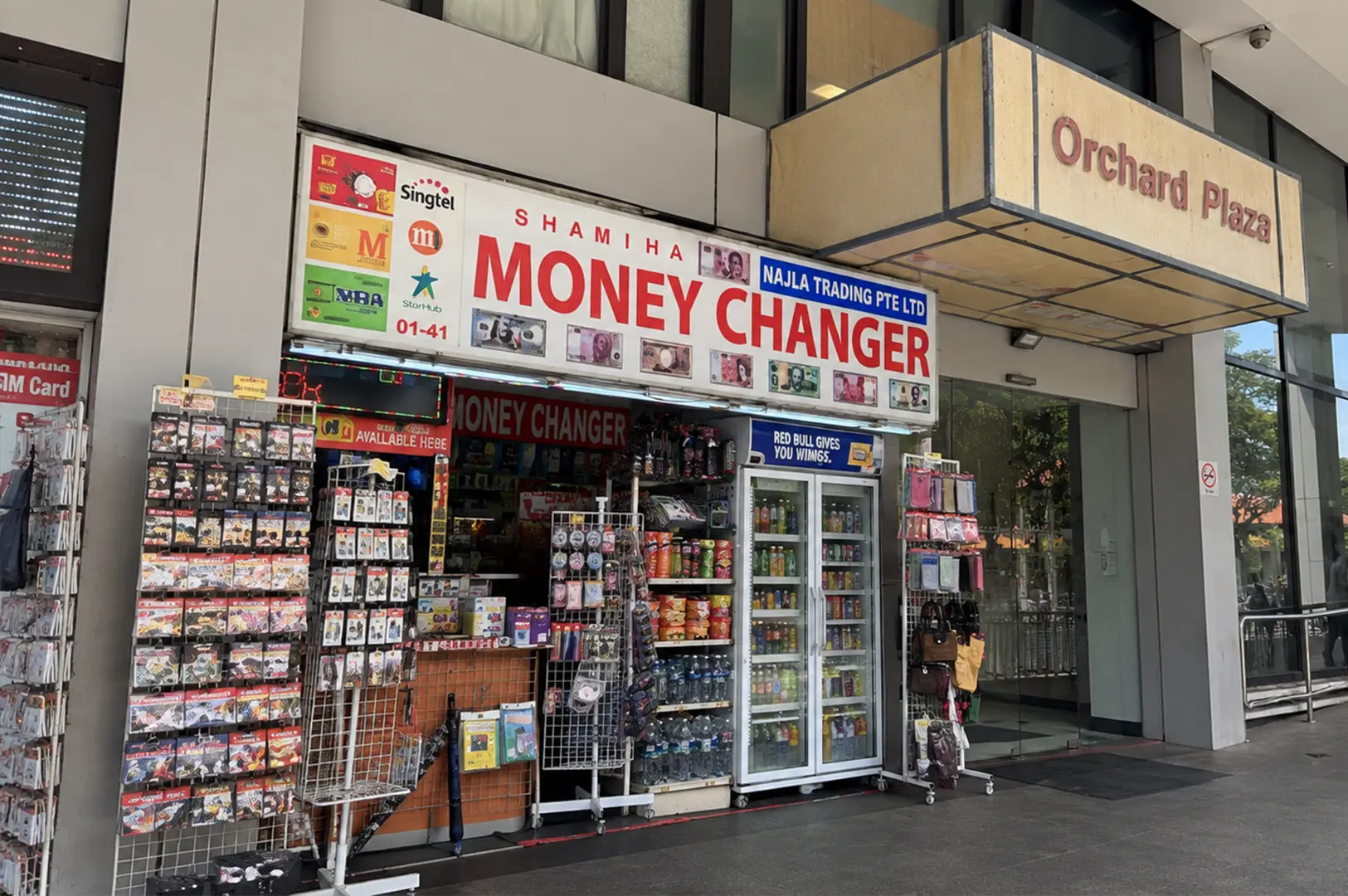
I left the way I came in, back through Orchard Plaza’s dim corridors, down to Orchard Road where the crowds hadn’t thinned.
Same building. Same street. But I knew what was up there now, and that changed how it felt.
Junryo isn’t grand. It’s a small counter, a spare kitchen with just a rice cooker and a small induction stove, a sushi chef who lets the fish do the talking. Go for that. Book your seat, arrive on time, expect close quarters, and order to your appetite rather than your ambition.
The pleasure is split between finding the place and watching a full sushi meal appear from almost nothing. Both are worth the climb.