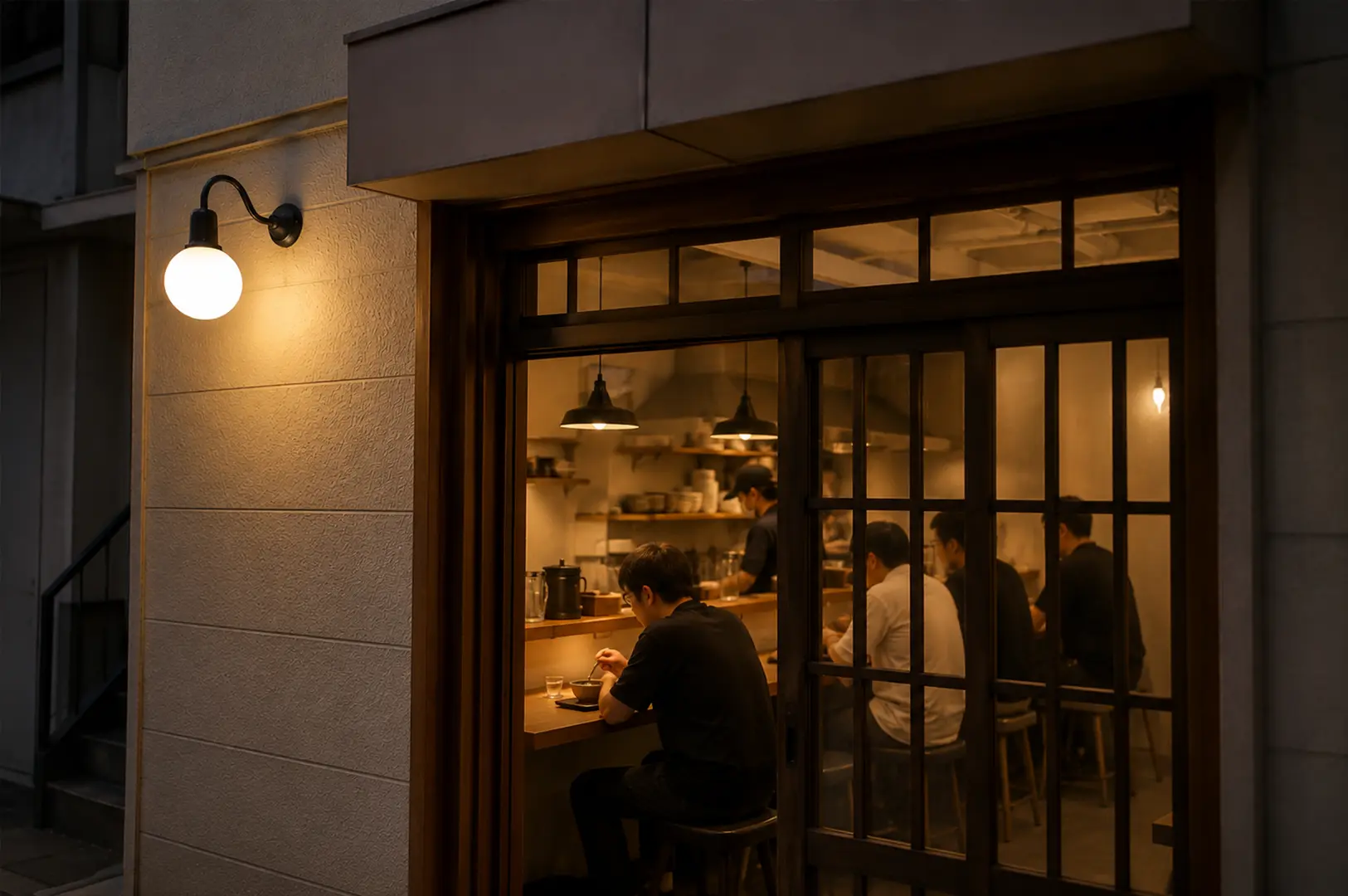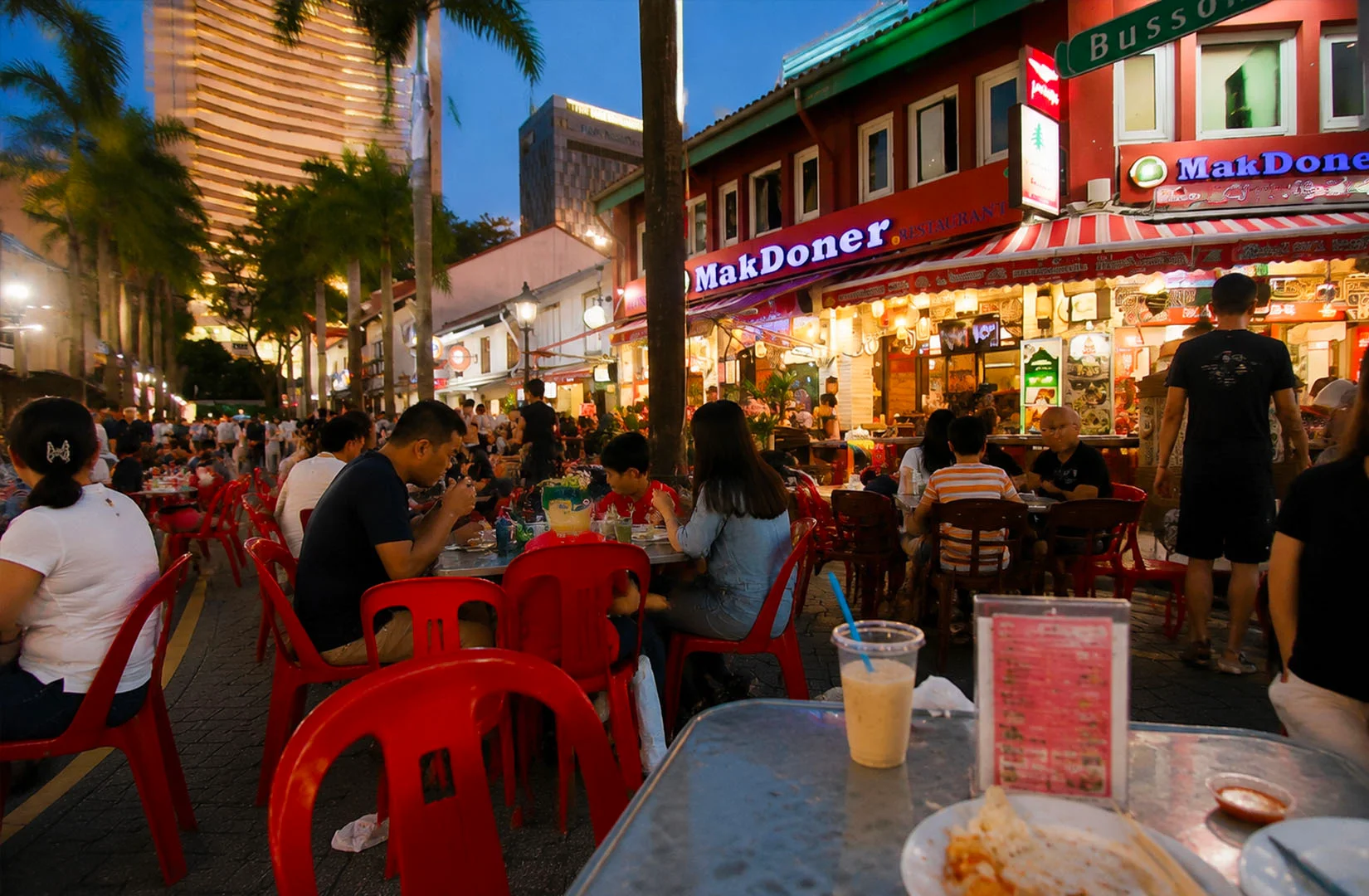
Most Singaporeans have a story like this. You’re walking through a nondescript HDB block or cutting through a quiet industrial estate for a shortcut, when someone says, “It’s here.” No signboard. No menu plastered outside. Just a faint smell of broth drifting from somewhere inside. You hesitate—is this really a restaurant?—but you step in anyway.
What follows is one of the most delicious meals you’ve had all year.
In a food city obsessed with Michelin stars, viral queues, and Instagram-friendly interiors, Singapore is also quietly home to another category of dining: anonymous restaurants Singapore that thrive on anonymity. These hidden gems have no flashy branding, social media accounts, or even proper names—yet they command loyal followings, whispered recommendations, and near-mythical reputations. For many food lovers, Singapore is a dream destination, with the allure of discovering secret eateries and hidden gems that make every meal a memorable adventure.
In a world where everyone is shouting, silence becomes distinctive.
Hawker Stalls and Hawker Centres: The Heartbeat of Hidden Dining in Singapore
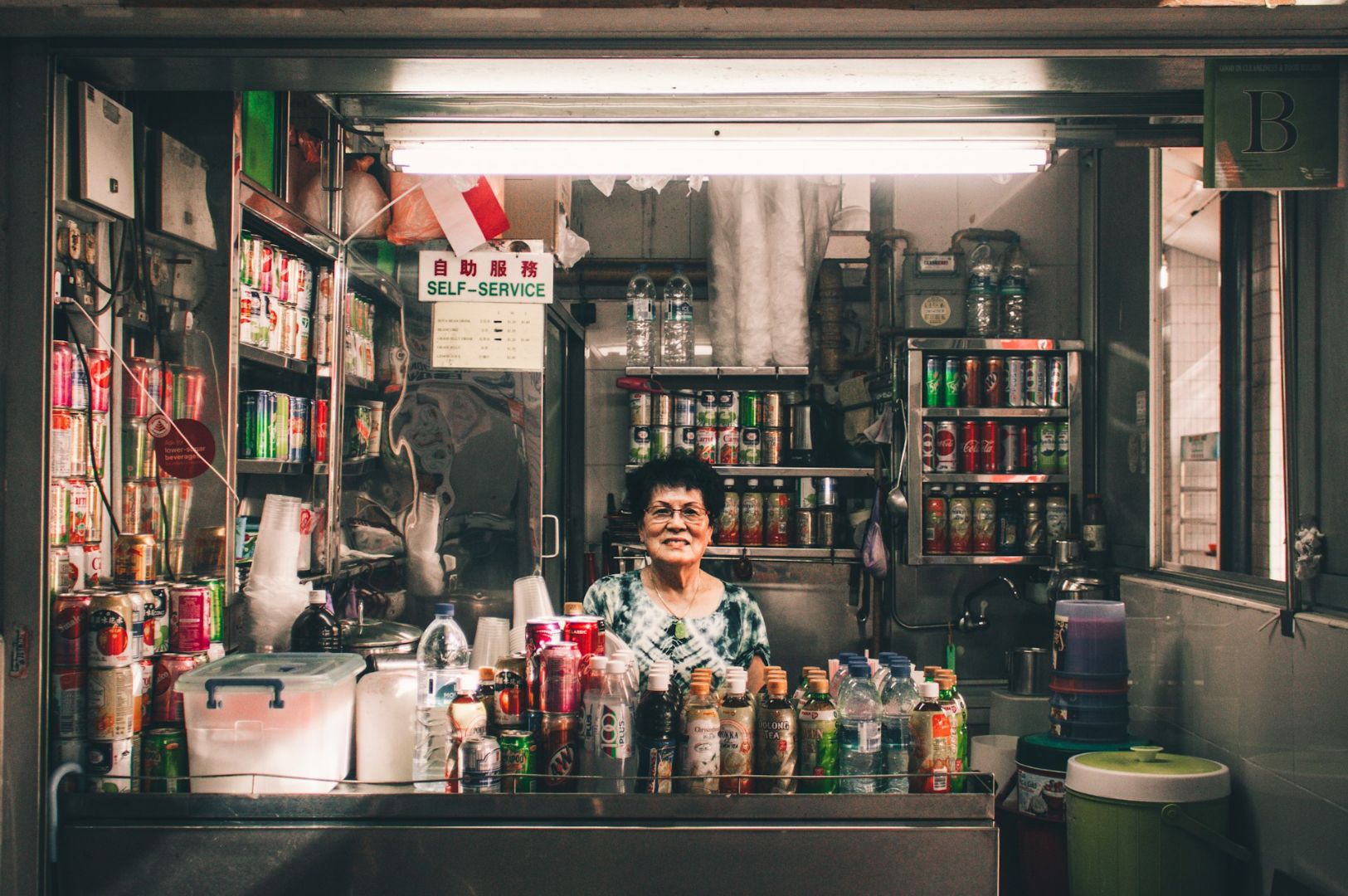
Singapore’s dining scene is louder than ever.
Every week brings:
New restaurant launches
Influencer tastings
Sponsored “best of” lists
Viral food trends that burn out in months
Visibility has become currency. But saturation has consequences.
Diners today are increasingly skeptical of hype. Many have queued for hours only to feel underwhelmed, or bookmarked “must-try” hawker stalls that quietly close a year later. Against this backdrop, anonymous restaurants and hawker centres stand out precisely because they don’t compete for attention.
Their invisibility sends a subtle signal:
We don’t need to convince you. The food does that on its own.
At hawker centres, many diners stick to budget-friendly options, making these venues a go-to for affordable local experiences.
Why Some of Singapore’s Best Comfort Food Restaurants Are Hidden Gems
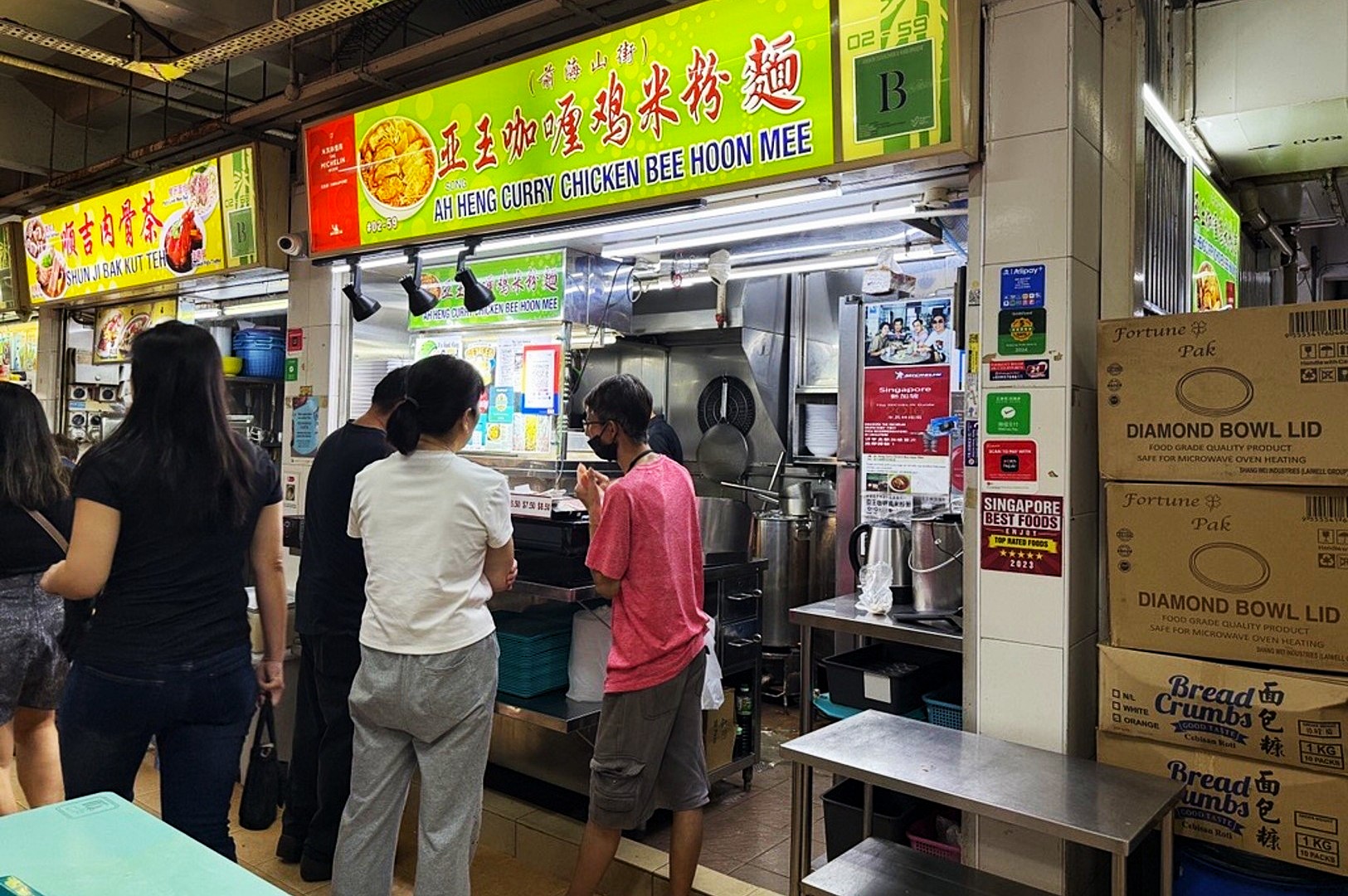
Walk through older estates like Tiong Bahru, Redhill, or parts of Geylang, and you’ll still find eateries known not by signage, but by description.
“The fish soup under the staircase”
“That chicken rice behind the provision shop” (served with perfect soft boiled eggs)
“The bak chor mee stall near the old coffee shop”
These no-name food stalls in Singapore aren’t hiding—they’re basically must-try comfort food destinations, rooted in the local food scene.
Common reasons establishments remain unmarked:
They predate modern branding norms
Their regulars know them already
They never needed walk-in traffic
The owners prioritize routine over growth
For many hawkers and small operators, putting up a sign was never a priority. One third-generation stallholder once explained it simply: “If people don’t know us, they’re not our customers yet.”
That mindset reflects confidence—not indifference.
Analogue Anonymous: A Cool Coffee Shop Concept That Blends Creativity and Comfort Food
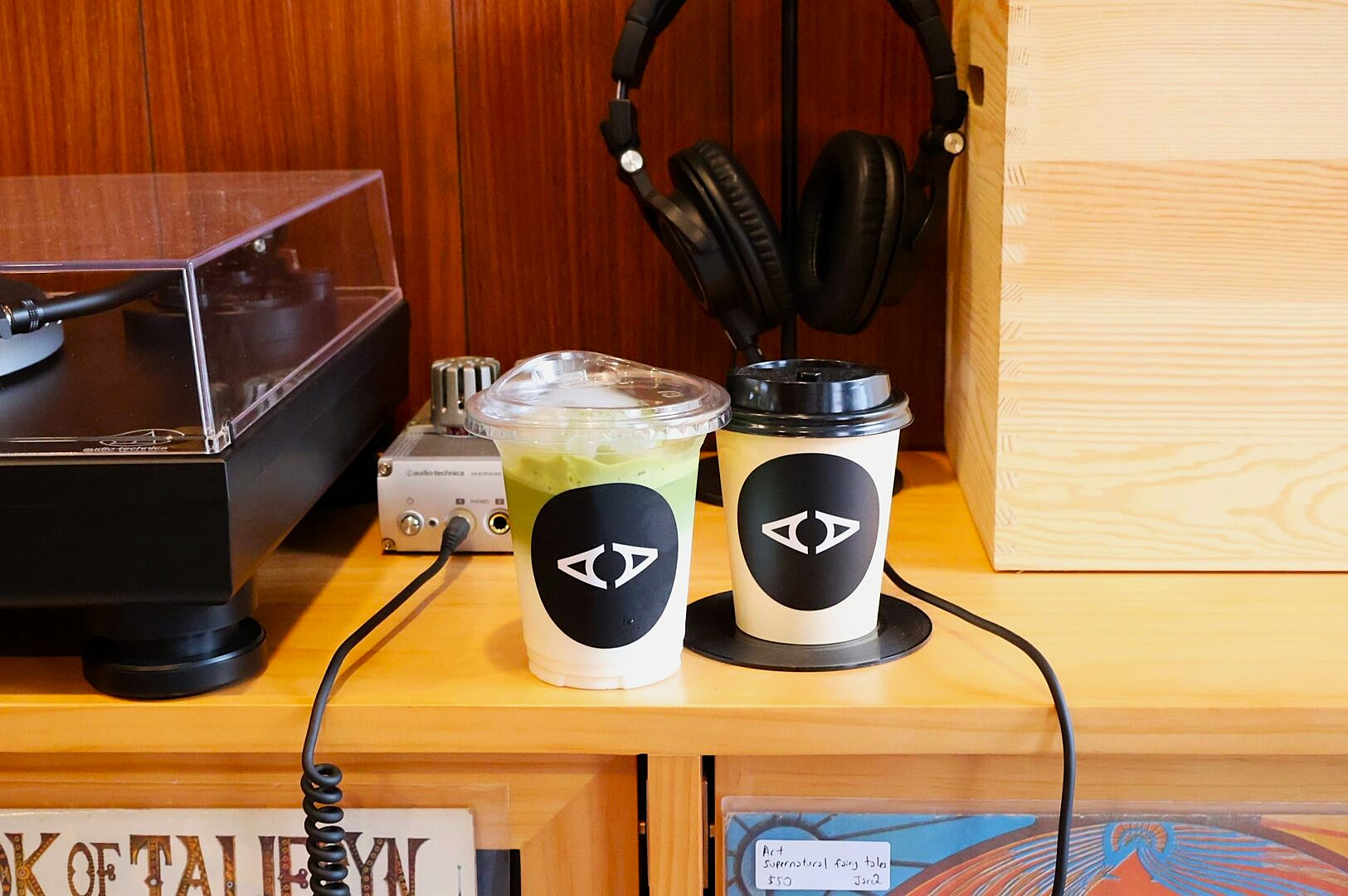
Not all hidden gems are traditional hawker stalls or anonymous restaurants. Take Analogue Anonymous, for example—a unique Singapore venue located on Geylang Road that combines a coffee shop, lifestyle boutique, and photo studio all in one cosy space.
Here, guests can enjoy expertly brewed espresso made from beans sourced from Ipoh, sip on creative drinks like the pandan-infused Asam Man, and watch or even participate in the mix of drinks and cocktails guided by skilled baristas. The bar also offers a selection of gin-based cocktails, showcasing a diverse range of gins paired with local ingredients. Guests can snack on small plates and pastries while spinning vinyl records on vintage turntables—the café even has a vintage record player that allows customers to preview albums before purchasing. The interior is packed with detail, blending retro vibes with modern creativity, making it a cool spot for visitors who want a casual yet memorable dining and drinking experience.
Analogue Anonymous perfectly captures the spirit of Singapore’s hidden dining scene: a place that’s fun, relaxing, and full of stories waiting to be discovered.
Speakeasy-Style Restaurants: The Secret World Behind Closed Doors
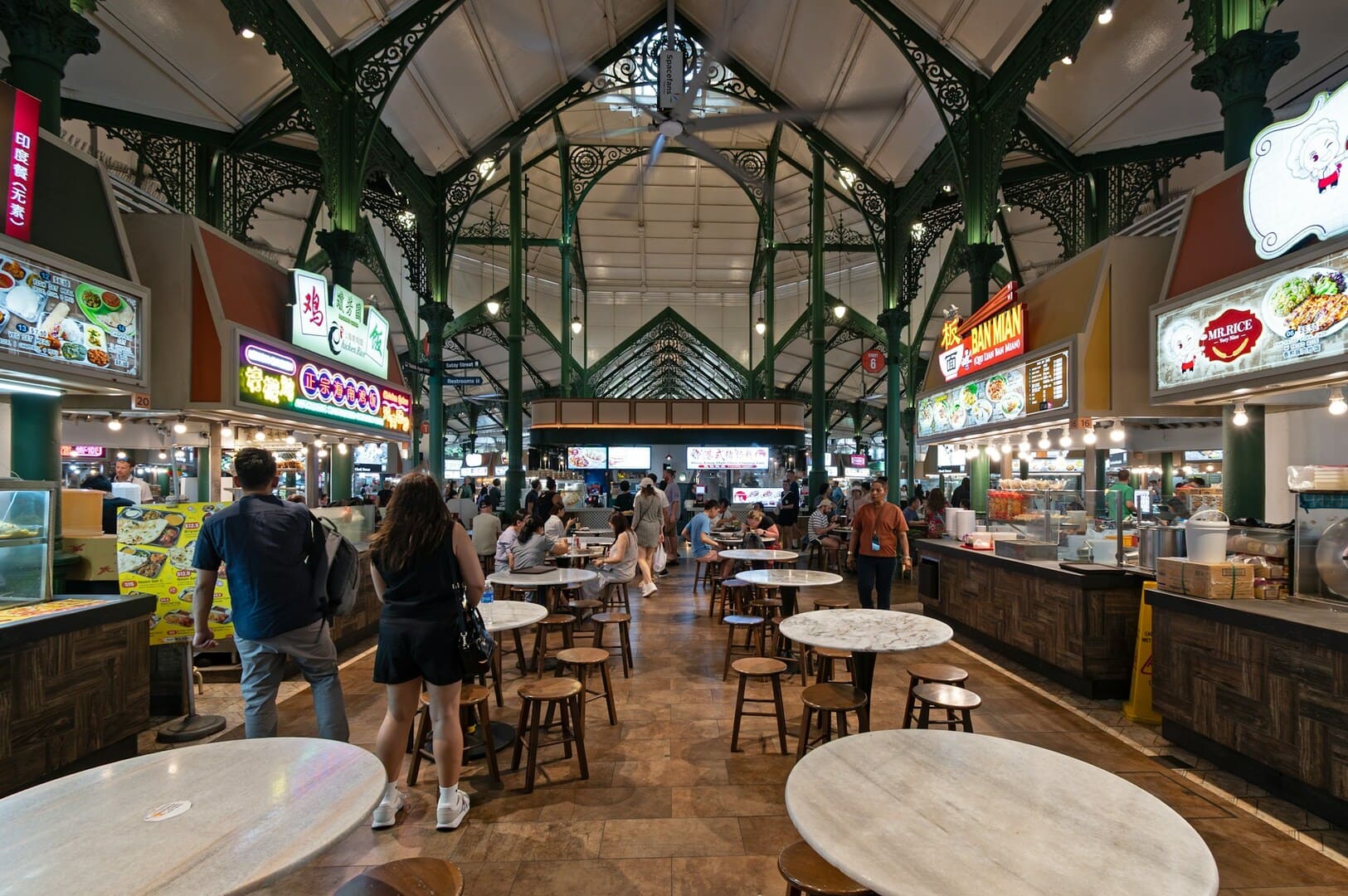
These places don’t advertise their locations, and that’s exactly the point. I’ve tracked them down in the most unlikely spots: climbing narrow stairs above a hawker centre, following hand-drawn maps to the back entrance of a shophouse, even ducking behind a coffee shop counter when the owner gives you that knowing nod. Each hunt becomes its own adventure, and every discovery feels earned rather than handed to you.
What keeps me coming back isn’t just the inventive cocktails or the surprise menus—it’s watching how these spaces transform throughout the night. I’ve seen a bartender who doubles as a vinyl collector spin rare records between mixing drinks, watched chefs plate dishes while sharing stories about their grandmother’s recipes. The magic happens in those moments when you realize you’ve stumbled into someone’s passion project, not just another restaurant.
The Psychology of Discovery: Why Finding a Hidden Gem Is a Fun Part of the Meal
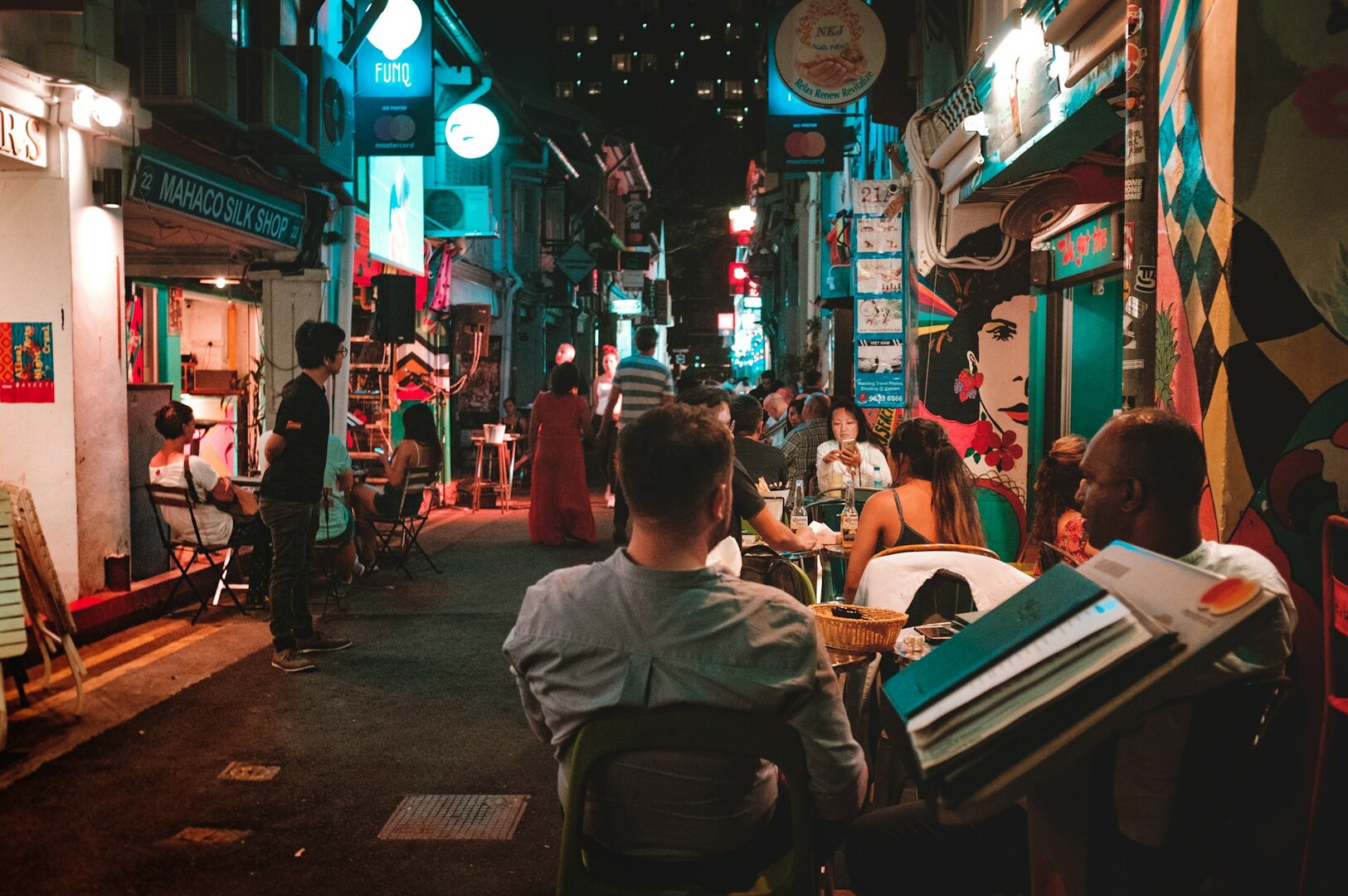
There’s a reason secret dining spots feel special.
Psychologists call it effort justification: we value experiences more when we’ve worked to find them. A meal discovered through a friend’s tip, vague directions, or multiple failed attempts automatically carries emotional weight.
In Singapore, where convenience dominates daily life, difficulty itself becomes memorable.
Anonymous restaurants offer:
A sense of discovery
A feeling of being “in the know”
A story worth retelling
Part of the excitement comes from deciding which hidden gem to try next, as diners weigh their options and anticipate new experiences.
When you finally find that unmarked door behind which delicious dishes are served, the food doesn’t exist in isolation—it’s tied to the journey.
That’s why these places often feel more authentic, even before the first bite.
How Anonymity Preserves Culture and Curates the Right Guests
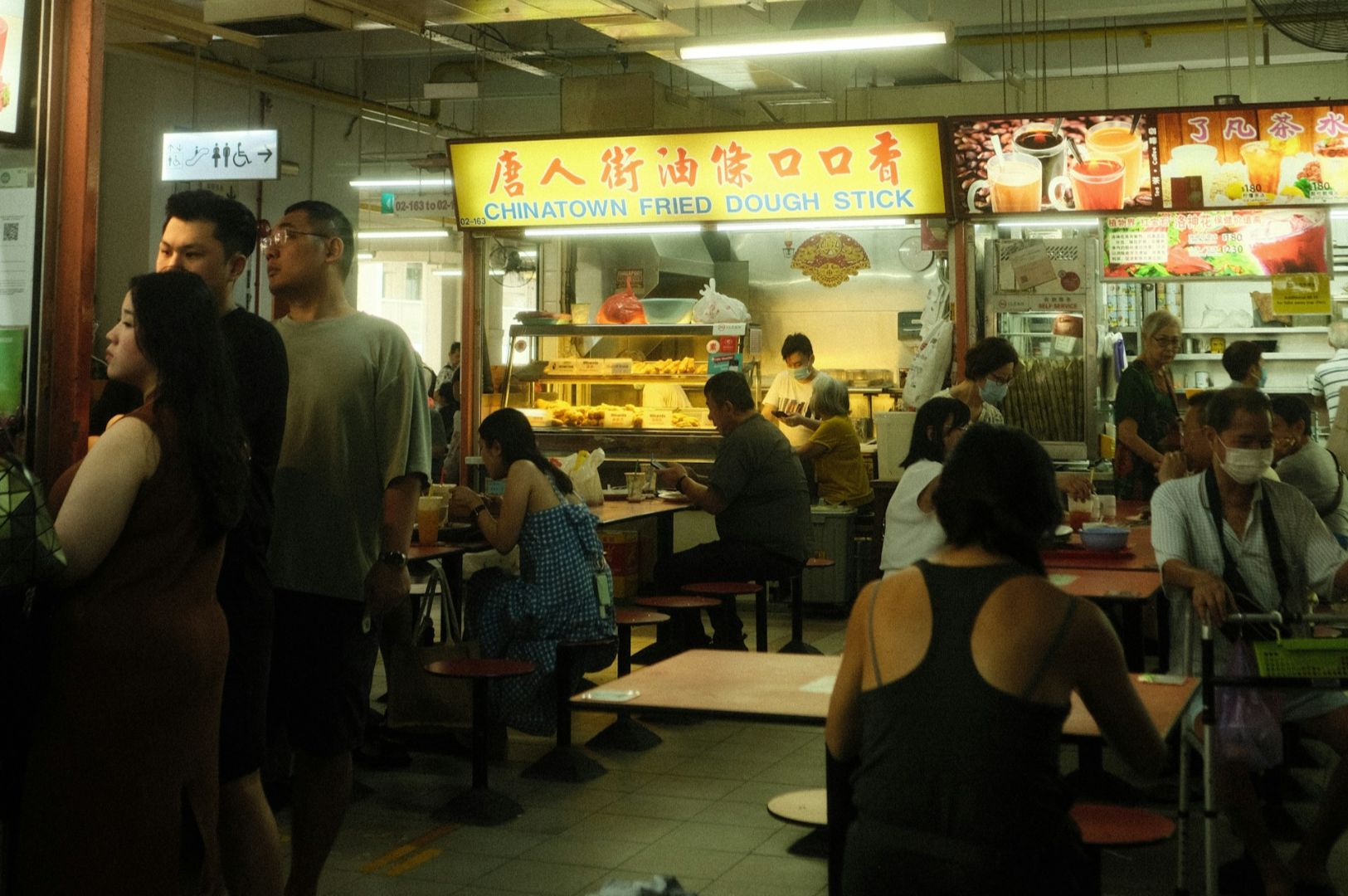
Anonymity acts as a natural filter.
Without online hype or signage, these restaurants attract:
Locals who value flavour over trends
Regulars who return weekly, not once
Diners willing to adapt to house rules
Some hidden restaurants also incorporate elements of cultural play or entertainment, such as live music or interactive performances, to further enhance the dining experience.
This filtering protects culture.
What anonymity helps preserve:
Traditional recipes that don’t scale easily
Quiet dining rhythms without rush-hour theatrics
Unspoken etiquette (return trays, don’t linger, don’t complain loudly)
In contrast, once a place goes viral, dynamics change:
Menus simplify
Portions shrink
Turnover speeds up
By staying under-the-radar, many authentic Singapore food spots maintain their original pace—and soul.
The Economics of Not Marketing: Investing in Taste Over Trends
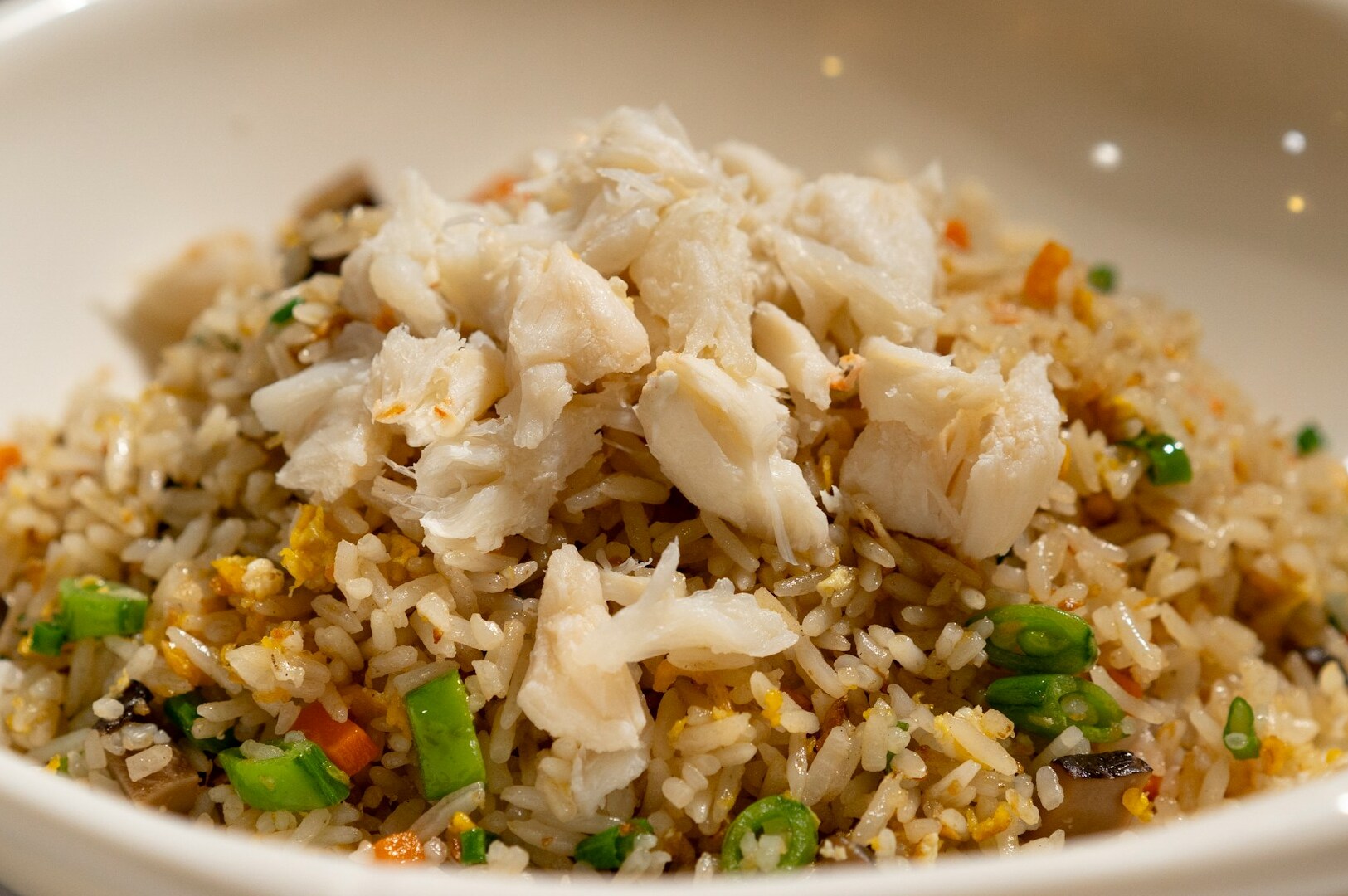
Marketing is expensive.
Social media managers, professional photography, influencer collaborations, paid ads—these costs add up. For small operators, anonymity isn’t just philosophical; it’s practical.
By not marketing aggressively, resources shift elsewhere. Their margins aren’t spent chasing visibility—they’re invested in flavour.
Many of these hidden restaurants offer set menus or exclusive dining experiences priced per head, allowing them to focus on quality and personalized service rather than mass appeal.
Where the money goes instead:
Better ingredients
Skilled kitchen help
Longer cooking times
Consistent sourcing
This is why many word-of-mouth restaurants in Singapore punch far above their price point. Their margins aren’t spent chasing visibility—they’re invested in flavour.
Ironically, this makes them more Instagram-worthy when discovered, even without trying.
Word-of-Mouth and Food Videos: The Ultimate Validation for Hidden Gems
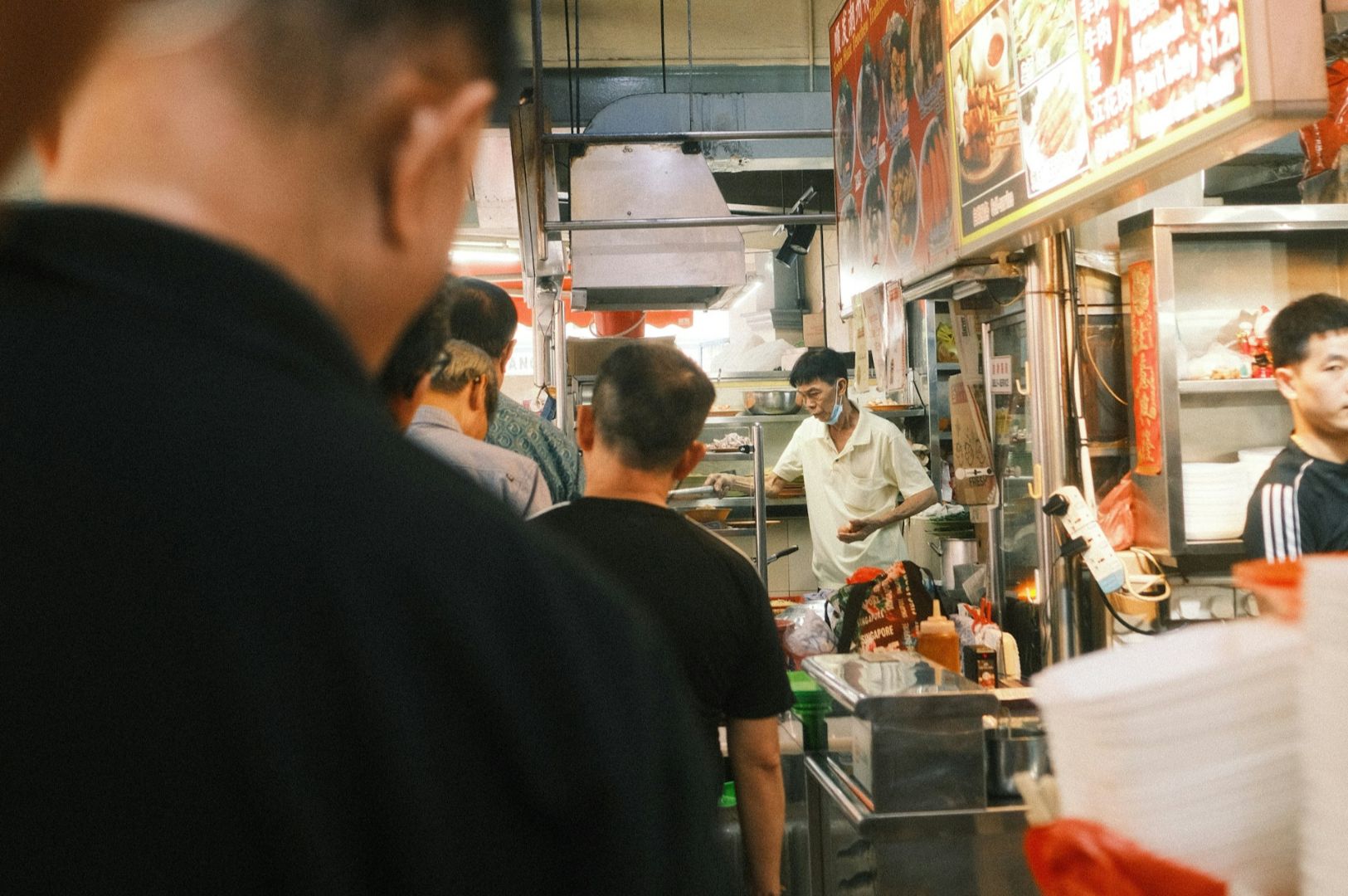
In Singapore, word-of-mouth has always been king.
Before Google reviews, there were:
Taxi driver recommendations
Office lunch secrets
Family weekend rituals
Anonymous restaurants rely on this organic system. There are no ads, only endorsements that feel personal.
You don’t hear:
“This place is famous.”
If you haven’t heard of places like Mama Diam or Lou Shang, it’s time to discover these hidden gems.
You hear:
“My colleague brings his family here every Sunday.”
That distinction matters. Word-of-mouth doesn’t scale fast—but it scales deep. It builds trust, loyalty, and resilience.
Coupled with authentic food videos and local food news that spotlight these gems without compromising their anonymity, the culture of discovery continues to thrive.
The Unspoken Rules of Dining in Anonymous Restaurants Singapore
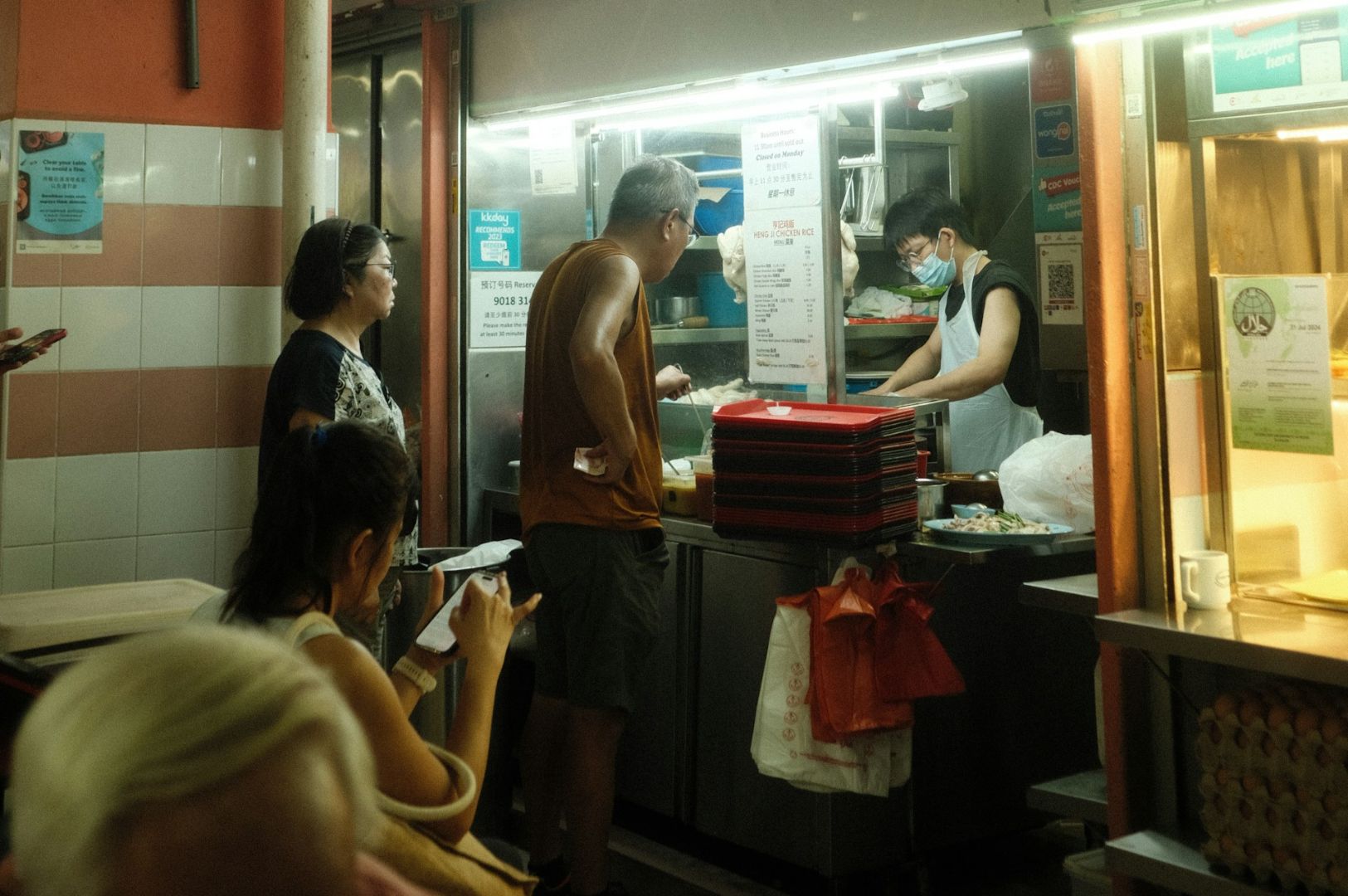
Finding hidden restaurants Singapore locals love comes with responsibility.
These places survive on balance, not exposure.
Some of the most popular dishes or pastries at these hidden spots can sell out quickly, so it’s best to arrive early if you want to try them.
Unspoken rules diners should follow:
Don’t geotag aggressively
Don’t demand menu changes
Don’t compare them loudly to viral spots
Observe before photographing
Respect that anonymity is intentional
Being invited—implicitly or explicitly—into these spaces is a privilege, not entitlement.
How to Find Hidden Gems and Anonymous Restaurants Singapore Visitors Will Love
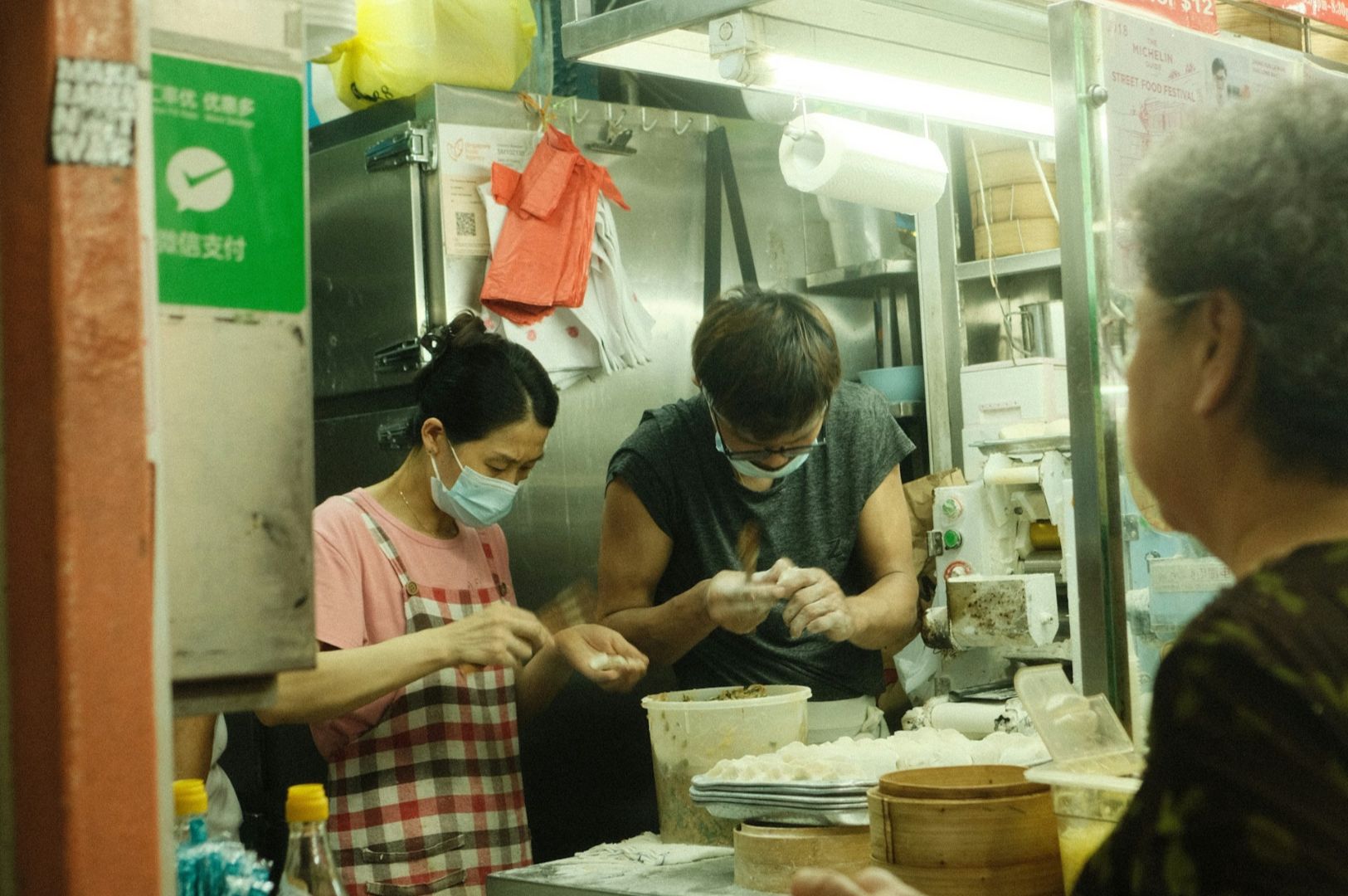
If you’re willing to look beyond algorithms, Singapore is full of culinary secrets.
Ask taxi drivers or delivery riders for their favorite spots—they often know the best-kept secrets.
Check out local forums and social media groups for recommendations.
Wander through neighborhoods and keep an eye out for unmarked doors or discreet signage.
Try searching for hidden restaurants in town or in well-known neighborhoods, as these areas often have secret spots favored by locals. For a different dining atmosphere, consider exploring as the sun goes down, when many places come alive with a unique evening vibe.
If a place is full every day without advertising, there’s usually a reason.
Food Tours and Guides: Navigating Singapore’s Secret Culinary Scene
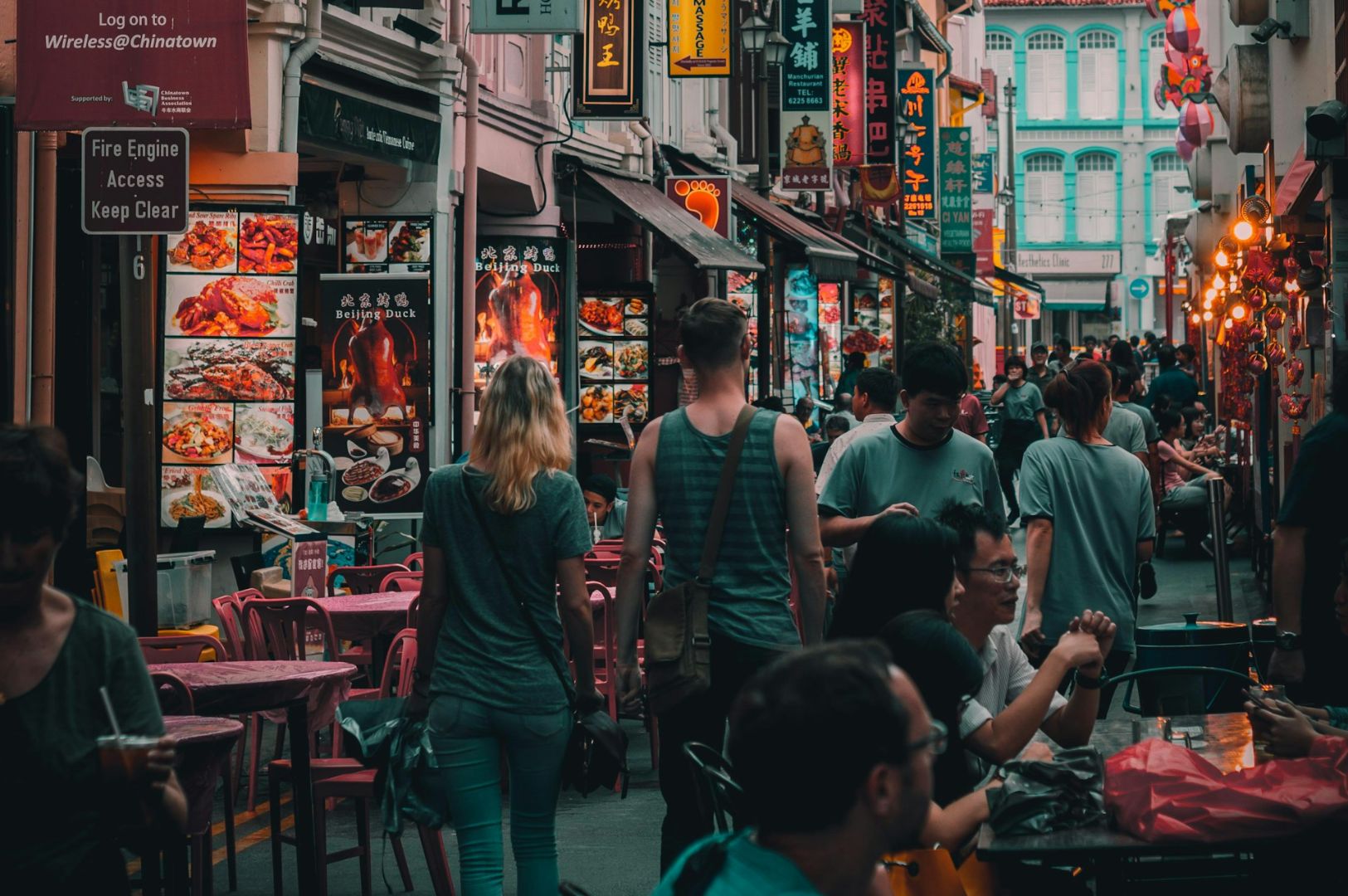
Discover Singapore’s hidden culinary treasures with food tours and local guides who lead you beyond typical tourist paths. Explore vibrant hawker stalls and tucked-away spots serving delights like soft boiled eggs and dried persimmon. Each stop reveals unique stories—from a third-generation chef’s perfected recipes to bartenders crafting signature drinks like the Asam Man. Wander through Chinatown, Little India, and Kampong Glam, uncovering local secrets and authentic flavors that guidebooks miss. This immersive journey transforms you into an insider, connecting you deeply with Singapore’s rich food heritage.
Conclusion: Let the Food Speak in Singapore’s Anonymous Restaurants
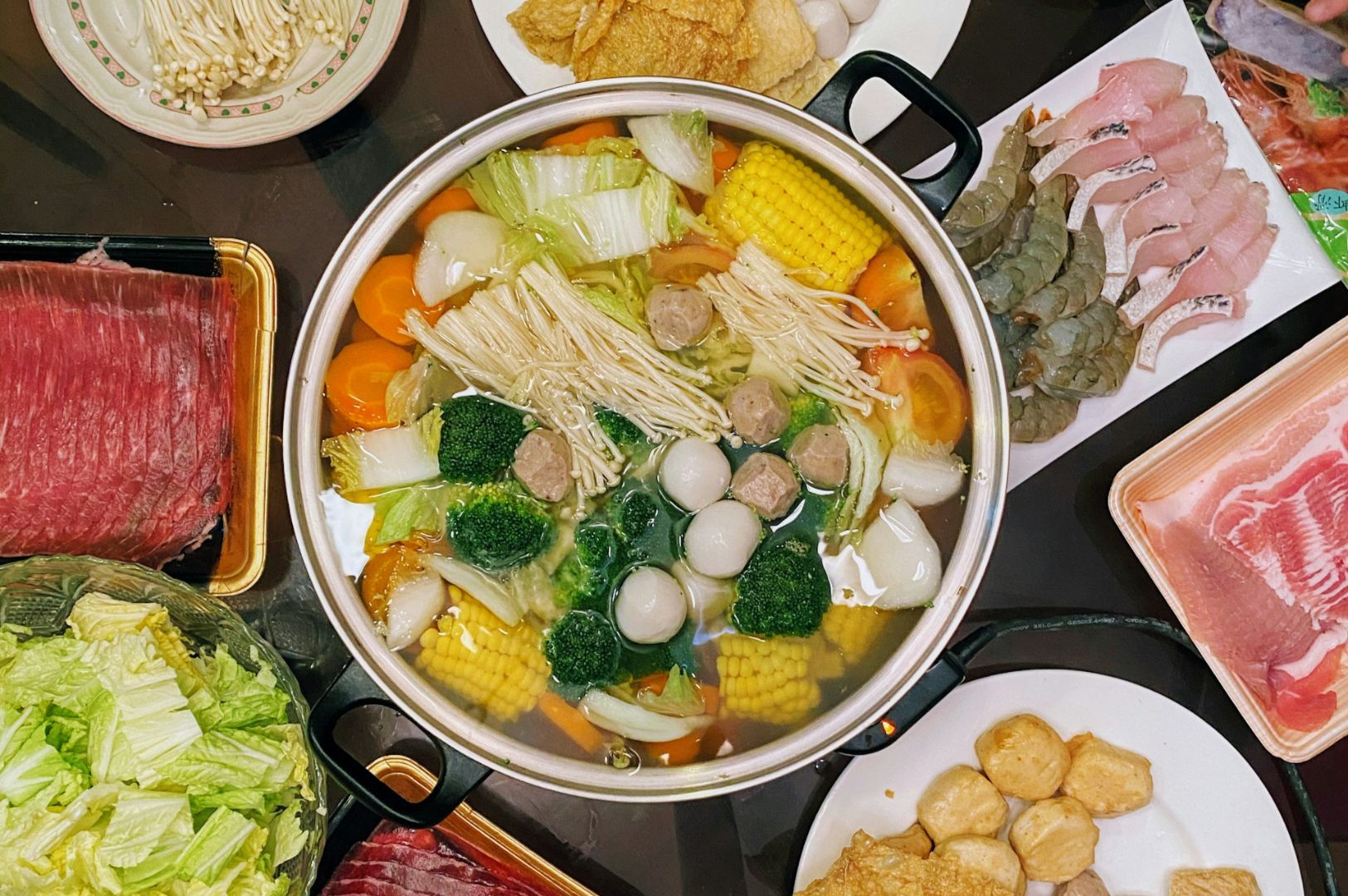
Many of these anonymous restaurants elevate the experience with multi-course tasting menus, offering a curated culinary journey that makes each visit truly unforgettable.
So the next time you hear a vague recommendation, follow it. Walk past the unmarked door. Sit among regulars. Eat quietly. And when you leave, consider whether that place wants to be broadcast—or simply remembered.
For more stories, insights, and respectful explorations of Singapore’s best-kept culinary secrets, visit SGfoodietravels. Because the real joy isn’t just finding these places—it’s understanding why they choose to remain hidden.