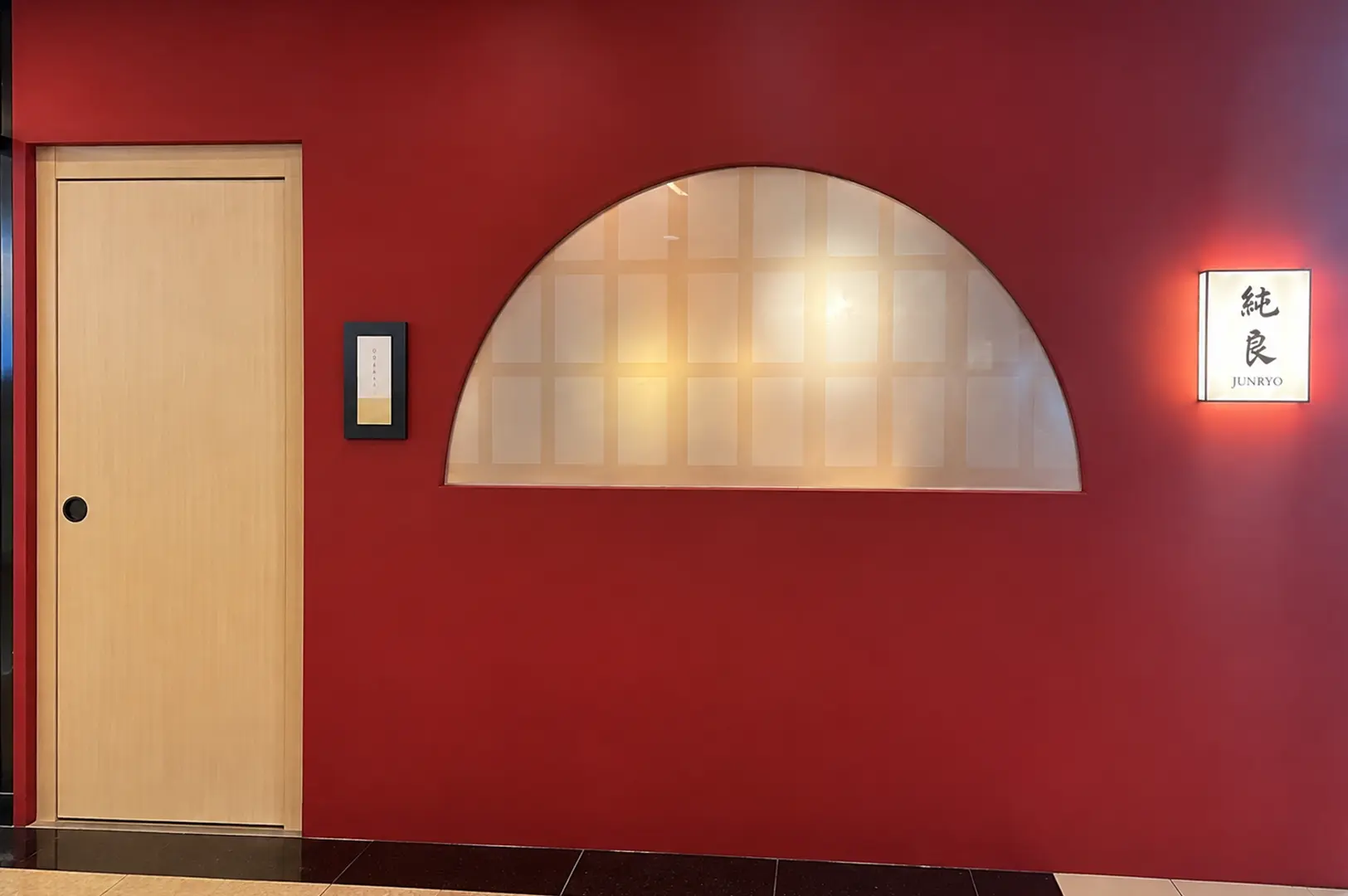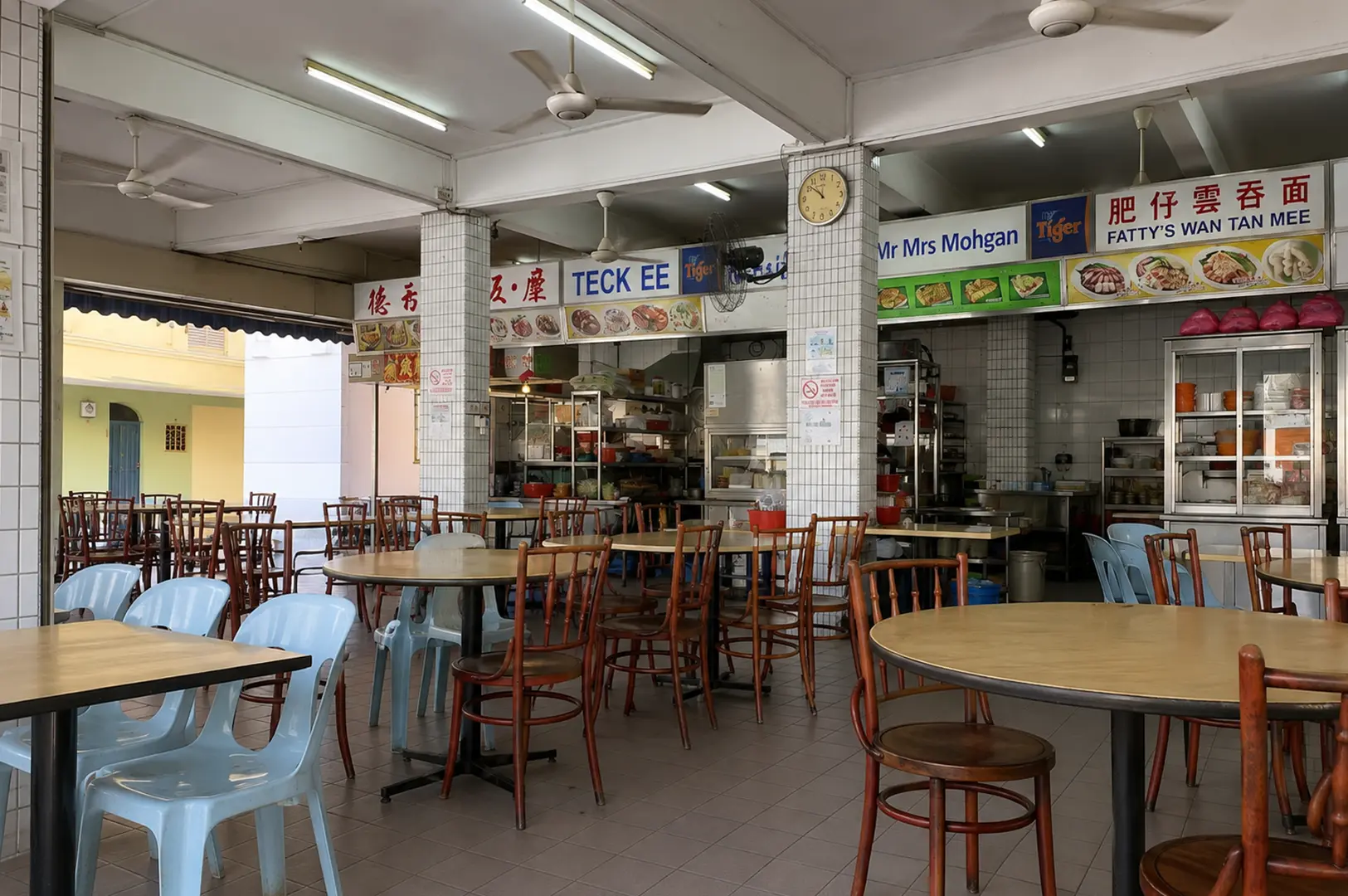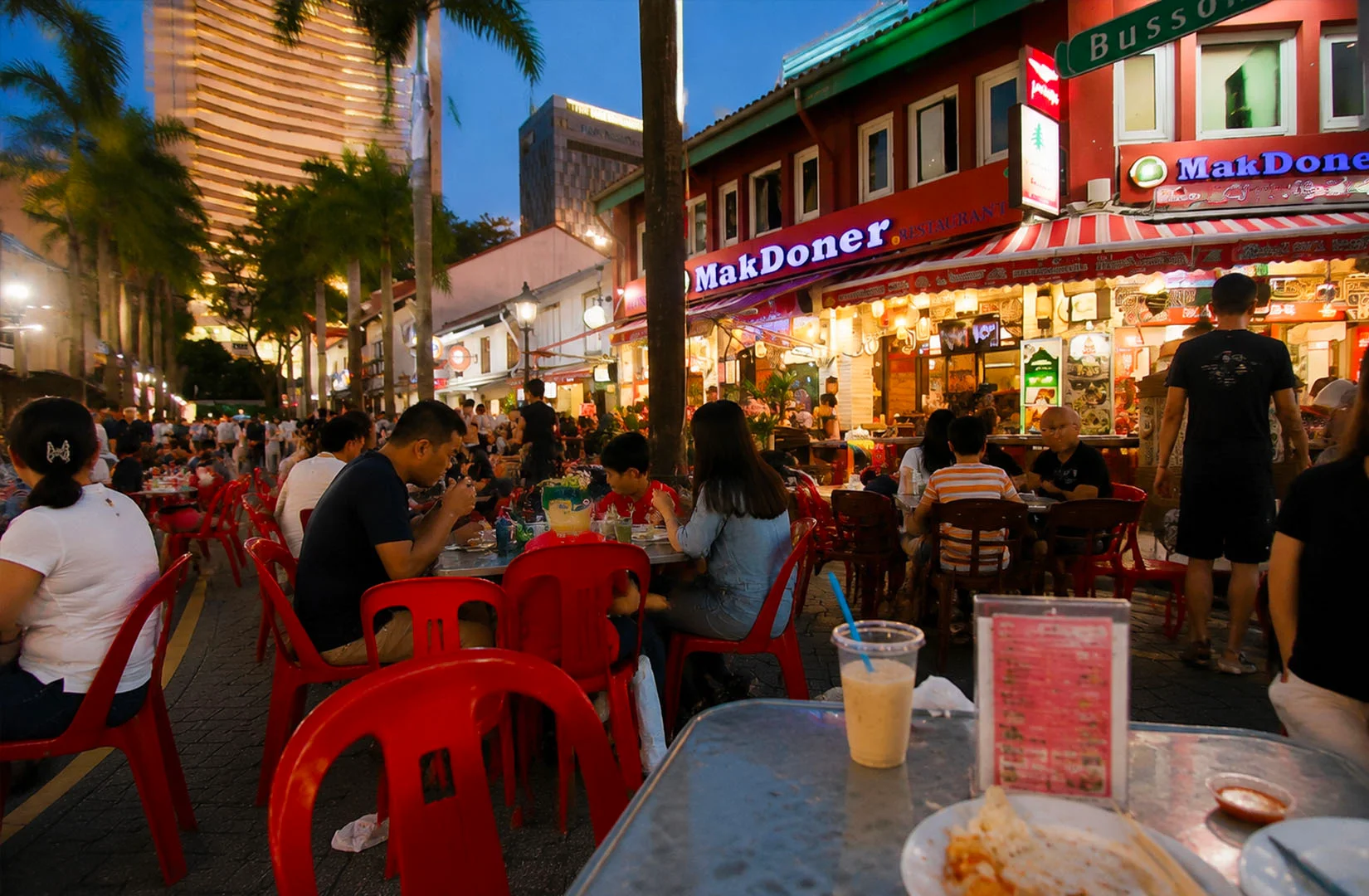
A busy Singapore dining street with restaurants serving cuisines from different countries as groups of diners gather around outdoor tables
One day, it was something people queued for because it felt new and exciting. Then suddenly, it was everywhere. In shopping malls, neighbourhood eateries, late-night supper spots, and delivery apps, usually sitting comfortably beside Japanese ramen, Taiwanese bubble tea, Italian pasta, and local rice dishes.
I barely remember when Korean fried chicken started feeling normal in Singapore.
Singapore seems to absorb foreign food trends (as seen from here https://globaldiningtrends.com/) unusually quickly.
A new dish can arrive from Seoul, Tokyo, Bangkok, New York, or somewhere we have only recently started seeing online, and within months, there is already a version of it near an MRT station. Sometimes there are several.
And honestly, it rarely feels out of place.
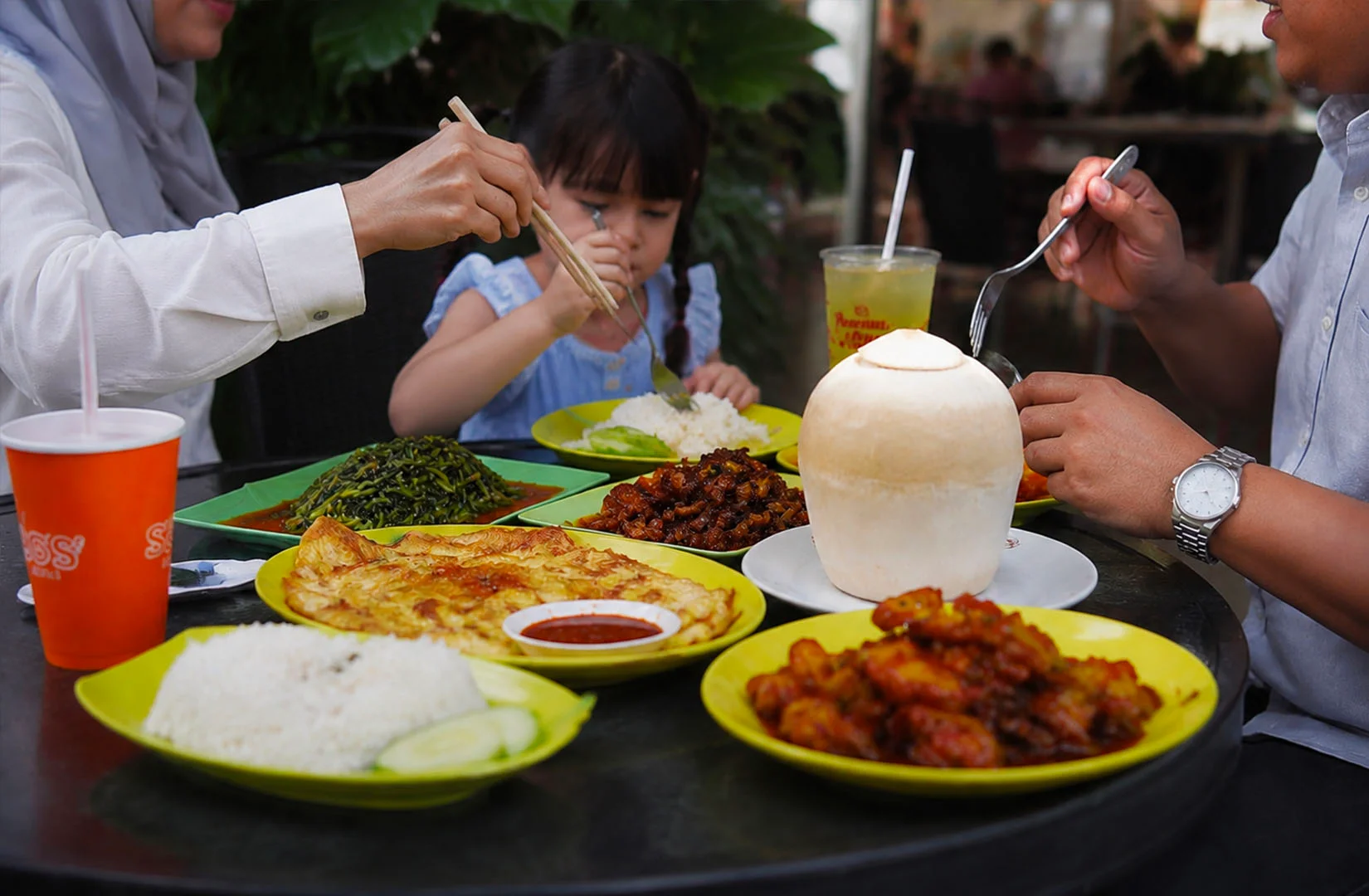
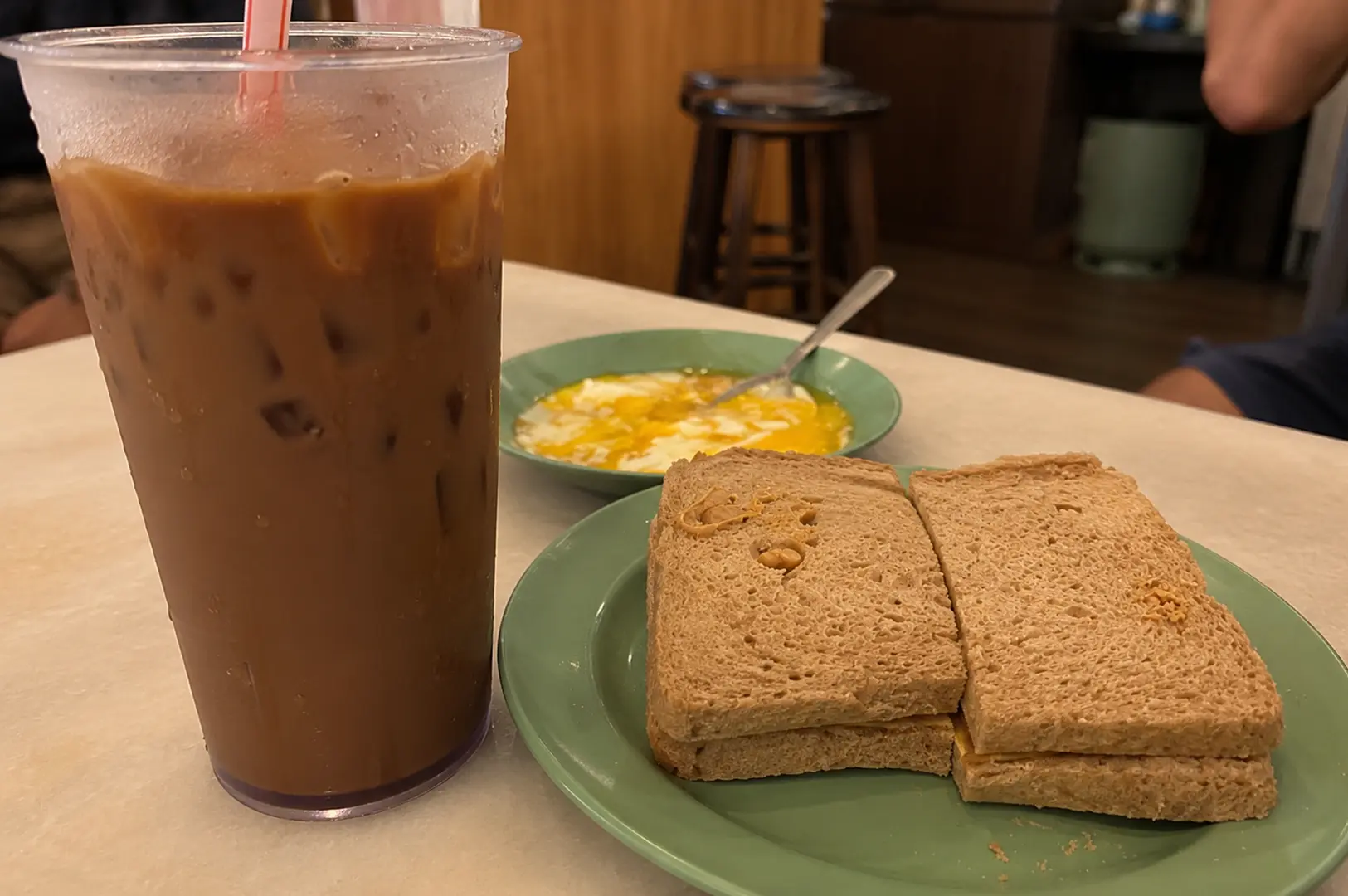
Maybe that is because Singapore has always been shaped by different food cultures. We are used to choosing between cuisines without thinking too much about where one ends and another begins. Breakfast can be kaya toast, lunch can be Japanese curry, and dinner can be mala or tacos without the day feeling especially adventurous.
That openness is one of the things I enjoy most about eating here.
It means we do not always need to travel far to become curious about another country’s food. A small restaurant, a new bakery, or even a temporary pop-up can introduce us to unfamiliar flavours and dining habits. Sometimes one meal is enough to make us want to learn more.
But I also wonder whether we adapt so quickly because we are always waiting for the next thing.
I have seen food trends arrive with long queues, limited menus, and endless social media posts, only to become strangely quiet a year later. The restaurants may still be there, but the excitement has already moved elsewhere.
The dish did not necessarily become worse.
We just stopped treating it as new.
That is the difficult part of Singapore’s appetite for global food trends. We are genuinely curious, but curiosity can be restless. We welcome ideas quickly, yet sometimes we do not give them enough time to become part of our everyday dining culture.
A colourful table filled with Korean, Japanese, Italian, Thai, and Singaporean dishes shared between friends at a casual restaurant
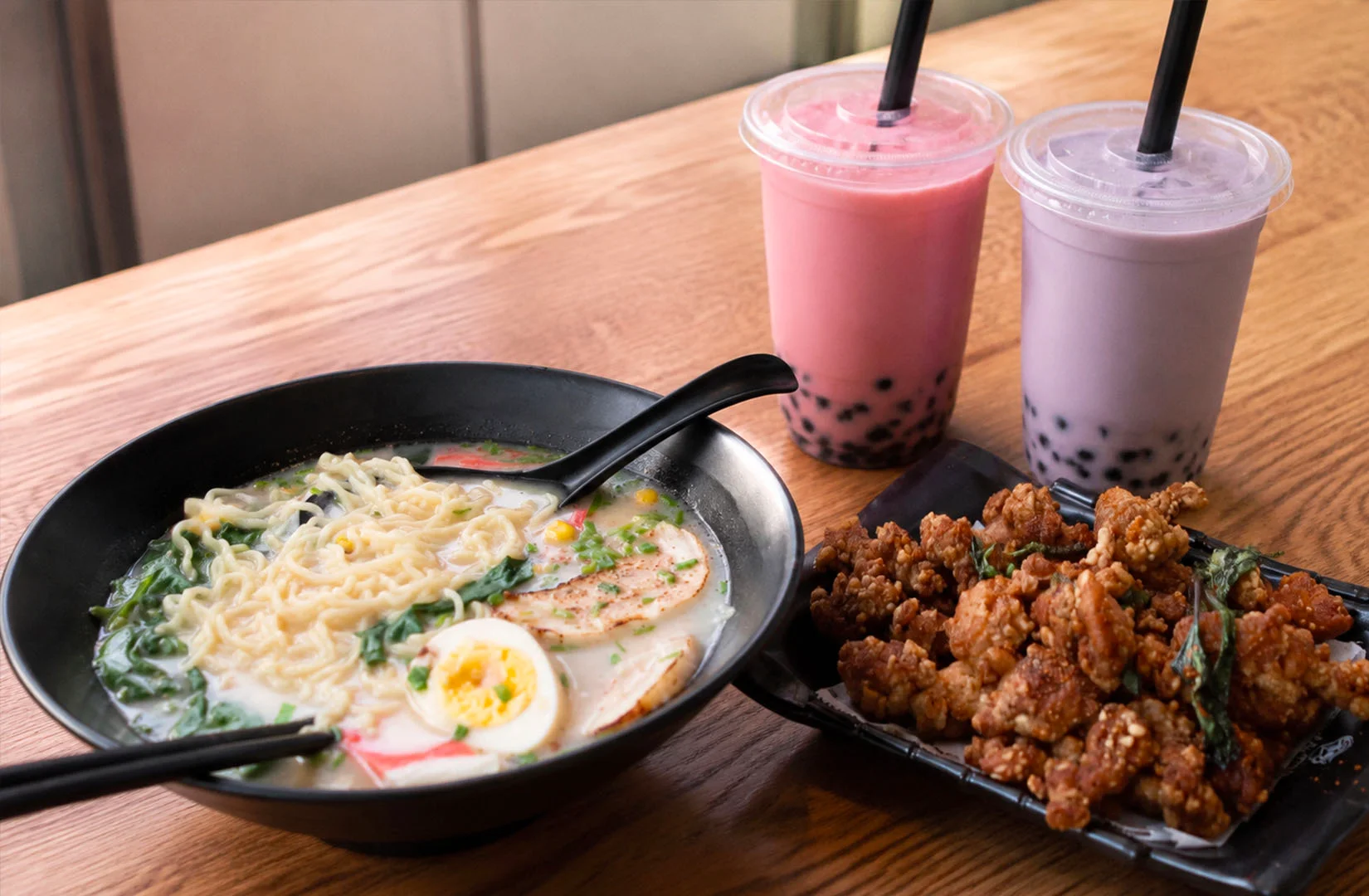
Of course, some trends last because they become more than trends.
Bubble tea did not disappear after its first wave of popularity. Japanese dining is no longer treated as a novelty. Korean food has moved far beyond barbecue and fried chicken. These cuisines stayed because diners formed real habits around them, and local businesses learned how to adapt them without removing everything that made them distinctive.
That adaptation matters.
Singapore restaurants often adjust sweetness, spice levels, portion sizes, ingredients, and formats to suit local diners. Purists may not always approve, but food has rarely travelled without changing. Sometimes the version that lasts is not the most traditional one. It is the one that finds a genuine place in people’s lives.
I do not think our enthusiasm for foreign food is shallow. If anything, it reflects how comfortable Singapore is with cultural exchange.
But perhaps the better test of a trend is not how quickly we queue for it.
It is whether we still want to eat it after everyone stops posting about it.
For more honest food opinions, dining discoveries, and travel stories around Singapore and beyond, click here to visit SG Foodie Travels.