The first time I tasted Hokkaido-style soup curry, I wasn’t looking for it.
I had wandered away from the main streets, the way you sometimes do when a city offers more possibilities than plans. The afternoon had stretched quietly into evening. Shops were beginning to dim their lights, office workers were heading home, and I found myself walking without any particular destination in mind. Eventually, tired feet made the decision for me.
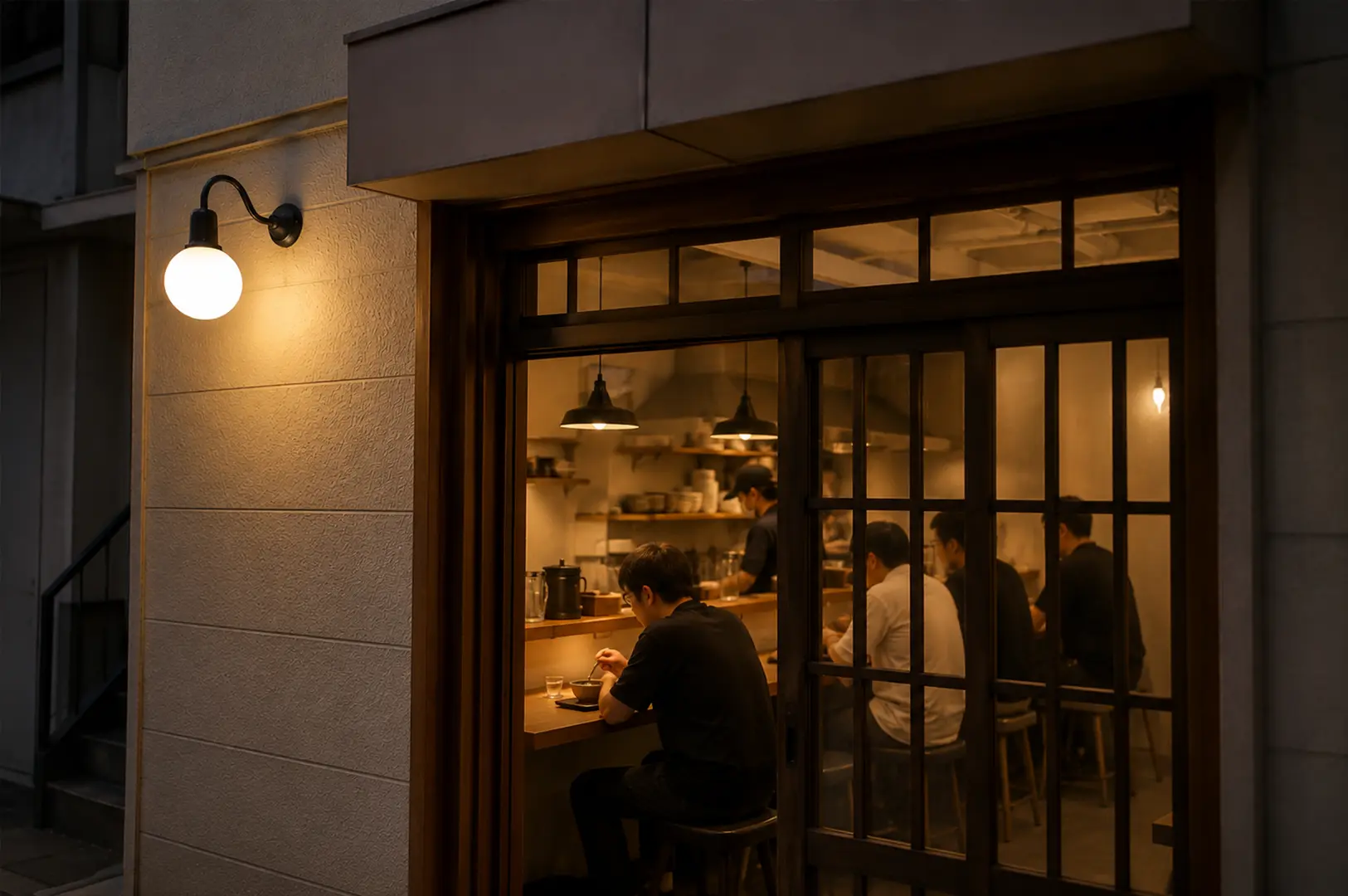
Tucked between larger storefronts was a small restaurant that could have easily been missed. There was no queue outside, no flashy sign promising the best meal in town. Just a simple doorway, a handful of seats, and the warm glow of light spilling onto the pavement. I stepped inside because I needed a place to rest more than a place to eat.
The room was calm.
An old radio played softly in the background. The kitchen worked in near silence. A few diners sat alone, comfortable in their own company. Nobody seemed rushed. Nobody appeared concerned about filling the quiet. The atmosphere felt less like a restaurant and more like a temporary refuge from the outside world.
Then the food arrived.
What surprised me most was that it did not resemble the curry I knew. There was no thick sauce coating rice, no heaviness, no richness demanding immediate attention. Instead, before me sat a bowl of deeply aromatic broth, fragrant with spices but remarkably clear.
Inside were whole vegetables that looked as though they had been given space to remain themselves. A carrot still held its shape. A wedge of pumpkin softened gently along the edges. Bright broccoli added colour to the dark broth. A piece of chicken rested beneath the surface, tender enough to fall apart with the lightest touch of a spoon.
Nothing felt hidden. Everything had purpose.
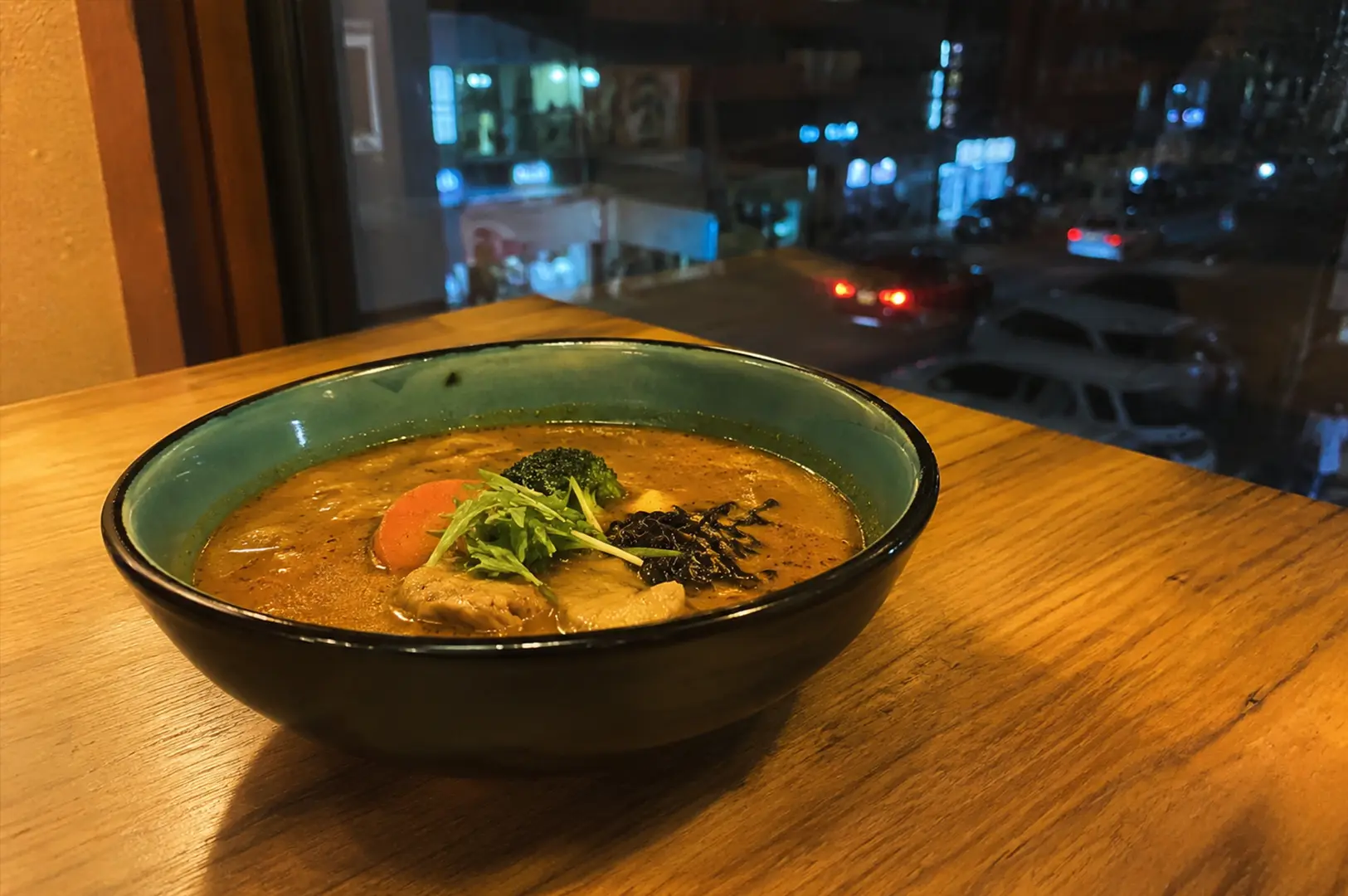
Later, I learned that this approach is part of what makes soup curry from Hokkaido so distinctive. Originating in Japan’s northern region, the dish evolved as a way to provide warmth during long, cold winters. Unlike conventional curry, the broth remains light enough to sip while carrying layers of spice that gradually unfold with each spoonful.
Rice is served separately, allowing diners to enjoy the meal at their own pace. You spoon the broth over the rice little by little. You slow down. You pay attention.
That feeling stayed with me long after the meal ended.
What I remember most is not simply the flavour. It is the atmosphere surrounding it. The quiet room. The gentle rhythm of the kitchen. The absence of pressure to hurry. The simple comfort of sitting alone without feeling out of place.
Food has a remarkable relationship with memory. Sometimes it is not the most expensive meal or the most famous restaurant that remains with us. Sometimes it is a single bowl eaten at exactly the right moment.
Even now, on rainy evenings when the sky turns grey and the day feels heavier than it should, I find myself thinking about that experience. I remember the steam rising from the broth, the fragrance of spice lingering in the air, and the warmth that spread slowly through my chest.
Some dishes are memorable because of how they taste. Others stay with us because of how they make us feel. Hokkaido soup curry somehow manages to do both.