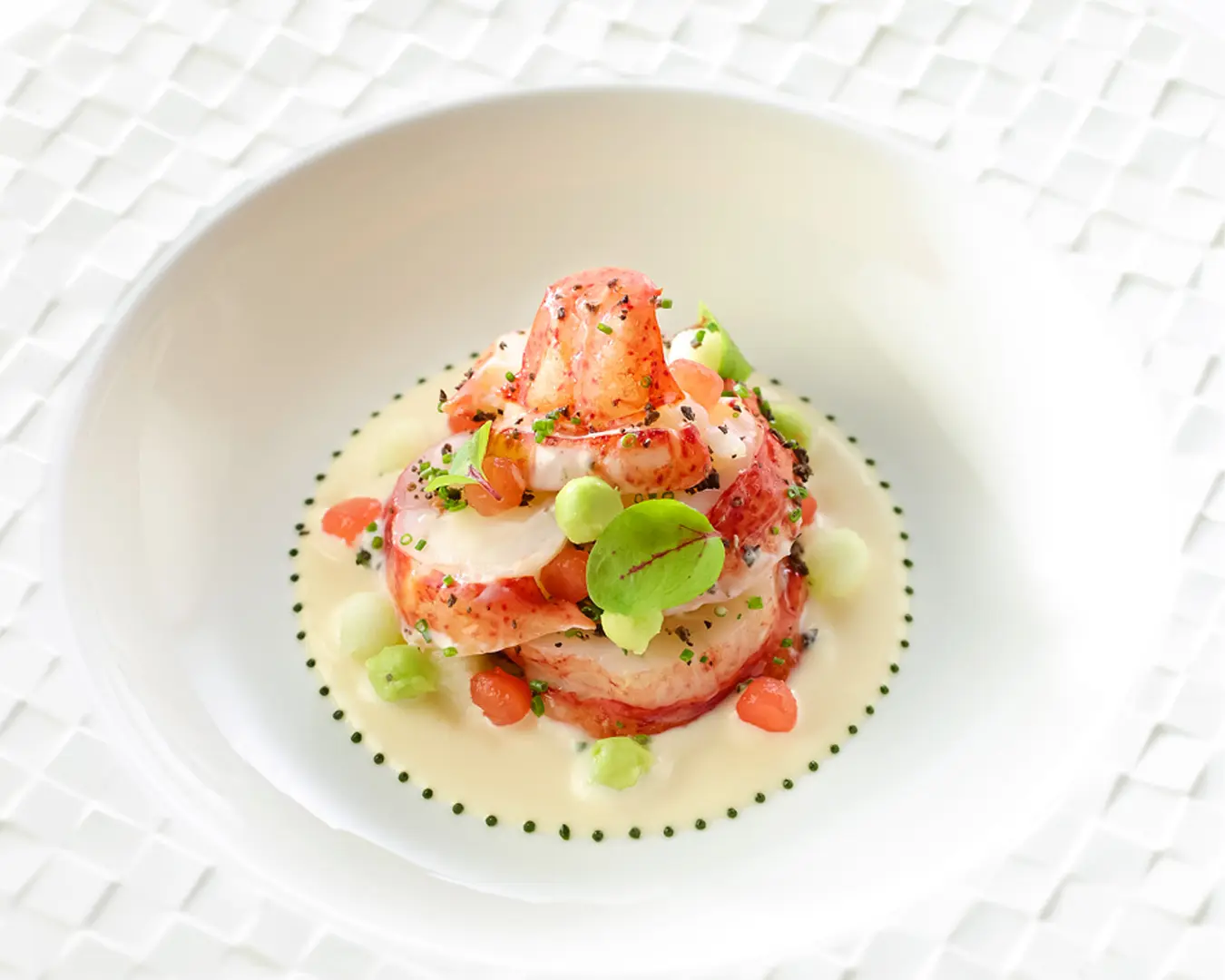
Picture this: you are standing on a humid street corner, debating your next meal. In one hand, you hold a crumpled $5 note; exactly enough for a steaming plate of Hainanese chicken rice from a legendary hawker stall. In the other, you have a confirmation for a $120 reservation at a renowned dining room across town. This is a common dilemma for anyone exploring the city. When is it actually worth splurging on a restaurant in Singapore, especially in a place famous for having some of the most affordable, high-quality food in the world?
The culinary landscape here is entirely unique as seen in Singapore Best Restaurants. Budget food in Singapore does not mean compromising on flavor, heritage, or skill. Often, the humblest stalls serve dishes that rival fine dining in complexity and taste, believe me. So, when does it make sense to part with your hard-earned money for a premium meal? The truth is, I think splurging is worthwhile, but only under certain circumstances. Let’s explore how to navigate this delicious, complex food scene.
Why Budget Food in Singapore Sets the Bar So High
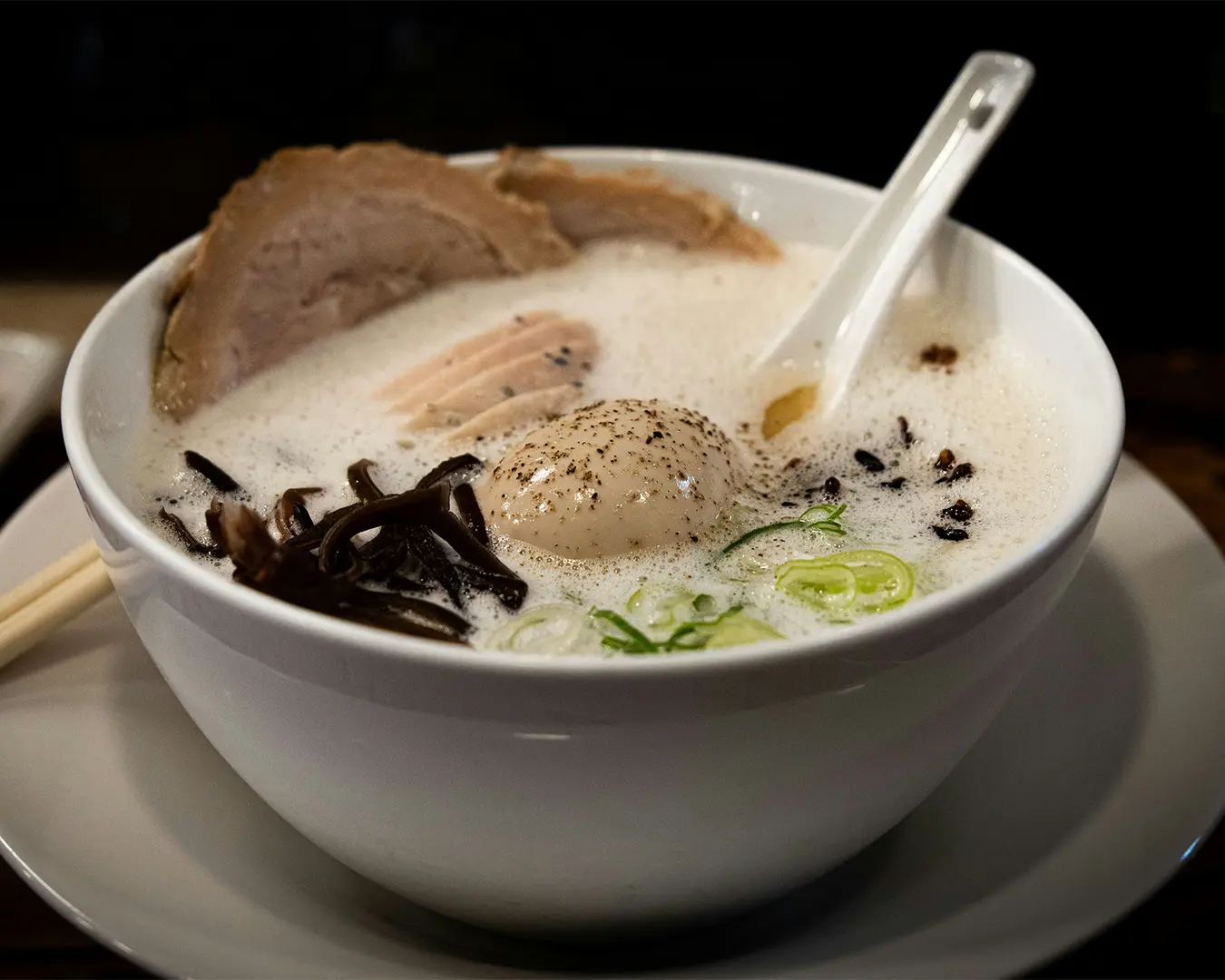
To understand why spending more requires a good reason, you must first understand the baseline. Singapore’s hawker culture sets an impossibly high standard. Decades of generational knowledge go into perfecting single dishes. You can easily spend a single day wandering through food centers and eating like royalty for pocket change.
In my opinion (humbly), consider the depth of flavor in a $4 bowl of noodle soup. The broth often simmers overnight, extracting every ounce of essence from pork bones and spices.
Here are just a few examples of why the affordable food here is extraordinary:
Chicken Rice: Fragrant rice cooked in chicken fat, served with tender poached chicken, a fiery chili sauce, and a side of dark soy sauce.
Nasi Lemak: A hearty plate of coconut milk-infused rice, paired with a fried egg, crispy anchovies, peanuts, and a sweet, spicy sambal.
Indian Food: Rich, complex curries paired with freshly stretched prata or warm naan.
Silky Noodles and Flat Noodles: Stir-fried over a roaring fire to achieve a smoky wok hei flavor, often mixed with fish cakes, egg, and fresh veggies.
For breakfast, a simple spread of kaya toast and strong local coffee offers unmatched comfort. For lunch, a tangy bowl of laksa hits the spot. Even a great midday snack (like a skewer of grilled meat or some fried tofu) delivers immense satisfaction. When you eat dishes this delicious for so little, the bar for any expensive meal is set incredibly high. I honestly believe that it’ll be more than what you bargained for.
When a Restaurant in Singapore Is Worth the Money
Despite the brilliance of hawker centers, there are moments when sitting at a proper table in a restaurant elevates the experience. Splurging makes sense when a meal offers something a food court simply cannot provide.
Special Occasions and Celebrations
When you want to celebrate, ambiance matters. Hawker centers are hot, noisy, and wonderfully chaotic. But if you want to linger over your drinks, engage in deep conversation, and have every course carefully served to you, a restaurant is the right choice. The comfort of air conditioning, attentive service, and a beautiful dining room create an atmosphere where memories are made.
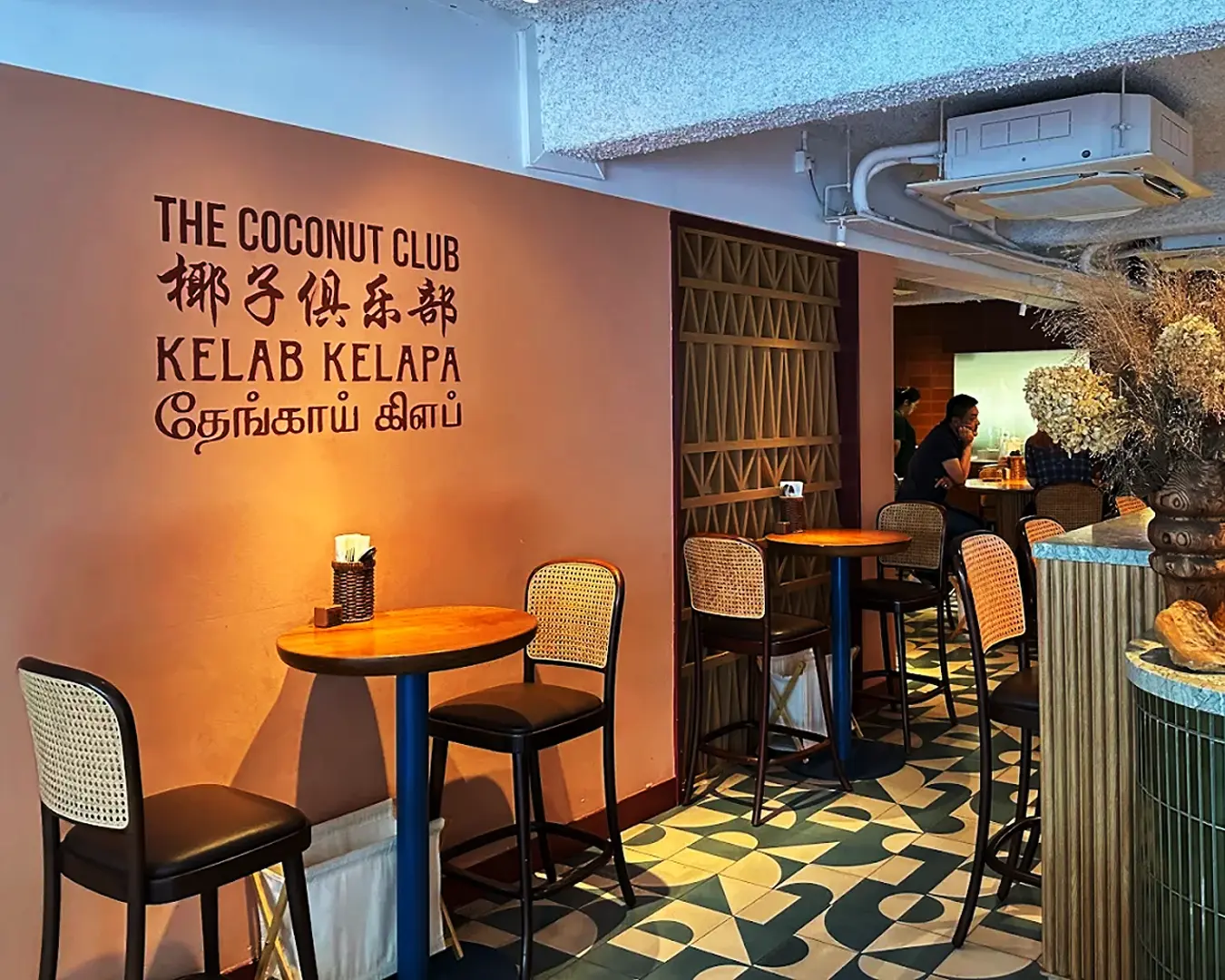
Experiencing Iconic Food Like Coconut Club’s Nasi Lemak
Sometimes, restaurants take humble local dishes and elevate them using premium ingredients and meticulous technique. A perfect example is the famous Coconut Club. They take a beloved street food, nasi lemak, and transform it. Their version features organic chicken, specially sourced coconut milk, and a highly refined sambal. You pay a premium, but you taste the dedication to elevating a classic. It bridges the gap between everyday comfort and culinary excellence.
When Culinary Craft Makes the Difference
Certain cuisines and techniques require the infrastructure of a professional kitchen. When you want delicate, fresh seafood prepared by a master sushi chef, or tender beef dry-aged and cooked over a custom wood grill, you need a restaurant. The same applies to elaborate French sauces or complex tasting menus. A restaurant provides the canvas for chefs to push boundaries with rich, intricate flavors that demand time, space, and a brigade of staff.
When Atmosphere Becomes Part of the Meal
Dining is not just about what is on the plate. It is about how the space makes you feel. An elegant dining room overlooking the city skyline, or a cozy, intimately lit bistro hidden in a heritage shophouse, adds a layer of magic to the evening. You are paying for the environment, the curation of music, and the seamless flow of the evening.
Comparing Hawker Meals and Restaurant Dining
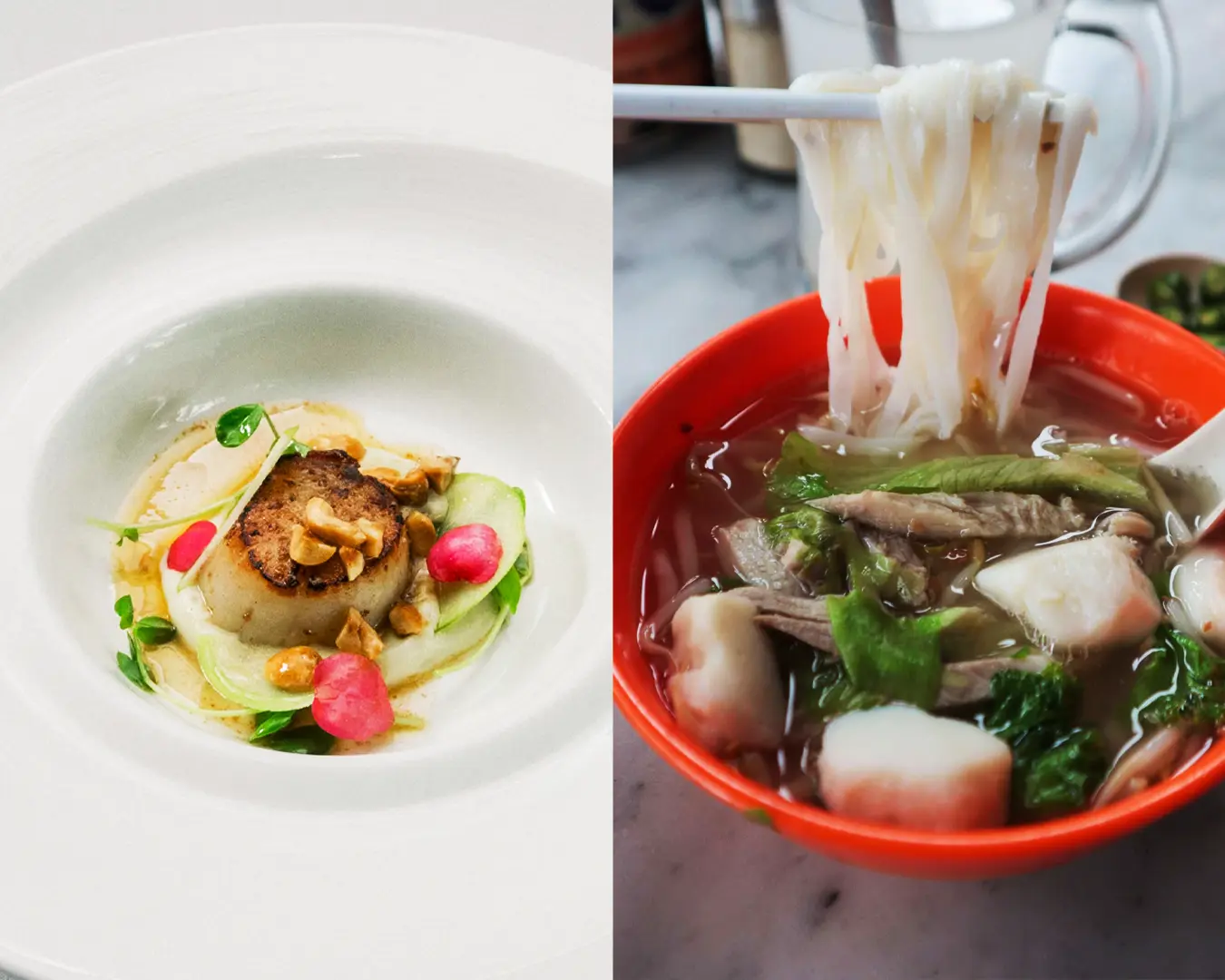
To decide where to spend your money, it helps to look at exactly what you get for your dollar. Sometimes, the realization that a simple bowl of noodles or chicken rice tastes just as delicious as a luxury meal is incredibly freeing.
The Hawker Experience ($3 – $10):
Focus: Pure, unadulterated flavor and tradition.
Atmosphere: Bustling, communal, and hot.
The Food: Generous portions of comforting staples like spicy curries, stir-fried flat noodles, or a bowl of hearty soup. You might get a side of crispy chicken with cucumber, or a mix of fresh herbs and tofu.
Pacing: Fast. You eat when you are hungry, finish quickly, and give up your seat.
The Restaurant Experience ($50 – $300+):
Focus: Complete sensory experience, from service to plating.
Atmosphere: Controlled, comfortable, and aesthetically pleasing.
The Food: Premium ingredients like sweet and juicy crab, tender imported meat, or intricate side dishes flavored with garlic and rare spices.
Pacing: Leisurely. You are encouraged to relax, order tea or wine, and enjoy the progression of the meal.
What Makes a Restaurant Experience Truly Worth It
If you have decided to splurge, how do you ensure the money is well spent? A truly worthwhile restaurant experience in this country comes down to a few key pillars.
First, the ingredients must be impeccable. If a restaurant is charging a premium for fish, it should be the freshest catch available. If they serve vegetables, the carrots and greens should be vibrant and expertly prepared. Second, the technique should be flawless. A garlic-rich sauce should be balanced; a grill should impart the perfect char.
Service is equally crucial. A great restaurant anticipates your needs without being intrusive. They guide you through the menu, explain the origins of the dishes, and make you feel entirely taken care of.
Finding the Balance Between Affordable Food and Fine Dining
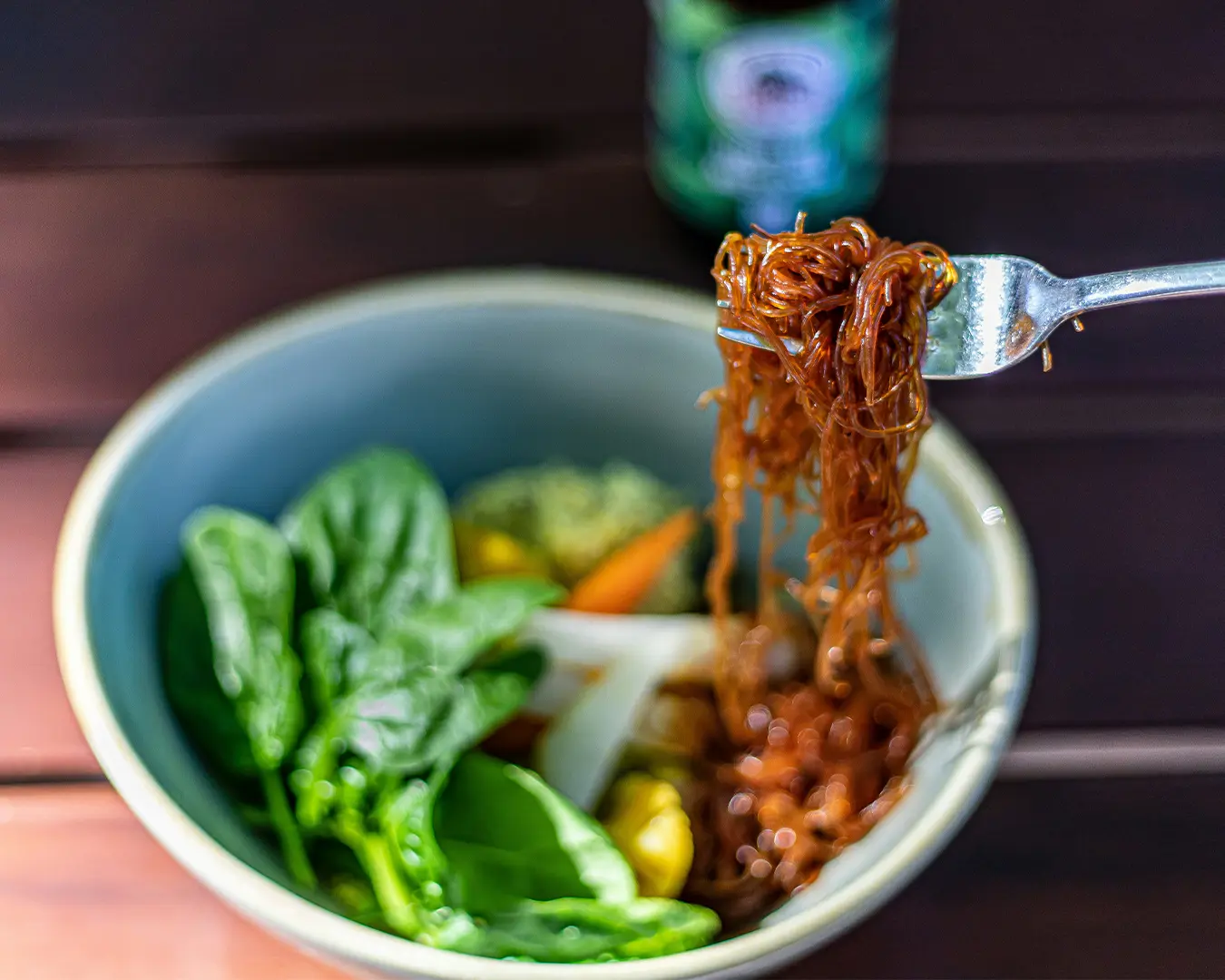
The best way to experience this city is to embrace both ends of the culinary spectrum. You do not have to choose one over the other. Locals navigate this beautifully. They know when to save their dollars at the neighborhood market and when to book a table for a special dinner.
If you are planning a trip here, consider a balanced approach. Dedicate half of all the meals to exploring the hawker centers. Hunt down the best fish cakes, savor tangy noodle soups, and drink rich local coffee.
Then, use the money you save to fund one or two spectacular restaurant experiences. Perhaps on your last day, after walking around areas like Suntec City, you book a table at a spot known for its world-class cuisines. This contrast is what makes eating here so exciting. You appreciate the refined elegance of a premium dining room precisely because you understand the soulful, affordable roots of the local food scene.
Understanding the Essence of Good Food
In the end, good food is good food, regardless of the price tag. A $5 meal can move you to tears, and a $200 dinner can leave you speechless.
By understanding the range of options available, you can make informed choices about where to spend your budget. You can expect to find delicious, memorable food at every price point. Whether you are craving a bowl of hot noodles in a bustling market or a carefully plated course of fresh seafood in a quiet dining room, you will find exactly what you are looking for.
The Joy of Culinary Discovery
Singapore rewards the curious eater. The joy lies in the discovery, in tasting a deeply spiced Indian food dish one day and a delicate, modern European plate the next. It is about recognizing the immense skill required to craft both a perfect plate of chicken rice and a Michelin-starred tasting menu.
So, venture out. Follow your nose, trust your palate, and do not be afraid to mix high and low.