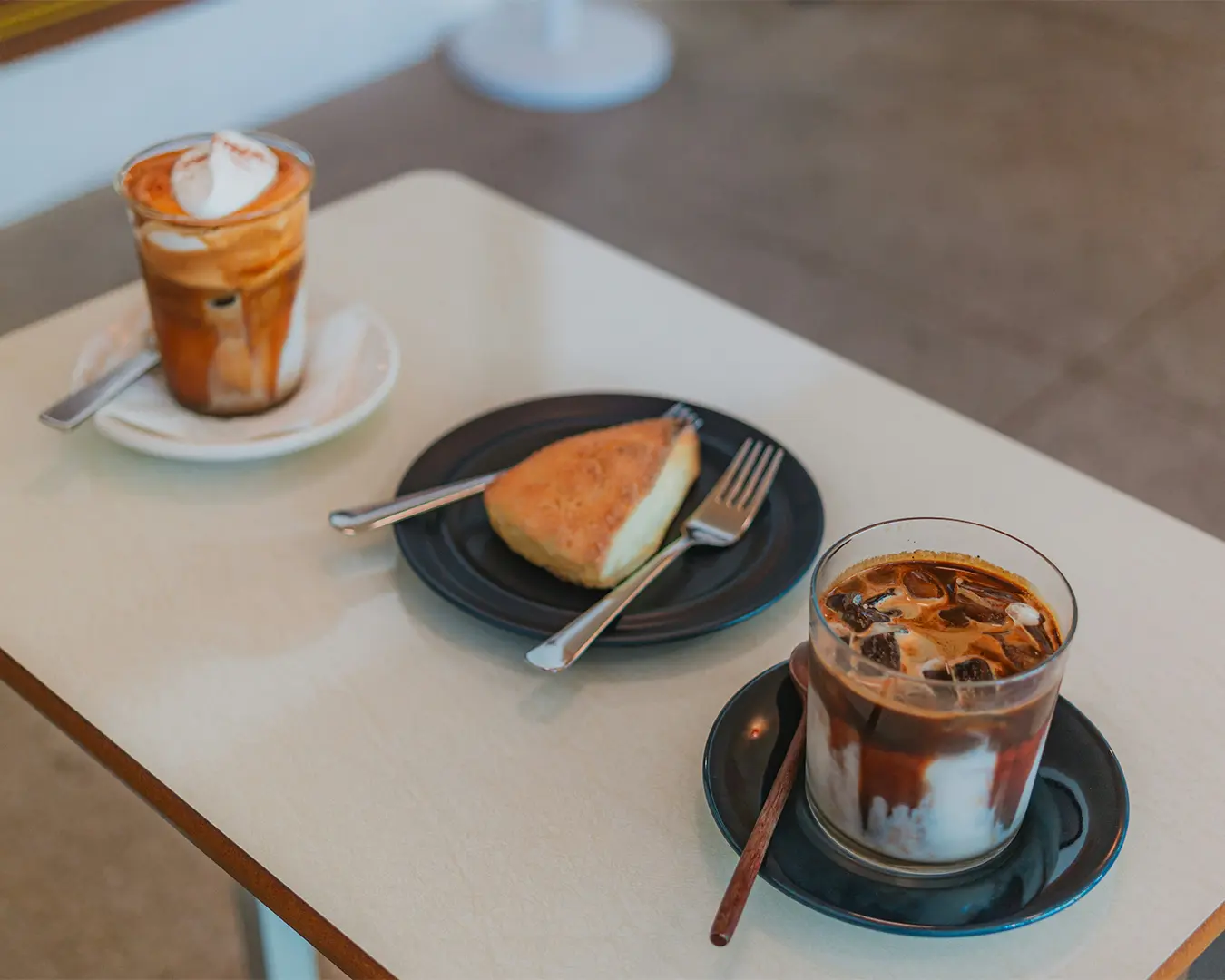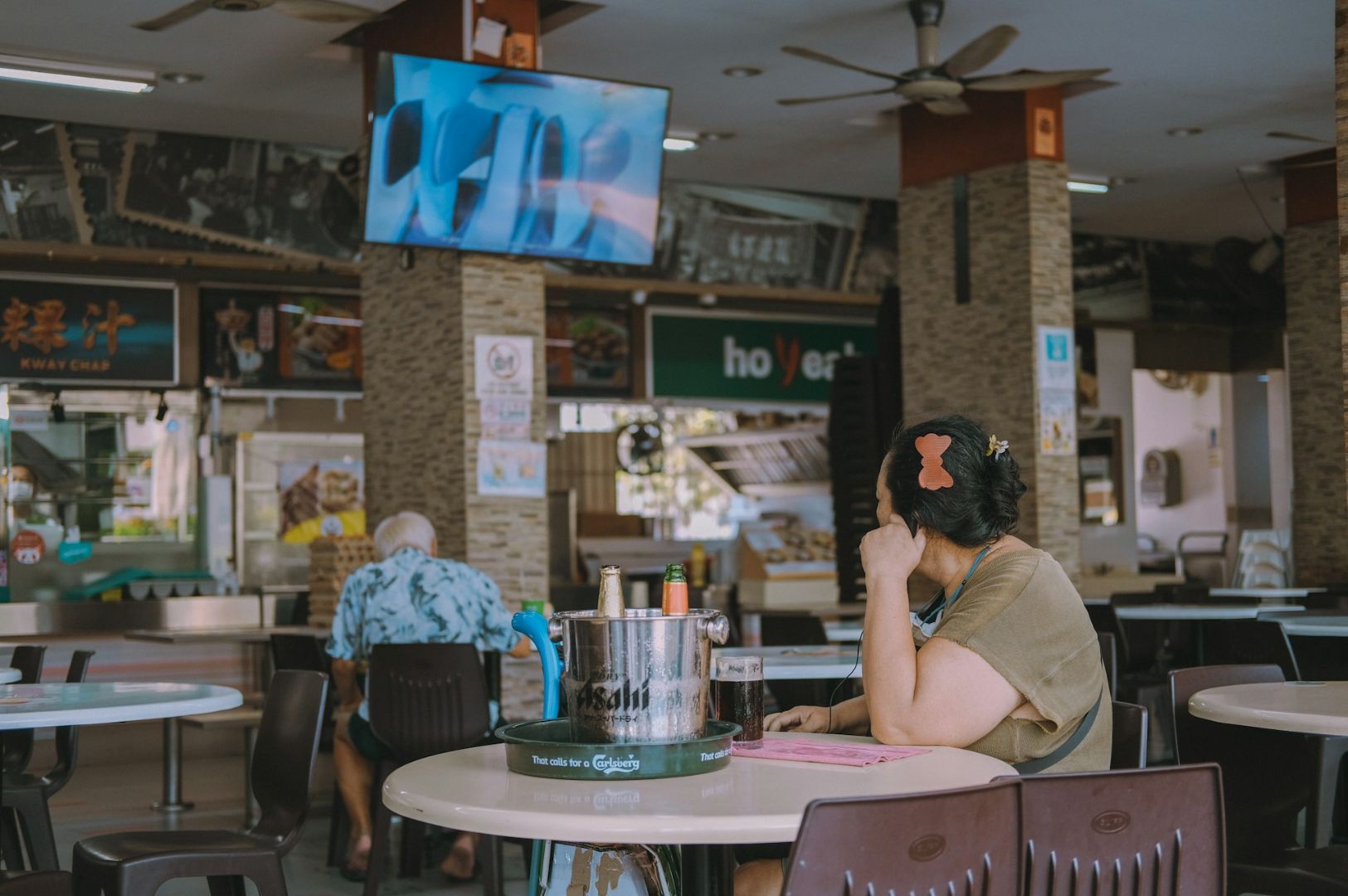
It’s mid-afternoon in Singapore—too late for lunch, too early for dinner. The hawker centre is quiet, almost eerily so. Fluorescent lights hum. Most shutters are half-closed. A single hawker stall is still open, run by an older hawker wiping down his counter slowly, unhurried. No queue. No crowd. No urgency.
You order anyway.
Moments like this invite a different way of thinking about Singaporean food. In Singapore, where queues and wait time are often treated as proof of quality, dining where no one else goes feels almost transgressive. Yet again and again, it is in empty kopitiams, overlooked coffee shops, and quiet corners that some of the most meaningful meals reveal themselves.
This is the philosophy of dining where no one else goes: not contrarianism for its own sake, but a deliberate rejection of noise in favour of attention, curiosity, and trust in one’s own palate.
Why Empty Tables Don’t Mean Bad Food at Hawker Centres or Food Centres
In Singapore’s dining culture, emptiness is often read as failure. A quiet restaurant or food centre triggers suspicion. A stall without a queue feels risky. But emptiness is a blunt signal—one that ignores context. None of these factors correlate directly with food quality. In fact, diners may miss exceptional food experiences at underrated restaurants in Singapore if they rely only on visible crowds or queues.
Common reasons great food can exist in empty spaces:
- Wrong timing (off-peak hours, public holidays)
- Poor visibility (tucked-away locations like certain corners in Jalan Besar or Holland Village)
- No online presence or marketing
- Neighbourhood-focused clientele
- Demographic mismatch (not trendy, not “Instagrammable”)
None of these factors correlate directly with food quality.
A hawker stall can be empty at 3pm and overwhelmed at noon, serving identical dishes with identical care. The food doesn’t change—only the crowd does.
The Tyranny of Queues: When Popularity Obscures Quality at Best Hawker Stalls
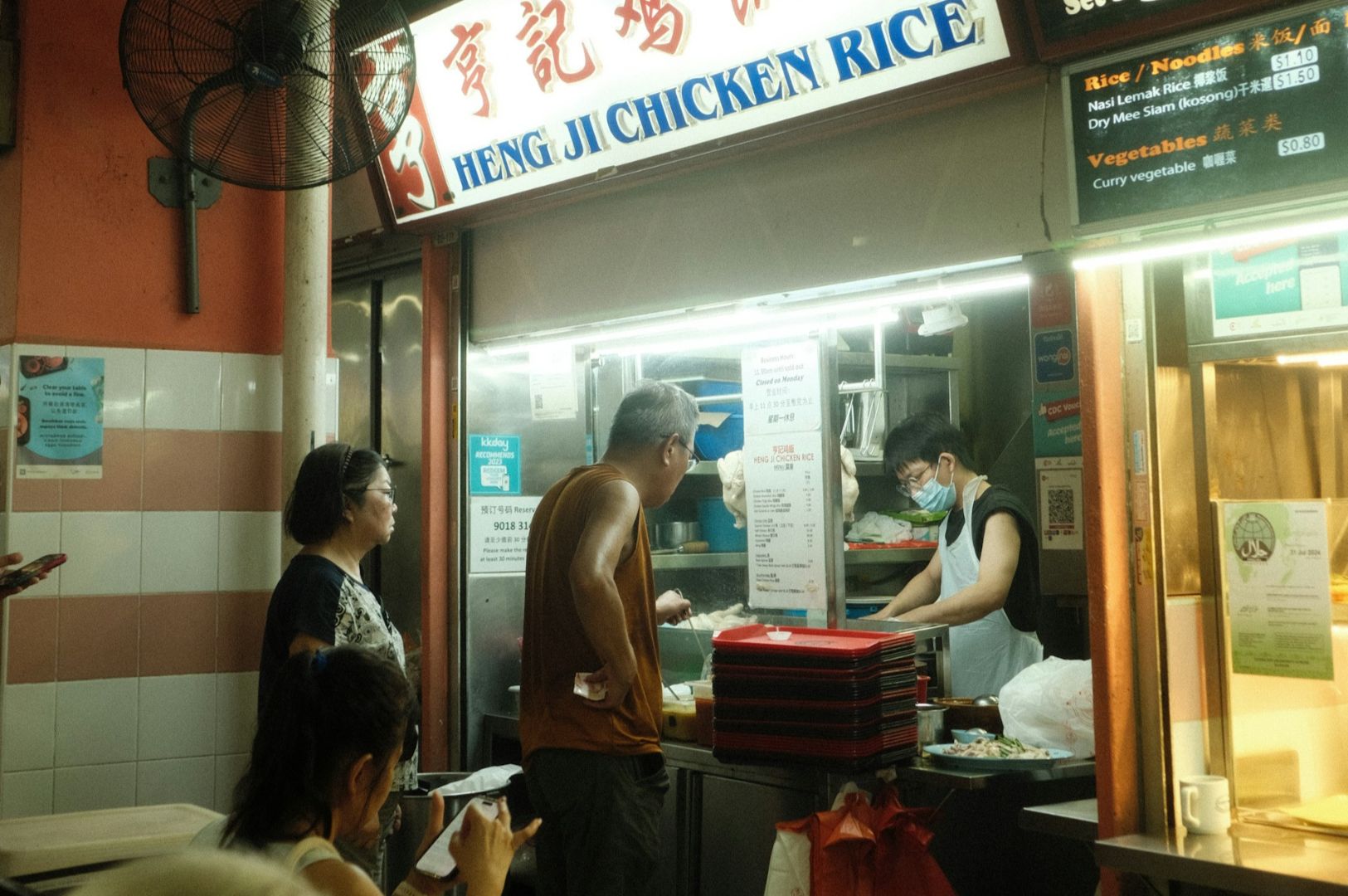
Queues have become shorthand for excellence in Singapore. We photograph them. We post them. We trust them.
But popularity is not the same as quality—it’s often the result of:
- Algorithmic amplification
- Influencer attention
- Media coverage
- Tour group routing
Once a place becomes known for its queue, the queue sustains itself. People line up because others already are. The food becomes secondary to participation.
This creates a distortion where:
- Good but quiet places struggle
- Mediocre but visible places thrive
- Diners outsource judgment to crowds
The philosophy of dining where no one else goes is, at its core, a refusal to let popularity decide taste. Some of the best course meals or signature dishes can be found at these hidden gems, not just at the popular spots.
Timing as Discovery: The Off-Peak Dining Philosophy in Hawker Stalls and Food Centres
One of the simplest ways to rediscover food is to change when you eat, not where.
Off-peak dining in Singapore reveals:
- Calmer kitchens
- More attentive service
- Better conversation with hawkers and chefs — Off-peak hours give you the chance to chat with the chef, learn about their culinary background, and appreciate the expertise and passion they bring to each dish.
- Food cooked without pressure
Lunch at 11am or 2pm. Dinner at 5:30pm or after 8:30pm. Hawker centres, in particular, transform completely outside peak hours.
This is where off-peak dining Singapore becomes a philosophy, not just a strategy. You see the place as it truly is—without performance, without urgency.
Food Centre Options: Understanding the Variety of Singapore’s Dining Spaces
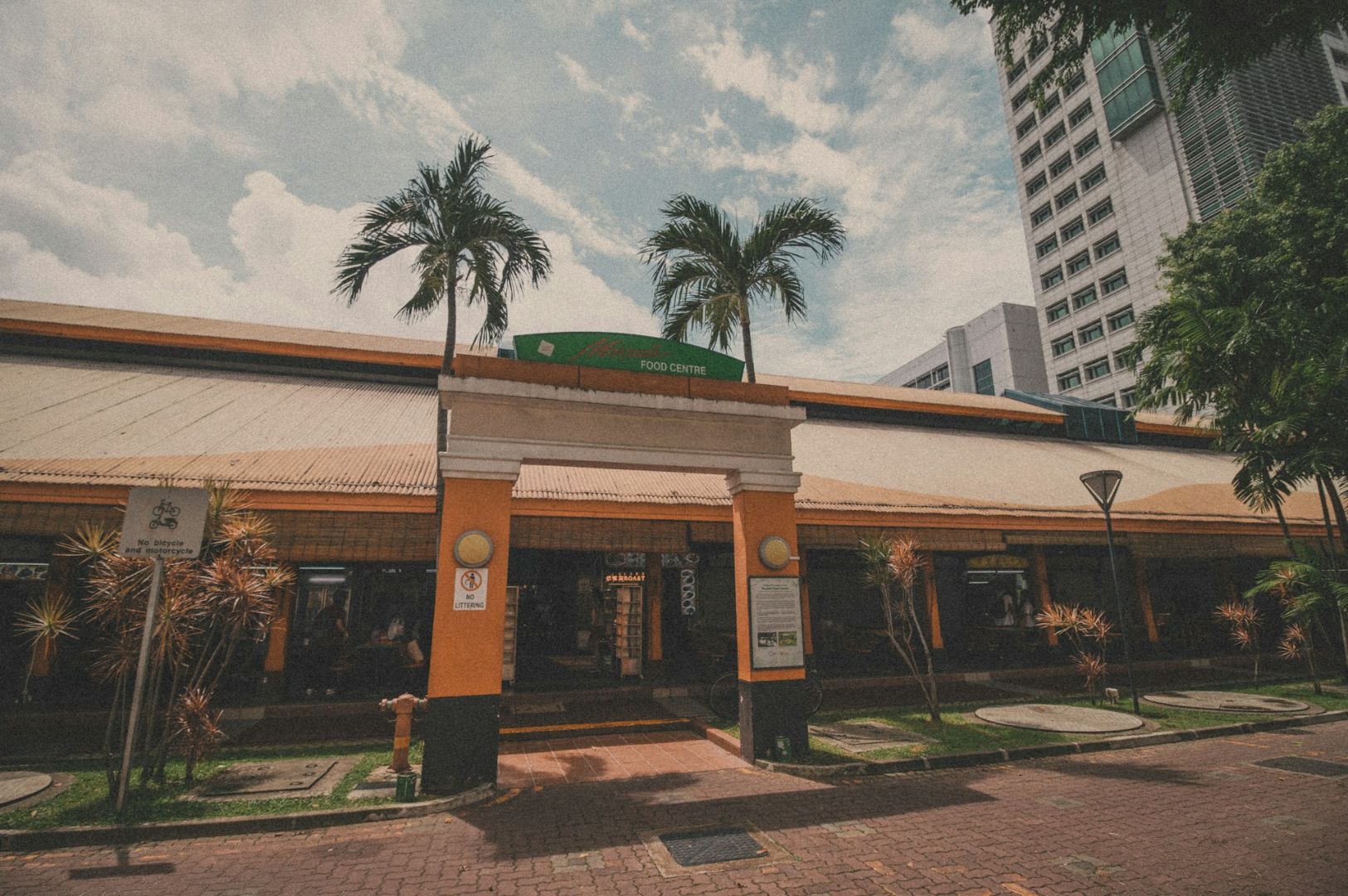
At the legendary Maxwell Food Centre, the air is thick with the aroma of fragrant rice and sizzling soy sauce. Here, hawker stalls serve up everything from silky soft boiled eggs for breakfast to crispy oyster omelette and steaming bowls of bak chor mee. Each dish is a testament to the skill and dedication of the chefs who have perfected their recipes over years, sometimes decades. Whether you’re craving the comforting simplicity of chicken rice or the bold, smoky notes of char kway teow, Maxwell is a microcosm of Singapore’s culinary world.
But the story doesn’t end at Maxwell. Across the island, every food centre has its own personality. In Holland Village, you’ll find a blend of trendy restaurants and classic hawker fare, where locals gather for a late-night snack or a leisurely meal with friends. Little India’s food centres are a riot of colour and spice, offering everything from nasi lemak to rich curries and delicate dim sum, reflecting the neighbourhood’s multicultural roots.
So the next time you’re searching for good food in Singapore, look beyond the obvious. Wander into a bustling hawker centre, let your senses guide you, and don’t be afraid to sit at an empty table. You might just find your next favourite dish—and a deeper appreciation for the community and creativity that make Singapore’s food scene one of the best in the world.
Neighborhood Secrets: Dining Where Many Locals Actually Go for Comfort Food
Tourist zones and trending districts dominate online food discourse. But Singapore’s most honest meals often live deeper in residential estates.
In these neighbourhoods:
- Food exists to feed, not impress
- Regulars are recognised
- Recipes remain unchanged for decades
Many locals don’t queue the way visitors do. They arrive at habitual times. They know when to come. Their loyalty is quiet, not performative. These neighborhood eateries are often a great spot for discovering authentic comfort food.
Eating where locals eat—and when they eat—is often the clearest path to authentic Singaporean food like fragrant rice with chicken rice or crispy oyster omelette.
The Intimacy of Uncrowded Hawker Centres and Food Centres
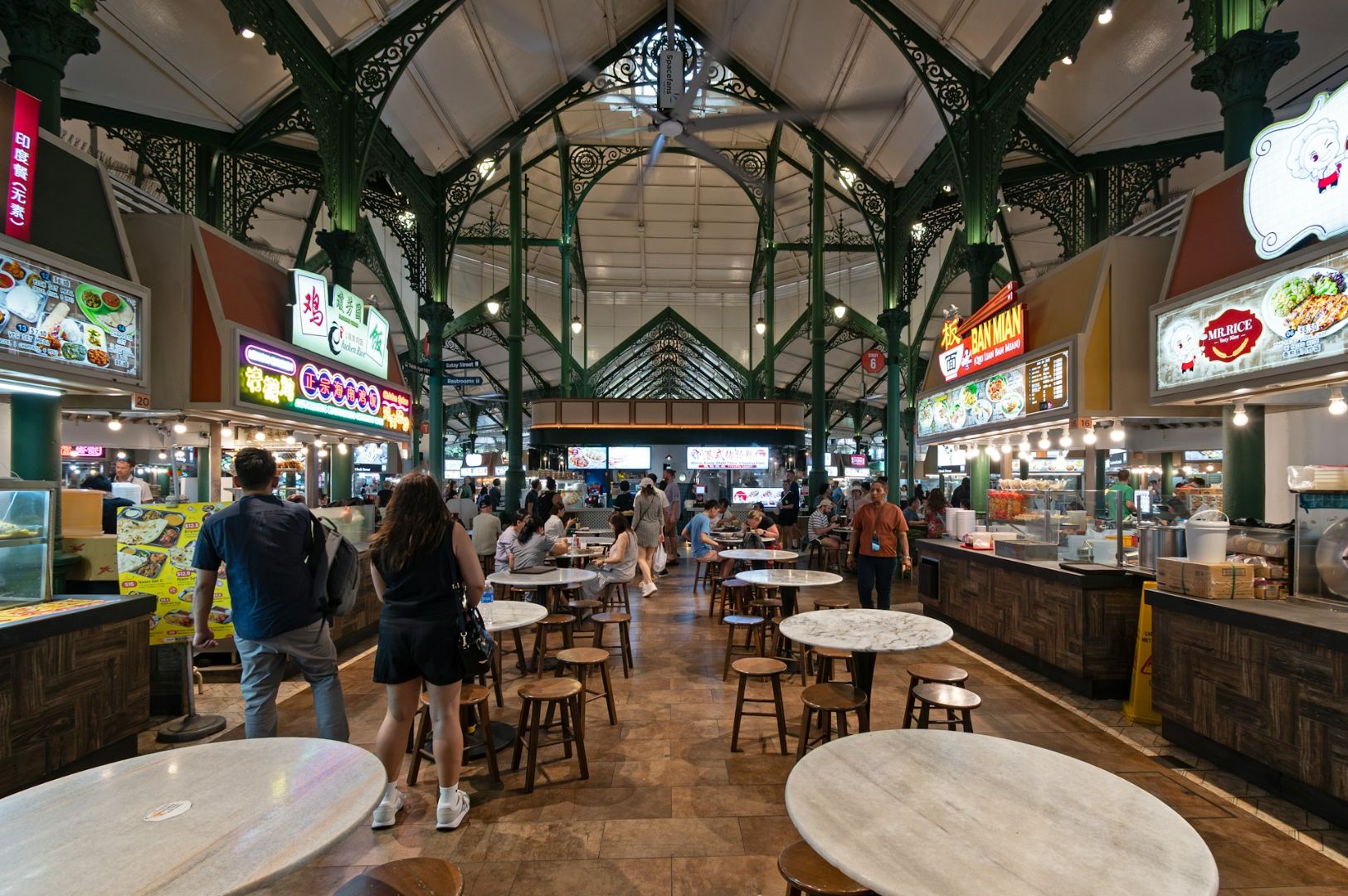
There is a kind of intimacy that only exists in uncrowded places.
When you are the only customer:
- Hawkers speak more freely
- Stories emerge naturally
- Food arrives with context
You might learn:
- Why a dish changed years ago
- Why a certain ingredient like water chestnuts disappeared
- Why business isn’t what it used to be
These conversations never happen in queues. They require silence, time, and space.
Dining where no one else goes restores food as a relationship—not a transaction.
How Social Proof Misleads Food Seekers Looking for Hidden Gem Restaurants Singapore
Social proof is powerful—and dangerous.
Reviews, likes, shares, and queues create an illusion of consensus. But consensus often forms around visibility, not depth.
Social proof tends to reward:
- Novelty over mastery
- Presentation over flavour
- Consistency over individuality
Many underrated restaurants Singapore has lost were not bad—they were simply invisible.
The Joy of Being the Only Customer at a Food Centre or Hawker Stall
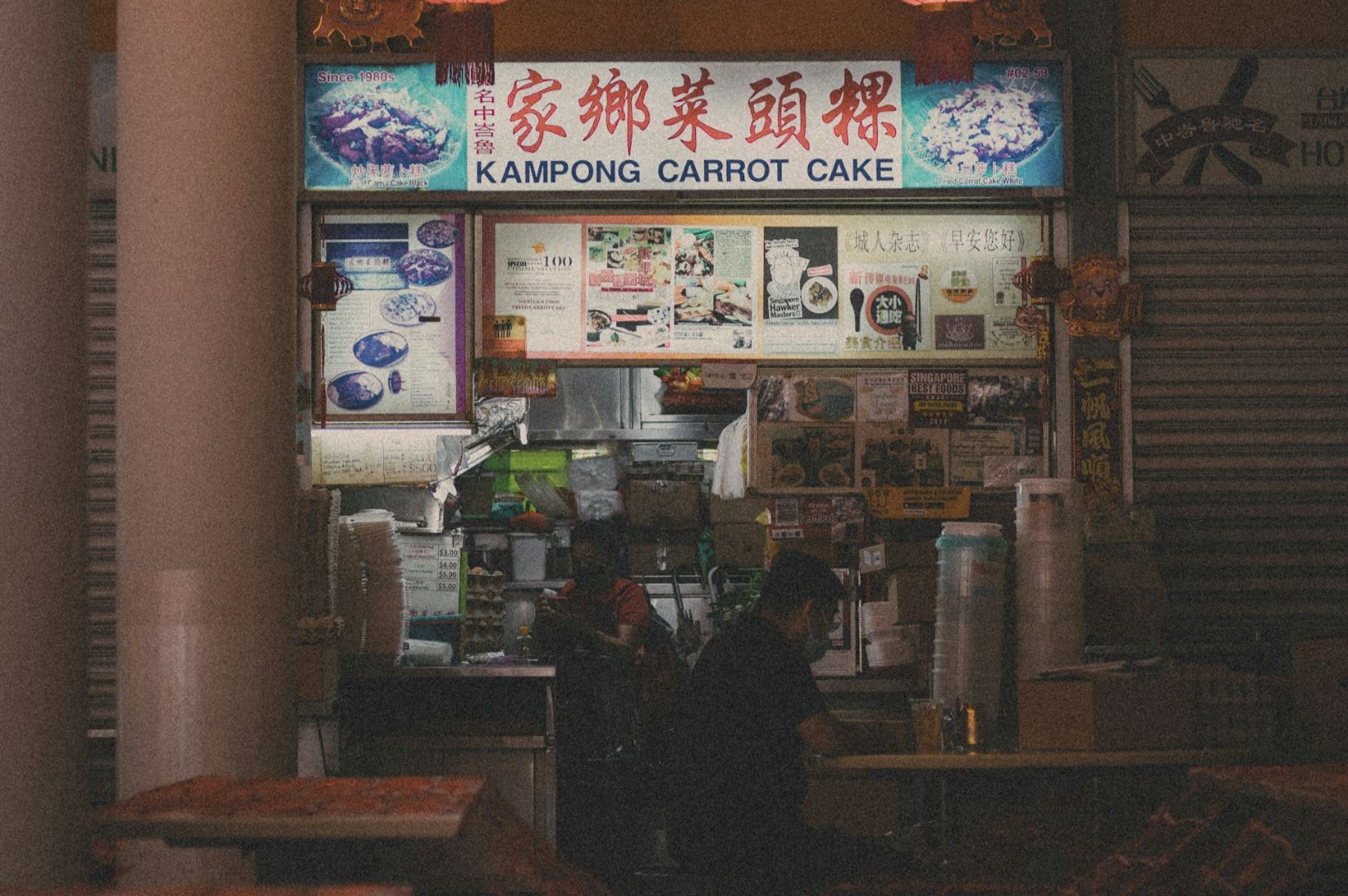
There is a peculiar joy in sitting alone in a place meant for many.
No rush. No pressure to leave. No comparison to neighbouring tables.
You taste more carefully. You notice textures—the crispiness of fried eggs, the softness of soft boiled eggs, or the buttery richness in a curry dish. The generous spread of butter on kaya toast or other breakfast items enhances both the flavor and texture, making each bite more indulgent. You hear the kitchen. The food exists without commentary, and the experience of savoring such delicious dishes in solitude becomes even more special.
Some of the most memorable meals are not shared online or talked about loudly. They remain personal landmarks—meals you return to quietly, again and again.
Identifying Quality in Quiet Hawker Stalls and Food Centres
Dining where no one else goes requires discernment, not blind optimism.
- Food prepared to order, not pre-staged – look for signs that dishes are made fresh, especially when it comes to seafood or meat dishes, as this often means higher quality and better flavor.
- Clean, well-maintained stalls and visible food hygiene practices.
- The quality and preparation of meat – stalls that take care in selecting, marinating, and cooking their meat often deliver more authentic and flavorful dishes.
- A focused menu with a few specialties, rather than a long list of generic options.
- Friendly, knowledgeable staff who can explain their dishes.
Signs an empty place is worth trying:
- Focused, practiced movements in the kitchen
- Clean but unpolished setup
- Limited menu done well, whether it’s kaya toast for breakfast or hor fun noodles for dinner
- Sometimes, the whole menu at a hidden gem is worth exploring for a comprehensive dining experience.
- Regulars who greet the owner
- Food prepared to order, not pre-staged
Emptiness paired with care is promising. Emptiness paired with neglect is not.
The philosophy is not to eat anywhere—it is to look closely.
Cultivating Your Own Food Philosophy: From Chicken Rice to Dim Sum
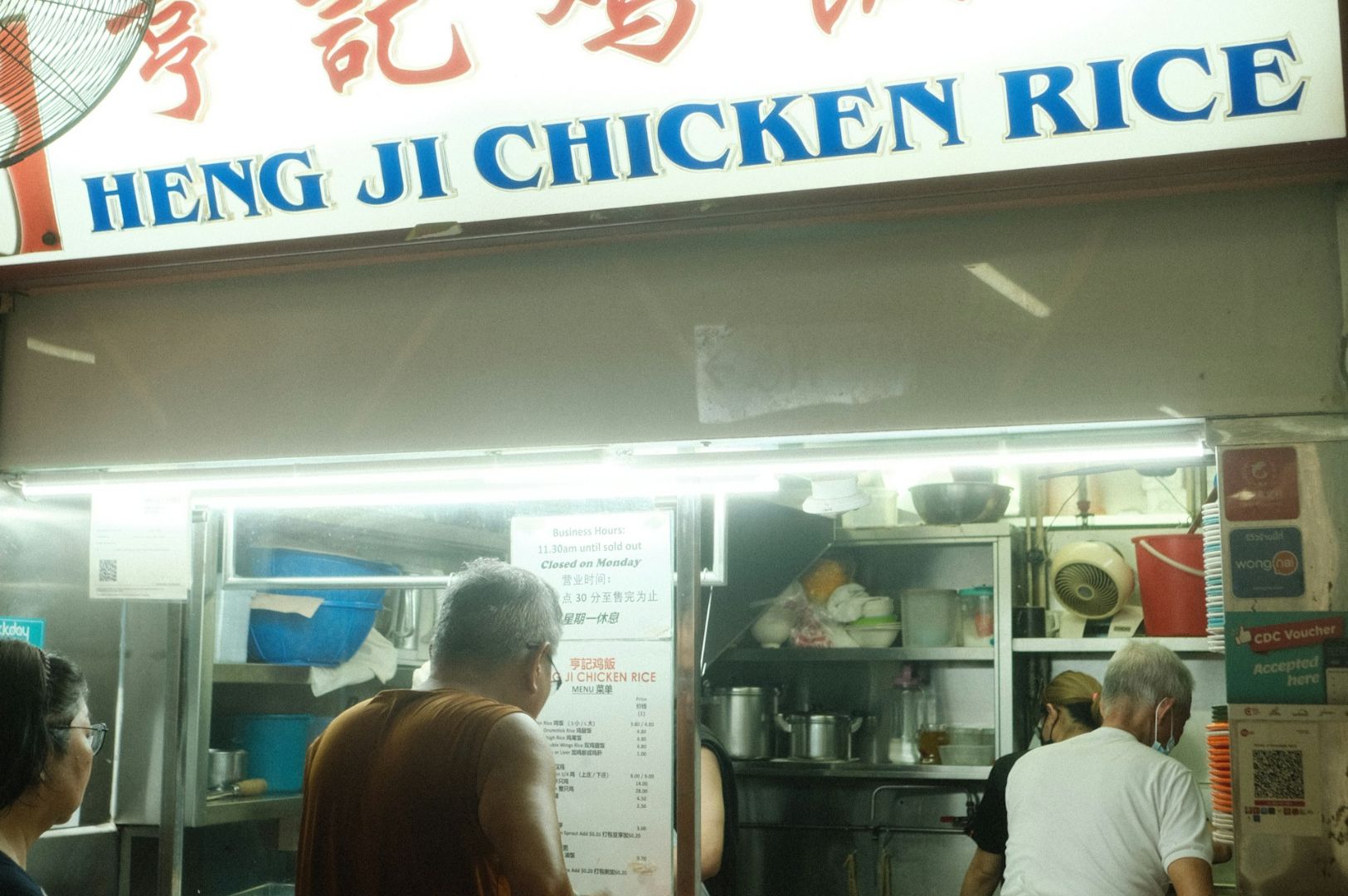
At its heart, this approach is about independence.
Ask yourself:
- Am I choosing this place because others did—or because I’m curious?
- Would I eat this if no one could see it?
- Do I trust my palate enough to decide for myself?
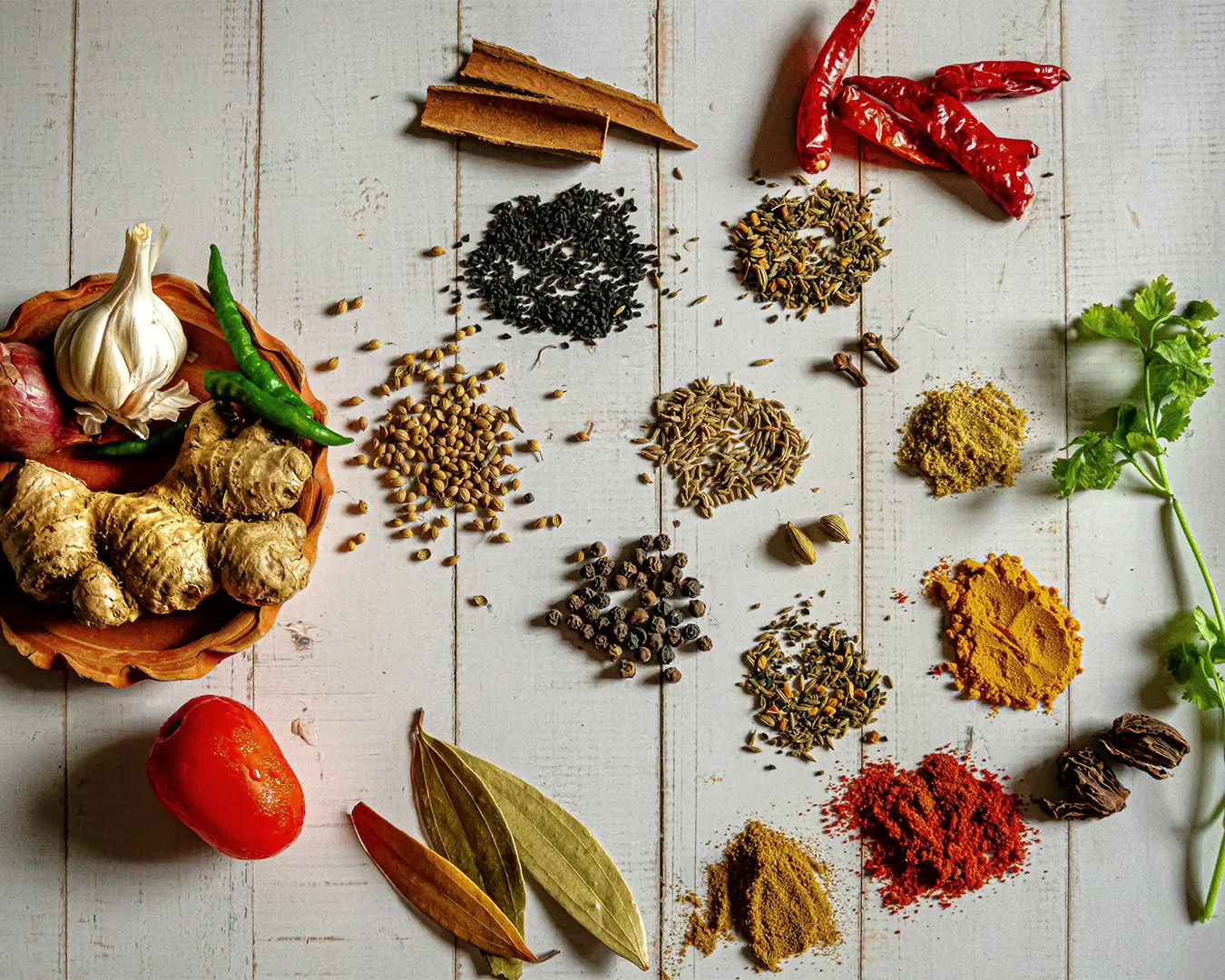
As you explore underrated restaurants in Singapore, pay attention to how spices are used in dishes—their aroma, complexity, and how they shape the overall flavor. Noticing the role of spices can help you develop a deeper appreciation for authenticity and craftsmanship in food.
Developing taste is a practice. It grows through repetition, openness, and occasional discomfort.
The goal isn’t to avoid popular places forever. It’s to ensure popularity isn’t the deciding factor.
Stories from the Quiet Side: Hidden Gem Moments in Hawker Centres and Food Centres
There’s the diner who made it a rule to always choose the emptiest hawker stall in a food centre—and found his favourite char kway teow that way.
The hawker who kept cooking with care even when business slowed, because “that’s how it should be done.”
The food enthusiast who stopped chasing queues and realised meals tasted better when unaccompanied by stress.
These stories don’t trend—but they endure.
Conclusion: Seeing Empty Tables as Invitations to Discover Good Food and Comfort Food
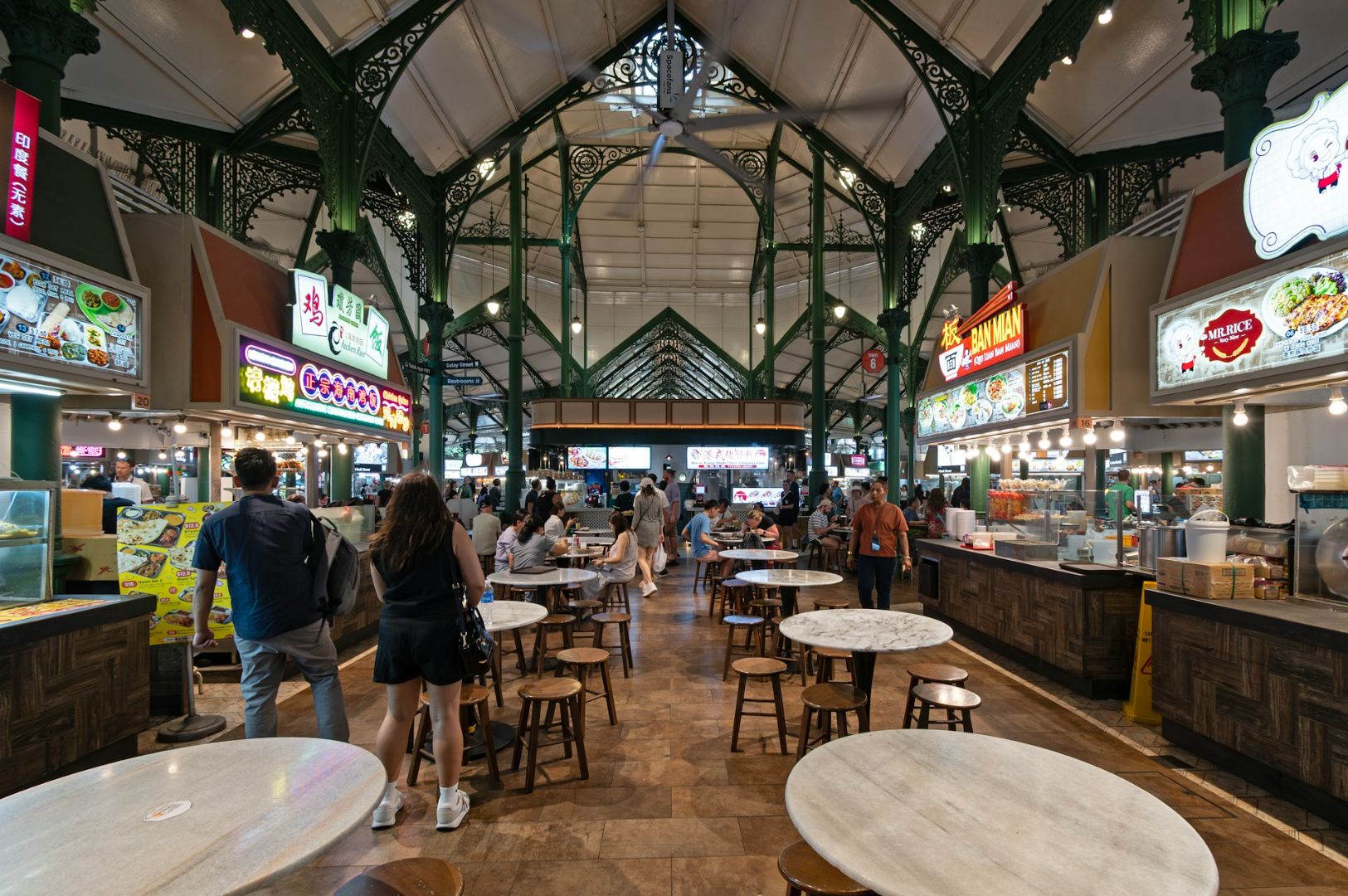
The next time you’re choosing where to eat, consider stepping into the quietest corner on the street. Visit your favourites at odd hours. Listen more than you post. Trust your palate over queue length. Don’t hesitate to dine at underrated or empty restaurants—you might just discover your new favourite spot.
And if this philosophy resonates, follow SGfoodietravels—where we explore Singapore’s most underappreciated food experiences thoughtfully, respectfully, and without shouting.
Sometimes, the best seat in the house is the one no one else has taken yet.