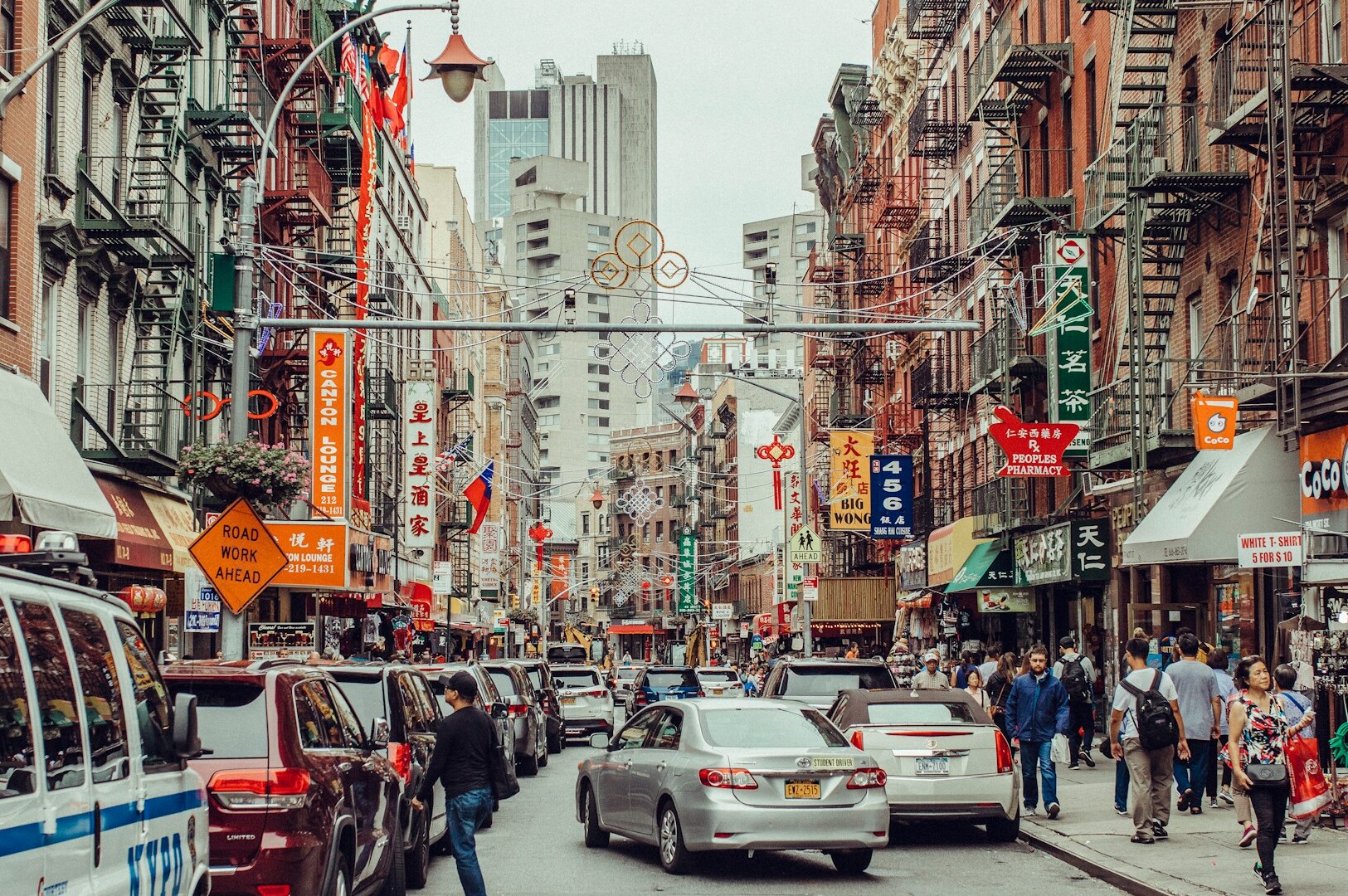
Step out of the Chinatown MRT station, and you’re immediately swept into a whirlwind of sights, sounds, and smells. It’s a place where ancient temples like the Buddha Tooth Relic Temple and Thian Hock Keng Temple stand beside trendy bars, and the air is thick with the scent of roasted chestnuts, savory broths, and sweet incense. Singapore Chinatown is a vibrant, historical, and culturally rich destination, drawing visitors with its unique blend of heritage and modern attractions. Most visitors follow a well-trodden path: a photo at the Buddha Tooth Relic Temple, a souvenir from Pagoda Street, and a meal at one of the famous, Michelin starred hawker stalls. But what if I told you the true magic of Chinatown’s food scene lies just beyond the bright lights and long queues?
This isn’t a guide to the places you already know. This is an invitation to a treasure hunt. We’re going to peel back the layers of this historic district to uncover its best-kept culinary secrets and Chinatown hidden food gems. Singapore’s Chinatown is a must-visit cultural hub, renowned for its rich heritage, traditional architecture, and diverse food scene that preserves local traditions amidst modern development. We’ll venture down narrow alleys, climb to the top of aging complexes like Chinatown Complex Food Centre, and discover the hidden food gems that locals have cherished for generations. Prepare to get lost, be adventurous, and taste the real, unfiltered flavors of Singapore’s food culture.
Beyond the Food Street: The Art of Culinary Exploration at Hawker Stalls
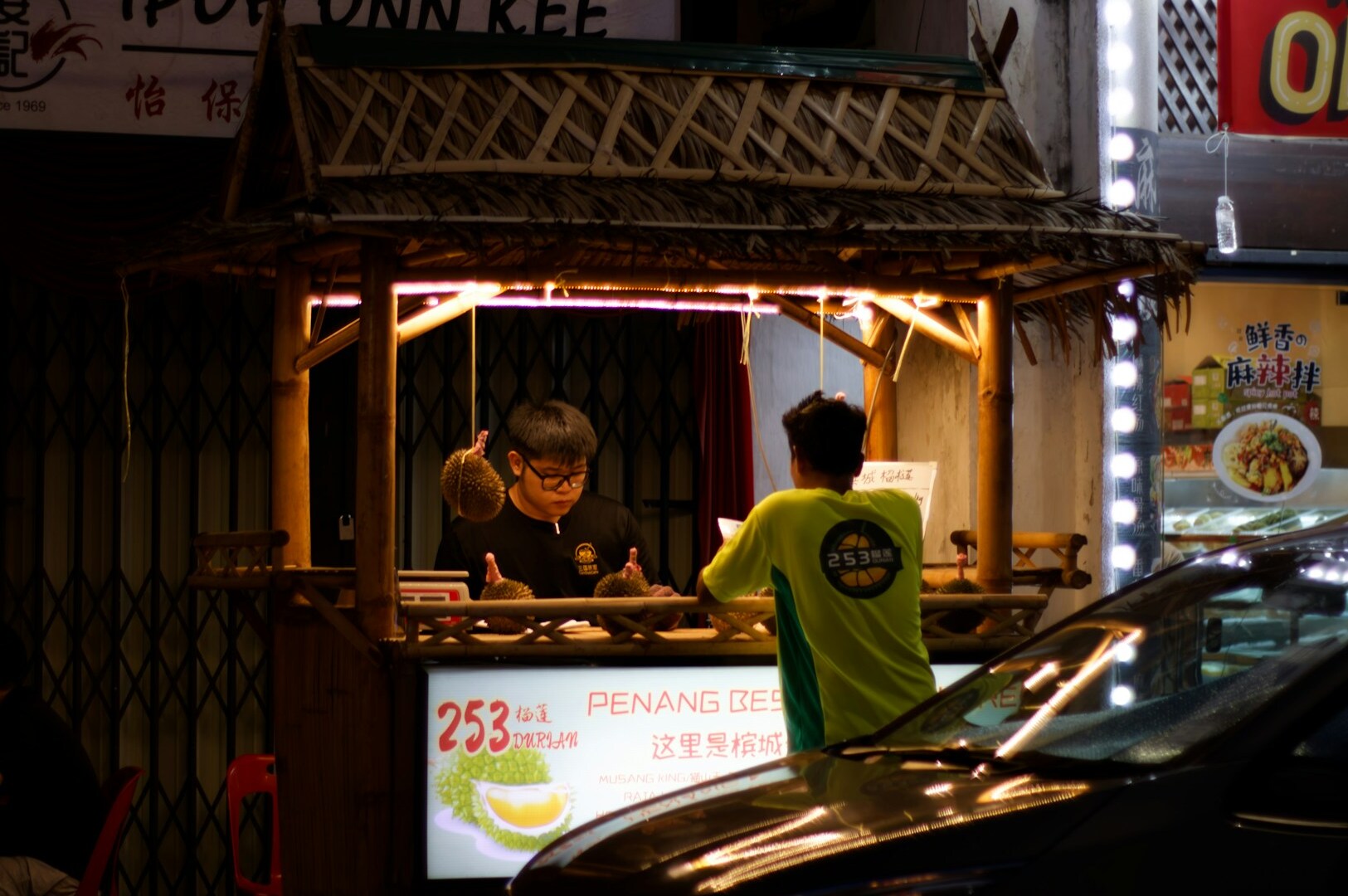
The main artery of Chinatown’s food scene, Smith Street (also known as Chinatown Food Street), is a great starting point, but it’s just the introduction. The real stories are found in the labyrinthine hawker 0centres and unassuming shophouses that surround it. Hawker centers are authentic food destinations in Singapore, celebrated for their vibrant atmosphere, incredible variety, and deep cultural importance in showcasing traditional local dishes. Finding these hawker stalls requires a different mindset. It means looking for the stall with no English name but a long line of aunties, or following the aroma of freshly baked pastries down a quiet side street. This journey is about embracing the spirit of discovery, with each hawker centre serving as a central spot for local cuisine and traditional dishes.
People’s Park Food Centre: A Hotpot of Fiery Secrets and Street Food
While Chinatown Complex is the largest hawker center in the area, People’s Park Food Centre offers a grittier, more intense culinary experience. Located on the upper floor of a bustling shopping complex, this place is a haven for those who love bold, unapologetic flavors, particularly from the Sichuan region of China. When ordering mala xiang guo here, diners can select from an impressive array of ingredients, with rice noodle featured as a key, traditional option that highlights the dish’s authentic roots and cultural significance.
The Mala Xiang Guo Mecca
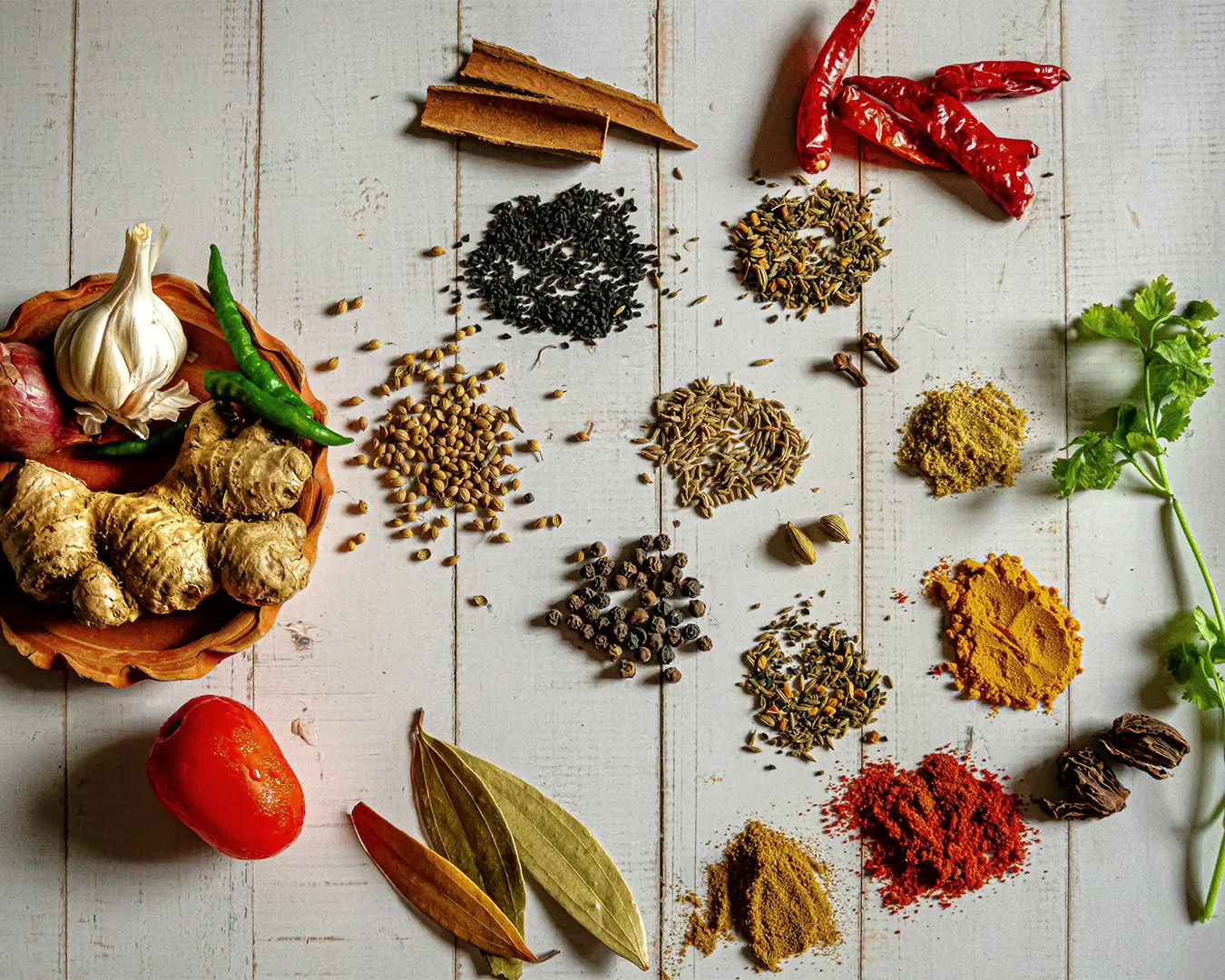
The undisputed star here is Mala Xiang Guo, or “spicy numbing fragrant pot.” It’s not a soup, but a dry stir-fry where you choose from a vast array of ingredients—meats, seafood, vegetables, tofu, and rice noodles—which are then flash-fried in a fiery, numbing spicy sauce made from Sichuan peppercorns and dried chilies. Several stalls compete for supremacy, each with its own secret sauce.
The Experience: The process is a delightful chaos. You grab a large metal bowl and a pair of tongs and navigate a refrigerated display cabinet, piling your bowl high with everything you desire. Hand it over, choose your spice level (from wei la / mildly spicy to da la / very spicy), and watch the chefs work their magic over massive, roaring woks.
Sensory Overload: The air crackles with the sizzle of the woks and the fragrant, spicy smoke. The first bite is an explosion: the initial heat of the chili sauce is followed by the unique, tingling, and numbing sensation of the Sichuan peppercorn, known as málà. It’s addictive, communal, and utterly satisfying.
Insider Tip: Go with friends. The more ingredients you choose, the better the flavor. A shared bowl for 2-3 people costing around S$20 is an incredible value-for-money feast.
The Unseen Dessert Stall
After the fire of mala, you’ll need to cool down. Tucked away in a corner of the centre is a dessert stall that many overlook.
Secret Spot: Tian Jin Fong Kee. This humble stall sells traditional Chinese desserts and sweet treats.
The Antidote: Order the Cheng Tng. It’s a light, refreshing sweet soup served hot or cold, filled with ingredients like longan, white fungus, barley, and gingko nuts. It’s the perfect, soothing balm after a spicy meal and a true taste of old-school Singaporean traditional desserts.
Exploring Chinatown Singapore: The Hidden World of Hong Lim Market & Food Centre Hawker Food
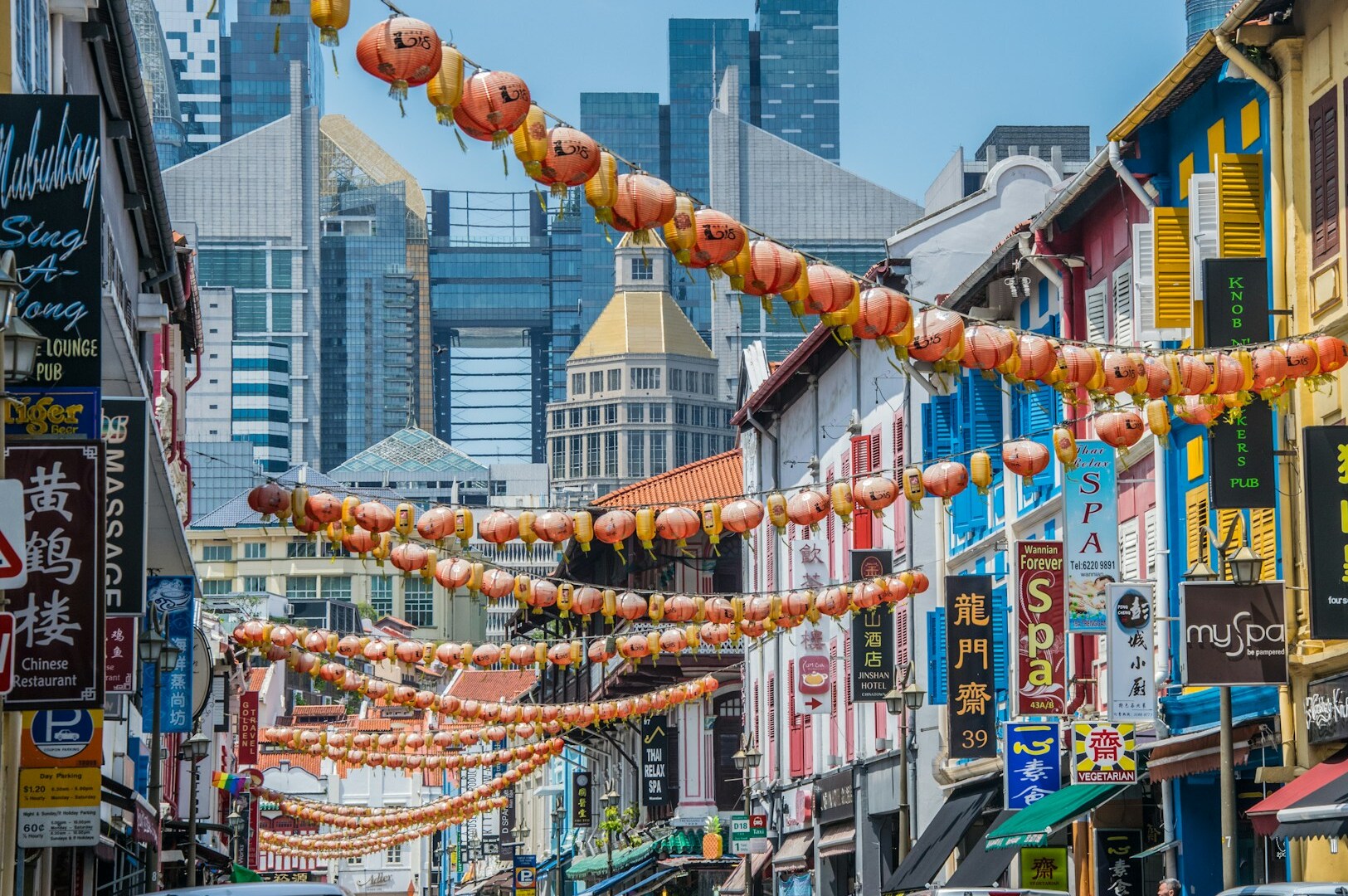
A just a short walk from the main Chinatown area lies Hong Lim Market & Food Centre, a two-story culinary goldmine. It’s a favorite among office workers in the Central Business District, which means the quality has to be high and the queues efficient. While it has its own famous stalls, some of its best secrets require a closer look.
Chinatown Complex Market is another popular food centre in Singapore, known for its notable food stalls like Whampoa Soya Bean and its important role in the local food scene.
The Elusive Curry Puff and Carrot Cake
Forget the mass-produced, factory-made puffs. This is a craft passed down through generations.
Secret Spot: Tanglin Crispy Curry Puff. Tucked away on the second floor, this stall churns out handmade curry puffs that are legendary among those in the know.
The Story: The family has been making these puffs for over 60 years. The secret is in the pastry, which is flaky, layered, and shatters into a thousand crispy shards with each bite.
What Makes It Special: They offer two main fillings: the classic chicken and potato, and a fish sardine version (otah). The fillings are moist and flavorful, but the pastry is the true star. It’s a labor of love you can taste.
Insider Tip: They make them in small batches throughout the day. If you see a fresh batch coming out of the fryer, don’t hesitate. They sell out fast.
Nearby, don’t miss the carrot cake stall—a beloved hawker food made with rice cakes and fried with dark soy sauce and pork lard, delivering an amazing smoky flavor that meat lovers crave.
Savoring Hainanese Chicken Rice and Soy Sauce Chicken Rice at Maxwell Food Centre
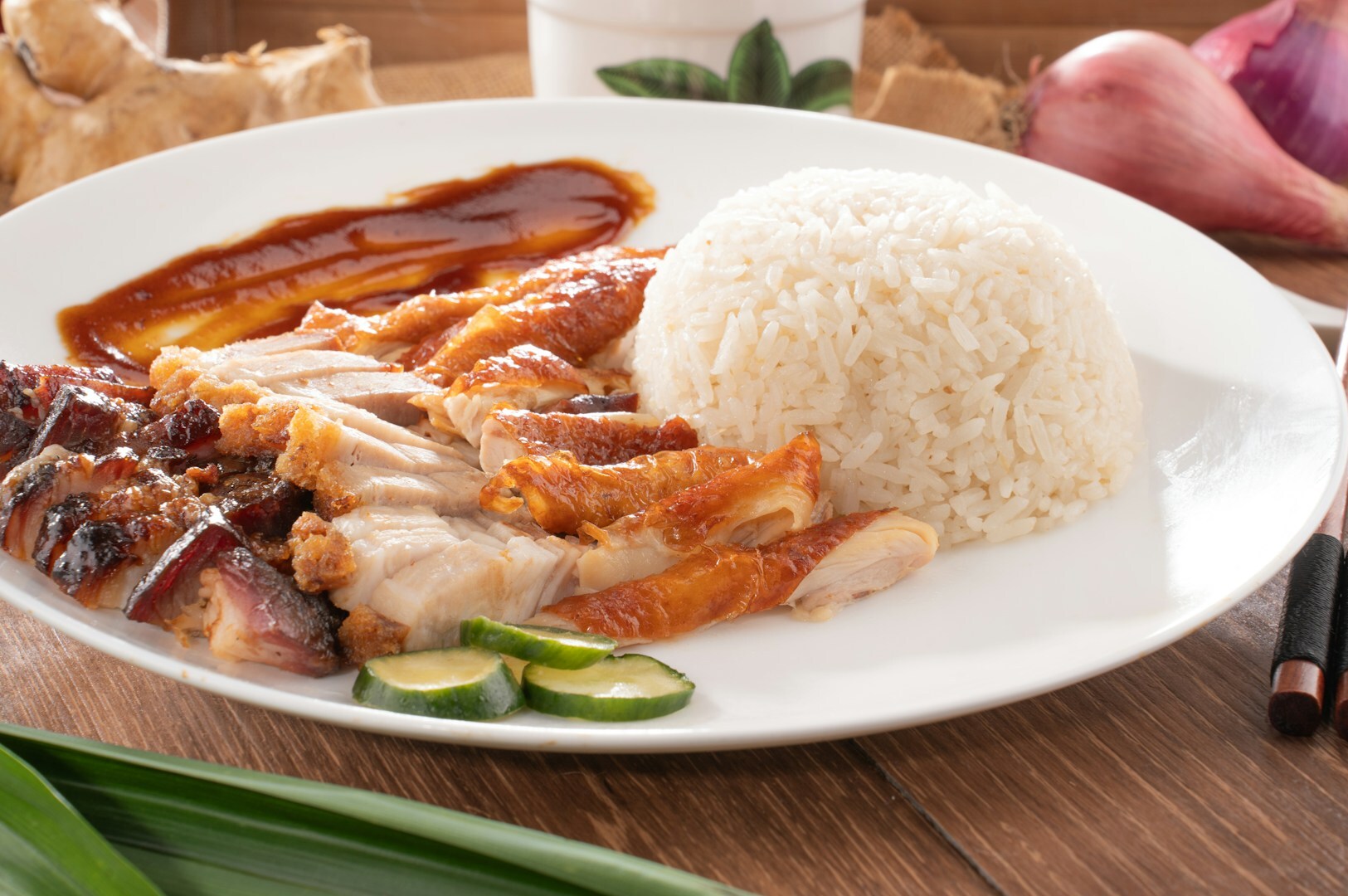
No visit to Chinatown Singapore would be complete without tasting the iconic chicken rice dishes at Maxwell Food Centre and Chinatown Complex Food Centre, two of the best hawker stalls hubs in the city. Maxwell Food Center is an iconic hawker destination known for its wide variety of stalls, authentic local dishes, and famous spots like Tian Tian Hainanese Chicken Rice and Fuzhou Oyster Cake, making it a must-visit for both locals and tourists seeking a true Singaporean food experience.
The Classic Hainanese Chicken Rice Experience
Hainanese chicken rice is a cornerstone of Singapore’s food culture, featuring tender poached chicken served atop fragrant rice cooked in chicken broth and coconut milk. The dish is often accompanied by a side of soft boiled eggs and a spicy chili sauce that adds a delightful kick.
Another iconic Singaporean dish is chili crab, celebrated for its mildly spicy, sweet, and savory sauce made with tomato, egg, and chili. Chili crab holds a special place as a national dish, enjoyed for its unique flavor profile and cultural significance, and is often ordered alongside other local specialties.
The Famous Soy Sauce Chicken Rice
At Chinatown Complex Food Centre, the Michelin starred hawker stall Liao Fan Hawker Chan is renowned for its soya sauce chicken rice, a dish where succulent chicken is marinated in a rich soy sauce and served over flavorful rice. This stall put Singapore hawker food on the global map and remains a must-try for visitors.
Chinatown During Chinese New Year: A Festive Wonderland
Chinatown truly comes alive during the Chinese New Year, transforming into a vibrant and colorful celebration that attracts locals and tourists alike. The streets are adorned with dazzling red lanterns, intricate decorations, and festive banners symbolizing prosperity and good fortune. Pagoda Street and Smith Street become pedestrian-only zones, bustling with market stalls selling traditional New Year goodies such as pineapple tarts, bak kwa (barbecued pork), and mandarin oranges—each carrying symbolic meanings for luck and happiness.
The atmosphere is electric with cultural performances, including lion and dragon dances, traditional music, and street parades that fill the air with excitement and joy. Temples like the Buddha Tooth Relic Temple and Sri Mariamman Temple see an influx of worshippers offering prayers and making offerings for a prosperous year ahead.
Food stalls extend their operating hours, serving special festive dishes alongside beloved classics, allowing visitors to indulge in unique seasonal flavors. The blend of heritage, community spirit, and festive cheer makes Chinatown during Chinese New Year an unforgettable experience—offering a perfect blend of tradition, culture, and culinary delights.
For those wanting to enjoy these festive flavors from home, RERG (Rubbish Eat Rubbish Grow) brings traditional celebratory feasts right to your doorstep, making it easy to savor the season’s best dishes without stepping outside.
Dive Into Street Food Delights: Char Kway Teow, Hokkien Mee, and More
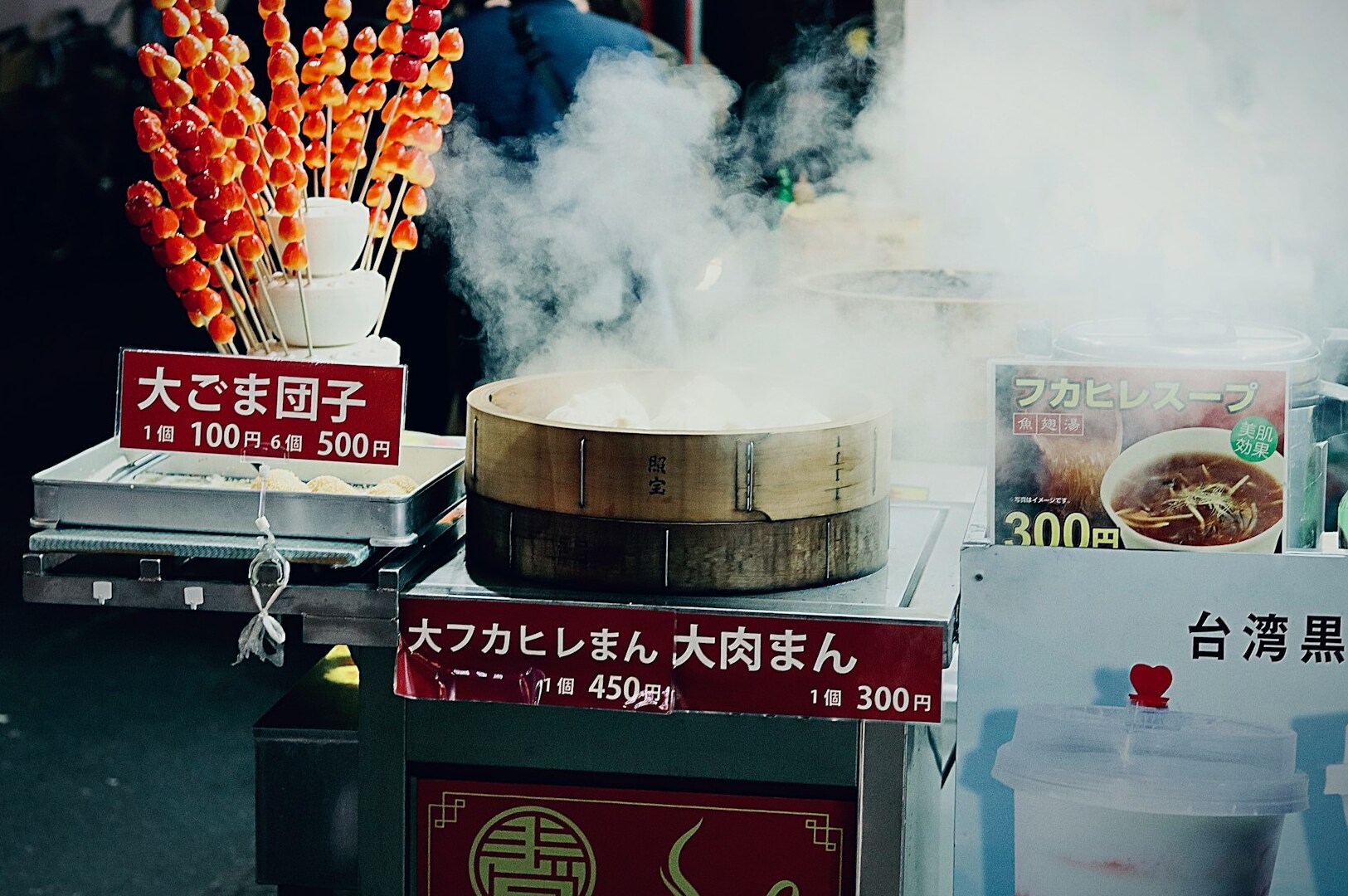
Chinatown’s street food scene is vibrant and diverse, with hawker stalls offering savory dishes that blend Chinese culture with local flavors. The bustling streets and variety of authentic eats are a vibrant reflection of Singapore’s food culture, showcasing the diversity and authenticity of local culinary traditions.
Char Kway Teow and Hokkien Mee
These stir fried noodle dishes are favorites among locals and tourists alike. Char kway teow features flat rice noodles stir fried with egg, Chinese sausage, bean sprouts, and chili sauce, while hokkien mee blends yellow egg noodles and rice noodles stir fried with prawns and squid in a flavorful broth. Pork belly is also a beloved hawker centre specialty, prized for its crispy skin and rich, savory flavor.
Other Must-Try Hawker Food
From pork ribs glazed with a sweet and spicy sauce to fried chicken with a crispy crust, Chinatown’s hawker food scene caters to all appetites. Don’t miss the traditional dim sum and pork dumplings at the hawker stalls near Telok Ayer Street, or the kaya toast and soft boiled eggs served at local coffee shops — a perfect traditional Singaporean breakfast.
For an extra dose of nostalgia, explore Temple Street, where you’ll find traditional food stalls, old-school snacks, and a vibrant atmosphere filled with local treats and desserts.
Discover Chinatown Street Market and Pagoda Street: A Feast for the Senses
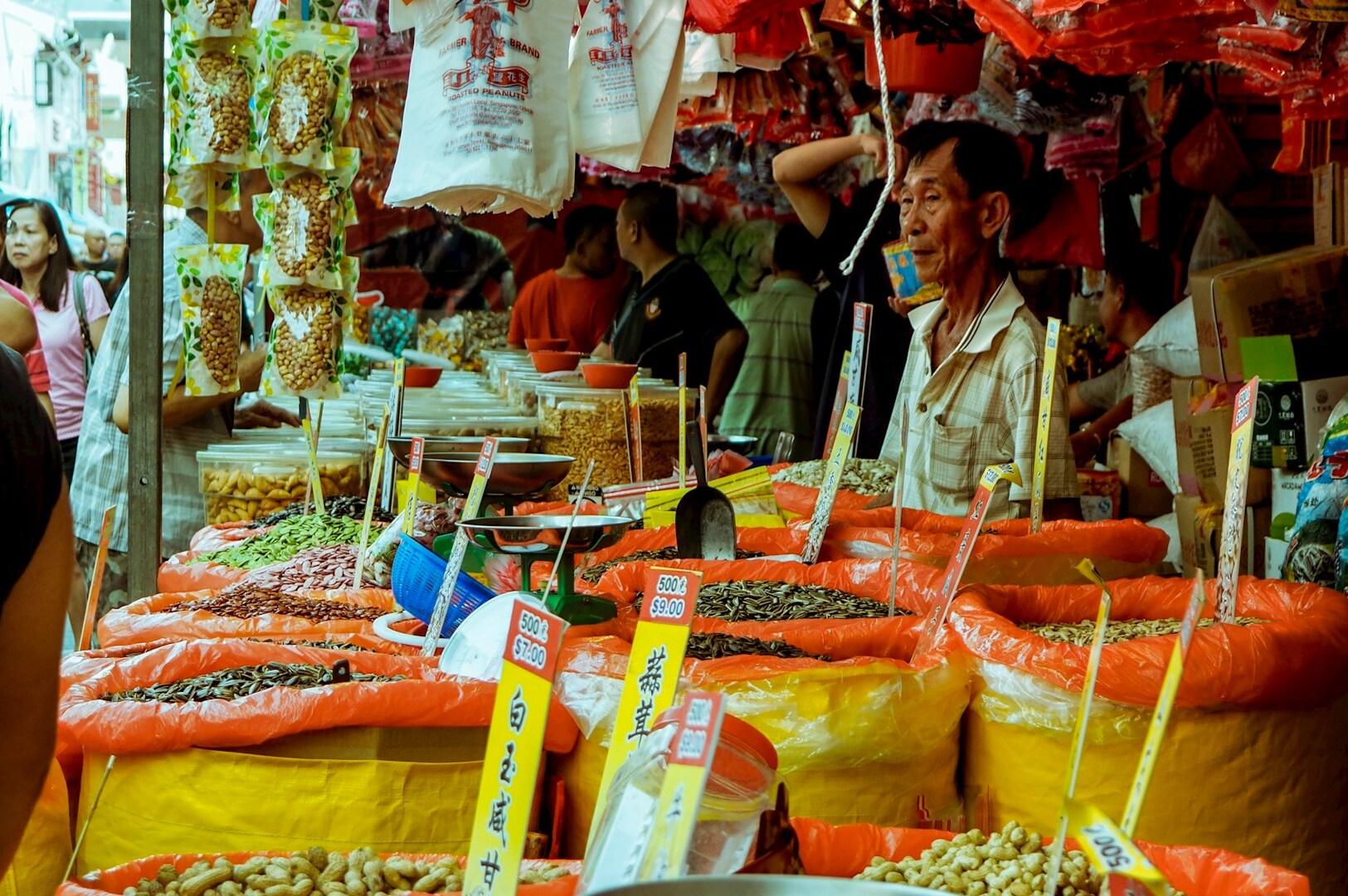
Pagoda Street is the heart of the Chinatown street market, lined with colorful shophouses and bustling food stalls. Here, you can sample local favorites like egg tarts, shaved ice desserts, and roti prata from the best hawker stalls.
The vibrant street art decorating the area adds to the cultural richness, reflecting the history of Chinese immigrants who shaped this neighborhood.
Clarke Quay, a renowned entertainment and dining district known for its vibrant nightlife and cultural significance, is also located nearby, making this area a popular leisure spot for both locals and visitors.
Exploring Telok Ayer Street: A Culinary Crossroads of Heritage and Innovation
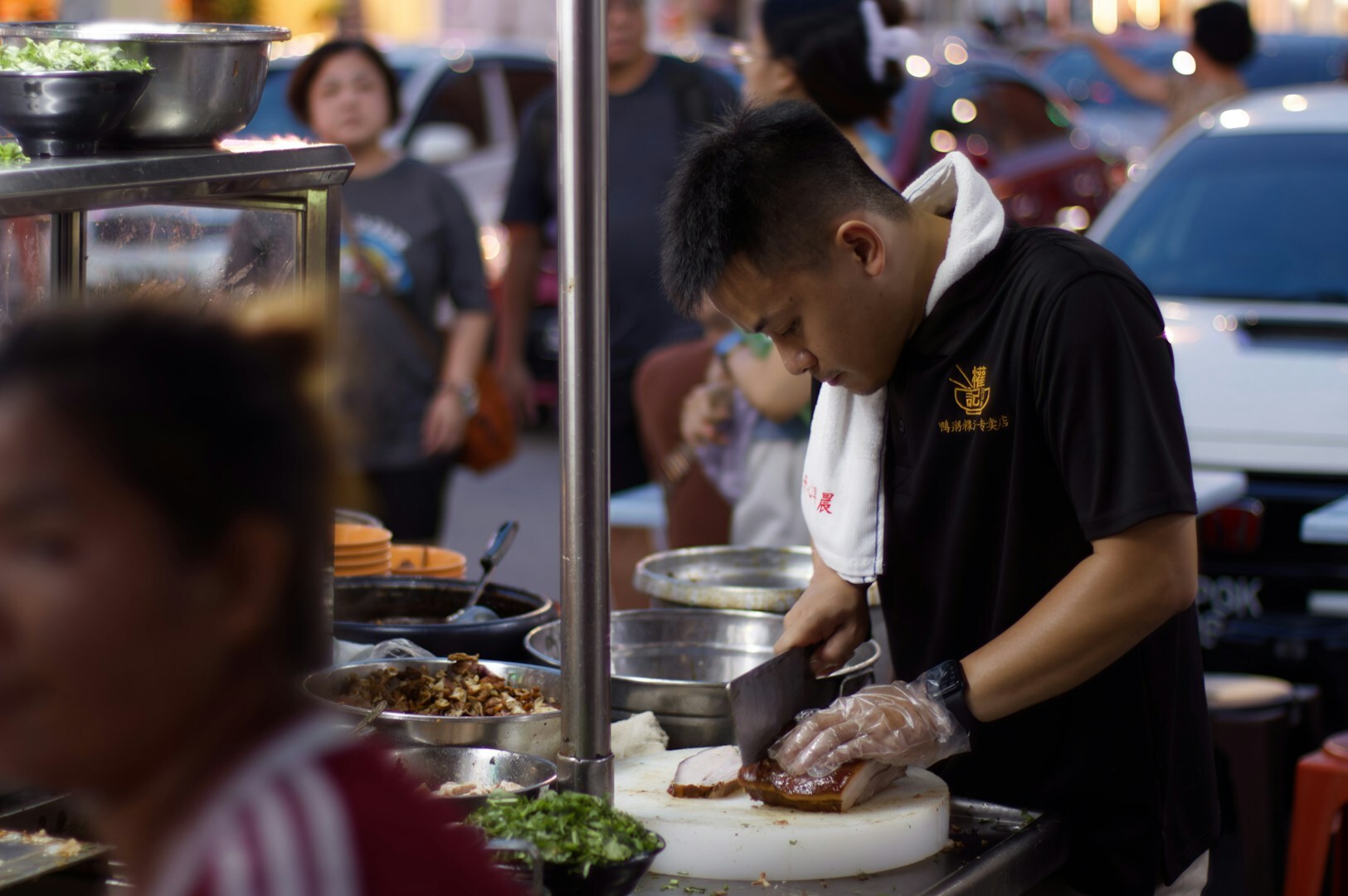
Step onto Telok Ayer Street and you enter a sanctuary where Singapore’s culinary heritage unfolds in layers of profound sophistication. This storied avenue represents a living meditation on flavors, aromas, and cultural wisdom, drawing connoisseurs to its meticulously curated hawker stalls, contemplative food centres, and heritage shophouses that whisper tales of generations past.
When twilight descends, Telok Ayer Street transforms into a contemplative hub of nocturnal gastronomy and mindful markets. Food artisans present their evening offerings: pork ribs glazed with complex spice traditions, crispy carrot cake that honors humble ingredients with sophisticated technique, and golden roti prata that speaks of cultural exchange. The atmosphere invites reflection, with locals and pilgrims alike gathering to share exceptional cuisine and meaningful connection. For those seeking refined elegance, the iconic Raffles Hotel nearby offers the classic Singapore Sling—a libation that embodies colonial heritage with contemporary sophistication.
Where Tradition Meets Modernity: Peranakan Food and Sweet Treats
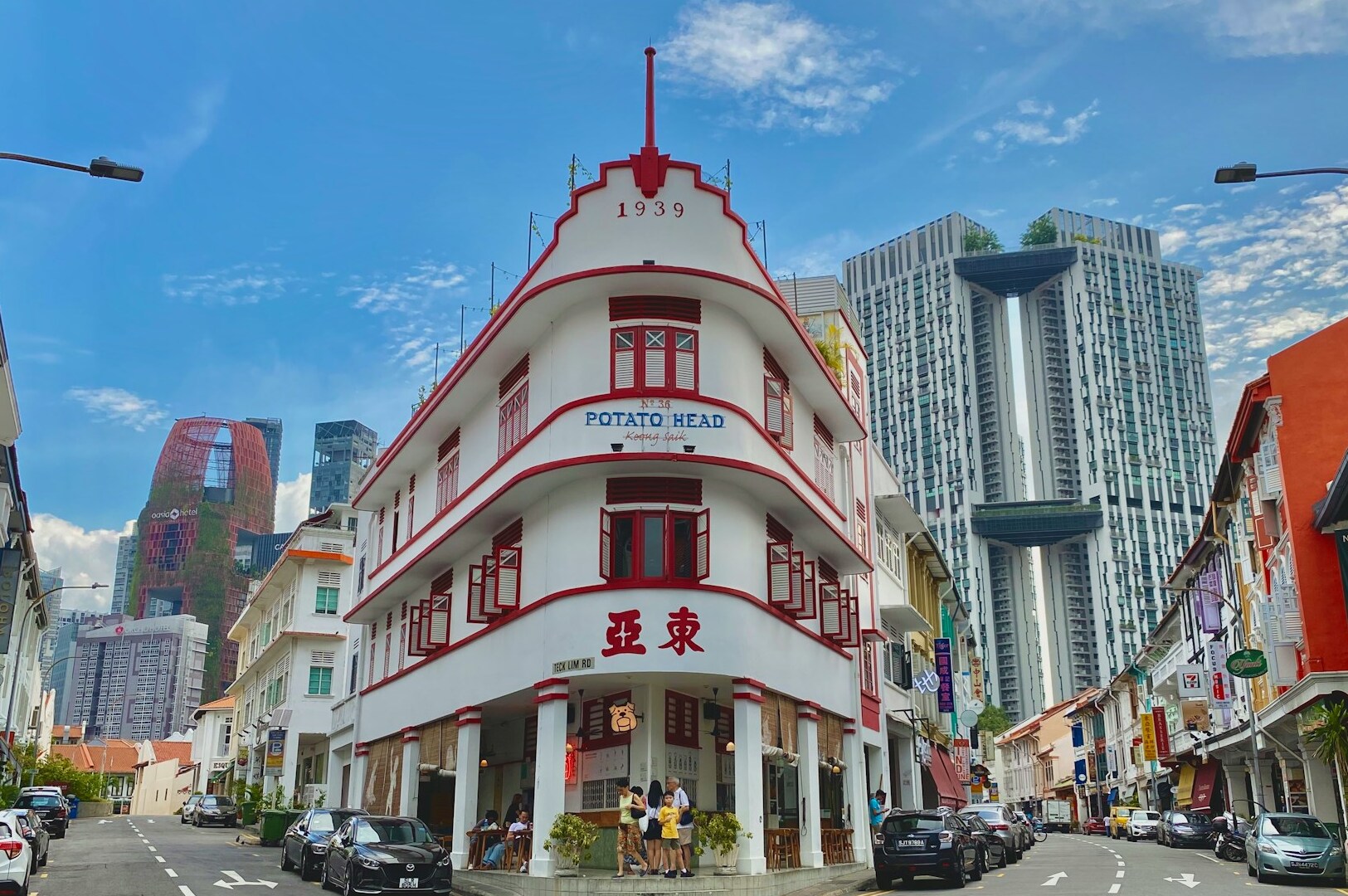
Chinatown Singapore is also home to Peranakan food, a unique blend of Chinese and Malay flavors. Explore the many eateries offering filling meals that showcase this rich culinary heritage.
For dessert, indulge in traditional Chinese desserts like egg tarts and shaved ice, or visit the famous Chinatown Point for a modern twist on classic sweet treats.
Your Chinatown Culinary Adventure Awaits
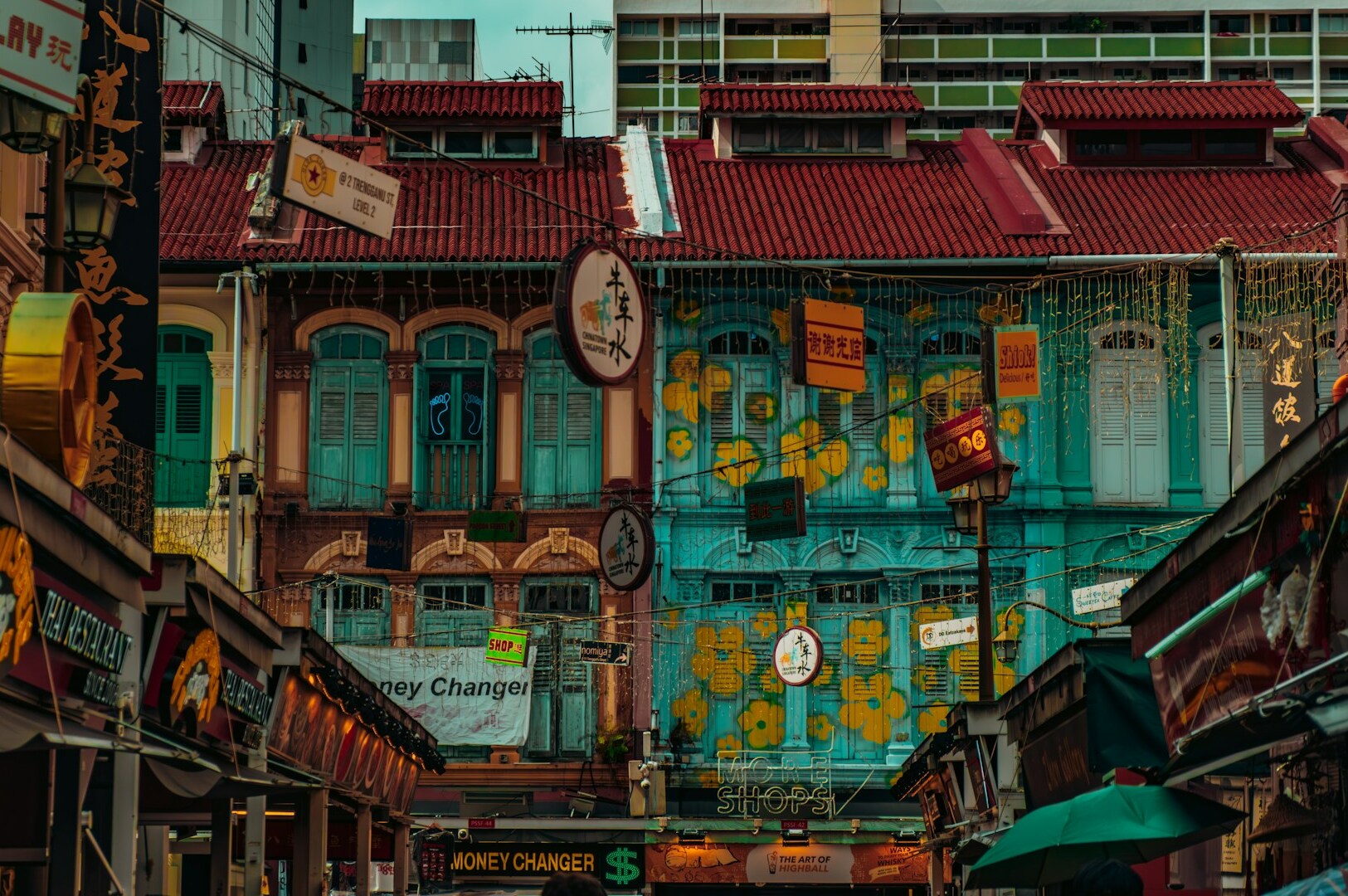
Chinatown is a neighborhood of endless discovery. Its culinary landscape is a living, breathing entity, constantly evolving yet deeply rooted in tradition. The famous stalls are popular for a reason, but the soul of Chinatown’s food scene is found in the quiet corners, the bustling local markets, and the family-run eateries that have been nourishing the community for decades.
This guide is just a map to get you started. The real adventure begins when you put it away and let your senses lead you. Follow the sound of a cleaver hitting a chopping board, ask a local what they’re eating, and be brave enough to try something you can’t pronounce. The greatest culinary secrets are not just about the food itself, but about the joy of the hunt and the stories you collect along the way. So go forth, explore, and find your own best-kept secret in Chinatown hidden food gems.
Don’t forget to visit sgfoodietravels.com for more information on Chinatown’s hidden gems.