The first time I tried to create a list of Singapore’s “must-eat” dishes, I gave up halfway through.
Not because there weren’t enough options, but because there were too many.
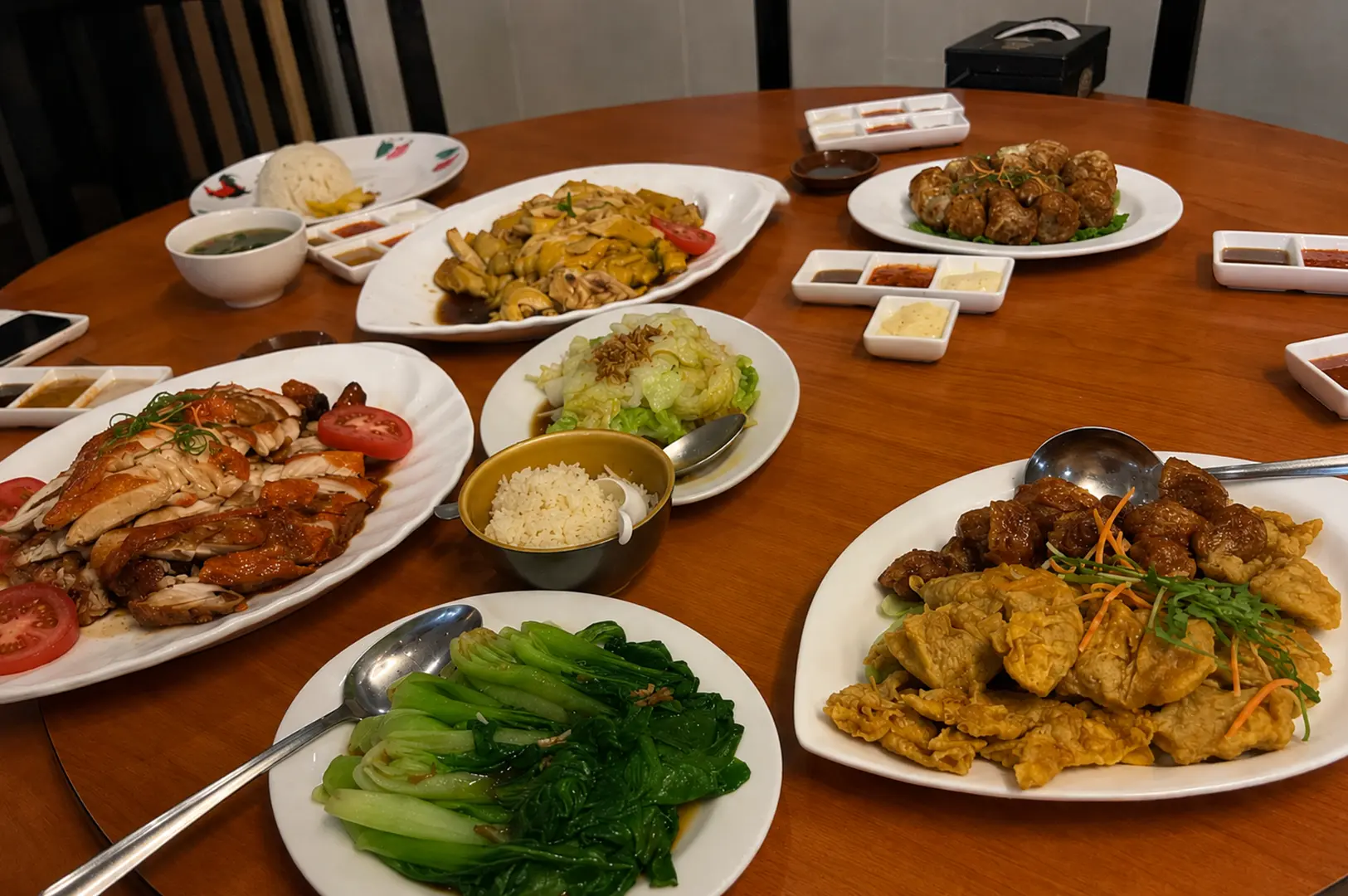
Every neighbourhood seemed to have its own favourites. Every hawker centre had a stall with a loyal following. One person would insist that chicken rice was the ultimate Singapore dish, while another would point me toward nasi lemak, prawn noodles, or a bowl of comforting fish soup. The deeper I explored, the more I realised that the best part of Singapore food was never about finding a single iconic meal. It was about discovering the incredible variety of food experiences packed into one city.
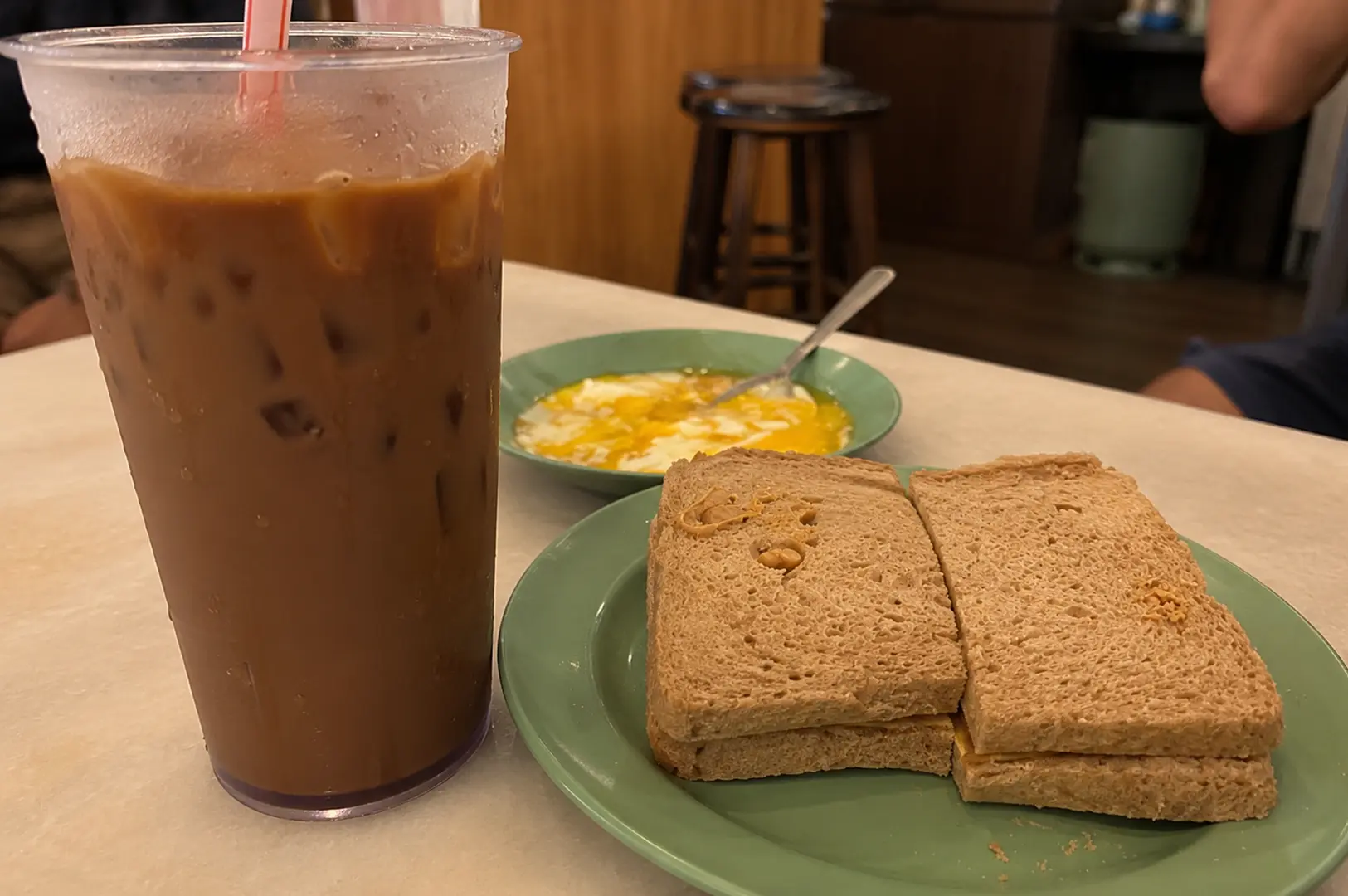
I remember starting a morning in Tiong Bahru with kaya toast and kopi before heading to Maxwell Food Centre for lunch. Later that evening, I found myself sharing Korean barbecue in Tanjong Pagar before ending the night with dessert in Bugis. None of those meals felt connected on paper, yet they all belonged to the same city.
That is what makes Singapore different.
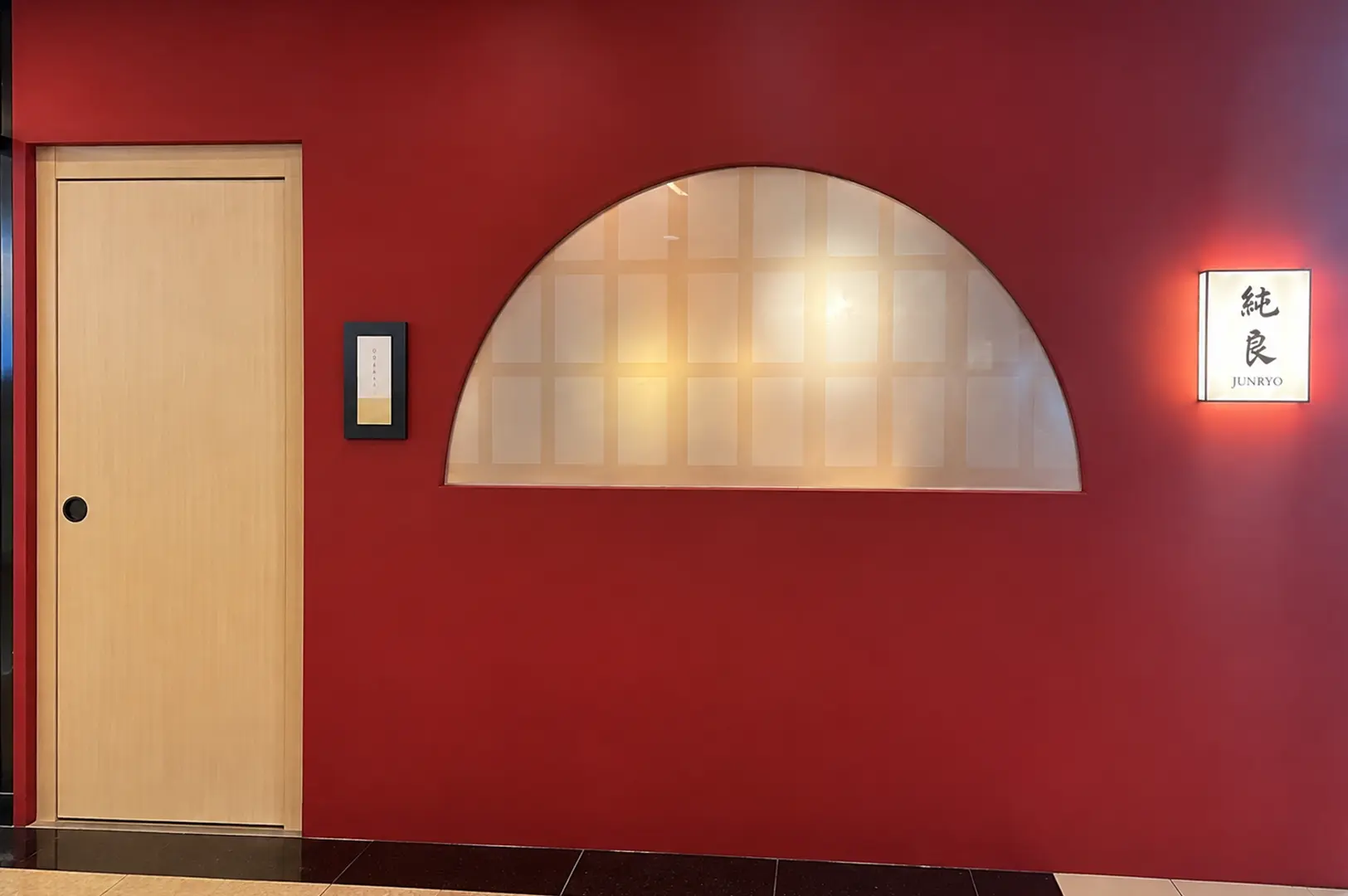
Many destinations become known for one signature dish. Singapore has dozens. More importantly, the food scene continues to evolve while remaining deeply connected to its roots. A traditional hawker stall can exist next to a modern café. A decades-old noodle shop can thrive alongside a new Japanese restaurant. The contrast is not a contradiction. It is part of the experience.
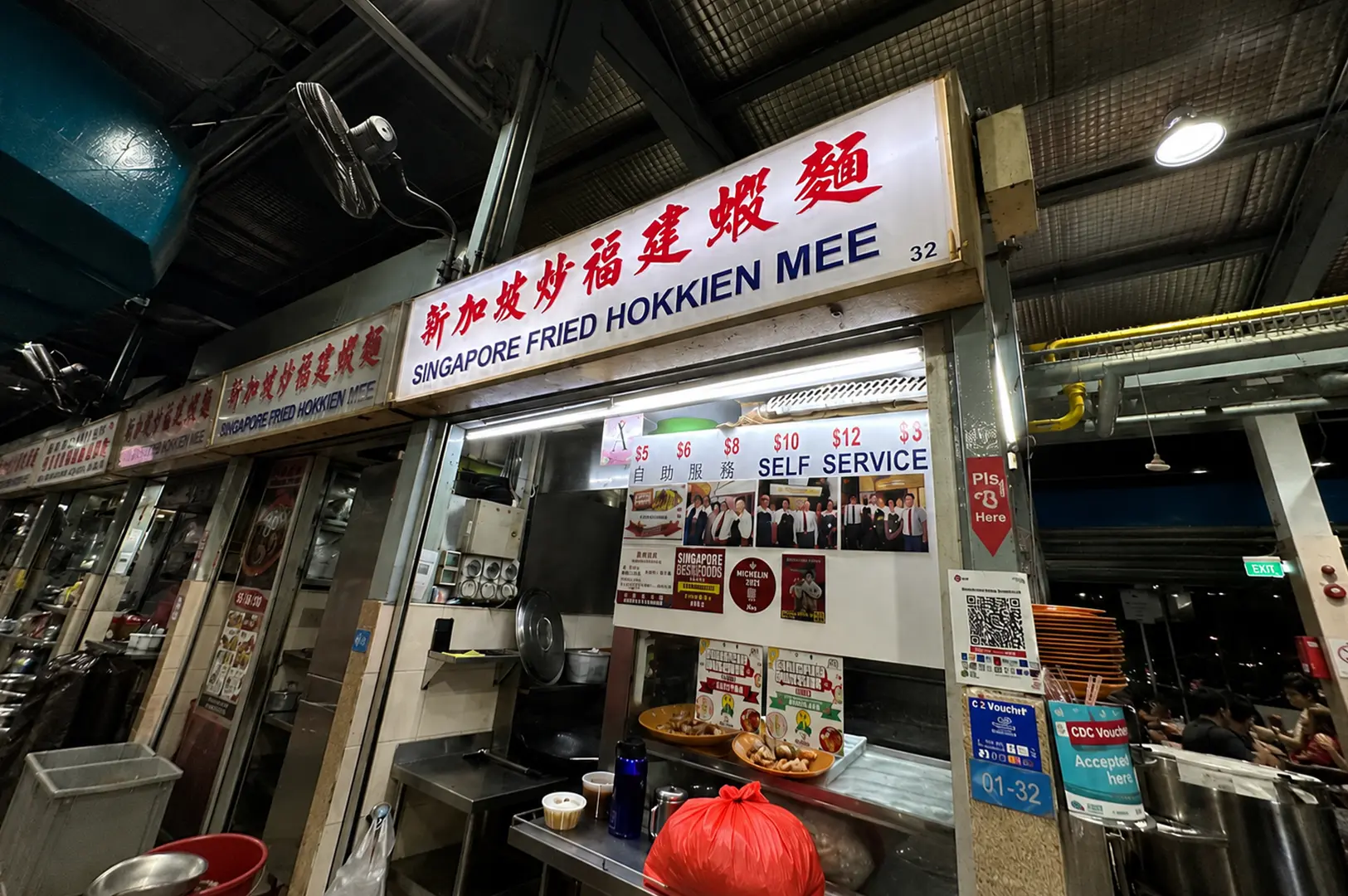
As I explored more neighbourhoods, I stopped chasing viral recommendations and began paying attention to the places locals actually returned to. Those discoveries often led to some of my most memorable meals.
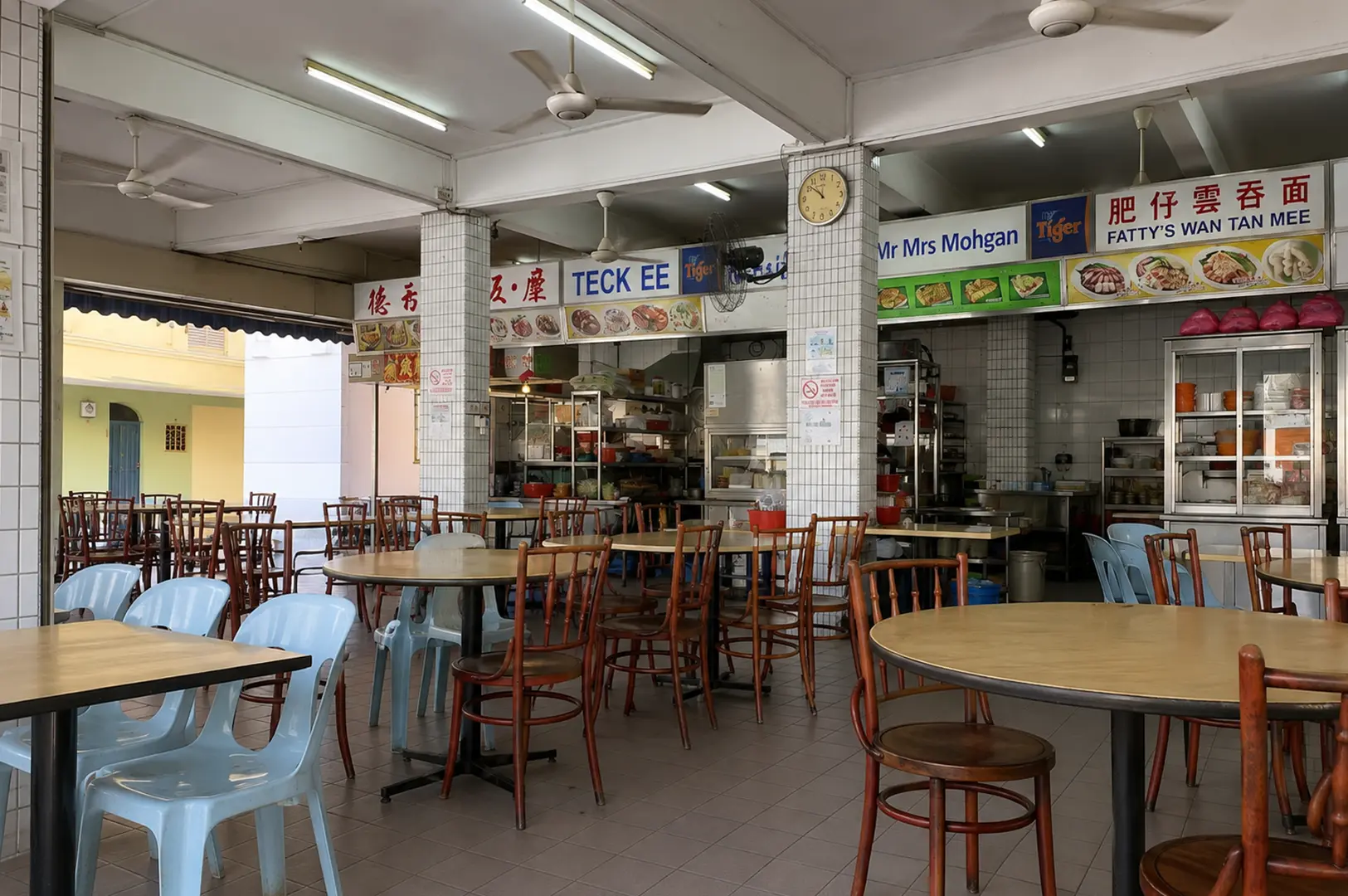
Sometimes it was a bowl of flavourful prawn noodles hidden in a food centre. Other times it was a family-run eatery serving recipes that had remained unchanged for years. The common thread was never hype. It was consistency.
Singapore’s food culture rewards curiosity. Walk beyond the busiest streets and you will often find something unexpected. A small café tucked into a heritage shophouse. A hawker stall with a long queue built entirely on word of mouth. A neighbourhood restaurant serving dishes that deserve far more attention than they receive.
What impressed me most was how accessible these experiences were. Great food exists at every price point. You can spend a few dollars on a satisfying hawker meal or enjoy a carefully prepared restaurant dinner. Both can leave an equally lasting impression.
That accessibility encourages exploration. There is always another dish to try, another neighbourhood to visit, another recommendation waiting to be followed. The journey never feels complete, and perhaps that is exactly the point.
When people ask me what food they should try in Singapore, I no longer give a single answer. Instead, I encourage them to explore widely. Visit different districts. Eat at both famous spots and lesser-known places. Follow recommendations, but leave room for unexpected discoveries.
Because the real strength of Singapore’s food scene is not one famous dish or one viral restaurant.
It is the remarkable variety, diversity, and constant sense of discovery that keeps people coming back for more.
For more food discoveries, local dining guides, and hidden culinary finds across Singapore, visit SG Foodie Travels.