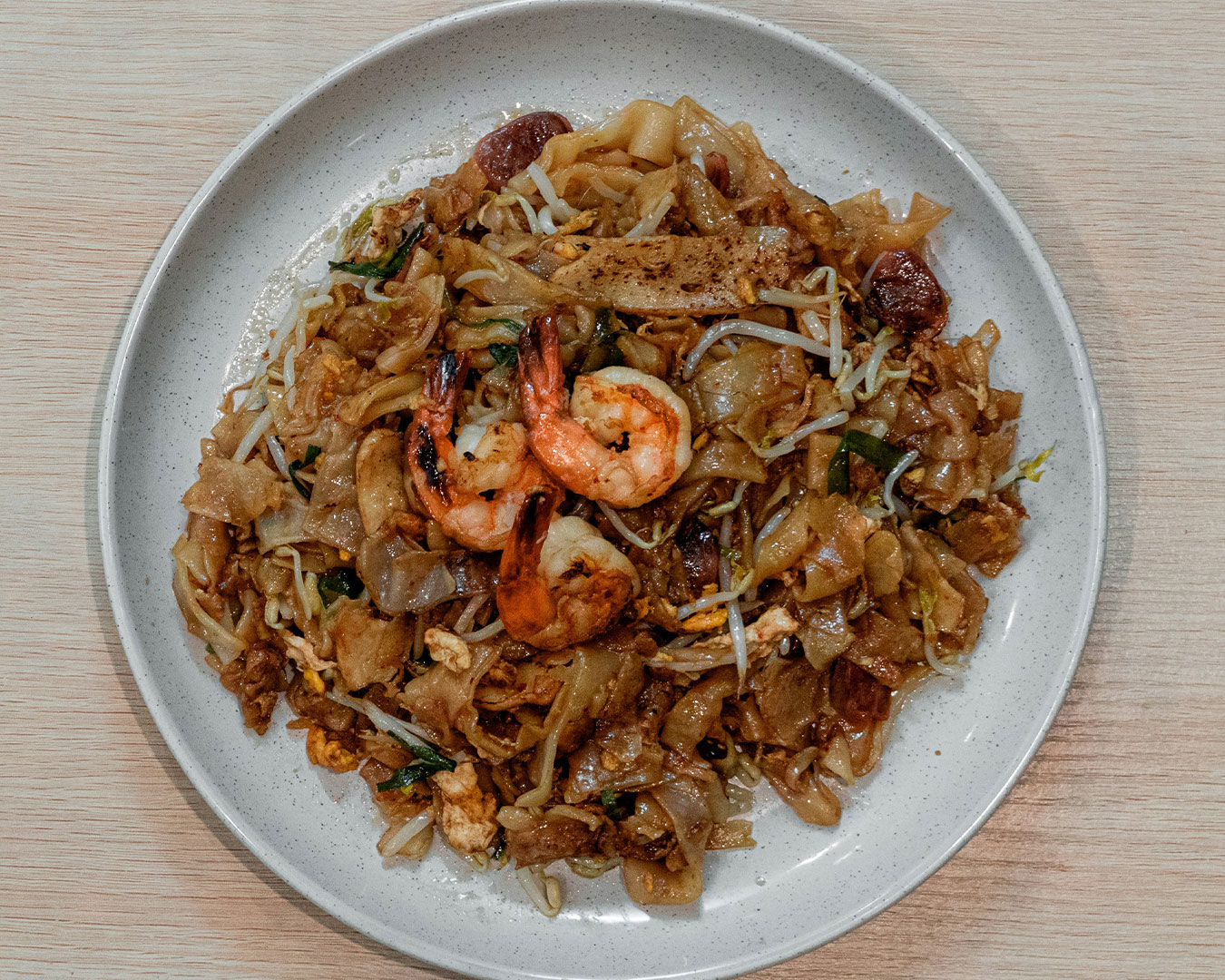
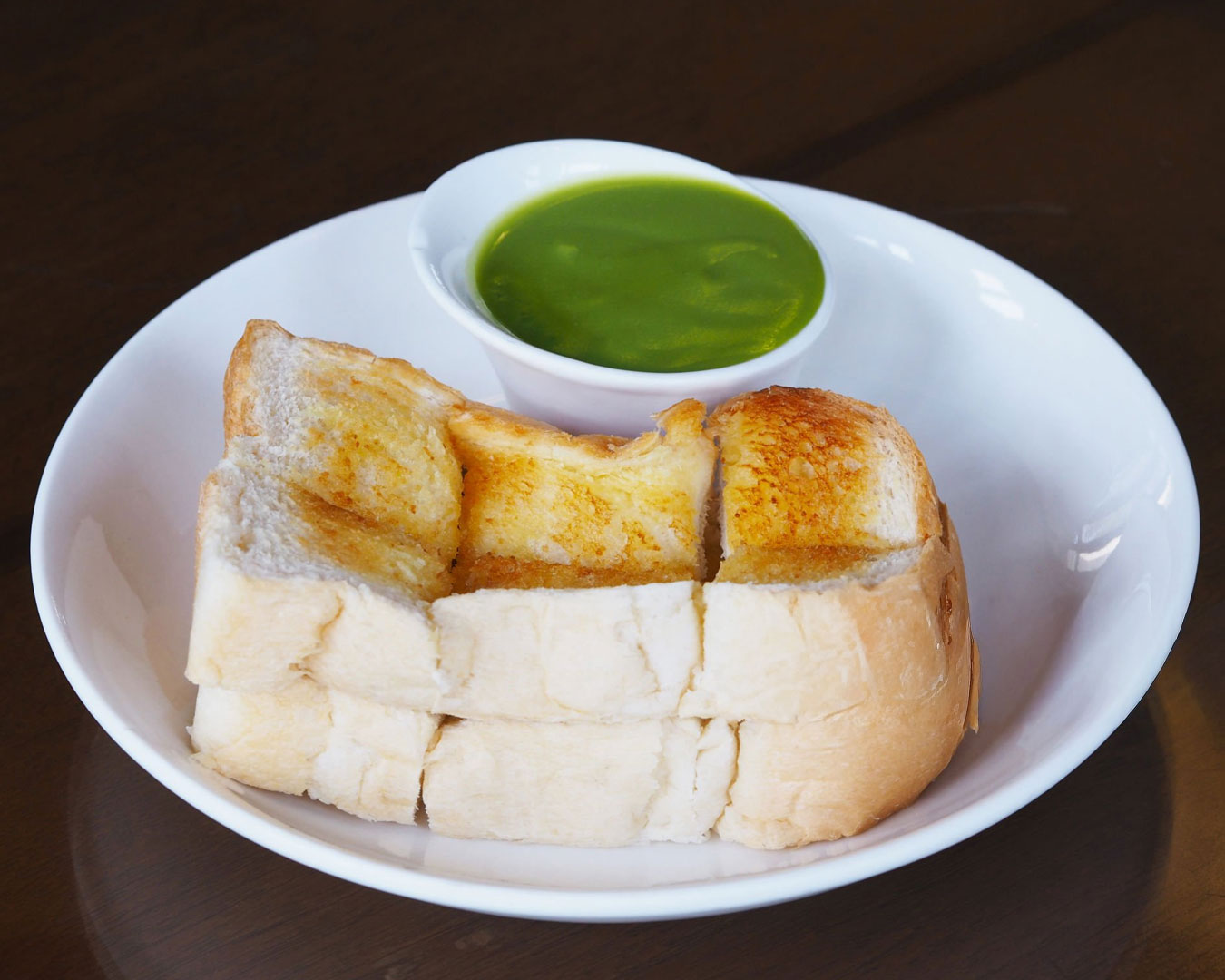
It often happens without warning. You sit down expecting something decent—maybe even forgettable—because the bill looks too good to be true. A $4 bowl of prawn noodles. A plate of chicken rice that costs less than your kopi. Or kaya toast, a traditional Singaporean breakfast item, for around S$2.00. These are just a few examples of iconic dishes available at affordable prices. Then the first bite lands, and suddenly your internal scale of value collapses.
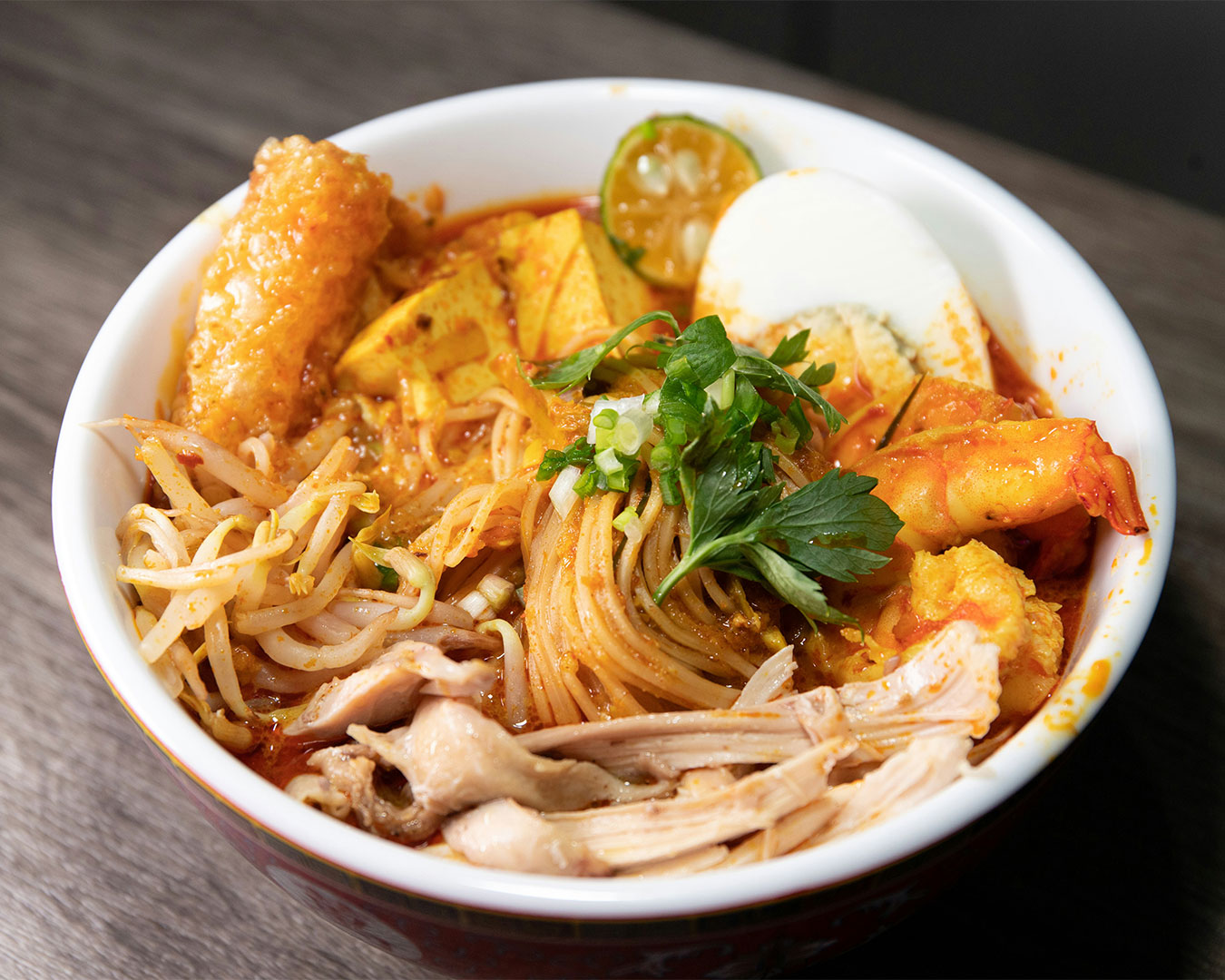
The broth is deep and patient, often made from pork bones simmered for hours. The seasoning restrained but confident, with fresh fish cakes and tofu adding texture. The noodles—be it rice noodles, flat noodles, or mee hoon kueh—are cooked just right. You pause, not because the food is flashy, but because it’s correct. Somewhere in that moment, you realise something unsettling: this tastes better than meals you’ve paid five times more for.
This is a city where taste often matters more than the bill. For anyone looking to eat well without overspending, Singapore offers a unique opportunity to enjoy affordable quality food. And understanding why reveals everything about Singapore food culture.
own palate.
The Myth of Price Equals Quality in Cheap Food
In many food capitals, cost is shorthand for credibility. Higher prices suggest better ingredients, more skill, more care. Singapore quietly dismantles this assumption every day.
That doesn’t mean expensive food here lacks value. It means price is simply a poor predictor of quality.
Why?
-
Cooking skill exists outside fine dining
-
Generational knowledge isn’t monetised by default
-
Competition is fierce at every level
-
Diners are unforgiving of mediocrity, regardless of price
A $3 laksa has to be good to survive. A $30 one can sometimes rely on story, setting, or novelty. In Singapore, the market rewards flavour far more consistently than positioning.
Singapore’s Culture of Accessible Excellence in Cheap Eats

Singapore’s food culture was built on feeding people well, not impressing them.
Hawker centres, kopitiams, and small eateries emerged to serve:
-
Workers on tight schedules
-
Families eating daily, not occasionally
-
Communities, not audiences
This created a system where:
-
Value mattered
-
Consistency mattered
-
Taste mattered
Over time, this evolved into something rare globally: accessible excellence. High standards became normalised at low price points. Not as a gimmick, but as expectation.
This is why visitors are stunned—and locals unfazed—by how good cheap food here can be.
Where Passion Outweighs Profit: The Taste-First Philosophy in Affordable Restaurants

Places where taste matters more than the bill are usually driven by people who see food as responsibility, not opportunity.
Common traits of taste-first establishments:
-
Owners still cooking daily, often preparing signature noodles or roast meats with care
-
Recipes refined, not reinvented, like the perfect carrot cake or authentic chicken rice
-
Prices adjusted reluctantly, if at all, keeping wallet friendly prices intact
-
Regulars prioritised over volume
These operators often know they could earn more by:
-
Cutting ingredient quality
-
Expanding menus
-
Chasing trends
They choose not to.
Why? Because once taste slips, identity follows.
From Hawker Centres to Neighborhood Kopitiams: The Go-To for Great Food
This philosophy appears across formats.
Hawker centres
-
$3–$5 dishes built on decades of refinement, including prawn noodles, hokkien mee, and nasi lemak
-
Ingredients bought daily, not optimised monthly
-
Labour-intensive techniques hidden behind simplicity, like slow-cooked pork bones for soup
For the best experience, try visiting hawker centres before or after peak hours. Going during off-peak hours helps you avoid long queues, enjoy faster service, and have a more relaxed meal.
Kopitiams
-
Familiar dishes executed with quiet precision, such as kaya toast and banh mi
-
Loyal regulars who don’t need convincing
-
No reason to impress strangers
Small family-run eateries
-
One or two dishes perfected endlessly, like the chopped lechon meal or signature noodles at Prince Noodles
-
Prices reflecting survival, not ambition
These are the places where affordable quality food Singapore diners treasure lives most naturally. Many of these small family-run eateries serve generous portions and flavour-packed meals, often accompanied by a variety of side dishes that complement and enhance the main courses.
Great Food Variety: Exploring the Diversity of Singapore’s Affordable Eats
Singapore’s food scene is a vibrant tapestry, woven from the culinary traditions of countless cultures and communities. This diversity is especially evident in the city’s affordable eats, where you can embark on a global food journey without ever straying far from your budget. Whether you’re craving something meaty, spicy, comforting, or light, Singapore’s array of cheap eats ensures there’s always a satisfying meal within reach.
For meat lovers, the city offers delights like the chopped lechon meal—a Filipino classic featuring succulent, slow-roasted pork with crispy skin, often found at places like Lechon Republic. If you’re in the mood for roast meats, Katsu-an serves up a tempting selection, from juicy chicken and tender pork to flavourful beef, all expertly prepared and wallet friendly. These dishes are perfect examples of how affordable restaurants in Singapore deliver both quality and value.
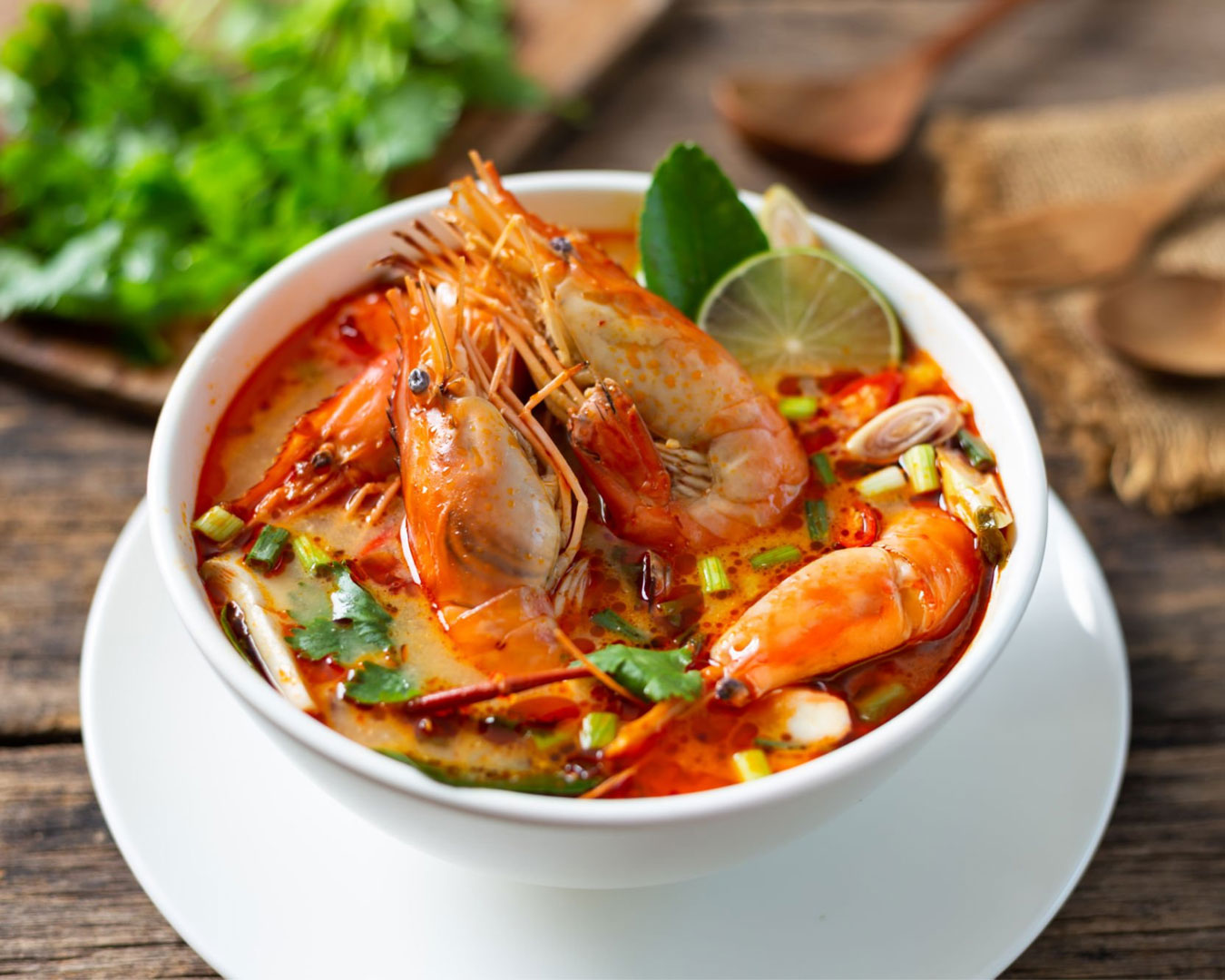
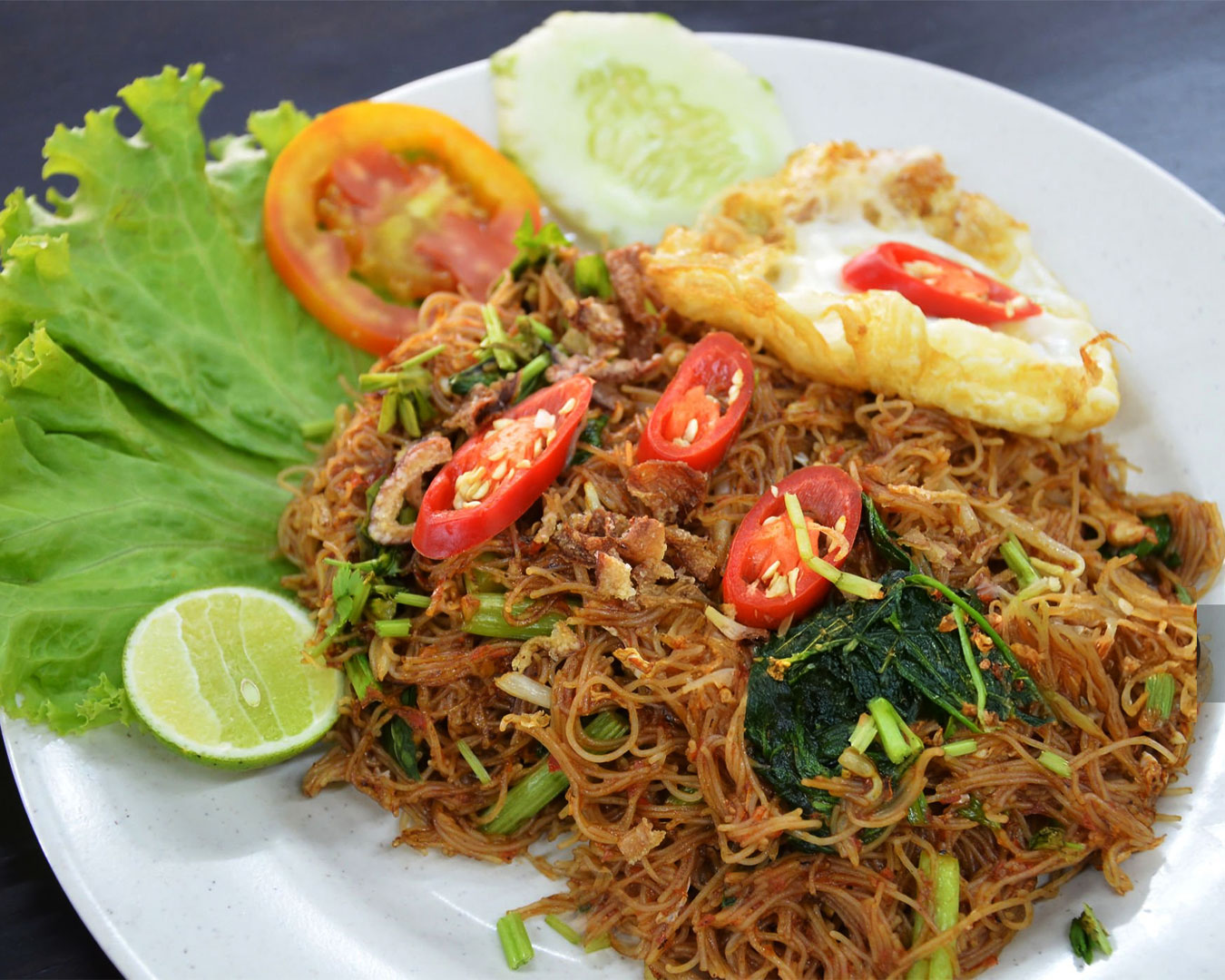
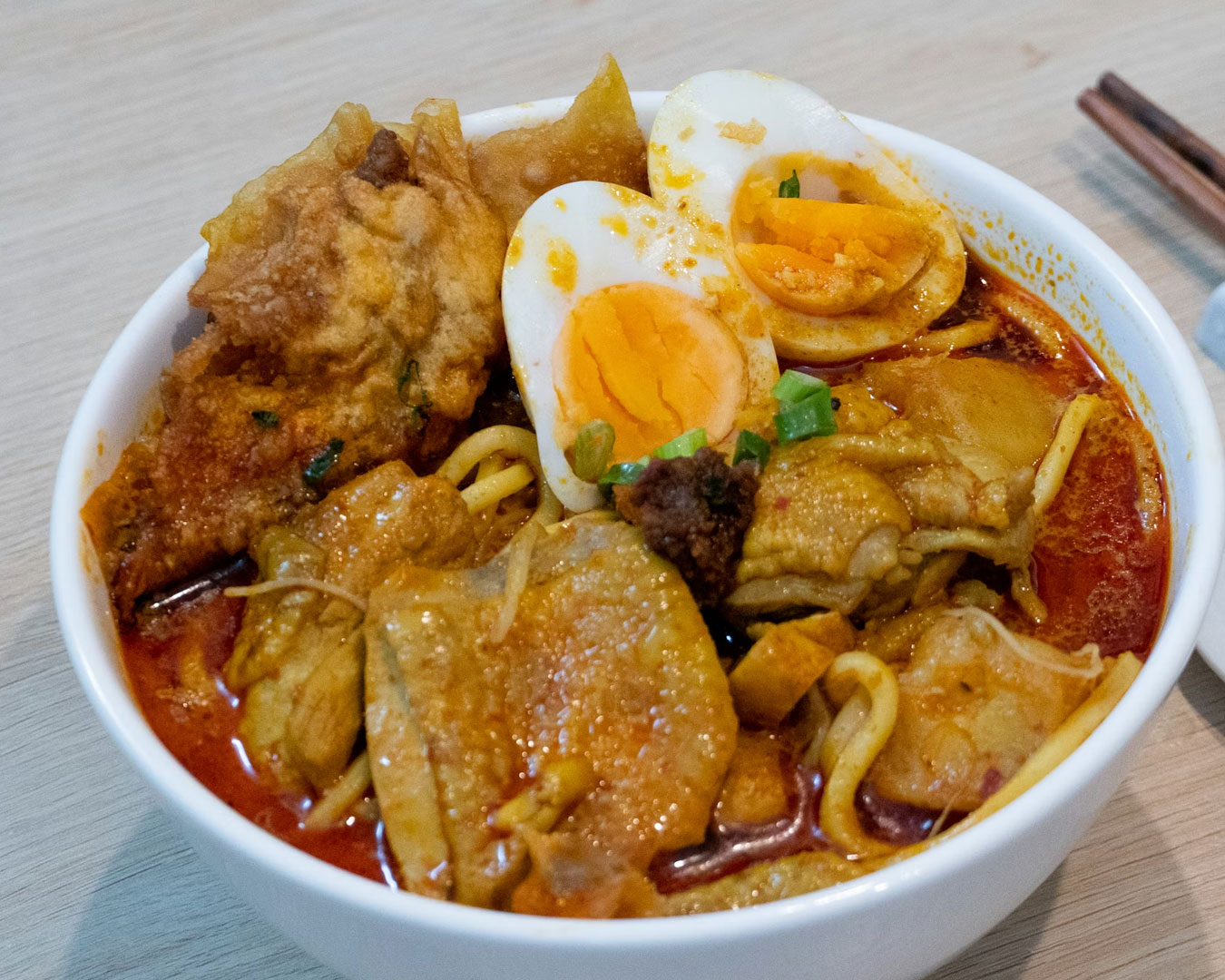
Noodle lovers have many choices in Singapore’s affordable food scene. Tom yum soup features a tangy broth with shrimp, mushrooms, and lemongrass, paired with rice noodles. Hor fun offers broad, flat noodles in a light savory broth with vegetables and meat or seafood. Prawn noodles combine a rich broth with springy noodles, pork, chicken, and fresh greens for a comforting meal.
Vegetarians and those seeking lighter options will find plenty to love as well. Vegetable curry, brimming with carrots, potatoes, and peas, offers a fragrant, satisfying alternative, while soft boiled eggs—often served with kaya toast or rice—make for a classic Singaporean breakfast that’s both simple and delicious.
Pasta lovers are also catered to with Tipo Pasta Bar, known for its high-quality, affordable pasta dishes featuring fresh ingredients and creative sauces. Some eateries even allow you to customize your own pasta by choosing noodles, sauces, and toppings for a personalized meal.
No matter your craving—be it spicy tom yum soup, roast meats, prawn noodles, or comforting hor fun—Singapore’s affordable food scene offers a wide variety of dishes and dining experiences, ensuring great food at wallet-friendly prices and chances to discover new flavors and hidden gems.
The Ingredients of Value: What Makes Taste Matter More in Best Cheap Eats
When price is low but flavour is high, something deliberate is happening. Affordable quality food in Singapore often relies on simple yet flavorful ingredients that deliver maximum taste without breaking the bank. Staples like rice, noodles, and fresh vegetables are commonly used, but key ingredients such as egg and coconut milk play a crucial role in many beloved dishes. For example, eggs are featured in breakfast classics like kaya toast with soft-boiled eggs, and are also found in noodle bowls, rice dishes, and stews, adding richness and texture. Coconut milk is an essential component in kaya jam for kaya toast, and is also used in certain soups and drinks to provide sweetness and depth.
A great example of value-driven dining is Caifan, or Economy Rice, which is a popular low-cost meal option in Singapore. This dish allows diners to choose from a variety of affordable toppings, including egg and vegetable dishes, making it a staple for those seeking both variety and value.
Where taste-focused places invest:
-
Fresh stock instead of powders, often simmered pork bones for rich soup bases
-
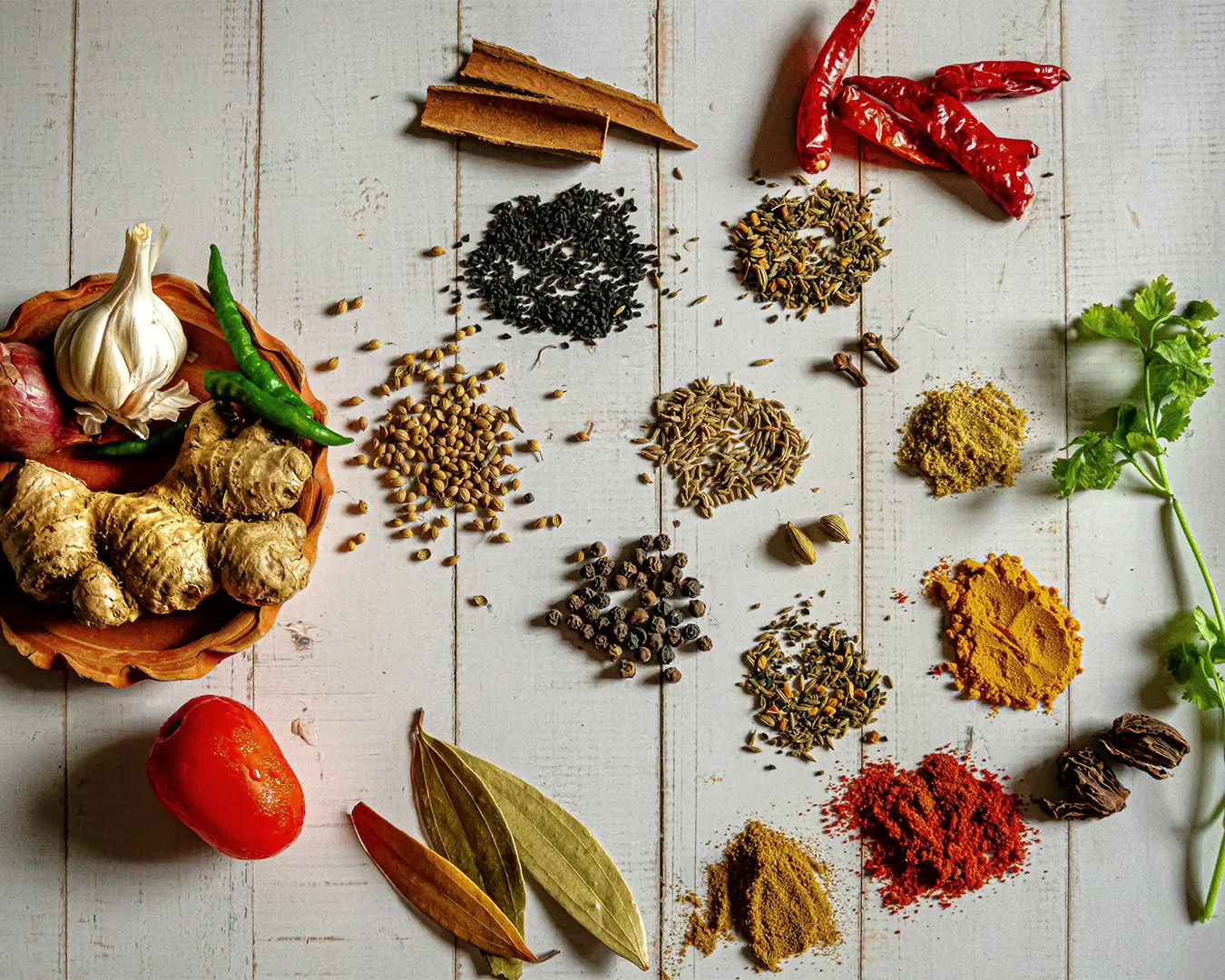
Whole spices over pre-mixed blends, giving tom yum soup and vegetable curry their authentic kick
-
Proper fermentation, marination, resting time, essential for dishes like char siew and cucumber kimchi
-
Cooking to order, even if slower, ensuring soft boiled eggs and fresh fish cakes are perfect
You are paying for flavour, not framing.
This is the essence of best value food Singapore has to offer: money redirected toward what ends up in your mouth.
Generational Recipes That Money Can’t Buy: Hidden Gems at Yishun Park Hawker Centre and Beyond
Some flavours cannot be purchased—only inherited.
Family-run stalls often carry:
Recipes adjusted incrementally over decades
Muscle memory that no training manual can teach
Taste calibrated to long-term regulars, not trends
These dishes are often underpriced because:
The owners don’t know how to monetise legacy
Raising prices feels like betrayal
“This is how it’s always been”
That stubbornness is precisely why the food remains extraordinary.
Places like Yishun Park Hawker Centre and other neighbourhood hawker centres are treasure troves of such hidden gems.
How to Recognize Taste-Focused Establishments Serving Affordable Quality Food Singapore
You don’t need a guidebook—just observation.
Look for places that are busy with locals, have a steady turnover of dishes, and display menus with clear prices. These are often signs of taste-focused establishments serving good food. In Singapore, most affordable restaurants offer mains priced under $10, making it easy to enjoy good food without breaking the bank.
Ask yourself:
Is the menu focused or bloated? (Taste-first places often have concise menus)
Is the person cooking invested or disengaged?
Does the food rely on balance, not intensity? (Like the subtle harmony in hor fun or mee hoon kueh)
Are regulars returning quietly?
Would this place survive without social media or Grab Dine promotions?
Taste-first places rarely chase you. They wait to be noticed.
The Economics of Quality Without Premium Pricing in Affordable Restaurants and Hawker Stalls
How do these places survive?
Affordable quality food in Singapore is possible because many eateries operate on high volume and low margins, focusing on efficiency and quick turnover. They often source ingredients locally or in bulk to keep costs down, and some may even share kitchen spaces to reduce overheads.
Additionally, many eateries in Singapore offer discounts and promotions through apps like Grab Dine Out. Customers can apply these deals directly to their total bill, making dining out even more affordable without compromising on quality. This approach helps attract more customers and ensures steady business, allowing these establishments to thrive despite offering lower prices.
Common survival models:
High turnover at low margins
Extremely lean operations
Family labour
Minimal waste
Loyal daily customers
They trade scalability for stability. Growth for continuity.
This makes them fragile—but also irreplaceable.
Conclusion: Choosing With Your Palate, Not Your Wallet for the Best Cheap Eats
Where taste matters more than the bill, food returns to its proper role: nourishment, comfort, expression. These places remind us that great cooking doesn’t require spectacle, and that passion often lives far from profit optimisation.
Seeking out these establishments isn’t about saving money. It’s about aligning your choices with values that prioritise craft, tradition, and care. When you choose flavour over framing, you help preserve the culture that made Singapore a food city in the first place.
So wander beyond tourist streets. Trust your palate. Return to the places that cook with intention, not ambition.
And if you want guidance on where taste truly reigns supreme, visit SGfoodietravels—where we celebrate Singapore’s most honest, flavour-driven dining experiences, one modest bill at a time.