Introduction: When Vegetarian Food Stopped Feeling “Alternative” in Singapore’s Vibrant City State
Not long ago, ordering vegetarian food in Singapore came with assumptions. It was what you ate on the first and fifteenth day of the lunar month, what you chose out of obligation rather than desire, or what you settled for when eating with someone who didn’t take meat. Vegetarian food existed—but it sat on the margins.
Today, that has changed.
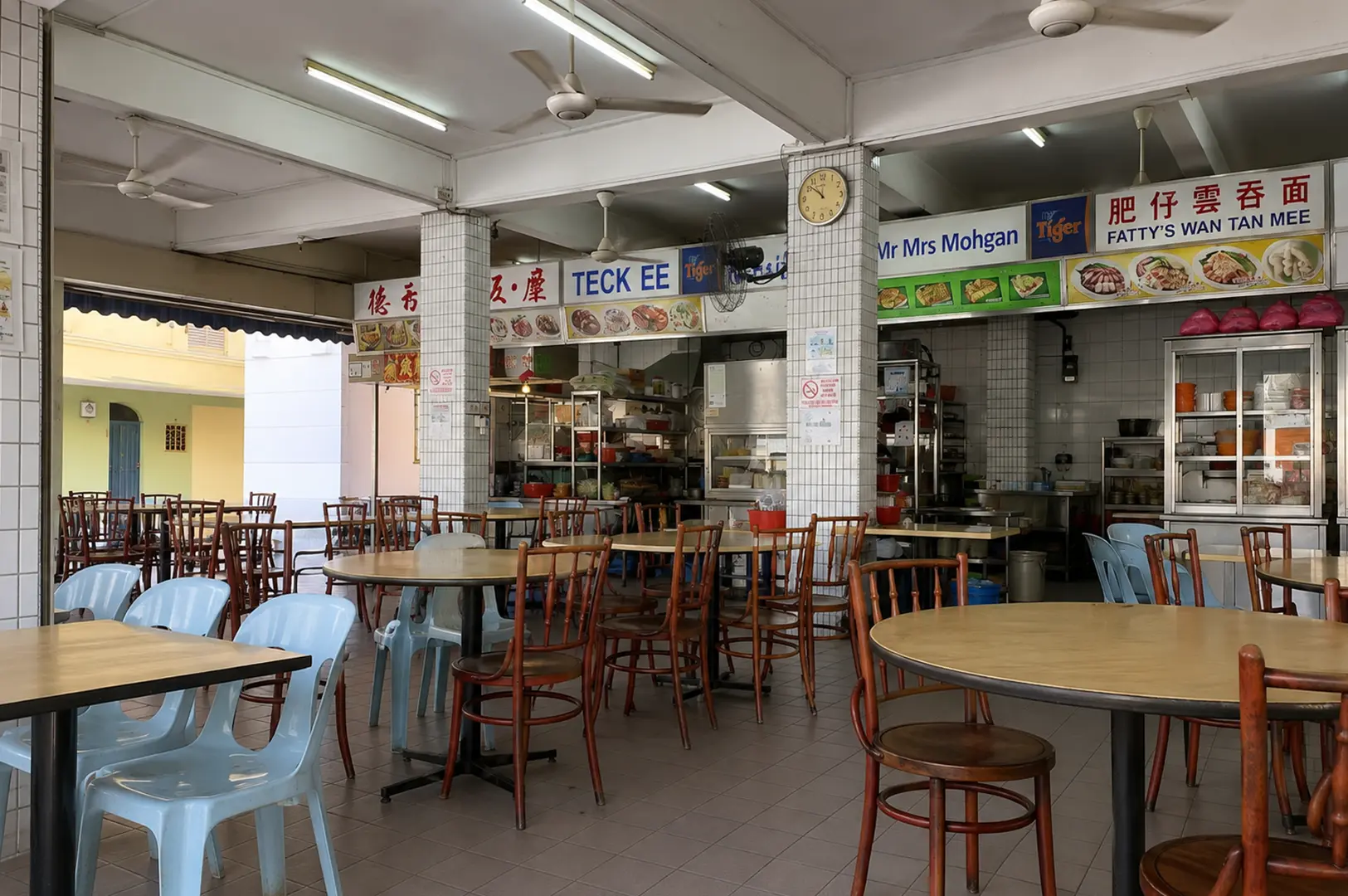
Walk through a hawker center or food courts at lunch hours, and vegetarian stalls no longer feel peripheral. They have queues. They have regular customers. They have options that go beyond mock meat and plain vegetables. Students order vegetarian bee hoon without thinking twice. Office workers choose thali sets over fast food. Families share vegetarian zi char dishes not because they must, but because they want to.
The rise of cheap vegetarian food Singapore diners enjoy isn’t driven by ideology alone. It’s driven by taste, affordability, accessibility, and habit. What was once niche has become normal. What was once framed as “cheap vegetarian food Singapore” is now simply everyday food—quietly woven into how the city eats.
From Religious Roots to Everyday Meals: Pure Vegetarian Traditions at the Buddha Tooth Relic Temple and Beyond
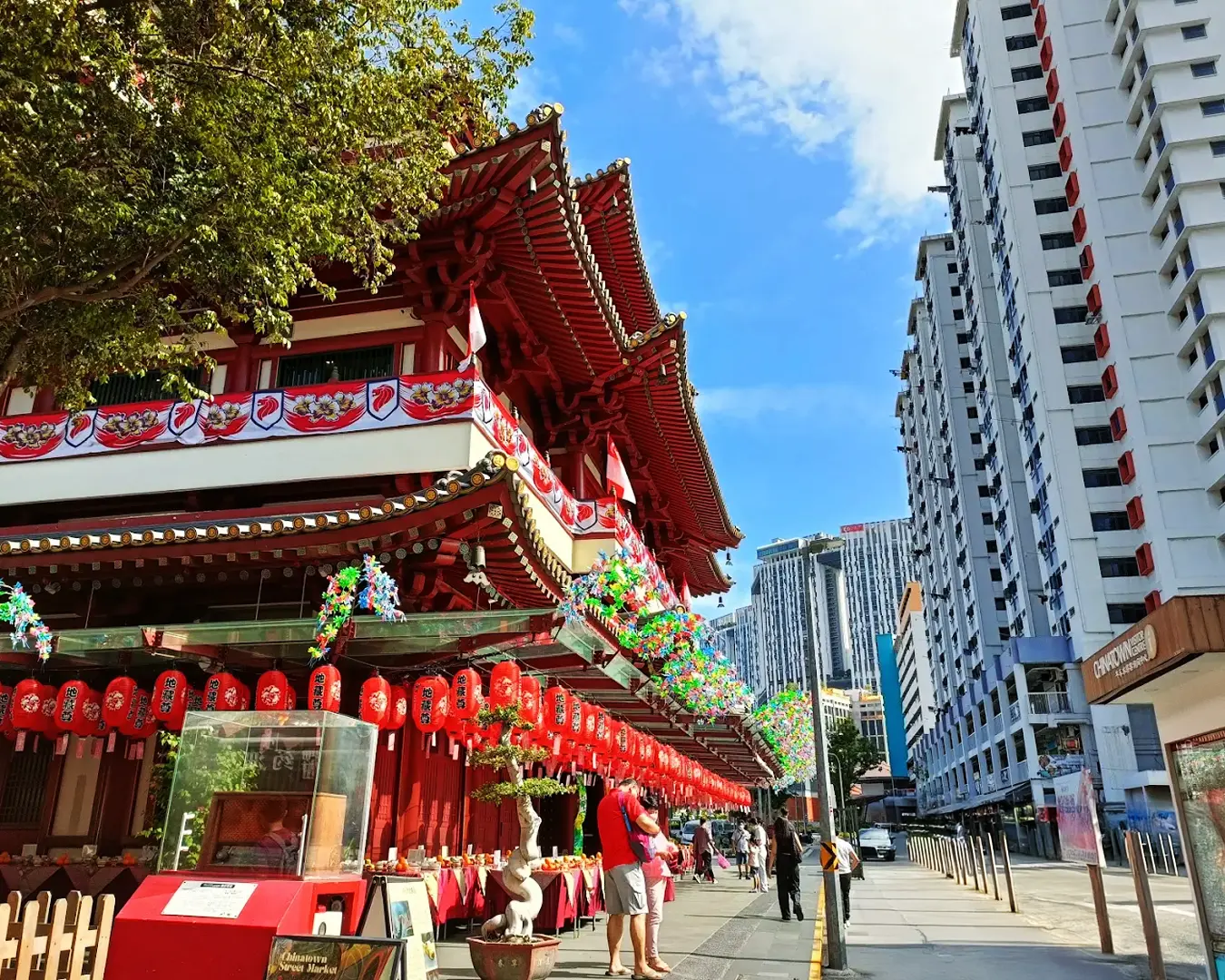
Vegetarian food has always existed in Singapore, particularly within Chinese Buddhist and Taoist traditions. The Buddha Tooth Relic Temple, a hidden gem in Chinatown, houses a pure vegetarian hawker stall and food court in its basement, serving affordable and authentic dishes that attract locals and visitors alike.
For decades, vegetarian stalls catered primarily to devotees, offering dishes designed around ritual observance rather than broad appeal.
What’s changed is reach.
These stalls now feed office workers, students, retirees, and curious diners who may not identify as vegetarian at all. The food remains affordable, often falling into what many still call “budget vegetarian Singapore,” but the audience has expanded dramatically.
The shift happened not because the food changed completely—but because people did.
Indian Food: A Foundation of Affordable and Filling Vegetarian Meals in Little India
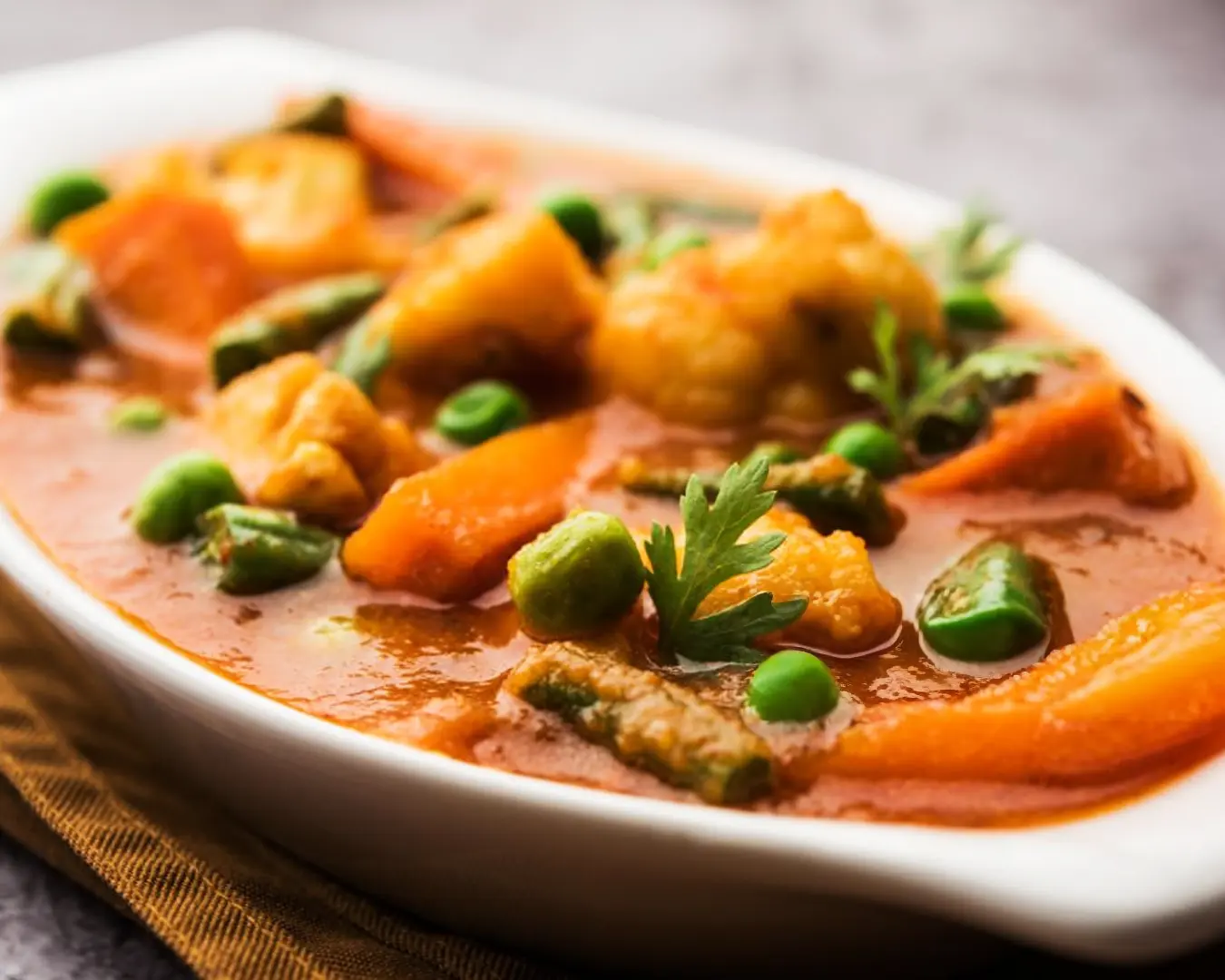
If any cuisine normalized vegetarian eating in Singapore early on, it was South Indian food.
Dosai, idli, vadai, vegetable curry, and rice-based meals have always been:
-
Affordable
-
Filling
-
Balanced
-
Widely available
Little India remains a hotspot for finding vegetarian food that serves authentic Indian delights at wallet-friendly prices. Restaurants here cater to the large Indian population and beyond, offering dishes like vegetable curry and nasi lemak that satisfy many palates.
For generations, Indian vegetarian eateries have served meals that cost less than many fast-food combos while delivering complexity and nourishment.
As vegetarian eating gains popularity across communities, these places feel less like niche destinations and more like anchors—quiet proof that eating well without meat has always been possible.
Chinese Vegetarian Hawker Food Finds Its Confidence: From Mock Meat to Fresh Vegetables and Homemade Sauces
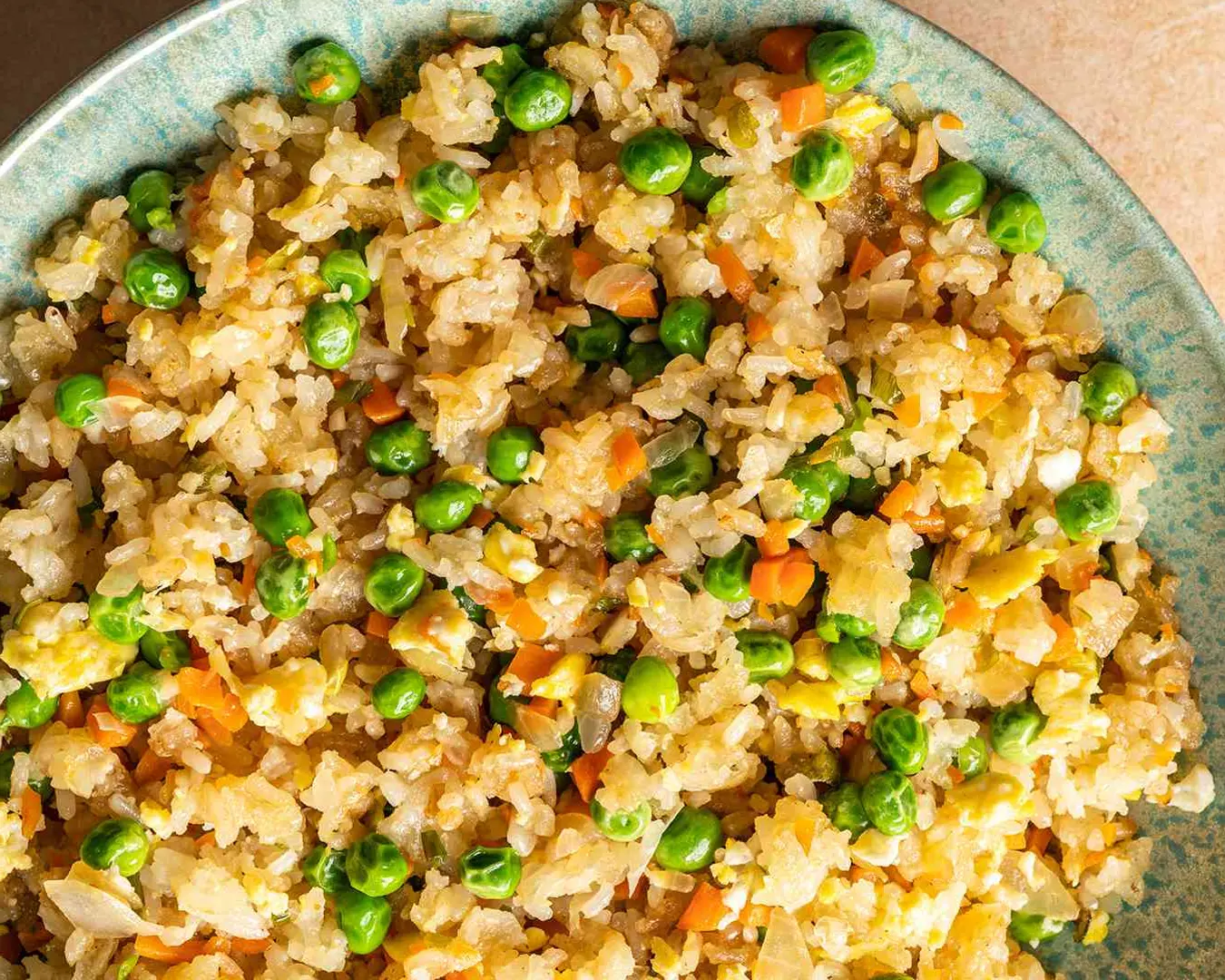
Chinese vegetarian hawker stalls have undergone one of the most interesting evolutions.
Once heavily reliant on mock meat designed to replicate pork or chicken, many stalls now:
-
Use fresh vegetables more creatively
-
Focus on sauces, braising, and wok techniques
-
Offer lighter, cleaner flavours alongside richer options like braised Ipoh hor fun and crispy beancurd skin
Most dishes at these stalls include popular options like fried rice and brown rice, which are both healthy and affordable. Hawker centers in Singapore feature vegetarian stalls serving a variety of dishes influenced by the country’s multicultural background.
The result is food that appeals not just to vegetarians, but to diners seeking comfort without heaviness. It’s common now to see mixed tables where some order roast meats while others order vegetarian versions of fried noodles or ban mian—without explanation or awkwardness.
This normalisation is key to why vegetarian eating continues to grow.
The Economics of Popularity: Why Cheap Vegetarian Food Fits Today’s Singapore
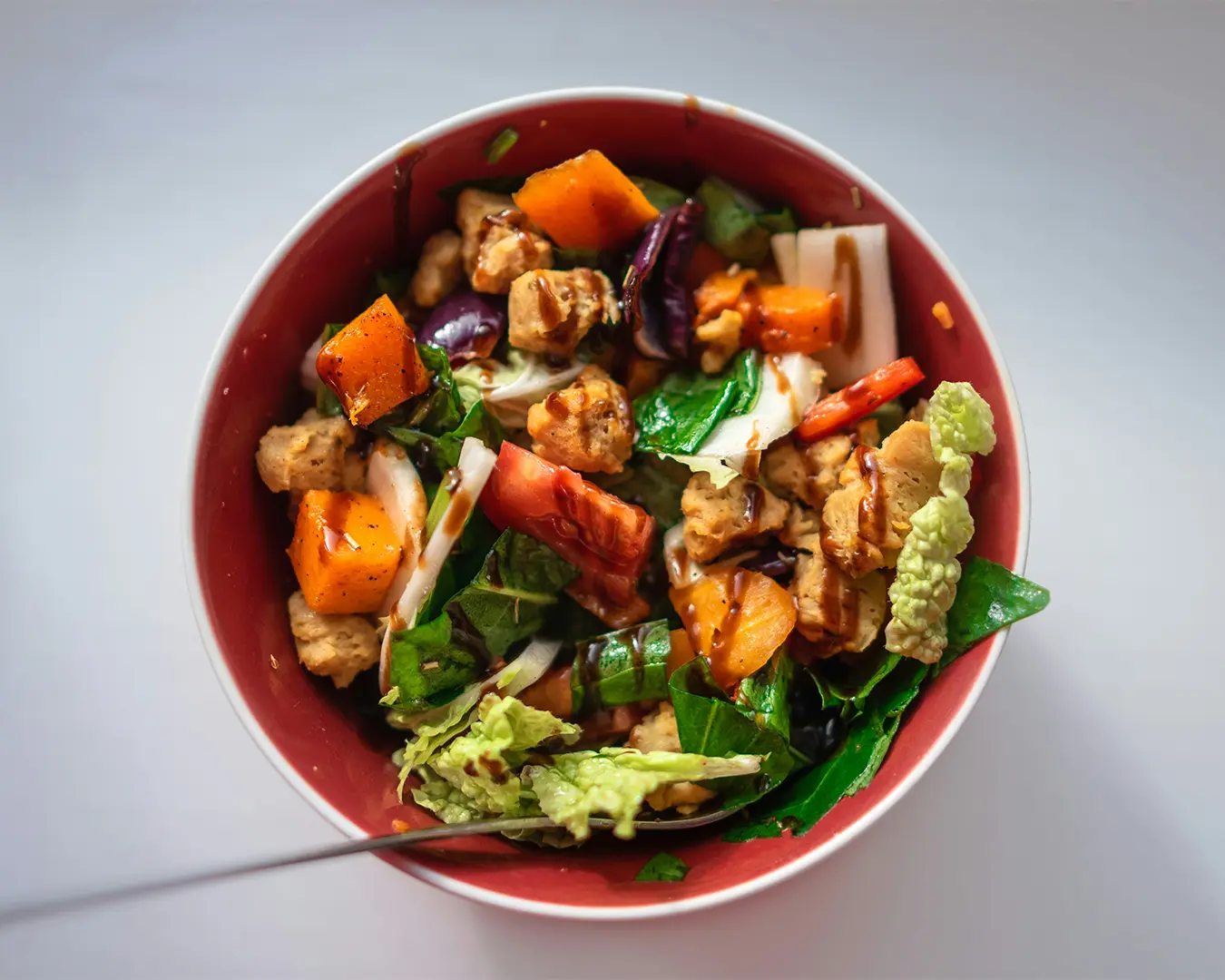
Vegetarian meals work well within Singapore’s economic reality.
For hawkers and small operators:
-
Vegetables cost less than meat
-
Supply chains are more stable
-
Prep can be streamlined without sacrificing quality
For diners:
-
Meals remain affordable
-
Portions are generous
-
Daily eating feels sustainable
This mutual advantage helps explain why cheap vegetarian food Singapore diners rely on hasn’t disappeared—it has multiplied.
The popularity isn’t driven by novelty. It’s driven by practicality.
Hawker Centres as the Engine of Change: Where Many Stalls Serve Vegetarian Food
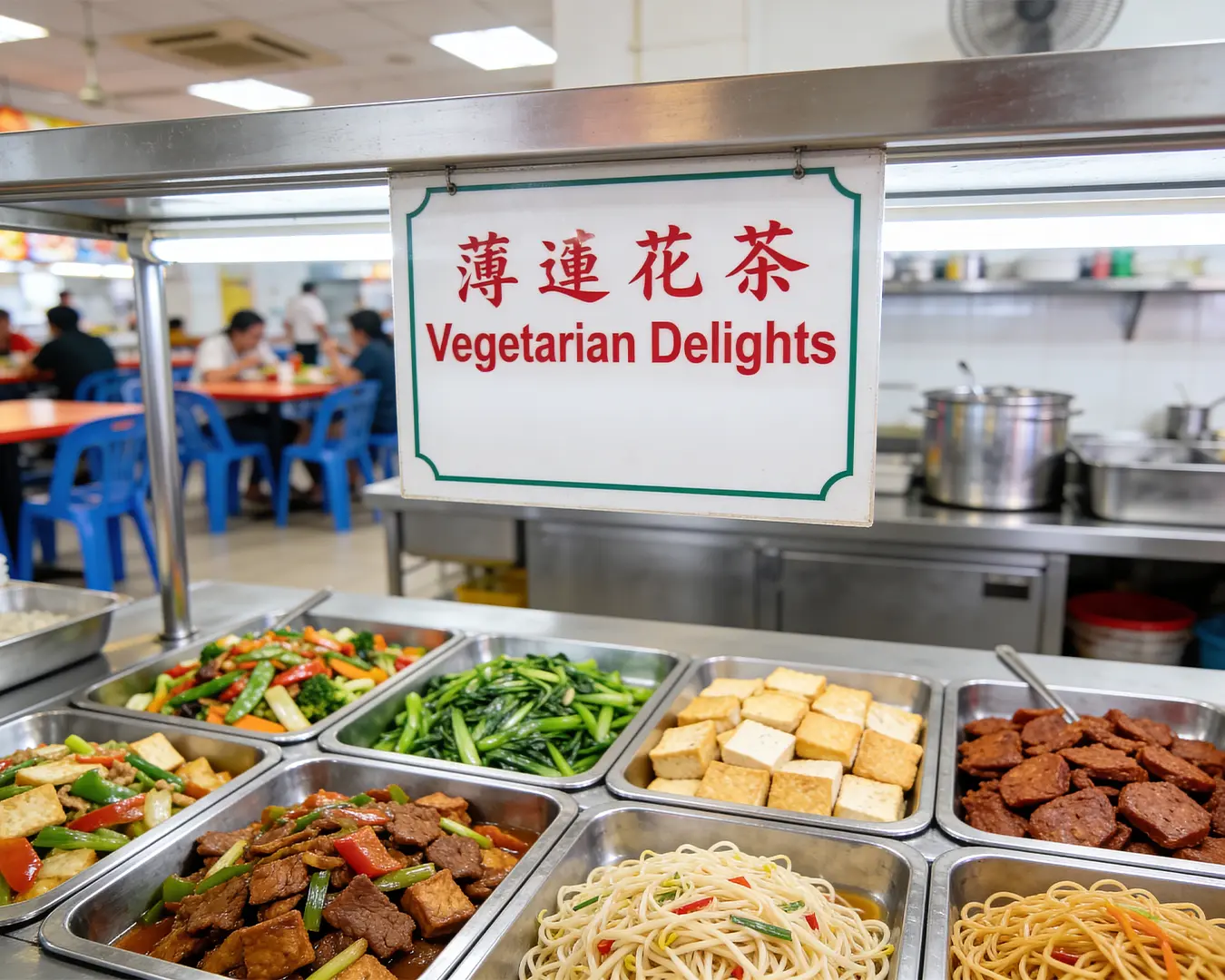
Hawker centers play a central role in making vegetarian meals mainstream.
They offer:
Low commitment (one meal, no lifestyle change required)
Visibility (vegetarian stalls sit alongside everything else)
Repetition (regular customers return weekly, sometimes daily)
In these spaces, vegetarian eating stops being a statement and becomes a habit. A lunchtime choice. A budget-conscious decision. A satisfying meal.
This is how food culture changes—not through campaigns, but through routines. If you’re exploring affordable vegetarian dining options, click here to learn more about Pine Tree Cafe at Fortune Centre, known for its tasty and budget-friendly meals.
Vegetarian Restaurants: Affordable Dining Beyond the Hawker Centre
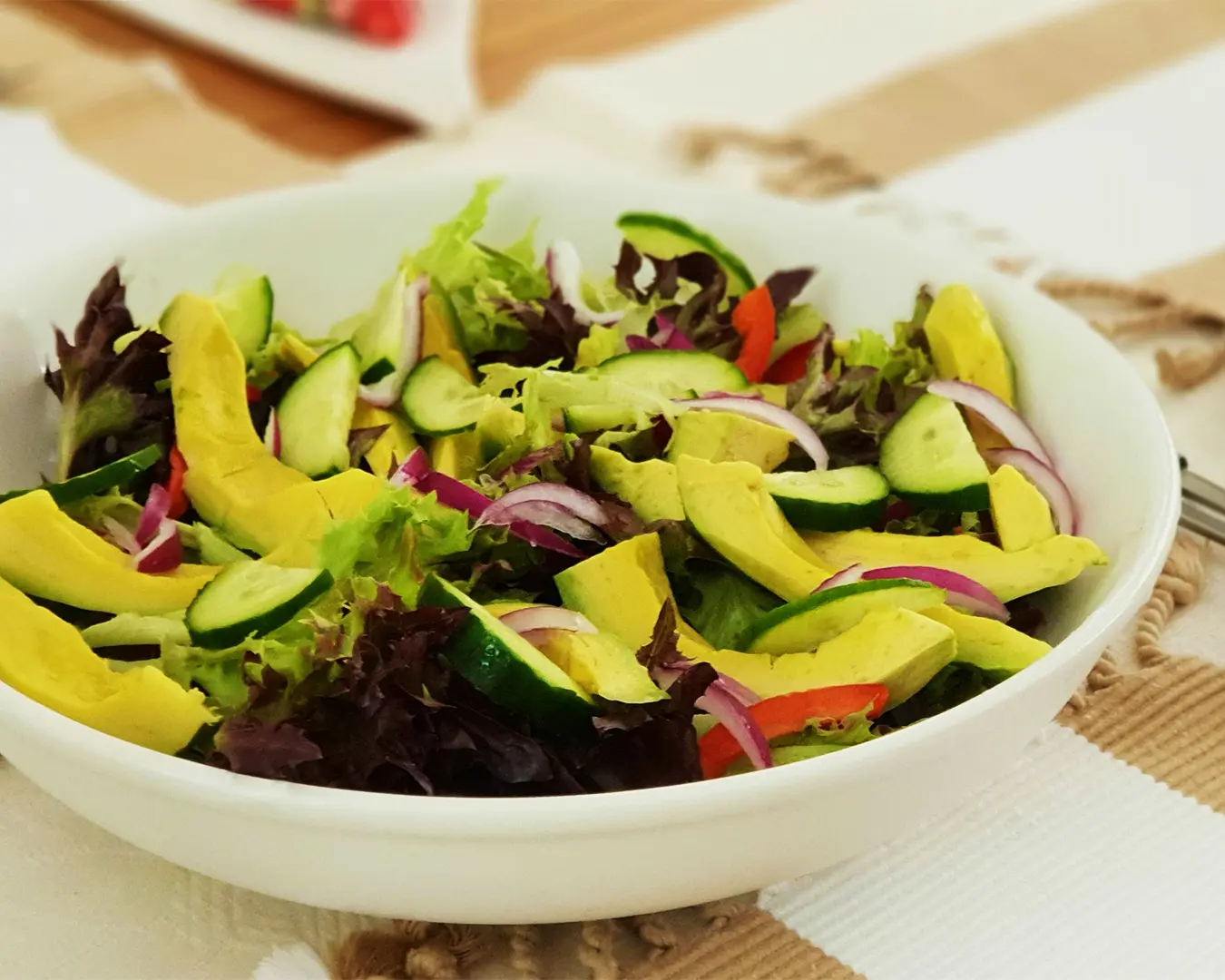
Singapore’s love for vegetarian food isn’t limited to bustling hawker centres—step outside and you’ll find a vibrant network of vegetarian restaurants offering cheap vegetarian food for every craving and budget. From cozy eateries serving up classic Indian thali sets to modern spots with inventive plant-based menus, the city’s vegetarian dining scene is as diverse as its people.
Green Dot and Boneless Kitchen serve vegetarian and vegan food with friendly service and multiple locations across the city, offering dishes such as mushroom soup bowls, vegetarian pizza, and vegan burgers.
Beyond Lian Xin, Singapore’s vegetarian restaurants continue to push boundaries, offering everything from hearty rice and noodle dishes to innovative plant-based creations. With so many affordable choices, finding vegetarian food that’s both delicious and accessible has never been easier—making vegetarian dining a natural part of everyday life in Singapore.
Younger Diners and the Normalisation of Flexitarian Eating: Vegan Options and Plant Based Menus Gain Traction
Younger Singaporeans approach vegetarian and vegan food differently.
For many:
It’s not about labels
It’s about balance
It’s about variety
A student might eat vegan pho during the week and meat on weekends. An office worker might alternate based on mood or budget. There’s no moral framing—just preference.
This flexibility fuels demand. Affordable vegetarian and vegan meals Singapore-wide now serve people who don’t identify as vegetarian but eat that way often enough to sustain the ecosystem.
Restaurants and vegetarian cafes along Orchard Road and in Fortune Centre offer low calorie menus, plant based menus, and gluten free options, catering to diverse dietary needs. Many of these establishments are also vegan friendly, making them accessible to a wider audience.
For those looking for cheap and delicious vegetarian food options specifically within Fortune Centre, this Fortune Centre food guide for cheap and good eats in Bugis provides an excellent resource.
Taste, Not Virtue, Drives Adoption: Local Delights Like Thunder Tea Rice and Penang Rendang
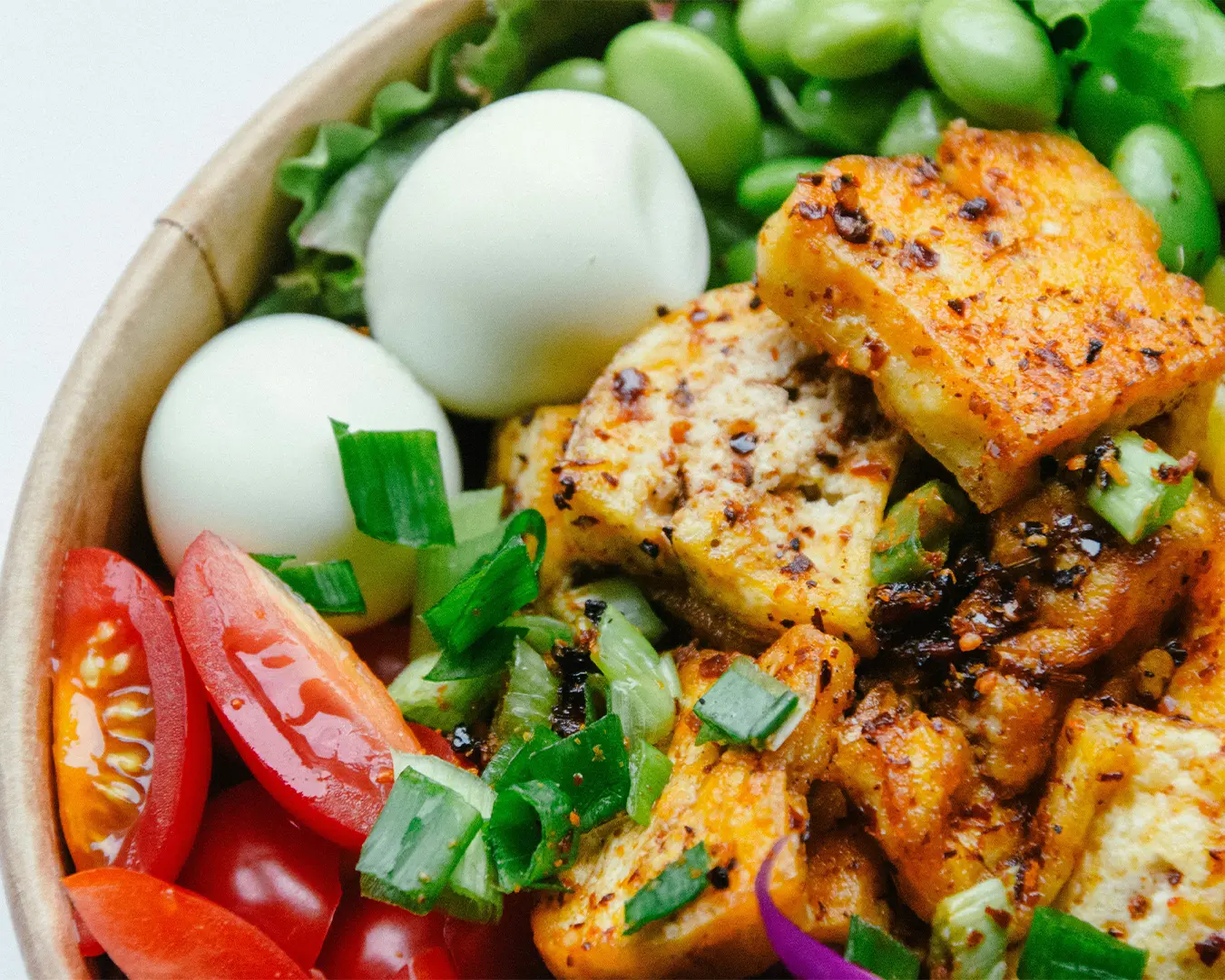
One of the most important reasons vegetarian food is growing in popularity is simple: it tastes good.
The stalls that thrive don’t lecture. They cook.
They focus on:
-
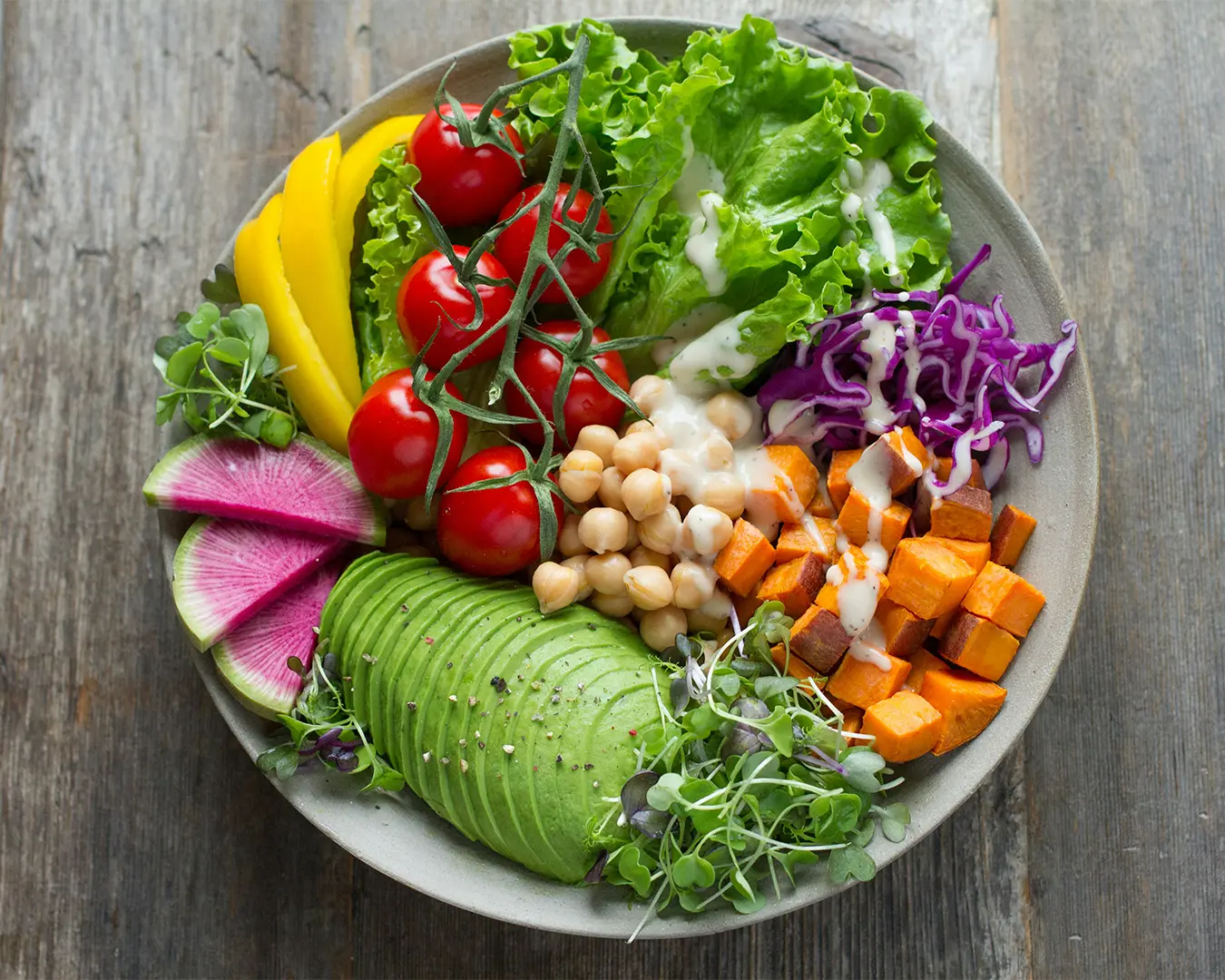
Well-seasoned vegetables and plant based food
-
Proper textures
-
Familiar flavours done well, such as signature rendang, thunder tea rice, and crab noodles
Many stalls also offer other dishes such as sour soya nuggets, a popular item at Green Dot, alongside a variety of Asian-inspired vegetarian options.
When diners discover that a $4 vegetarian dish satisfies as much as a meat-based one, the decision becomes easy. No persuasion required.
Taste leads. Philosophy follows, if at all.
The Role of Convenience and Accessibility: Finding Vegetarian Food Everywhere in Singapore
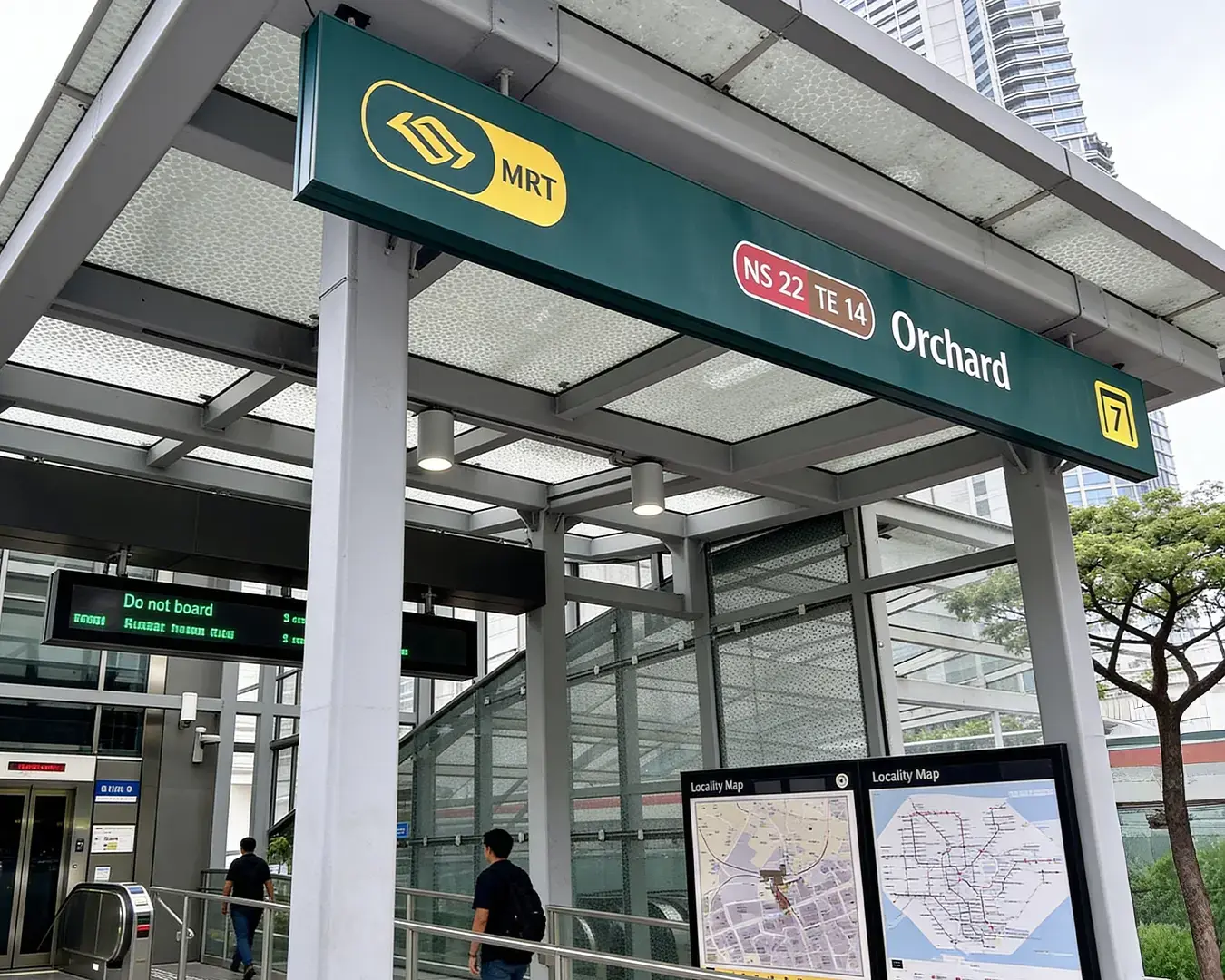
Vegetarian food in Singapore is everywhere:
-
Near MRT stations
-
In school canteens
-
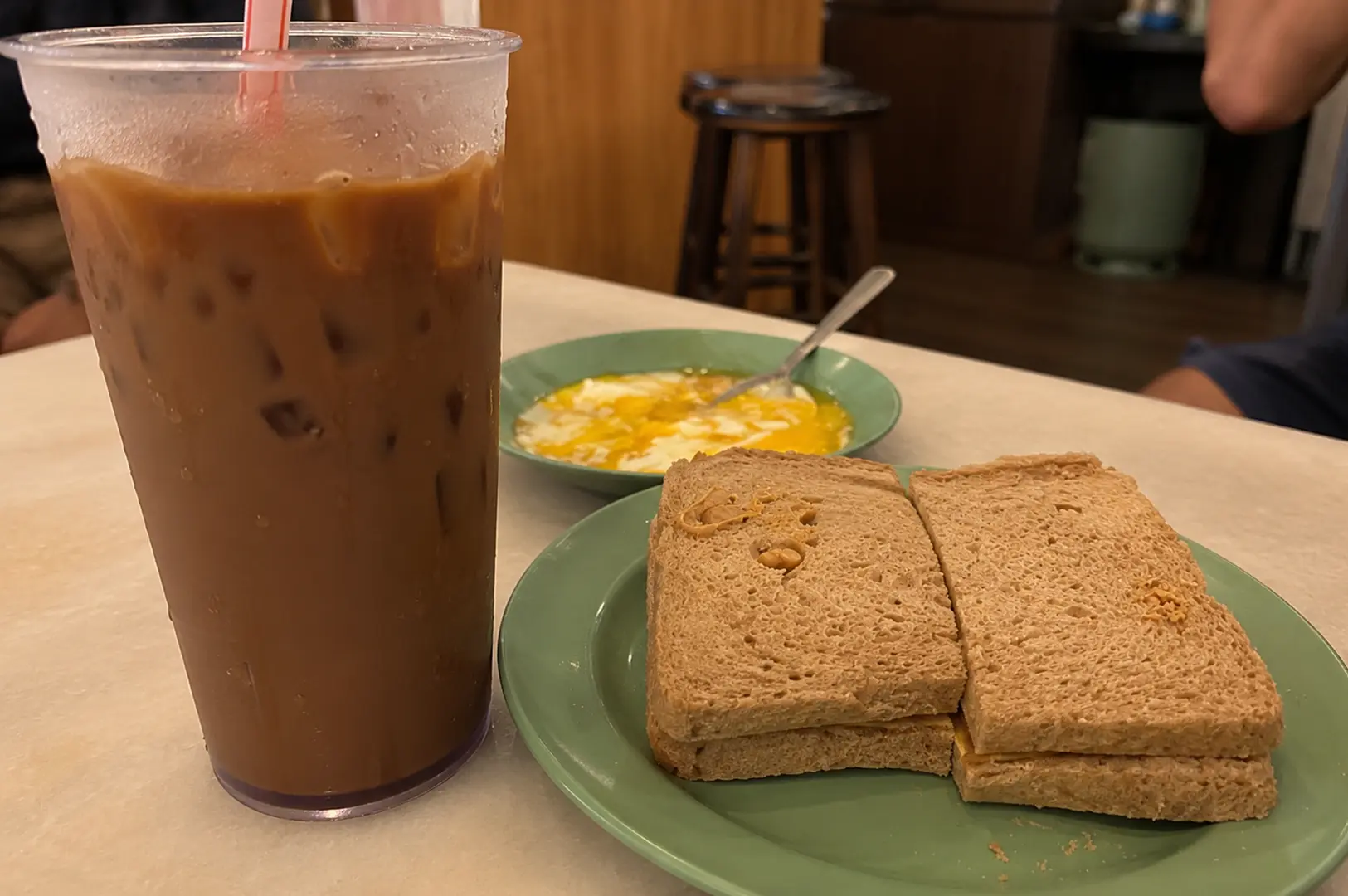
In neighbourhood kopitiams
-
Inside food courts and malls
You don’t have to seek it out deliberately. That accessibility matters.
When vegetarian meals are convenient, they stop feeling like effort. This ease is a major reason why budget vegetarian Singapore options continue to gain traction without fanfare.
Not a Trend, But a Rebalancing: Vegetarian Food as a Complement to Meat in Singapore’s Food Culture
It would be inaccurate to call this a vegetarian “boom” in the way plant-based dining surged in some Western cities. Singapore’s shift is quieter and more durable.
This isn’t about replacing meat. It’s about rebalancing the plate.
Vegetarian meals now sit comfortably within the everyday rhythm of eating. They coexist with roast meats, seafood, and zi char. Singapore offers a remarkable diversity of Asian food, with many restaurants serving both traditional and modern vegetarian options alongside local favorites like KL Noodle, Bak Ku Teh, and nasi lemak. Compared to other destinations in Southeast Asia, Singapore stands out for its unique diversity and accessibility of vegetarian food, making it easier for travelers to find affordable and delicious options. If you want to experience this vibrant and inclusive food culture, visit Singapore and discover its rich array of cheap vegetarian food.
That coexistence is what makes the change lasting.
What This Means for Singapore’s Food Culture: Preserving Diversity and Accessibility
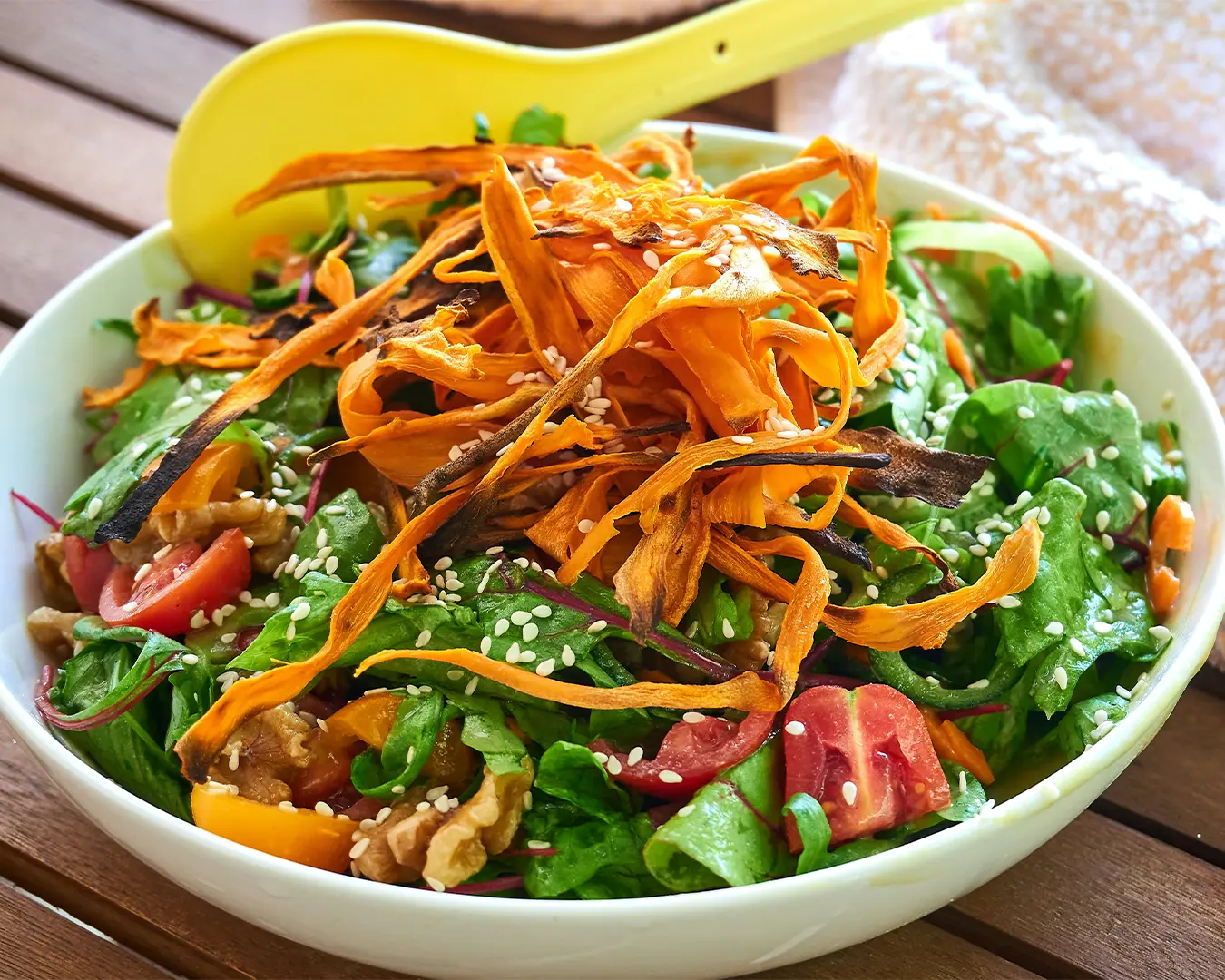
The growing popularity of vegetarian meals strengthens Singapore’s food ecosystem rather than diluting it.
It:
-
Preserves hawker diversity
-
Keeps daily eating affordable
-
Encourages culinary creativity—many vegetarian restaurants in Singapore focus on whole foods, offering nutrient-rich and creative plant-based dishes
-
Reduces dependence on rising meat costs
Vegetarian restaurants also play an important role in preserving the diversity and accessibility of Singapore’s food scene.
Most importantly, it reinforces a core Singaporean value: good food should be accessible.
When affordable vegetarian meals Singapore diners love become part of daily life, the city’s reputation as a food capital doesn’t weaken—it deepens.
Conclusion: Everyday Vegetarian Eating, the Singapore Way
Vegetarian meals in Singapore didn’t rise through hype or ideology. They grew through habit, affordability, and quiet excellence. What was once peripheral is now embedded in everyday life—from hawker centres to kopitiams, from students to retirees.
This shift tells a larger story about how Singapore eats. It shows a culture comfortable adapting without losing its roots, open to change without abandoning flavour, and practical enough to let taste lead the way.
Whether you’re vegetarian, flexitarian, or simply curious, the popularity of vegetarian food today isn’t asking you to commit—it’s inviting you to participate. One meal at a time.
And as long as these meals remain affordable, satisfying, and woven into daily routines, vegetarian food in Singapore will continue to grow—not as a trend, but as a norm.
If you want to explore beyond cheap vegetarian food in Singapore, visit SGFoodieTravels for more information about the culinary scene in Singapore, also why share your favorite dining spots in the comment section below.