Introduction: Following the Smell Beyond the Turnstiles
It starts the same way for many Singaporeans—tapping out at an MRT gantry, half-awake, already thinking about food. Before the escalator even levels out, there’s a familiar aroma in the air: kopi brewing somewhere nearby, freshly steamed bao, fried garlic hitting hot oil. You haven’t even left the station, yet breakfast is already calling.
In a city where efficiency is prized and good food is a national obsession, the MRT has shaped how Singapore eats. It has preserved hawker heritage, democratized access to great meals, and turned daily commutes into food journeys. To understand Singaporean food culture, sometimes all you need is an EZ-Link card—or a Singapore Tourist Pass—and a healthy appetite.
The MRT as Singapore’s Culinary Highway: Food Centres and More
Singapore’s MRT system connects more than neighbourhoods—it connects food ecosystems.
With stations embedded into residential estates, business districts, schools, and industrial areas, the MRT naturally funnels diverse crowds past food establishments every day. Breakfast seekers, office workers, students, retirees, tourists—all converge at predictable times, creating a steady rhythm that food vendors learn to cook around.
Unlike cities where great food requires detours, Singapore’s best meals are often on the way. The MRT turns everyday movement into culinary opportunity, making excellent food accessible without cars, taxis, or elaborate planning.
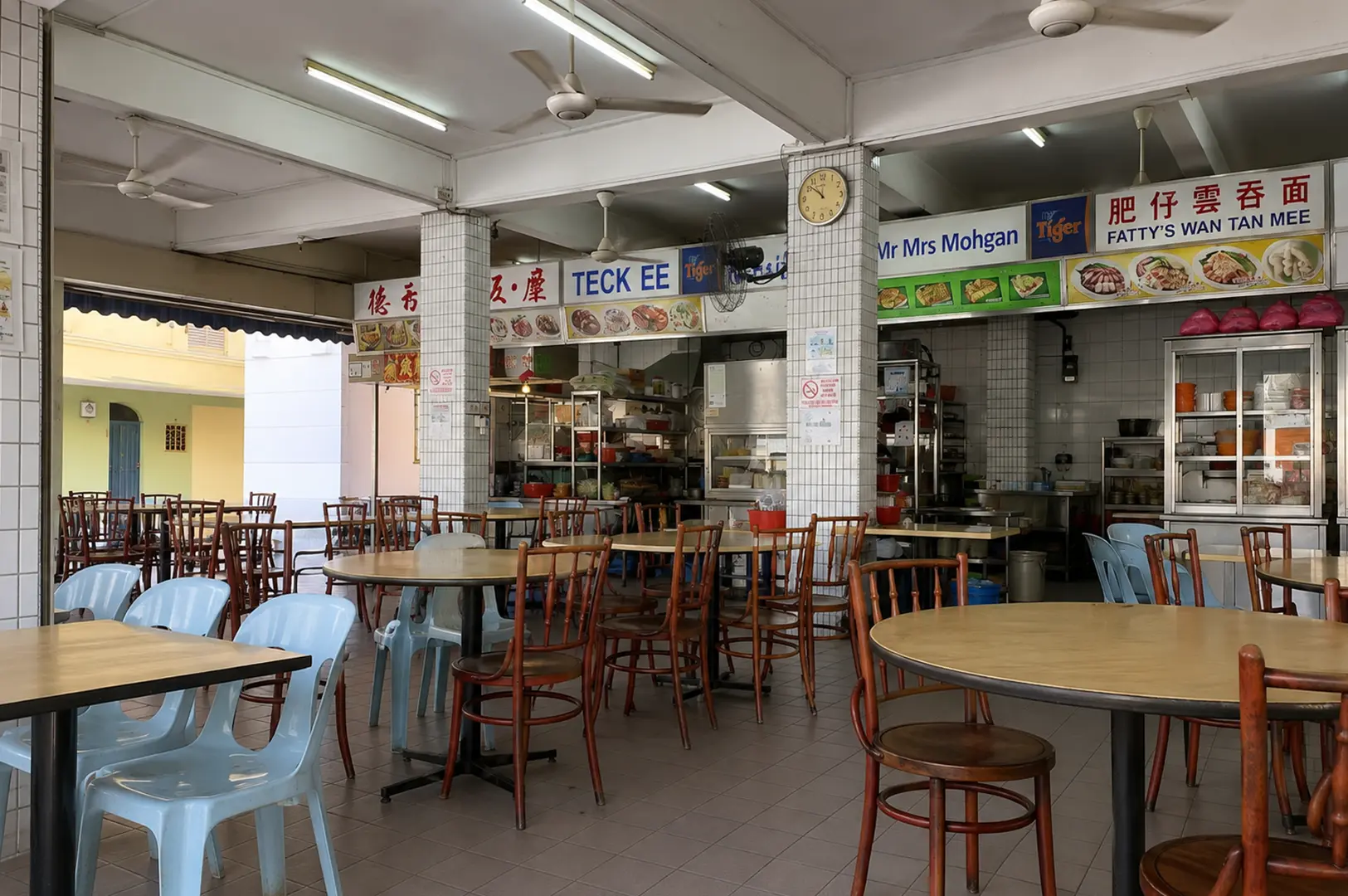
Many of these meals come from hawker centres and food centres conveniently located near MRT stations, where stalls serve up everything from fragrant rice and prawn mee to crispy fried chicken and rich hot pot.
Why the Best Hawker Centres and Food Centres Cluster Around Transit Hubs
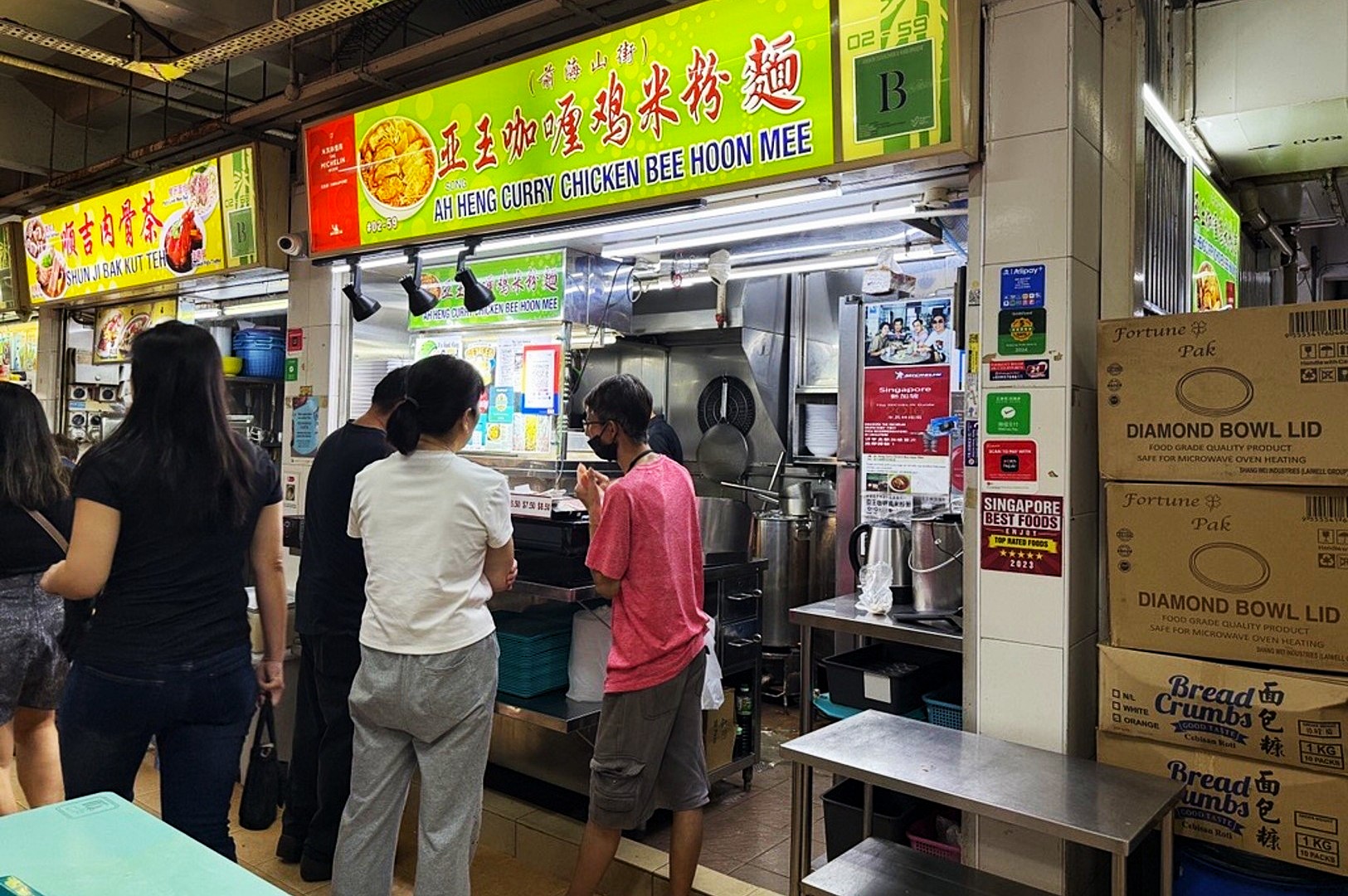
Food thrives where people flow—and MRT stations are the strongest currents, making them a popular spot for beloved Singapore MRT food stalls and eateries.
Key reasons MRT-adjacent dining succeeds:
High foot traffic from morning to night
Diverse customer base across ages and income levels
Repeat regulars, not just one-time visitors
Predictable peak hours that suit hawker rhythms
For hawkers and small eateries, this translates into sustainability. For diners, it means reliability. When a stall survives on commuter traffic alone, quality and consistency matter—there’s no room for gimmicks.
This is why some of the most beloved affordable Singapore MRT food spots don’t bother with marketing. The trains deliver customers every five minutes.
From Breakfast Kopi to Late-Night Supper: The MRT Food Timeline
Singapore’s MRT food culture unfolds across the day, with many stalls catering specifically to commuters and offering opening hours that are tailored to match peak MRT travel times.
Morning (6:30–9:30am)
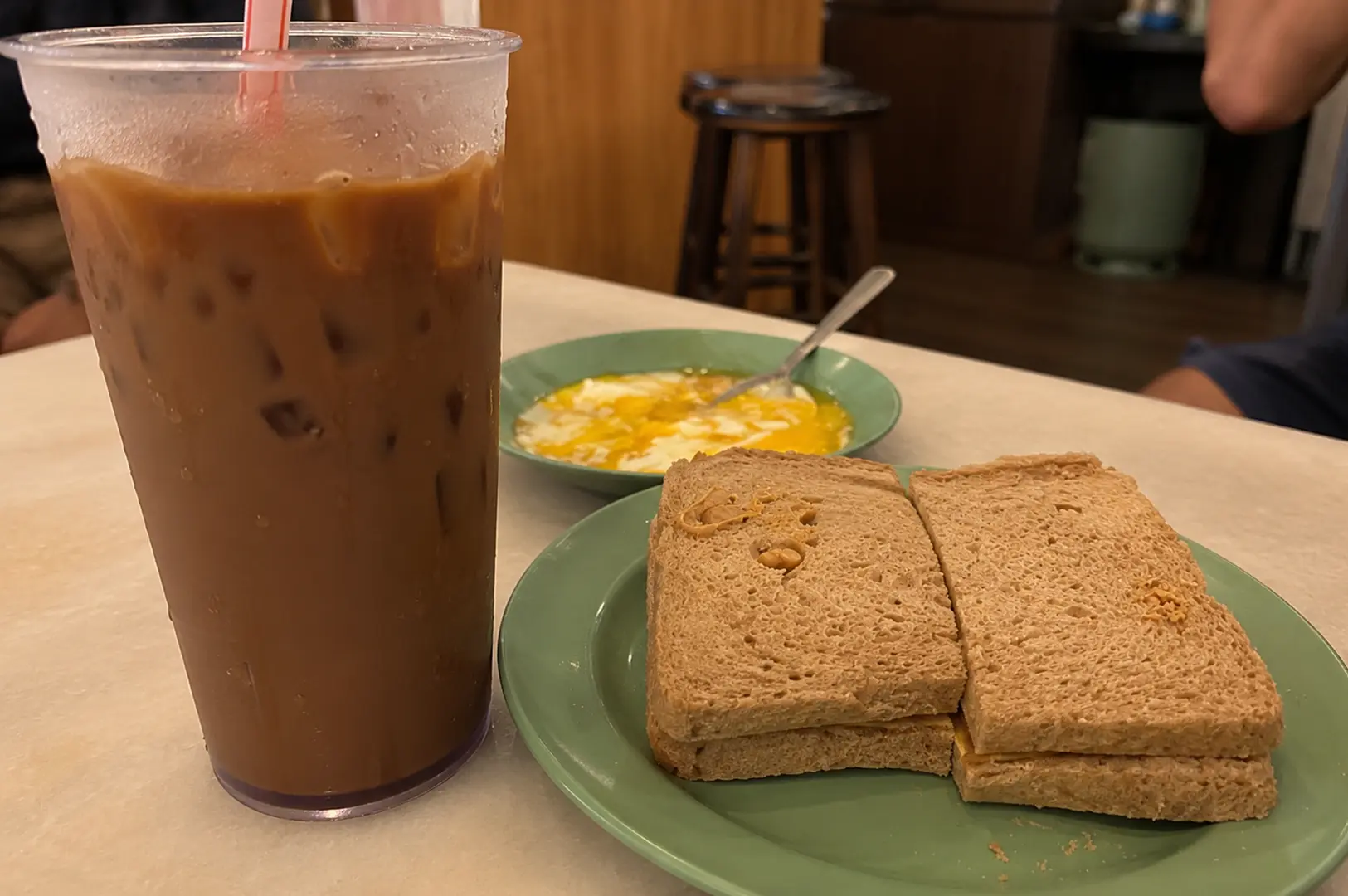
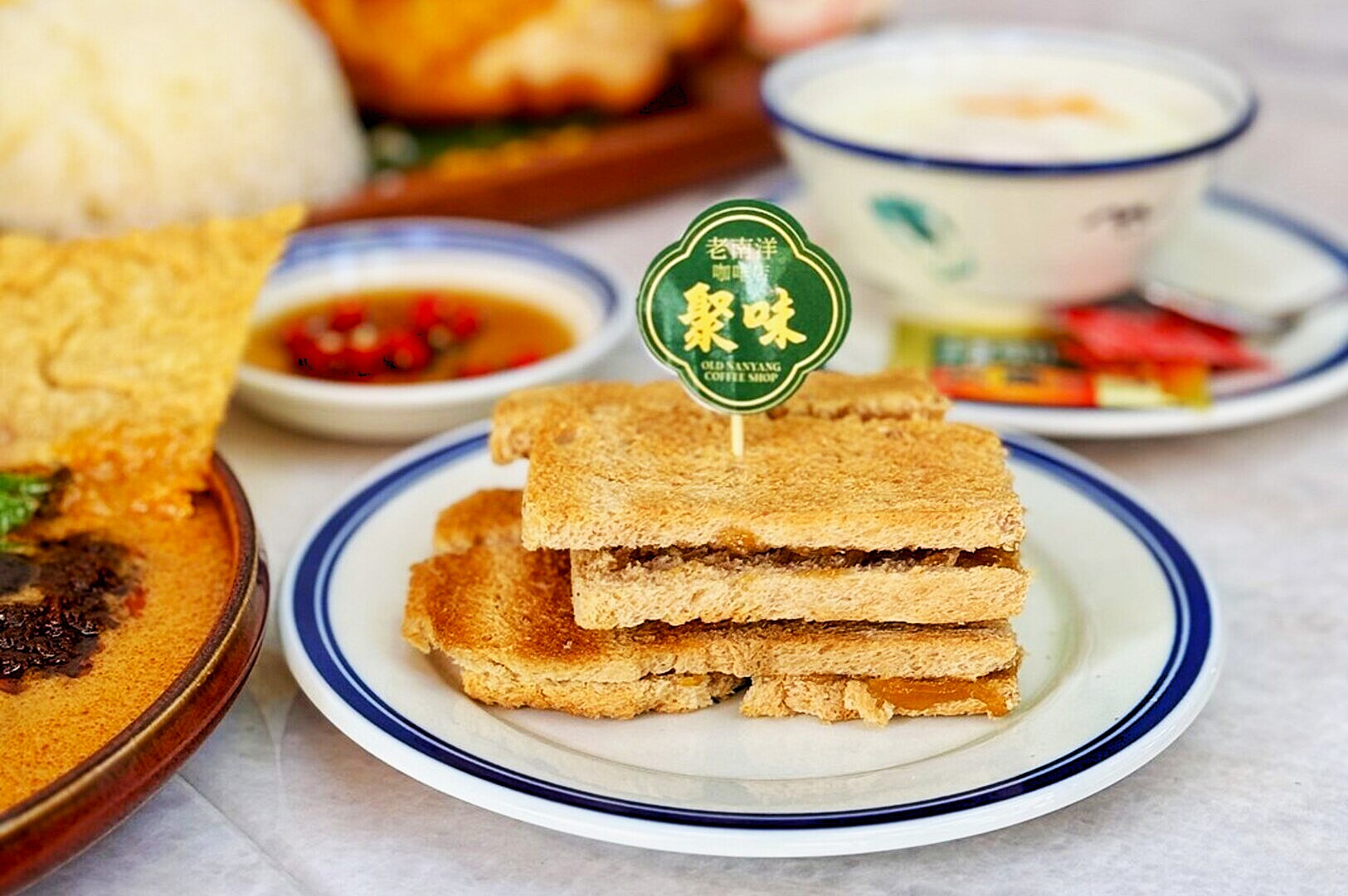
Kopi, kaya toast with butter, soft-boiled eggs, and scrambled eggs
Bee hoon, chee cheong fun, economical rice with fragrant rice
Cheese-filled pastries or bao are also popular breakfast choices.
Office workers grabbing quick, comforting starts at popular spots like Maxwell Food Centre and nearby bakery cafes
Located beside Tanjong Pagar MRT, traditional Rolina Curry Puffs are a popular option for the local office crowd.
Lunch (11:30am–2pm)
Hawker centre peaks near CBD and interchange stations such as Albert Centre Market. Albert Centre Market near Bugis MRT is known for budget nasi lemak and vibrant Malay eats.
Long queues signal trusted favourites like chicken rice, pork chop, and kway chap
Efficient service built for limited lunch breaks, with dishes served fresh and hot, often accompanied by rich sauces like cream sauce or sour cream dips, which diners often mix with their meals to customize flavor and texture.
Evening (6–9pm)
Family dinners near heartland stations
Mall food courts and neighbourhood zi char with local delights including fried chicken, dim sum, and Japanese-inspired dishes featuring fresh salmon such as salmon donburi or salmon sashimi
Students and shift workers mixing with residents, enjoying dishes with rich broth or pumpkin-infused flavours
Late Night (9pm onwards)
Supper spots near key lines like the East West Line and Circle Line
Noodle soups, comforting soup-based dishes like mala tang or seafood soup, prata, bak chor mee, and hot pot
MRT-accessible food before last train—or after
This rhythm has shaped menus, portion sizes, and even operating hours. Many stalls exist specifically for commuters.
HarbourFront MRT is close to VivoCity Food Republic, where you can grab laksa before heading to Sentosa.
Station-Specific Food Cultures: A Line-by-Line Guide to Singapore MRT Food
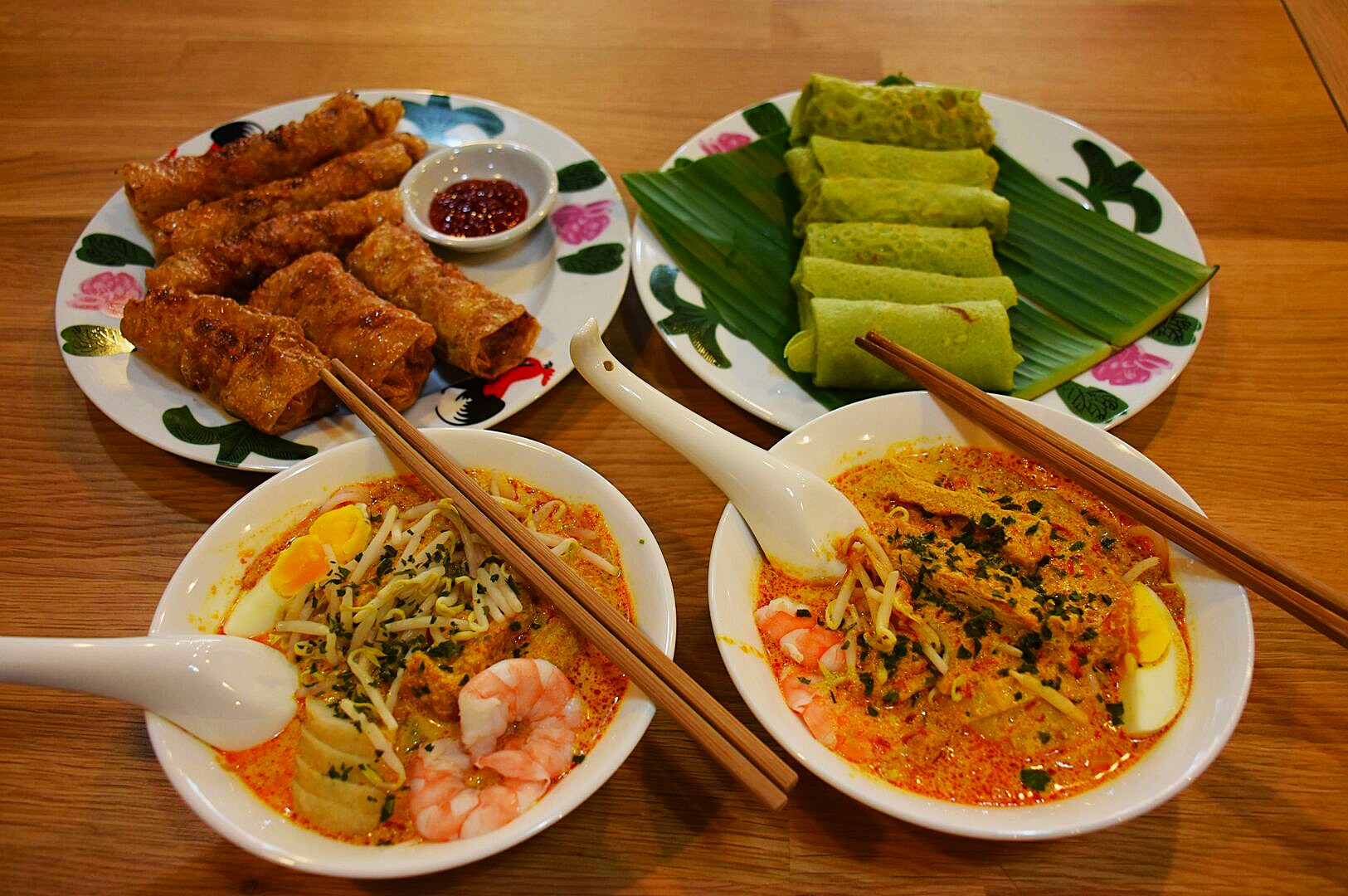
Each MRT line has developed its own food personality, shaped by geography, demographics, and history.
East West Line (Green Line): Heritage and Everyday Classics at Food Centres
Stations like:
Tiong Bahru – old-school hawker culture, heritage stalls
Redhill – dependable, no-frills local favourites
Jurong East – mall food culture meets hawker legacy, conveniently located near Marina Bay Sands and Suntec City
Expect:
Traditional breakfast foods and local delights
Time-tested hawker recipes including prawn mee, chicken rice, and roast paradise
Generational stalls serving regulars with dishes served with fragrant rice, fresh fish, and rich sauces
North South Line (Red Line): From Heartland to CBD with Many Cafes
Stations like:
Ang Mo Kio – one of Singapore’s strongest hawker clusters
Toa Payoh – classic kopi culture and comfort food
Raffles Place – lunchtime efficiency and hidden basement gems
This line reflects how station food Singapore adapts from residential to corporate needs, with popular spots offering dishes like pork chop, dim sum, and fried chicken.
Circle Line (Yellow Line): Diversity and Discovery with Food Centres and Cafes
Stations like:
Paya Lebar – Malay, Chinese, Indian food crossroads
Holland Village – casual dining, late-night bites, and many cafes
Botanic Gardens – wheelchair friendly access to food centres serving local favourites
Great for:
Multi-cuisine exploration
Off-peak food hunting
Short walks to unexpected finds like kway chap and dessert stalls serving chocolate and honey treats
Downtown Line (Blue Line): Modern Access, Old Flavours at Food Centres
Stations like:
Bencoolen – budget student eats
Nearby Bugis and Bencoolen MRT stations also feature a Japanese-inspired cafe renowned for its handcrafted onigiri and specialty matcha drinks, offering a variety of drinks to complement the food.Little India – spice, tradition, vegetarian excellence
Bukit Panjang – neighbourhood food with loyal followings
The Downtown Line has made previously inconvenient food areas accessible, helping stalls survive changing demographics with dishes like hot pot, dim sum, and chicken rice.
Unique Dining Experiences Near MRT Stations
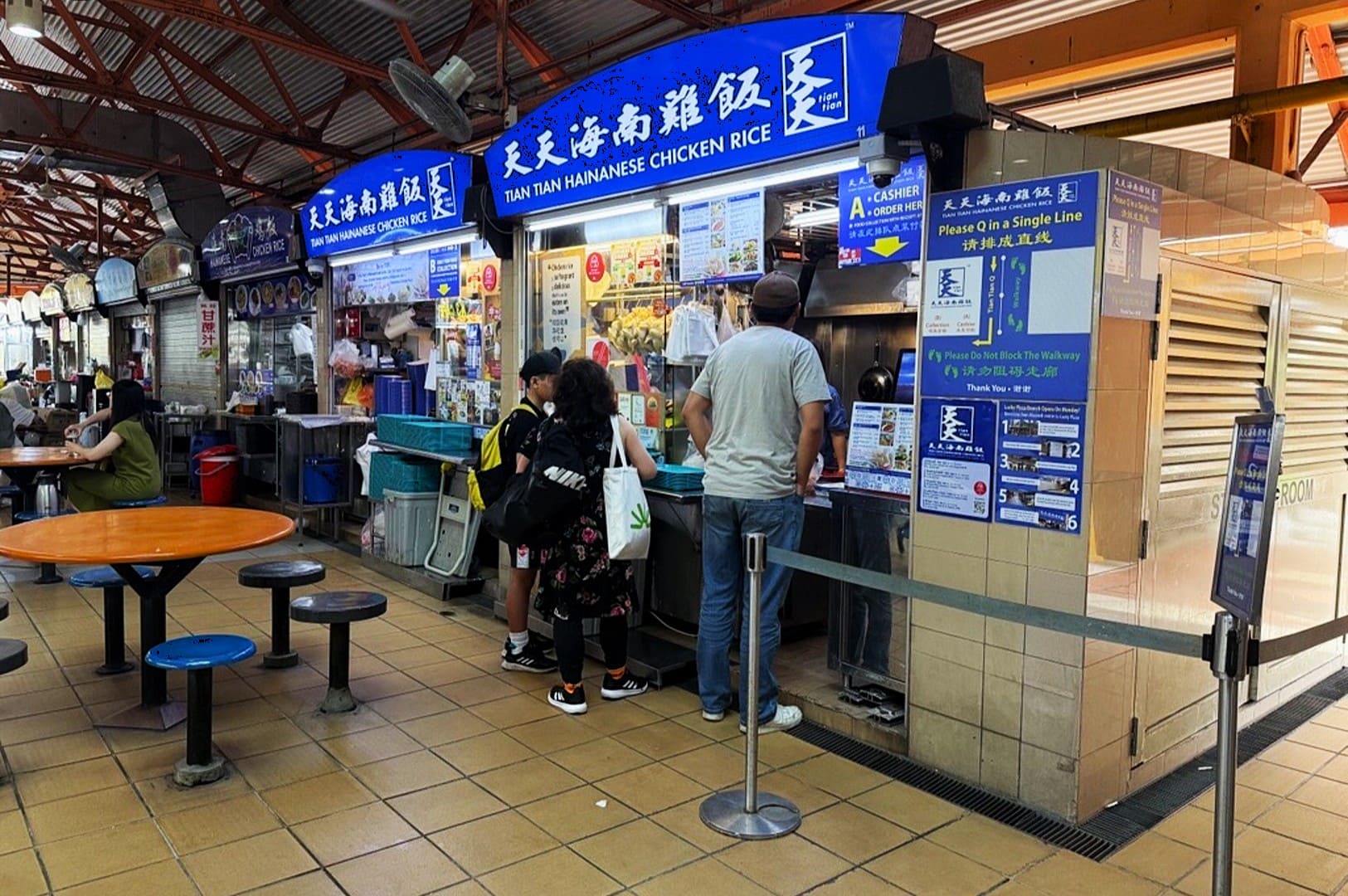
Step off almost any MRT station in Singapore and you’ll find yourself at the crossroads of countless unique dining experiences. The city’s love affair with food is on full display here, where every journey can lead to a new personal favourite—whether it’s a crispy plate of fried chicken, a bubbling pot of hot pot, or a delicate basket of dim sum.
For those craving comfort, many hawker centres and food courts near the MRT serve up piping hot chicken dishes, from classic Hainanese chicken rice to golden fried chicken with a side of rich cream sauce. If you’re in the mood for something interactive, gather friends around a steaming hot pot, where fresh meat, fish, and vegetables are cooked right at your table, infusing the air with fragrant broth and spices.
Bakery cafes are another highlight, often tucked just a stone’s throw from the station. Here, the aroma of fresh bread and sweet pastries draws commuters in for a quick breakfast or a leisurely afternoon treat. These cafes offer more than just food—they’re popular spots to relax, catch up with friends, or simply watch the world go by.
Dim sum lovers are also in luck, with many MRT-adjacent eateries serving up baskets of steamed buns, dumplings, and other bite-sized delights. Whether you’re dining solo or with a group, the variety ensures there’s always something new to try.
What makes these dining experiences truly special is their accessibility. With the MRT as your guide, you can hop from one culinary adventure to the next—sampling bakery cafe desserts at one stop, enjoying hot pot at another, and finishing with a plate of fried chicken or dim sum just minutes away. It’s a food trail that’s as convenient as it is delicious, and it’s waiting right outside your nearest station.
How MRT Accessibility Preserves Hawker Heritage and Good Food
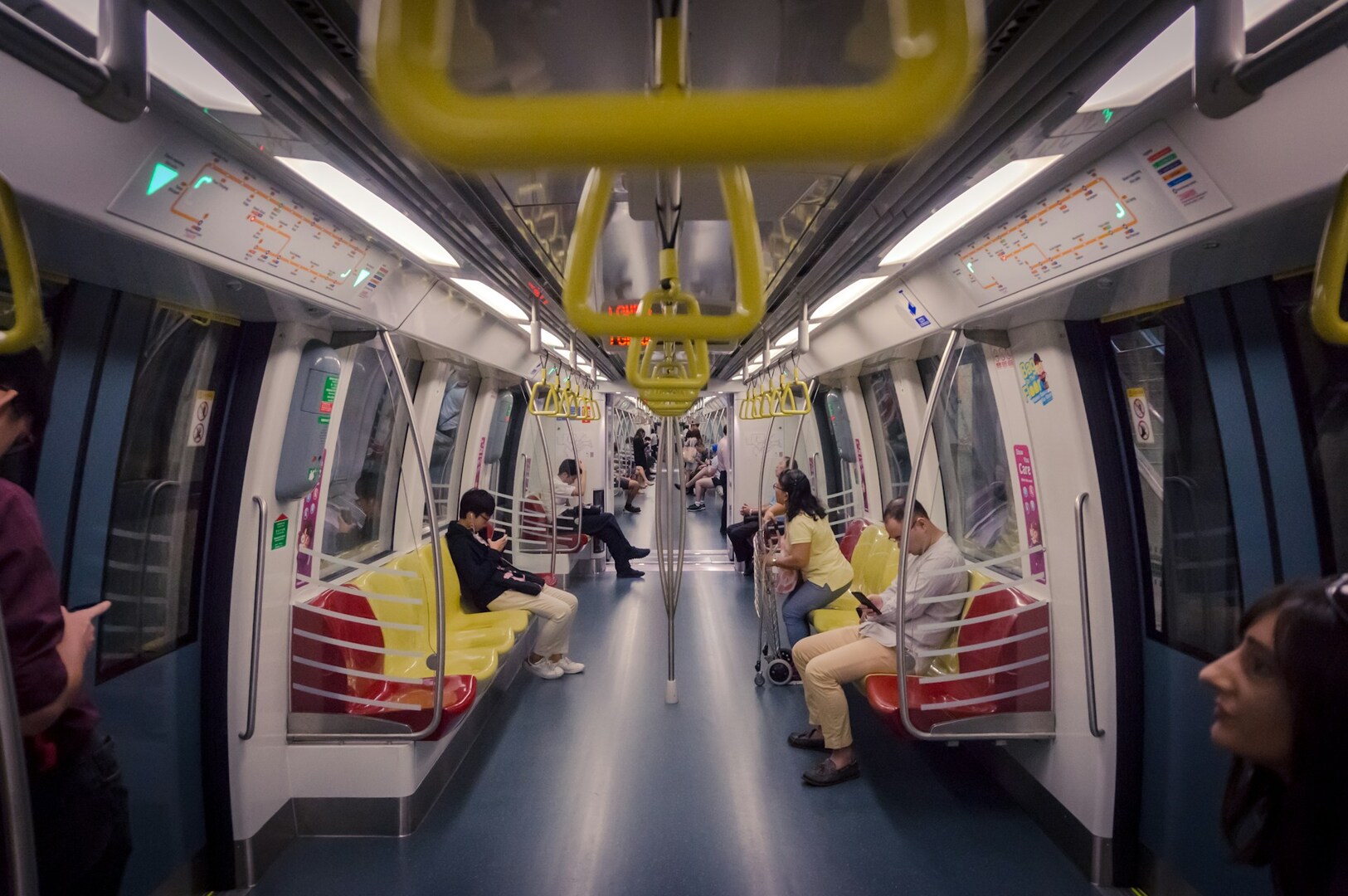
One of the MRT’s quietest but most important roles is cultural preservation.
Many hawker centres survive because:
Elderly patrons can reach them easily, thanks to wheelchair friendly access
Younger generations can visit without cars
Vendors rely on consistent commuter flows
Accessibility keeps heritage alive. A hawker stall near an MRT doesn’t need to modernise aggressively or chase trends—it simply needs to cook well and be there when people arrive.
This is why some hawker centres near MRT stations remain remarkably unchanged despite decades passing. The MRT brings new generations to old flavours, from classic chicken rice to rich prawn mee and comforting kway chap.
Hidden Gems Within a Stone's Throw of Every Station
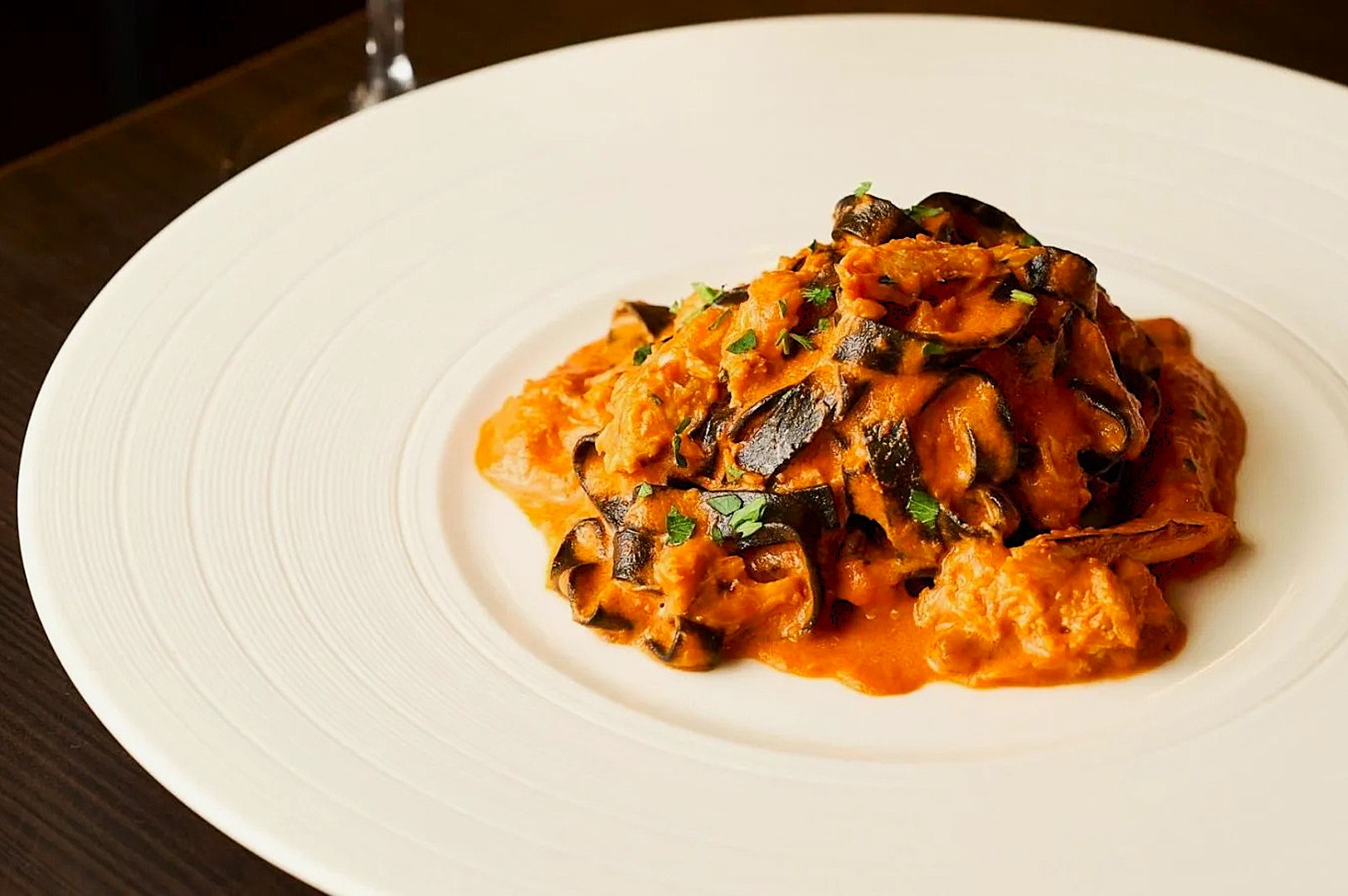
Some of the best MRT food isn’t inside stations or malls—it’s 5–10 minutes away, just far enough to avoid crowds. Some of these hidden gems have even been awarded the Michelin Bib Gourmand for their tasty and affordable offerings.
How to spot these places:
Follow office workers, not tourists
Look for queues without signage
Notice places busiest before or after peak hours
Check where delivery riders cluster
Often, the best hidden restaurants Singapore MRT has to offer sit quietly just beyond station exits, thriving on local loyalty. These include popular spots for dim sum, fried chicken with cream sauce, and bakery cafes offering fresh bread and desserts.
Navigating Singapore’s Food Scene Through Its Transit Map and Food Trail
You can turn the MRT into a food tour—with intention, and end your MRT food trail on a sweet note with a dessert from a nearby bakery or hawker stall.
A simple MRT food crawl strategy:
Pick one MRT line
Choose 3–4 stations with food reputations such as Maxwell Food Centre, Albert Centre Market, and Botanic Gardens
Eat small portions at each stop, sampling dishes like roast paradise pork chop, prawn mee, and dim sum
Travel off-peak (after lunch rush, before dinner)
Walk beyond malls into surrounding streets for local delights including hot pot, chicken rice, and desserts topped with honey and sesame
Many food enthusiasts now “eat their way” through Singapore line by line, discovering how geography shapes flavour.
The MRT map becomes not just navigation—but narrative.
Conclusion: A Transit System You Can Taste
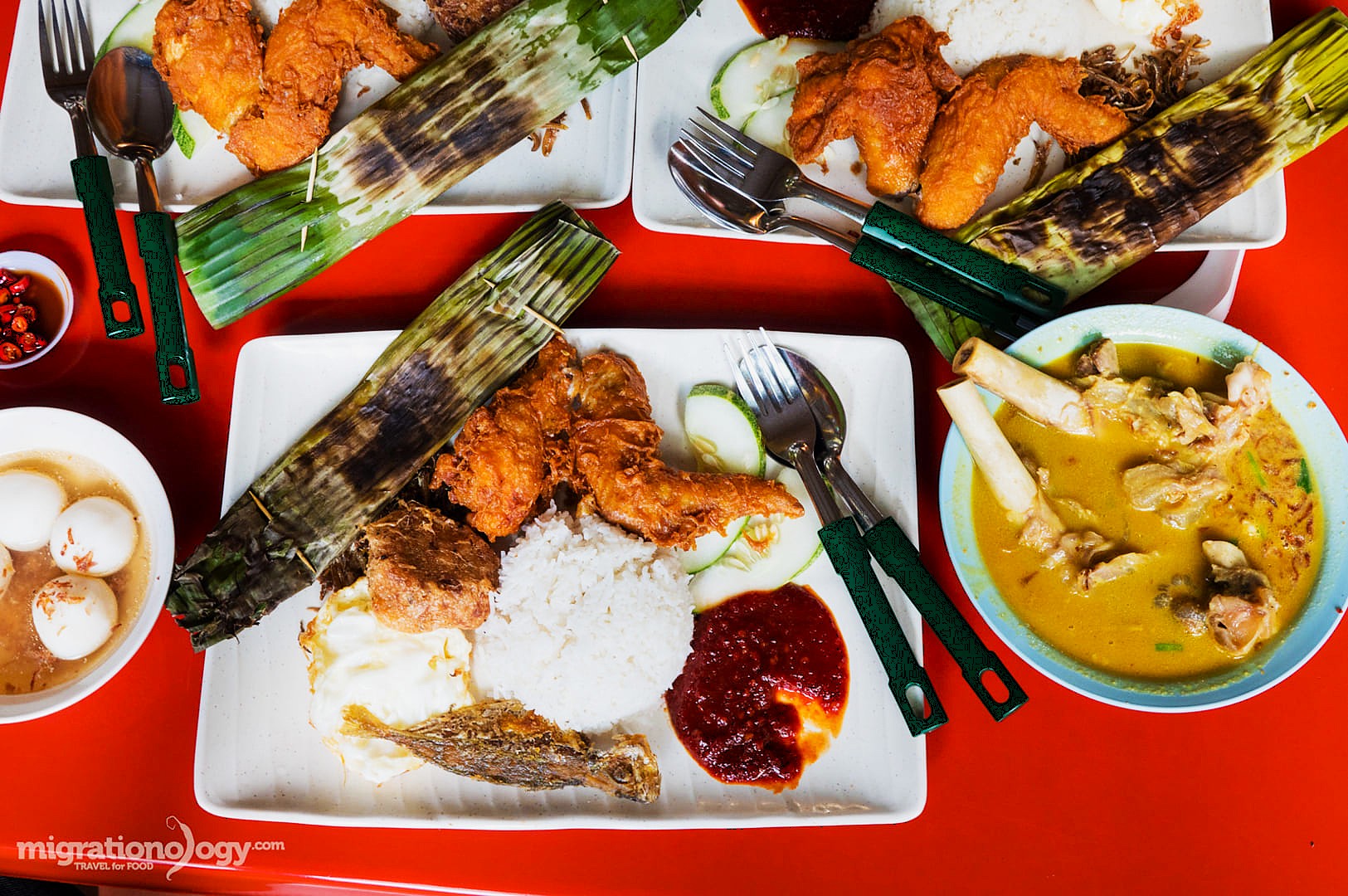
Singapore’s MRT system represents more than speed and efficiency—it reflects a national belief that great food should be accessible to everyone. From kopi at dawn to supper after midnight, the MRT makes extraordinary meals part of ordinary life.
So the next time you tap out, pause before heading home. Look around. Walk five minutes. Follow the smell. Your station isn’t just a stop—it’s a starting point.
For more line-by-line insights, station food guides, and hidden gems you can reach by train, visit SGfoodietravels. Because in Singapore, the journey and the meal have always been connected.