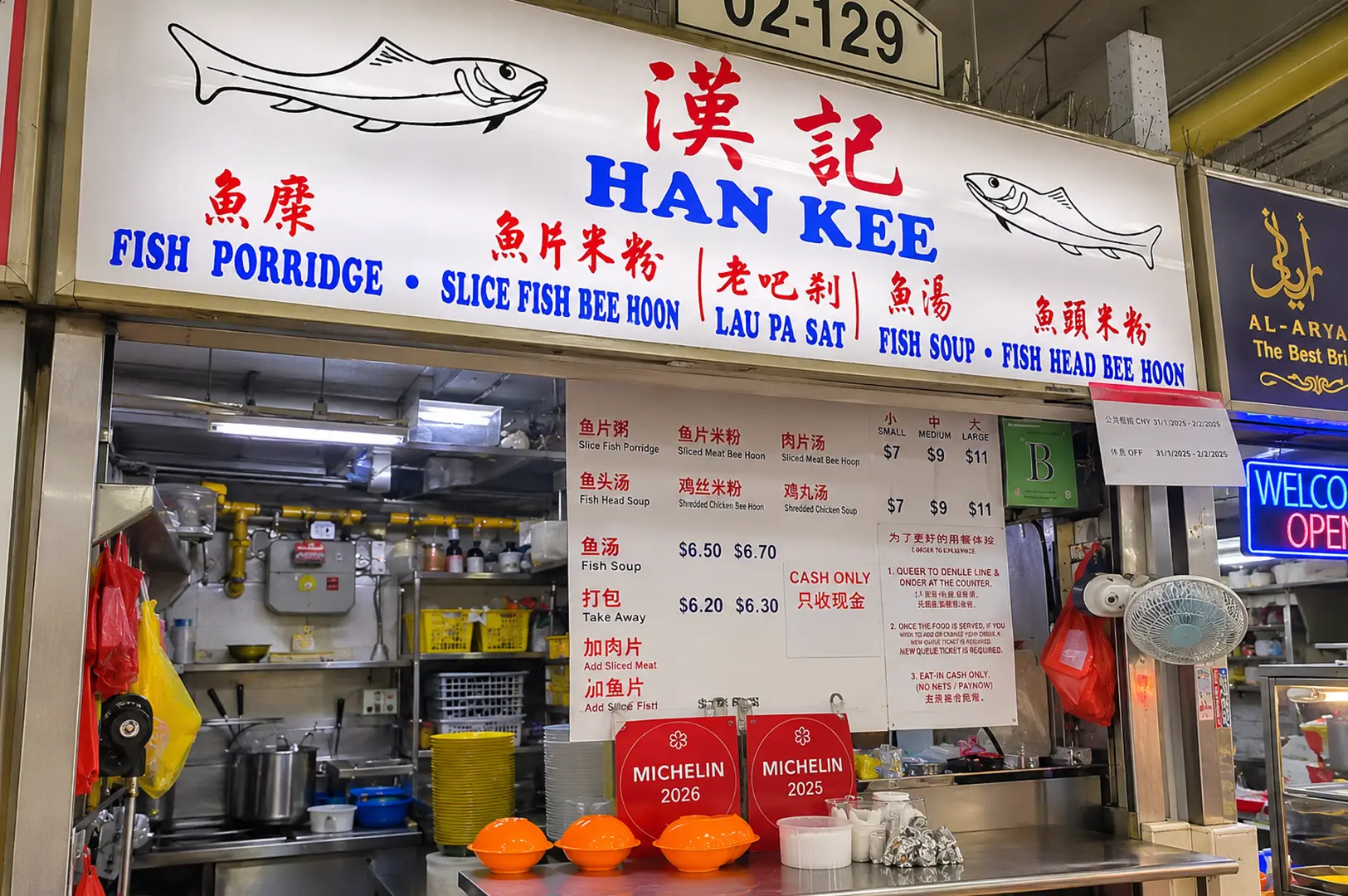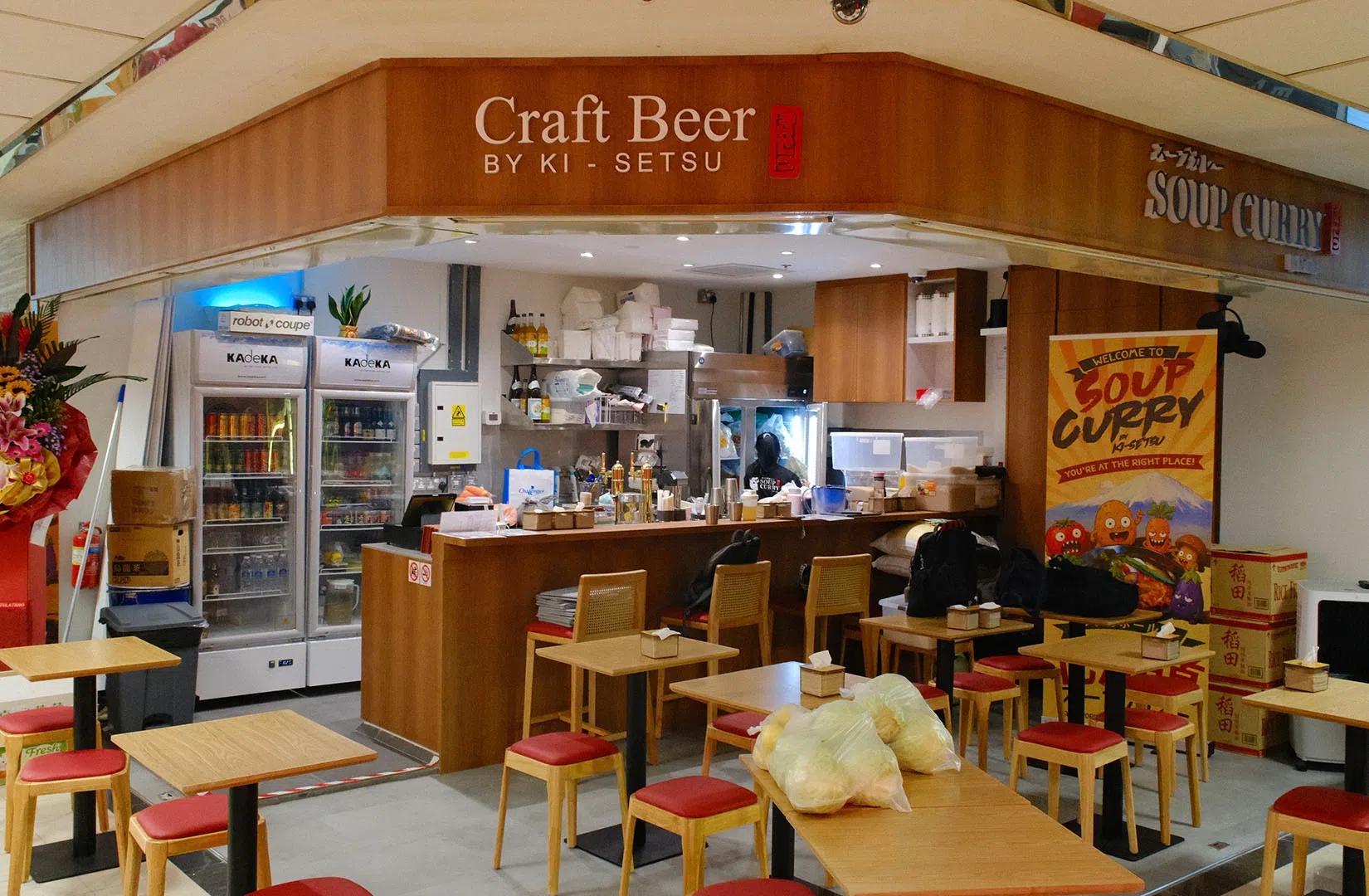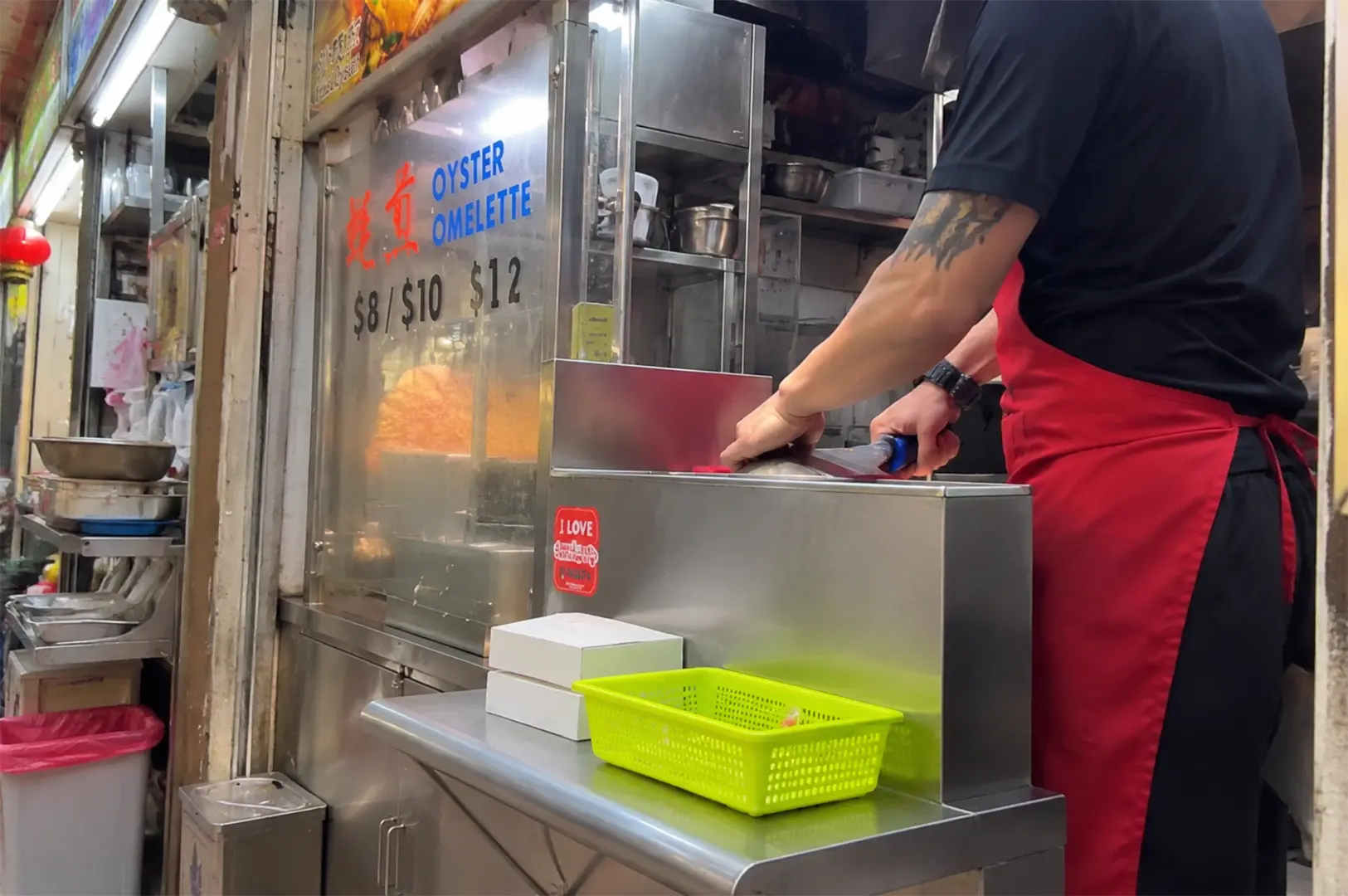
I’ve eaten in restaurants where the waiter recited the origin of every ingredient. It was interesting. But it never stayed with me the way a hawker’s few words do.
I think about an uncle at a wonton mee stall I used to visit. He didn’t explain his food. He just made it, the same way, every morning, for longer than I’d been alive. One day I asked him how long he’d been doing this. He said, “Since my father,” and went back to his noodles. That was the whole story. It was also everything.
That’s the thing about stall owners. Their stories aren’t performed. They’re lived. You don’t get a menu description dressed up in adjectives. You get a person who has made one dish ten thousand times, and somewhere in all that repetition, the food became a record of their life.
A restaurant sells you an experience. A stall owner just hands you their everyday.
I’ve noticed the best stories rarely come out in words. They come out in habits. The auntie who remembers you take less chilli. The uncle who slides an extra piece of fishcake onto your plate without a word, because it’s a quiet weekday and you look tired. These aren’t marketing gestures. Nobody trained them to do it. It’s just who they are, and the food carries that.
I don’t think we talk about this enough. We chase the new opening, the viral dish, the place everyone’s posting about. But the deepest food stories are usually sitting at a stall that’s been there for thirty years, run by someone who has no interest in being discovered.
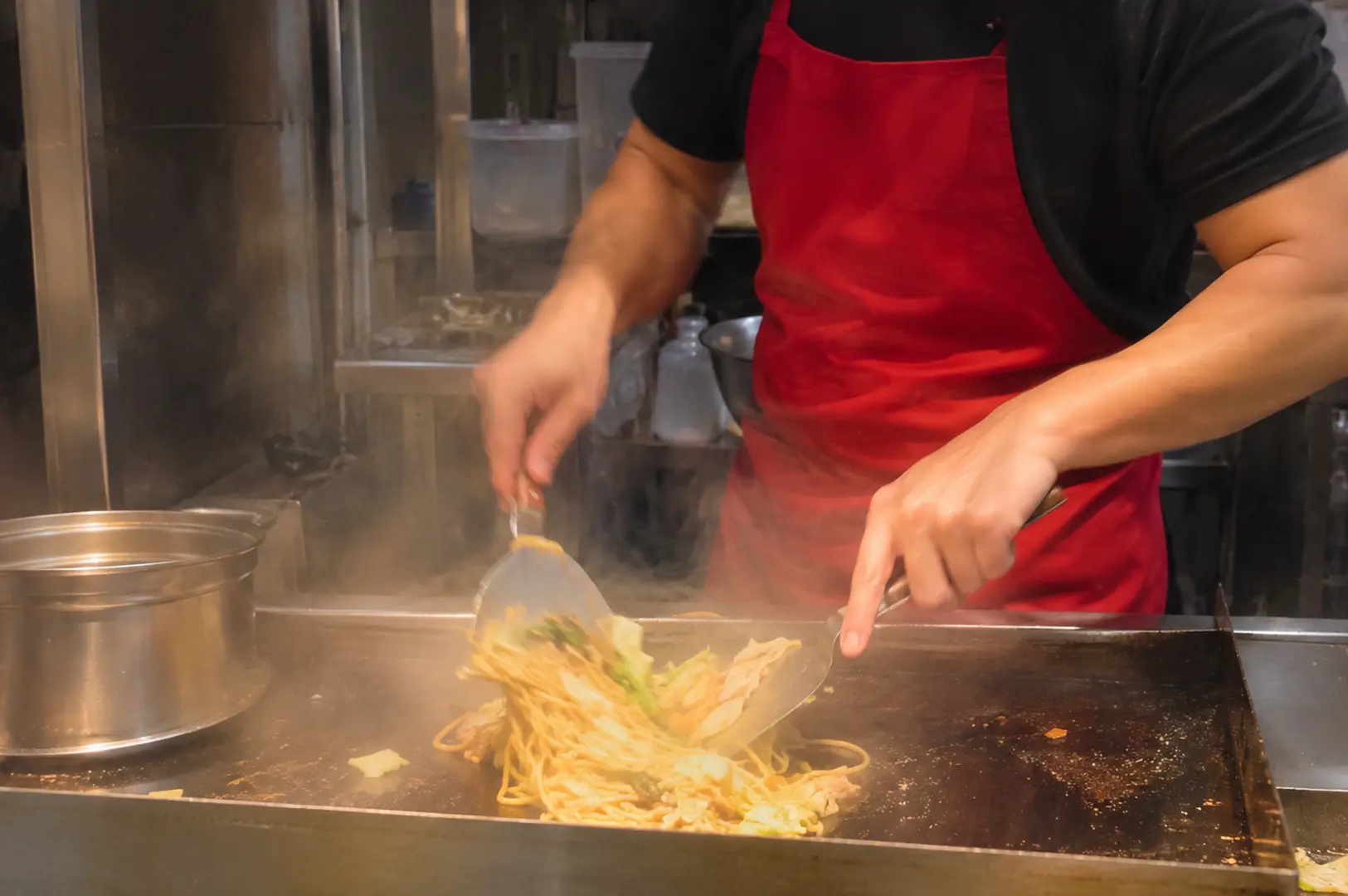
I’ve eaten in restaurants where the waiter recited the origin of every ingredient. It was interesting. But it never stayed with me the way a hawker’s few words do.
I think about an uncle at a wonton mee stall I used to visit. He didn’t explain his food. He just made it, the same way, every morning, for longer than I’d been alive. One day I asked him how long he’d been doing this. He said, “Since my father,” and went back to his noodles. That was the whole story. It was also everything.
That’s the thing about stall owners. Their stories aren’t performed. They’re lived. You don’t get a menu description dressed up in adjectives. You get a person who has made one dish ten thousand times, and somewhere in all that repetition, the food became a record of their life.
A restaurant sells you an experience. A stall owner just hands you their everyday.
I’ve noticed the best stories rarely come out in words. They come out in habits. The auntie who remembers you take less chilli. The uncle who slides an extra piece of fishcake onto your plate without a word, because it’s a quiet weekday and you look tired. These aren’t marketing gestures. Nobody trained them to do it. It’s just who they are, and the food carries that.
I don’t think we talk about this enough. We chase the new opening, the viral dish, the place everyone’s posting about. But the deepest food stories are usually sitting at a stall that’s been there for thirty years, run by someone who has no interest in being discovered.