The first time you sit at a fine dining table, the setup can be intimidating—multiple forks, glasses, and plates you didn’t order. Fine dining courses are stages of a multi-course meal, usually ranging from three to twenty courses. Each course may include one or several dishes meant to be experienced together. The number of courses depends on the restaurant, cuisine, chef, and occasion. A course meal is a thoughtfully arranged sequence designed to create a dining experience, not just a series of plates. This guide explains course numbers, order, table settings, wine pairings, etiquette, tasting menus, and other details to help you enjoy the meal as intended.
What Are Fine Dining Courses?
A course is a single stage of a meal, served and cleared before the next one arrives. That’s the simple version. Where it gets slippery is the language around it. A dish is what’s on the plate. A course is the moment in the meal that dish belongs to. Sometimes those are the same thing, one plate for one course. But not always.
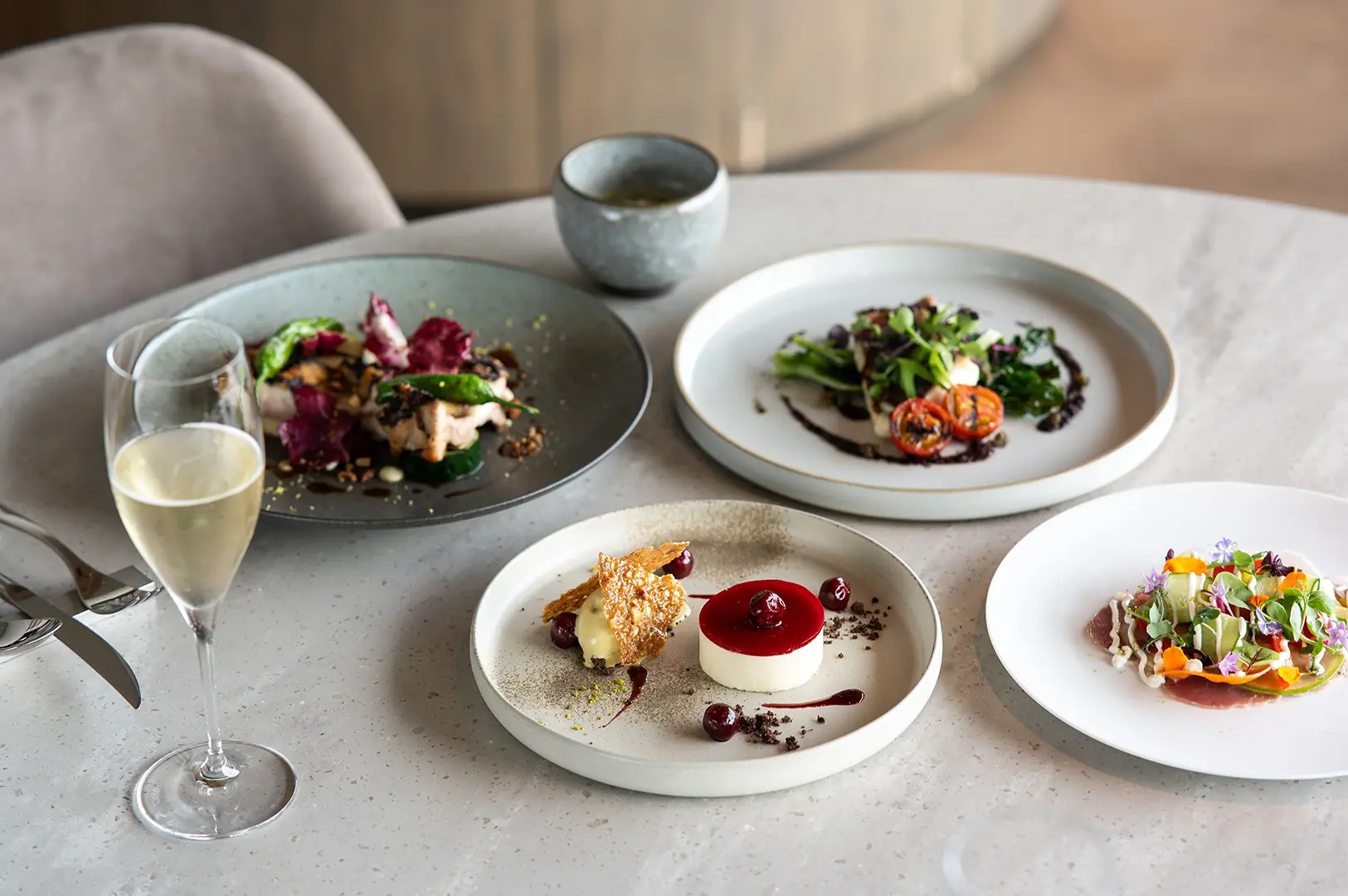
At the higher end, a single course might include multiple dishes brought out together, a few small servings meant to be eaten as one experience. A cheese course, for instance, could be a whole platter. A dessert course might be two or three little sweets sharing a plate.
So when we talk about fine dining courses, we’re talking about the stages of the meal, not the raw count of plates. A meal with eight courses isn’t necessarily eight lonely plates. It’s eight deliberate steps, each one setting up the next. In Singapore, restaurants like Odette, Les Amis, and Burnt Ends are renowned for offering exquisite multi-course fine dining experiences that showcase this approach.
How Many Courses Are in a Course Meal?
There’s no fixed number, and anyone who tells you otherwise is flattening something that was never meant to be uniform.
A course meal generally runs anywhere from three courses at the casual end to a dozen or more in an ambitious kitchen. Common formats include three, five, seven, and nine courses, though these are conventions, not rules.
What decides the count? A few things:
The restaurant and its concept
The cuisine and its own traditions
The menu the chef has built for the season
The dining format, whether it’s à la carte or a set progression
The occasion, since a celebration menu often stretches longer
Portion size, because smaller plates allow for more of them
The style of service
A French kitchen, a Japanese kaiseki restaurant, and a modern Singaporean tasting room will each count their courses differently. That variety is part of the point. No one is wrong. They’re just telling different stories.
What Does a Full Course Mean in Fine Dining?
You’ll hear the phrase full course used loosely, and it means slightly different things depending on who’s saying it.
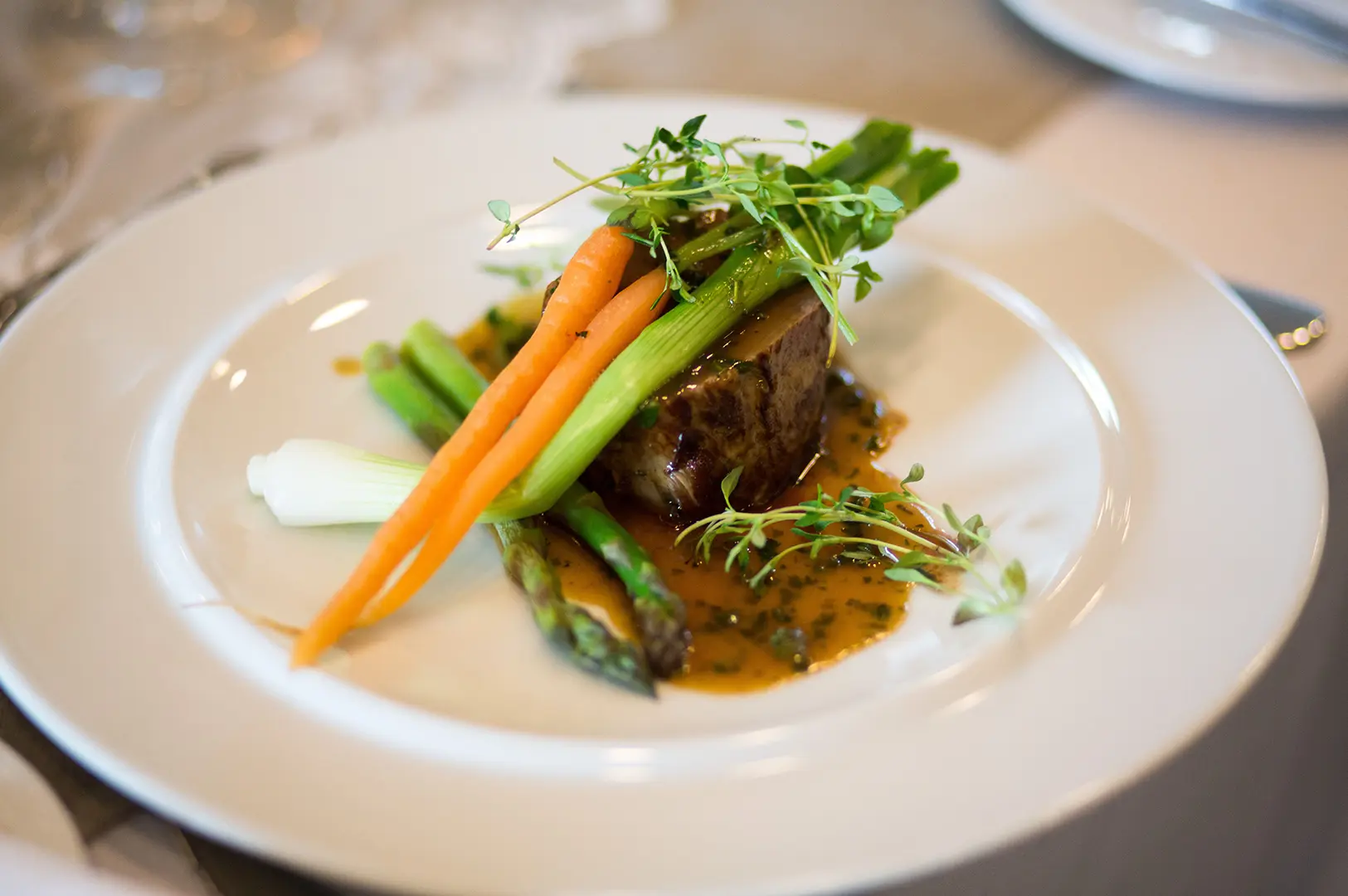
A full course dinner doesn’t mean every possible course must appear. It usually points to a meal that moves through a recognisable arc: an opening, a savoury middle, and a sweet close, with a few defined stages in between. A course dinner described as “full” is one that feels complete, not one that ticks every box in some master list.
Terminology shifts across culinary traditions too. What one restaurant calls a five-course dinner, another might describe as a tasting. The words matter less than the shape of the experience: something with a clear beginning, a considered middle, and an ending that lingers.
The Typical Course Order in a Fine Dining Dinner
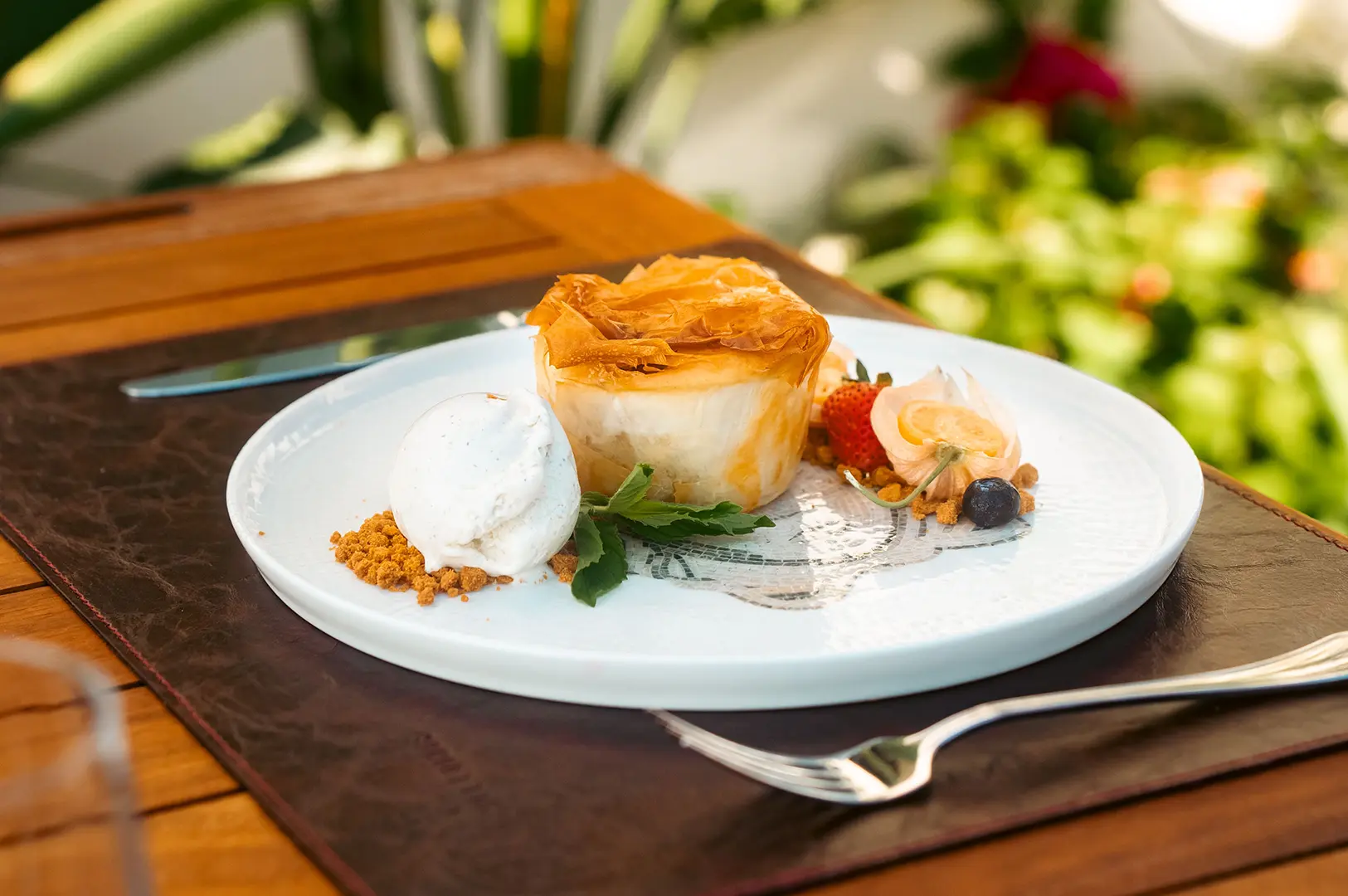
Traditional formal dining tends to move from light to rich, small to substantial, savoury to sweet. Your palate wakes up gently, builds toward the fuller flavours, then eases into dessert. These are the stages of the meal you might encounter, though few restaurants serve all of them.
1. Hors d’oeuvre and Welcome Bites
The hors d’oeuvre arrives before the meal formally begins. Think olives, a slice of melon, a canapé, a small welcome snack. It’s a soft opening, something to nibble while you settle in and the kitchen finds its rhythm. Not every restaurant offers one, but when they do, it sets the tone.
2. Amuse-Bouche
The amuse-bouche is the chef’s handshake. A single bite, chosen by the kitchen rather than you, meant to hint at the style and confidence of what’s coming. It’s small on purpose. One spoonful, one clear idea.
3. Starter, Appetizer, or Salad
Here the meal properly begins. A light starter might be a salad, a few vegetables, a small seafood plate, or a composed dish that stays gentle on the palate. Its job is to open you up without filling you, preparing the ground for the courses ahead.
4. Soup Course
Soup often lands early, and there’s logic to it. A warm, smooth bowl bridges the light opening and the firmer dishes to follow. Temperature, texture, and portion all decide where it sits. A delicate consommé might come sooner; a richer bisque may wait a little longer.
5. Fish Course
Fish and seafood usually appear before meat, and again the reasoning is about weight. Lighter proteins keep the momentum without overwhelming you. A piece of fish here is a stepping stone, not the summit.
6. Meat Course
The meat course is where many meals reach their fullest point. This is often the richest of the main courses, the stage the earlier plates have been quietly building toward. The food arrives with more heft, more depth, and usually the most deliberate presentation of the savoury run.
That said, not every fine dining menu includes a separate meat course. Plenty of vegetable-forward and seafood-led kitchens skip it entirely, and the meal is no less complete for it. Chefs serve what their story needs.
7. Palate Cleanser
Between the savoury peak and dessert, a palate cleanser resets you. Often something cold and sharp, a sorbet or a light granita, it clears the richness so the sweet courses land fresh rather than muddled.
8. Cheese Course
In some traditions, particularly French, cheese comes before dessert rather than after. A small selection, served with a little bread or fruit, offers a savoury pause before the sweetness. Other restaurants fold cheese in differently, or leave it out altogether. This is one of the clearest places where custom varies by cuisine.
9. Dessert
Dessert marks the turn toward sweet. Modern kitchens treat it as seriously as any savoury plate, building a small progression of flavour, texture, and presentation into a single course. It’s rarely an afterthought. Often it’s where a chef shows off.
10. Petit Fours and Final Bites
The meal closes with petit fours, tiny sweets that arrive with coffee or tea. A little chocolate, a jelly, a small biscuit. They’re the gentle goodbye, a last taste to carry out the door with you.
Table Setting and the Order of Service
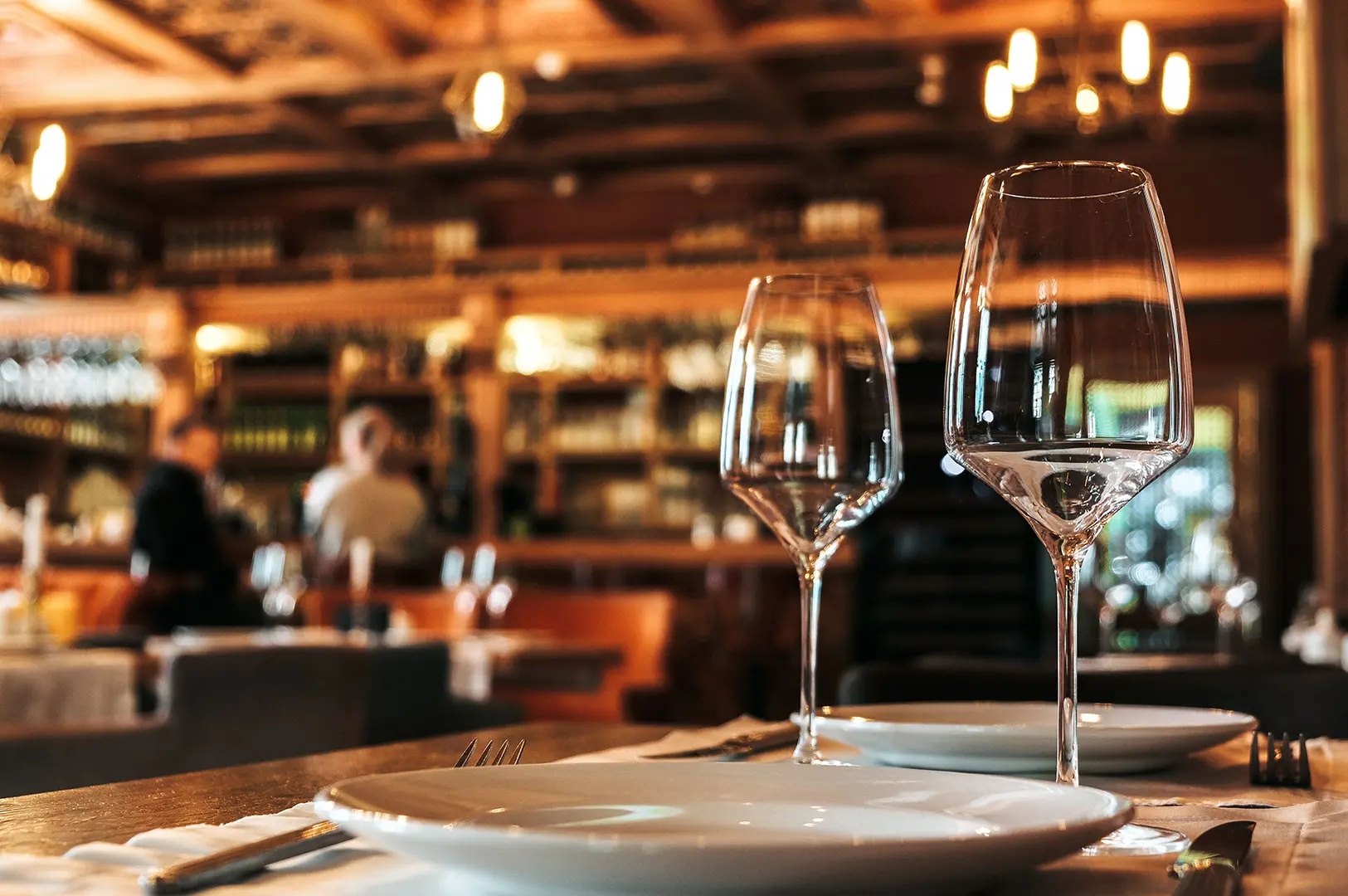
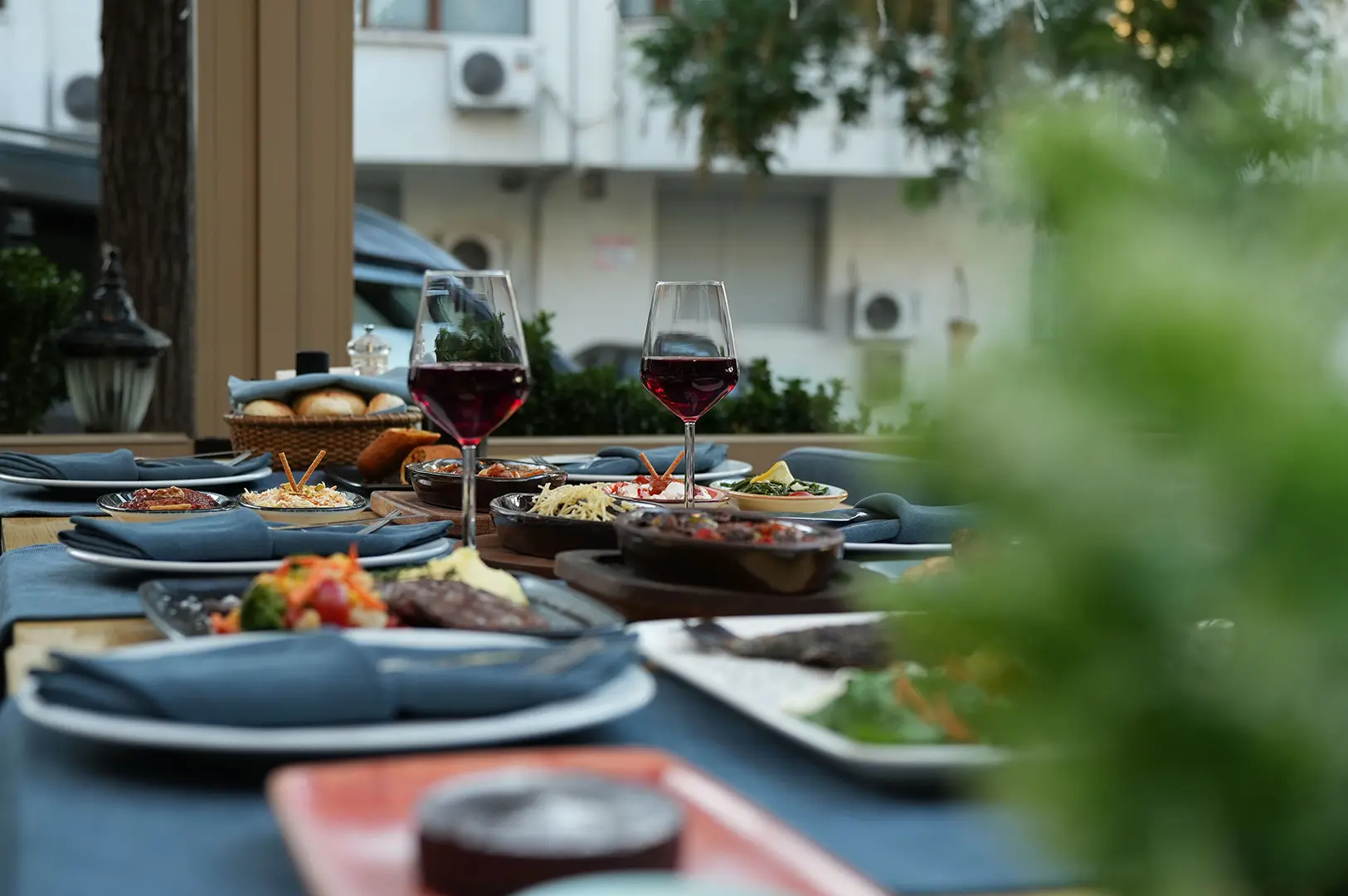
The table setting in front of you is a quiet map of the meal to come. Read it, and you’ll rarely be lost. Its main elements are a service plate, also called a place plate, plus flatware and stemware.
The general principle is to work from the outside in. Cutlery is arranged in the order you’ll use it, so the outermost fork or knife belongs to the first course, moving inward as the meal progresses. Forks typically sit to the left, knives and spoons to the right, with the cutting edge of the knife facing the plate.
Glassware clusters to the upper right, water and wine glasses positioned for easy reach. Your bread plate sits to the upper left. A useful trick: your bread is on your left, your drink is on your right.
The more elaborate the setting, the more formal the service tends to be. These arrangements aren’t decoration. They’re designed to support the expected sequence, so each course meets the right tool without fuss.
How Wine Service Fits Into a Course Meal
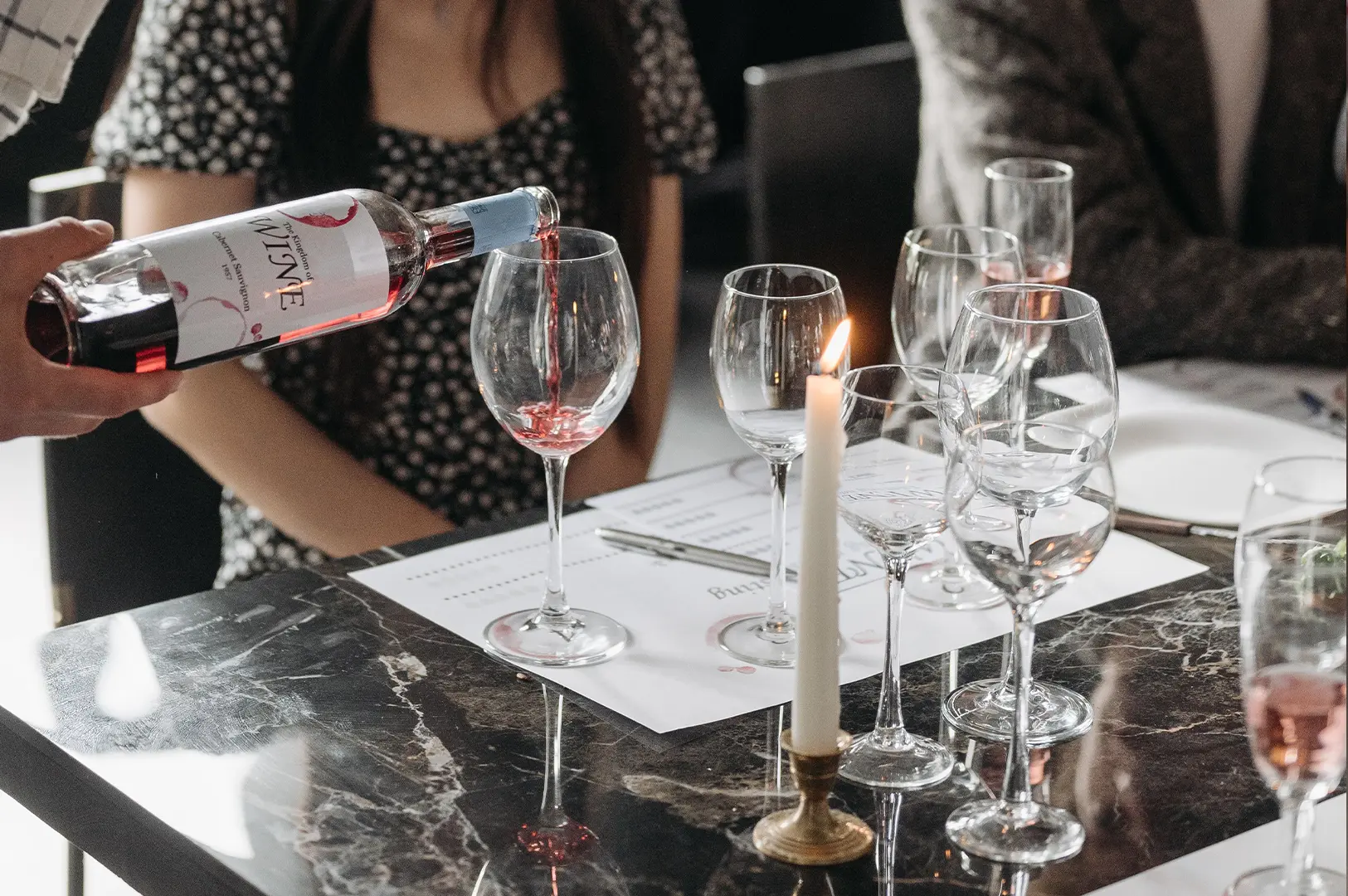
Good wine service moves in step with the food, and a thoughtful pairing can lift a dish in ways that feel almost conversational.
The broad idea is that different wines suit different stages. A glass of Champagne or a crisp white often opens the meal alongside lighter plates, while fuller reds tend to accompany richer courses like meat. Sweet wines sometimes arrive with dessert. Each pour is chosen to sit beside a specific dish rather than compete with it.
None of this is compulsory. Pairings are an offer, not an obligation, and many restaurants now serve excellent non-alcoholic pairings built with the same care. If wine isn’t for you, you lose nothing of the experience.
Traditional vs Modern Fine Dining Courses
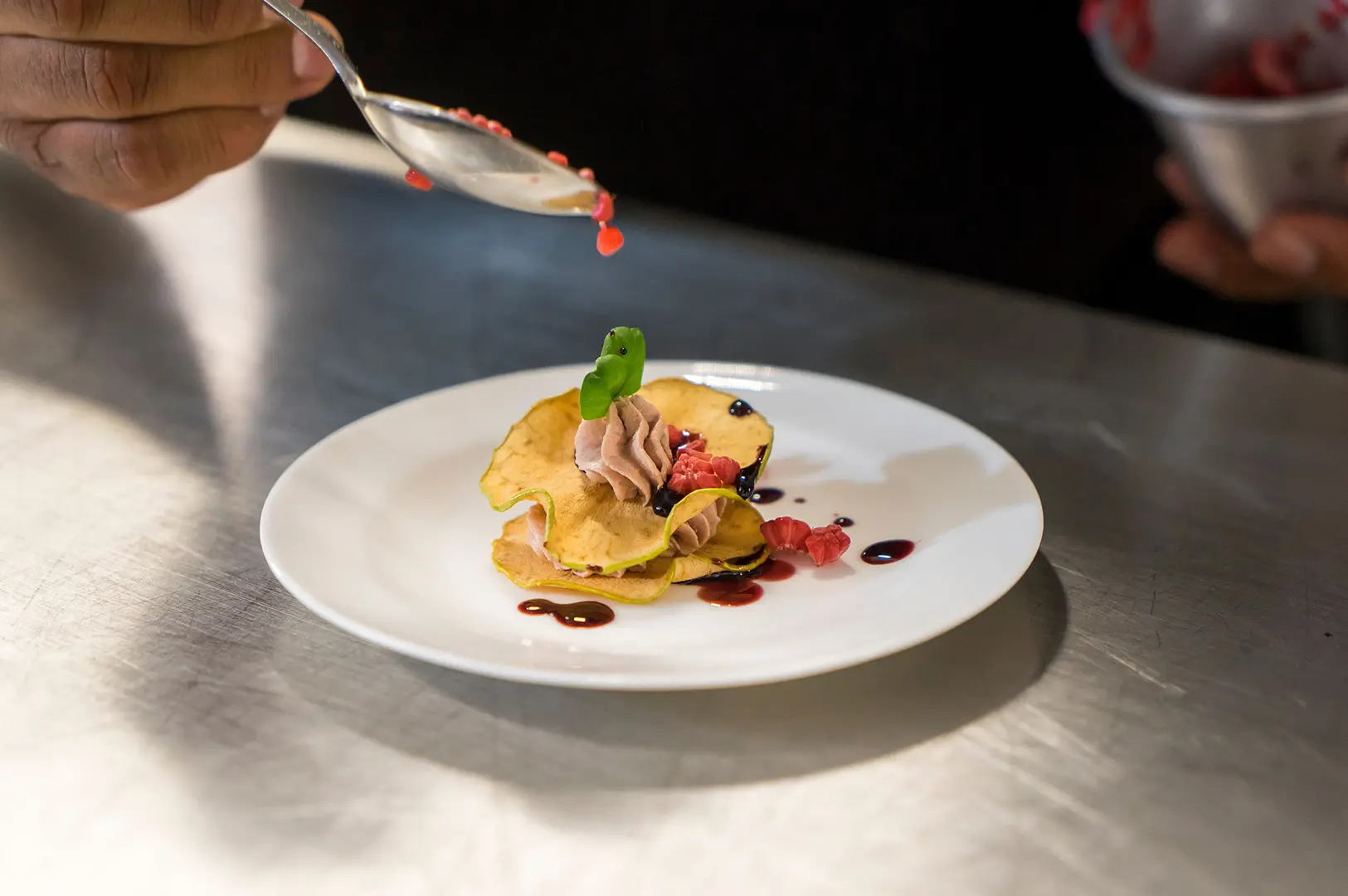
Contemporary kitchens love to play with the old structure, and that’s where a lot of the excitement lives now.
Chefs might combine two classic courses into one, or split a single ingredient across several stages so you taste it three different ways. They serve multiple dishes at once as a deliberate cluster, or place a course somewhere unexpected in the run. A tasting menu might stretch the whole thing into a long, unhurried narrative.
What’s worth understanding is that innovation rarely means chaos. When a chef breaks the traditional order, they’re usually building a different kind of progression, one with its own internal logic. The structure changes shape. It doesn’t disappear.
Course Meal vs Tasting Menu: What's the Difference?
These terms overlap, which causes some of the confusion.
A course meal, or multi-course meal, generally offers you choices within a set framework. You might pick your starter, your main, your dessert. A full course dinner works this way, giving you defined stages with some say over what fills them.
A tasting menu hands the wheel to the chef. It’s usually a longer run of smaller servings, each one a chosen chapter in a single story, with little or no choosing on your part. The pleasure lies in surrender: you eat what the kitchen decides you should, in the order they decide.
Both are multi-course experiences. But a tasting menu leans harder into narrative, where a conventional course meal leaves more room for your own preferences.
Fine Dining Etiquette: What Should Guests Remember?
First-timers often worry most about the rules. In truth, good staff want you to relax. A few practical things to keep in mind:
Follow the pace of service rather than rushing ahead.
Let the staff explain unfamiliar dishes; that’s part of their job and their pleasure.
Ask questions when something’s unclear. Curiosity is welcome.
Work through the cutlery from the outside in as each course arrives.
Don’t assume every plate is a separate course; some belong together.
Glance at the table setting for clues about what’s coming.
Allow staff to clear a course before the next one lands.
Take a moment with the presentation before you dig in.
Don’t feel pressured to know every formal rule. Nobody expects that.
Remember that restaurants differ, so hold your assumptions loosely.
Enjoy yourself. The etiquette exists to smooth the evening, not to trip you up.
A Sample Full Course Dinner
Here’s how a longer meal might unfold, purely as an illustration:
Welcome bite
Hors d’oeuvre
Starter
Soup
Fish
Meat course
Palate cleanser
Cheese
Dessert
Petit fours
This is only an example, not a template anyone is obliged to follow. A real restaurant might merge the soup and fish, drop the cheese, swap the meat for a vegetable course, or rearrange the order entirely to suit its own vision. Use it as a rough map, not a rulebook.
How to Think About the Meal as a Whole
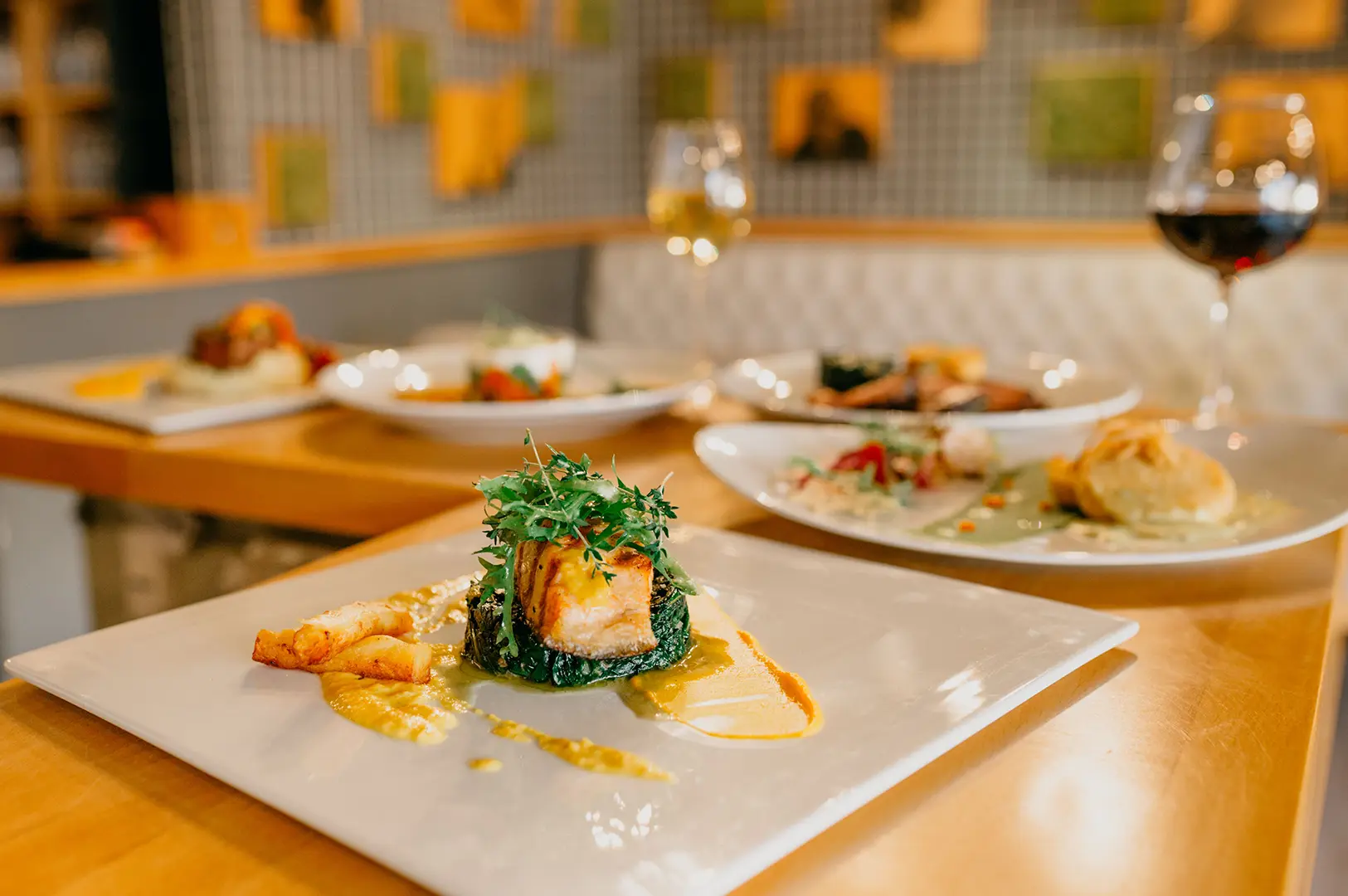
If you take one thing away, let it be this: fine dining isn’t about counting plates.
The chef, the kitchen brigade, the service team, the table setting, the wine service, the food itself, and the presentation all work toward a single evening that’s meant to move you gently from one feeling to the next. The number of courses is just the frame. What matters is how the whole thing carries you, one considered step at a time.
When you stop counting and start noticing the arc, the experience opens up.
Keep Exploring With Us
So, how many courses are in a fine dining meal? However many the restaurant and its menu decide, and that’s genuinely part of the pleasure. Once you understand the order of service, every stage starts to make sense, and a formal dinner stops feeling intimidating and starts feeling like a story you get to sit inside.
Singapore’s dining scene is full of these stories, from ambitious tasting rooms to quiet kitchens doing something remarkable. Come explore them with us at SG Foodie Travels.