Most mornings in Singapore begin with movement.
The MRT platforms fill steadily, coffee cups appear in hand, and breakfast becomes less about indulgence and more about finding a reliable start to the day. Over the years, I have tried all kinds of morning meals, from bakery pastries and hearty brunch plates to quick takeaway sandwiches. Yet I always find myself returning to kaya toast.
Not because it is trendy. Not because it appears on every tourist food list.
I return to it because it feels like the kind of breakfast that understands exactly what it needs to be.
One morning, while walking through a neighbourhood I did not know particularly well, I followed the scent of toasted bread drifting from a small coffee shop. Inside, office workers sat beside retirees, students shared tables with families, and everyone seemed to be moving at their own pace. The orders arriving at each table looked familiar. Toast, soft-boiled eggs, and kopi.
There was something comforting about the scene.
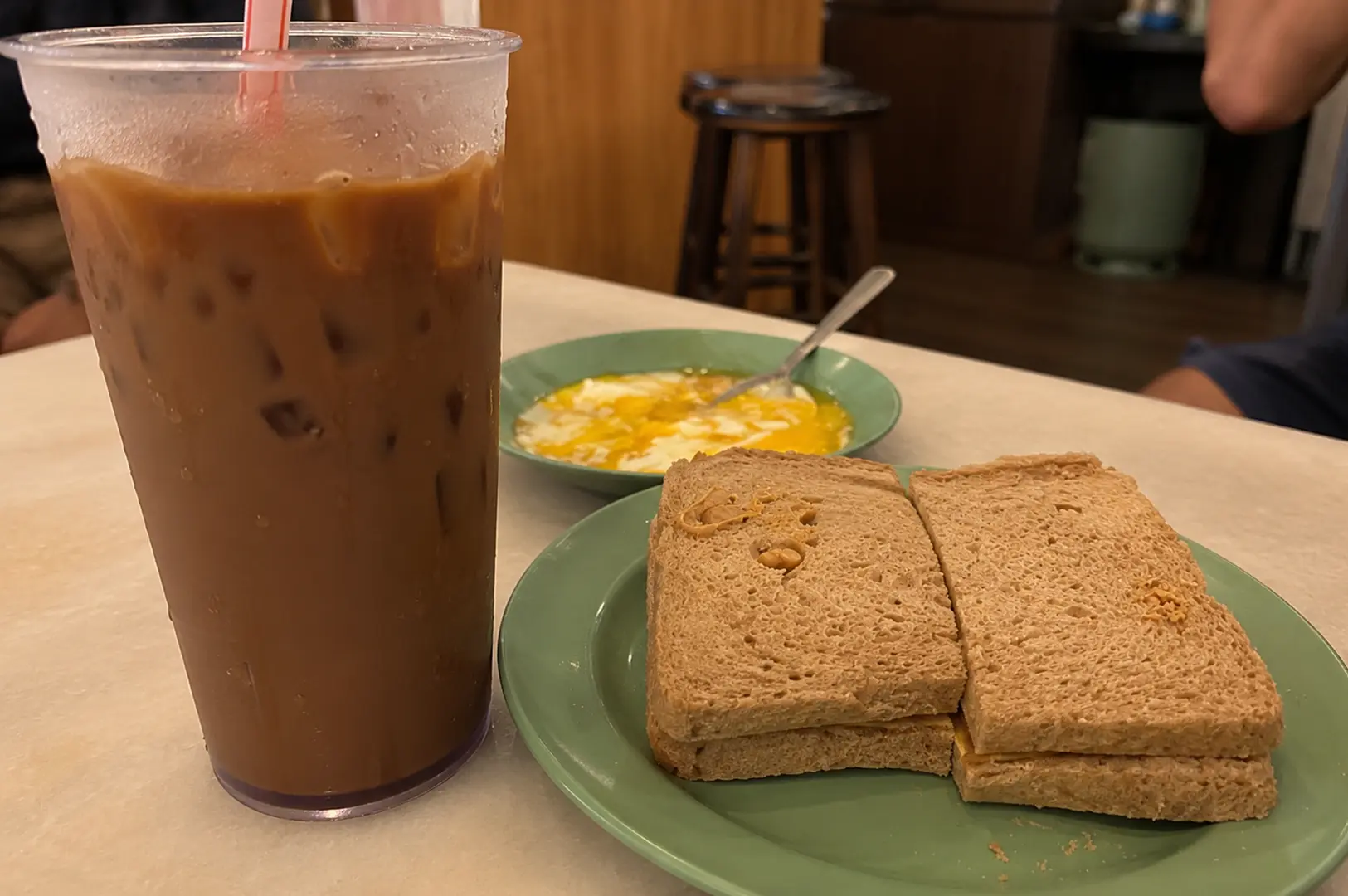
When my breakfast arrived, it looked simple enough. Two slices of toasted bread held together by a layer of kaya jam and cold butter. Beside it sat a pair of soft-boiled eggs and a cup of coffee. Nothing extravagant, nothing designed to impress.
Yet that simplicity is exactly why it works.
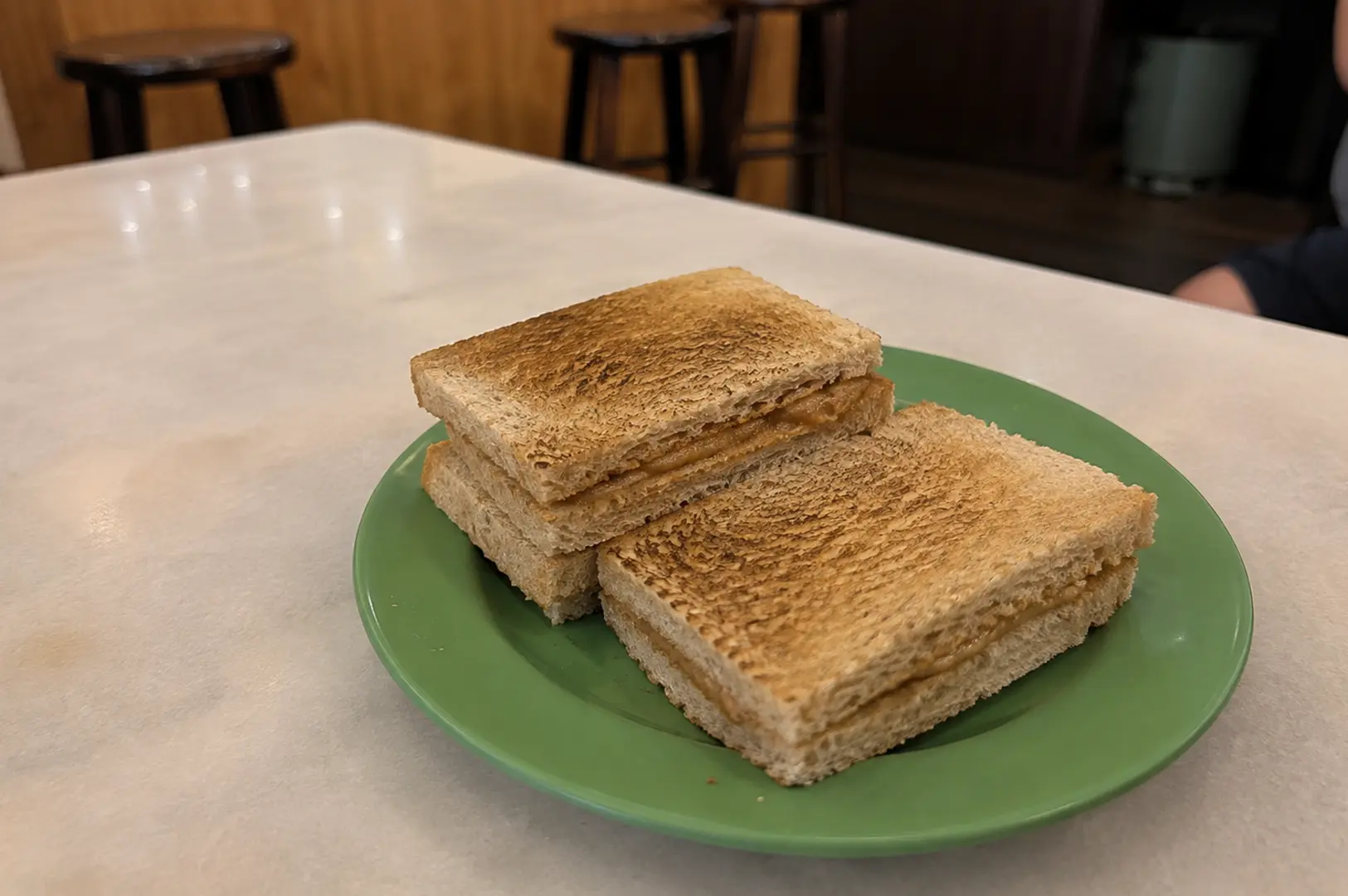
The toast provides a gentle crunch. The kaya adds sweetness without becoming overwhelming. The butter melts gradually between the warm slices, creating a balance that feels satisfying rather than heavy. Combined with the eggs and coffee, the meal offers just enough substance to start the day comfortably.
As I continued exploring Singapore’s food scene, I noticed that kaya toast appeared almost everywhere. It could be found in long-established coffee shops, neighbourhood cafés, food centres, and modern chains. Despite the different settings, the experience remained remarkably consistent.
That consistency matters.
Many breakfast foods are enjoyable occasionally but difficult to eat every day. Some are too rich. Others require too much time. Kaya toast manages to avoid both problems. It is affordable, widely available, and familiar in a way that never feels repetitive.
I think that is part of its appeal.
There is also something special about how it fits naturally into everyday life. People stop for kaya toast before work, after morning exercise, or while catching up with friends. Some eat it quickly before heading to the office. Others linger over their coffee and conversation. The meal adapts to whatever the morning requires.
The more I travel around Singapore, the more I appreciate foods that remain closely connected to daily routines. While famous dishes often attract attention, it is the everyday meals that reveal how people actually eat.
For me, kaya toast represents that everyday food culture perfectly.
It is simple without being boring. Familiar without becoming forgettable. Affordable without sacrificing flavour. Most importantly, it continues to bring people together across generations and neighbourhoods.
Perhaps that is why I keep returning to it.
Not because it is the most exciting breakfast in Singapore, but because it is one of the most dependable. On busy mornings and quiet ones alike, kaya toast always seems to be exactly what I need.
For more food stories, local dining guides, and hidden culinary discoveries across Singapore, visit SG Foodie Travels.