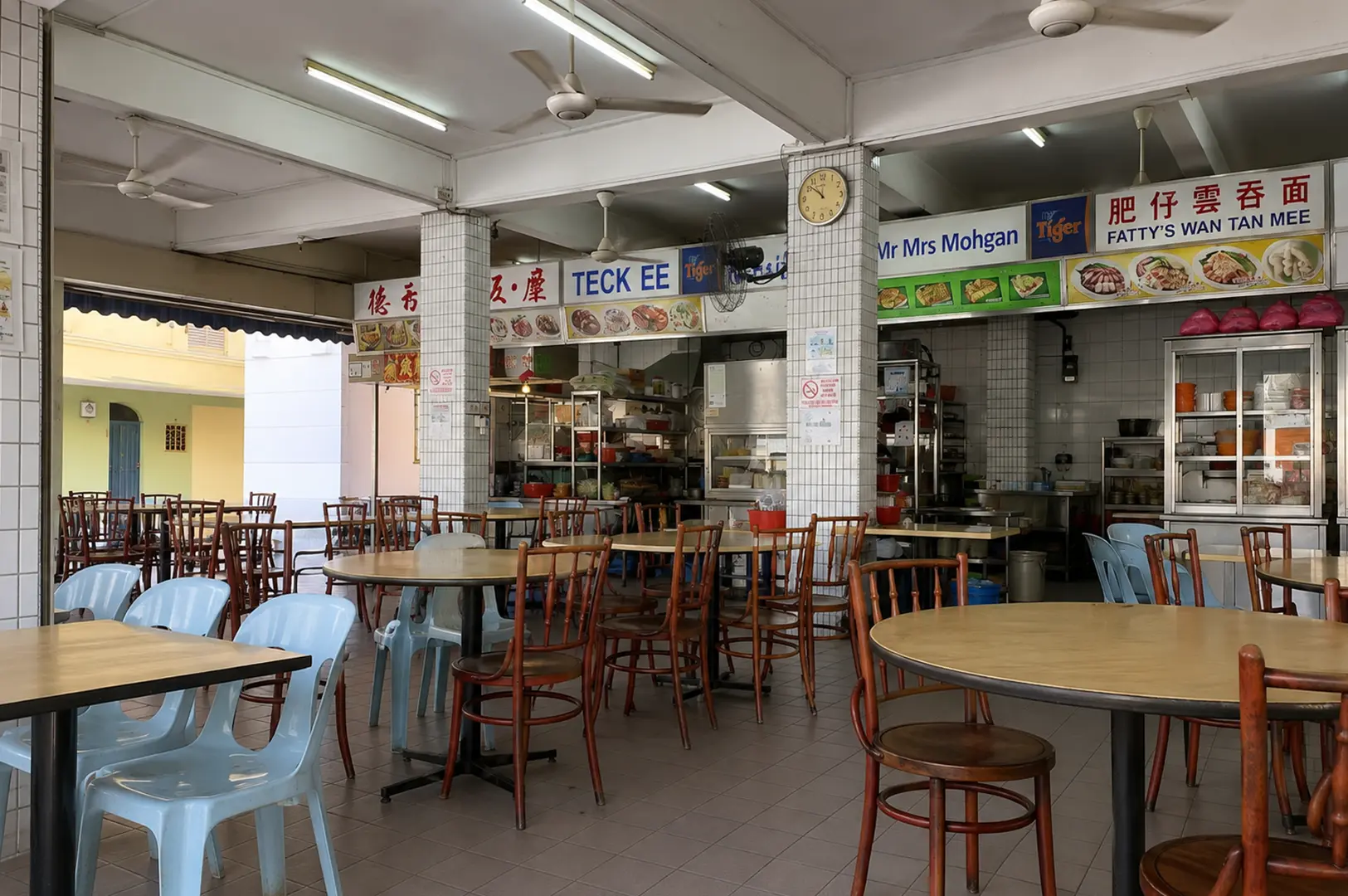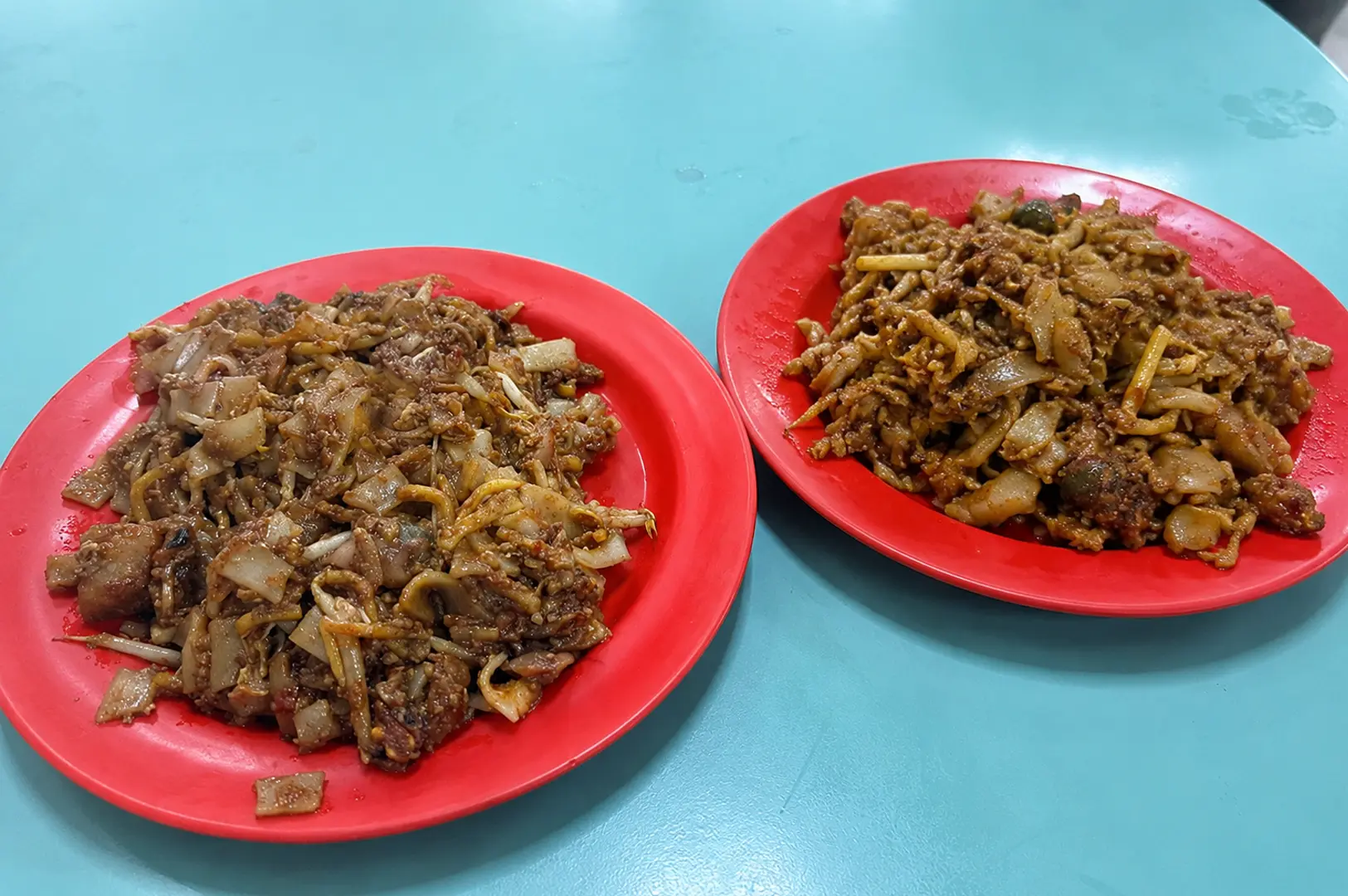
I used to walk past the char kway teow stall without a second thought. It always looked the same to me; a dark plate of flat noodles, a bit of greasy, nothing that asked for attention. Then one evening I watched the man behind the wok actually cook it, and I have not looked at the dish the same way since.
He worked fast. The flame came up tall and sudden, the noodles hit the metal with a hiss, and within seconds the whole stall filled with that smell; lard, soy, and smoke all at once. There was no recipe card, no measuring. He moved on memory and feel, tossing the noodles so they caught the heat without sticking, folding in cockles and bean sprouts at the exact second they needed to go in. The whole thing was done in under three minutes. I think that speed is part of why people underrate it. It looks easy because he made it look easy.
What you are actually tasting in a good plate is wok hei, the breath of the wok. It is the slightly charred, smoky flavour that only comes from a screaming hot pan and a cook who knows how to control it. You cannot fake it. You cannot get it from a low flame or a home stove that never reaches the right temperature. When people say a plate of char kway teow tastes flat, this is usually what is missing. The ingredients are simple; the technique is not.
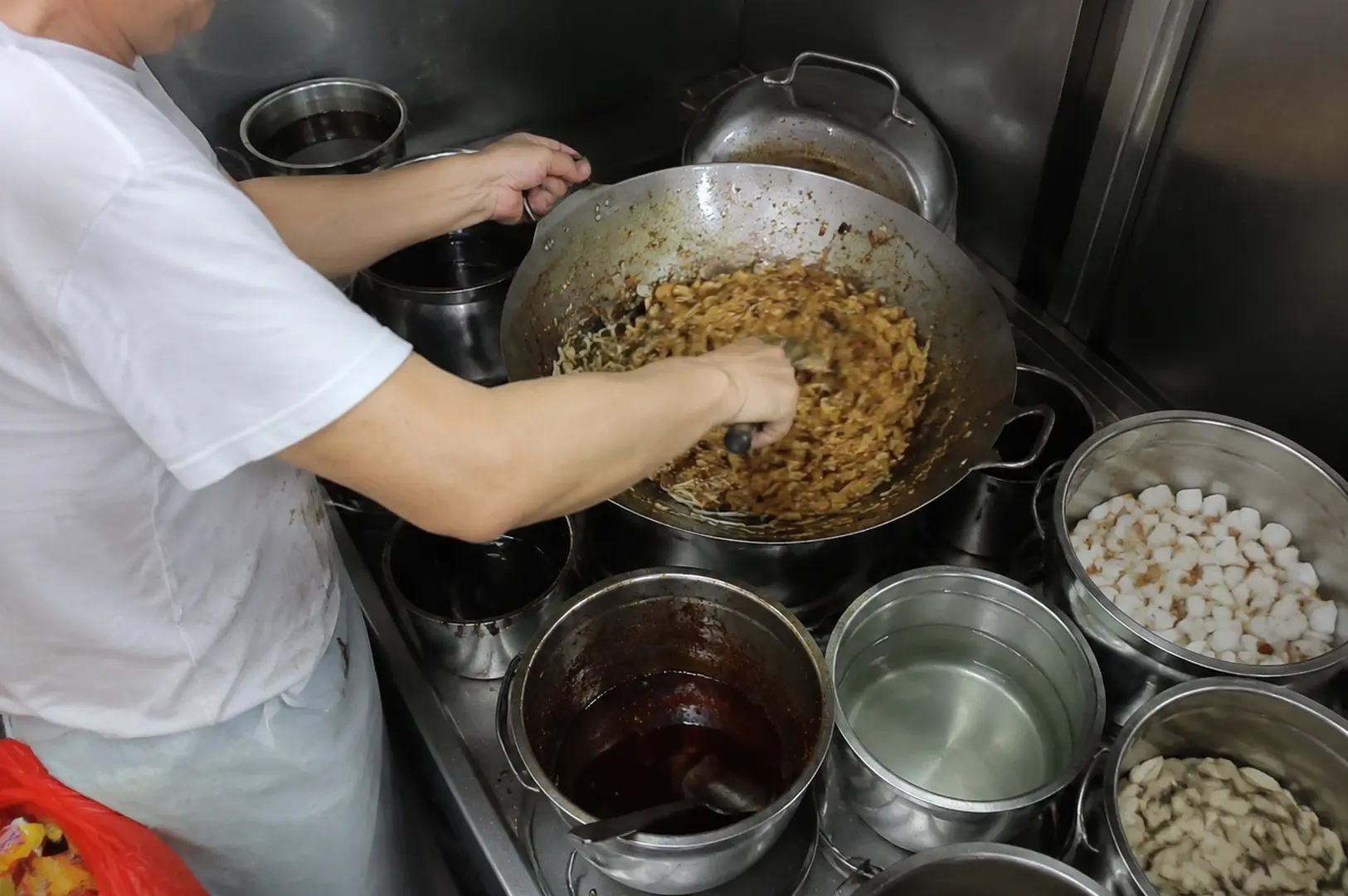
That gap between simple ingredients and difficult execution is exactly why I think the dish deserves more credit. We tend to reserve our respect for food that is expensive or complicated, the tasting menus and the careful plating. But there is real mastery in getting flat rice noodles to taste smoky without turning to mush, in balancing the sweetness of the dark sauce against the salt, in cooking cockles so they stay plump rather than rubbery. A cook spends years learning to read the flame. We finish the plate in ten minutes and move on.
There is also the texture, which I think gets overlooked. A good plate has contrast; the soft, slightly chewy noodles, the snap of bean sprouts, the bite of Chinese sausage, the give of cockles. When it is done right, every forkful is a little different. When it is done badly, it all collapses into one oily, uniform mouthful. The difference is not the ingredients on the list. It is the hand that cooked it.
I am not asking anyone to put char kway teow on a pedestal it never wanted. Part of its charm is that it stays cheap, fast, and unfussy. But I do think we can hold two things at once; a dish can be humble and still be skilled. The next time you eat it, watch the cook before you watch the plate. Notice the flame, the timing, the smell that arrives before the food does. You might find, like I did, that the most ordinary stall is doing something quietly extraordinary.
If you want more honest takes on the food we eat every day, come read the rest of our stories at SG Foodie Travels.