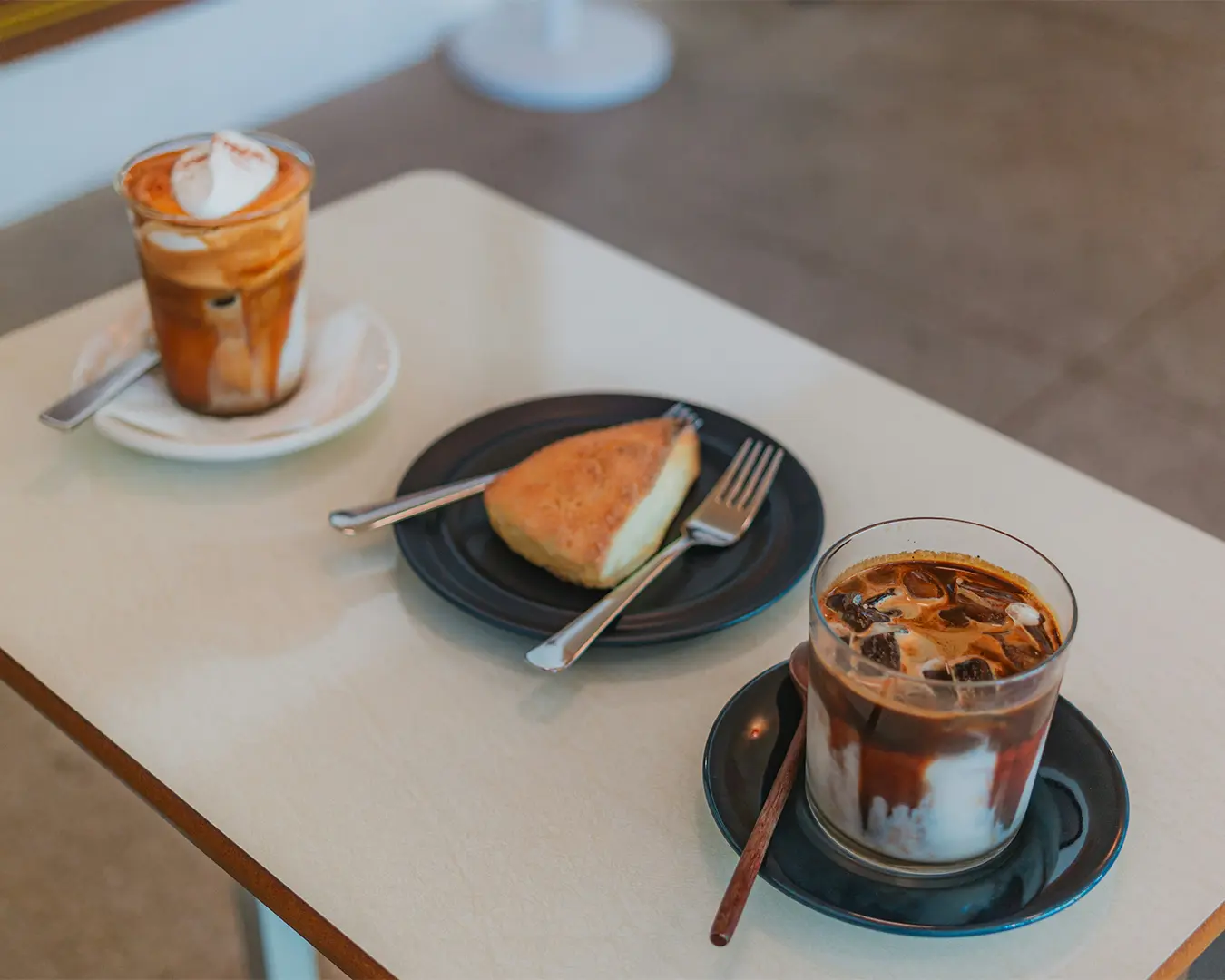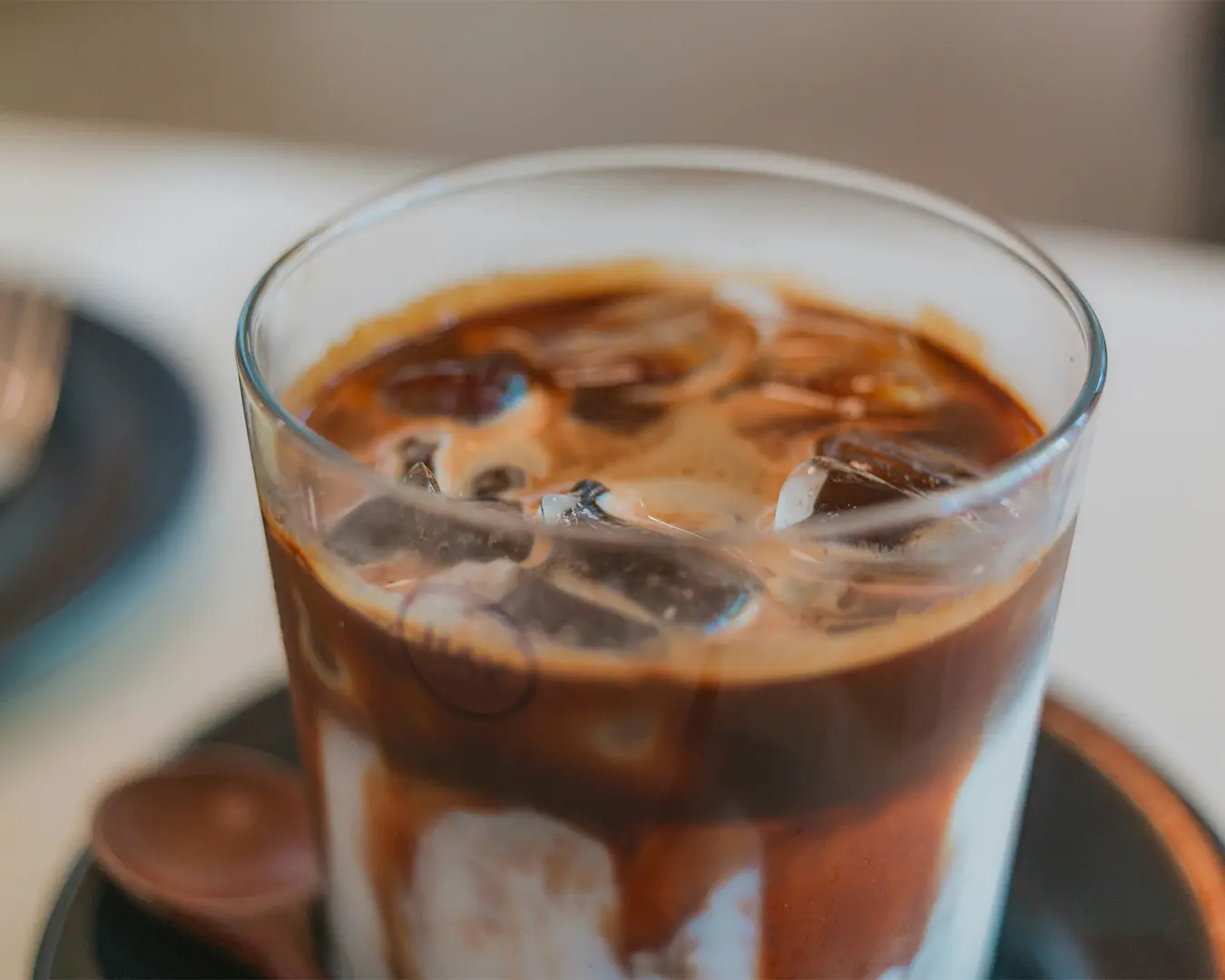
You wander into a Quiet Neighbourhood you’ve passed a hundred times without noticing. A small café door is open. Inside, there’s no rush—just the sound of beans grinding, a barista chatting with a regular, sunlight cutting across a narrow counter adorned with Potted Plants. You sit, order something you wouldn’t normally order, like an Iced Matcha Latte or a cup of White Coffee, and realise you’re not just drinking coffee. You’re participating in a rhythm that only exists on weekends.
To understand Singapore’s coffee culture fully, you don’t look at weekday queues. You look at where people choose to spend their weekends.
If you wish to explore hidden gems aside from cafés in Singapore, click here to know more!
History of Coffee in Singapore
Long before Specialty Coffee and Instagram-worthy brunch plates became weekend rituals, Singapore’s coffee story began in the bustling Kopitiams of the 19th century. These early cafés, opened by Chinese immigrants in neighbourhoods like Chinatown and Tanjong Pagar, were more than just places to grab a cup—they were original social hubs. Locals gathered over strong, sweet Local Kopi, brewed with sock filters and served in thick porcelain cups, sharing news, laughter, and daily rhythms.
As the city grew, so did its appetite for new experiences. The mid-20th century brought Western-style cafés, offering Coffee Lovers choices between traditional kopi and creamy lattes, paired with Light Bites, pastries, or French Toast. Cafés became places for conversation and culinary exploration.
Today, Singapore’s café culture is a vibrant tapestry of rich past and global influences. Specialty Coffee shops like Five Oars Coffee Roasters set new standards, offering everything from meticulously brewed Filter Coffee and Cold Brew to creative drinks like Iced Matcha Lattes. Cafés now cater to every craving, with Extensive Menus featuring Pasta Dishes, Durian Pastries, and Sweet Treats that turn a simple coffee break into a full dining experience.
Neighbourhoods such as Holland Village and the laid-back East Coast have become destinations for Popular Cafes, each with its own character and loyal following. Whether seeking a quiet brunch spot, a Retail Space to browse beans and brewing gear, or a hidden gem like Chye Seng Huat Hardware, there’s always something new to discover. Google Maps helps navigate the city’s café landscape, finding the Nearest MRT or avoiding Peak Hours for a relaxed visit.
From humble Local Kopi beginnings to sophisticated Specialty Coffee, Singapore’s café culture continues to evolve—a journey shaped by tradition, innovation, and a shared love of good coffee, food, and company.
Singapore’s Hidden Café Renaissance: Featuring Oars Coffee Roasters and Five Oars Coffee Roasters
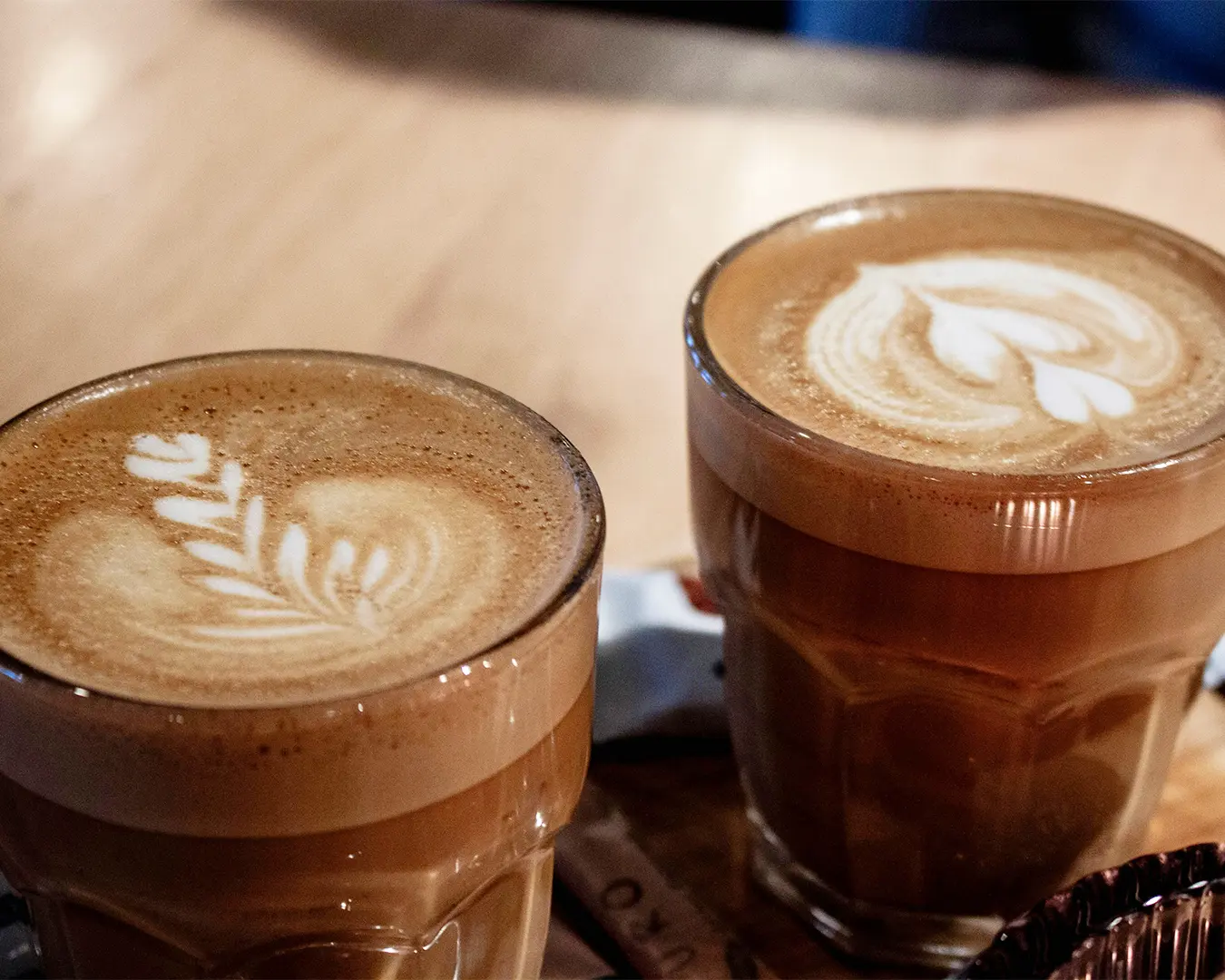
Singapore’s café scene didn’t always look like this.
In the early days, cafés clustered in predictable zones—CBD lunch spots, shopping districts like Orchard Road, tourist-friendly streets. Over time, something quieter began to happen. Independent café owners started opening in places that didn’t make obvious commercial sense: side streets, residential estates, converted industrial units.
These cafés weren’t built for volume. They were built for intention.
Today, this Hidden Café Renaissance defines much of Singapore’s Specialty Coffee identity. The most thoughtful cafés, such as Five Oars Coffee Roasters, are often the hardest to stumble upon by accident—unless you’re walking without urgency, which is precisely what weekends allow. Alchemist is located within the historic Khong Guan Biscuit Factory in Tai Seng, offering top-tier coffee in a unique setting. Brawn & Brains is located in a Geylang back alley and is known for its inviting spacious interior and in-house roasted coffee.
This is why Hidden Cafés Singapore coffee lovers talk about rarely feel accidental. They’re discovered through curiosity, not convenience.
Residential Neighbourhoods: Where Café Culture Gets Personal in Quiet Neighbourhoods
Some of the most meaningful cafés in Singapore sit quietly among HDB blocks and conserved shophouses, serving the people who live nearby.
In neighbourhoods like Tiong Bahru’s backstreets, Joo Chiat’s residential lanes, Katong’s quieter roads, or Everton Park, cafés feel embedded rather than imposed. Owners often live nearby. Regulars recognise one another. The café becomes an extension of the neighbourhood. For example, Janie the Bakery is located on the first floor of Katong Shopping Centre and is recommended for its Sourdough and Kaya Butter Toast.
This is where neighbourhood cafés Singapore truly shine—not as destinations, but as anchors of daily life that reveal themselves most clearly on weekends.
Industrial Conversions: Coffee in Unexpected Places like Chye Seng Huat Hardware and Tanjong Pagar
Singapore’s industrial estates and business parks hide some of its most intriguing cafés.
Converted warehouses in areas like Tanjong Pagar’s fringes, Alexandra, or parts of Tai Seng and Ubi offer café spaces that feel deliberately removed from the city’s polish. These cafés trade convenience for character.
Alchemist is a coffee roaster located in a gothic-style building, known for its consistently good coffee and simple pastries. Chye Seng Huat Hardware is a popular café that was converted from an old hardware store, and both have become destinations for those seeking unique café experiences. Alchemist has also expanded with a Second Outlet, making its offerings more accessible to Coffee Lovers across Singapore.
These locations attract café owners who value experimentation over visibility. Many roast their own beans, collaborate with artists, or use the space as a testing ground for ideas that wouldn’t survive in a mall.
This is the less visible side of independent coffee shops Singapore is increasingly known for.
Heritage Shophouses: Coffee with Memory in Neil Road and Holland Village
Heritage shophouses offer cafés something rare—history as atmosphere.
In places like Telok Ayer, Kampong Glam’s hidden alleys, Neil Road, or the less-travelled lanes of Keong Saik, cafés operate within architectural constraints that force creativity. Narrow layouts, uneven floors, and preserved facades shape how the space is used.
On weekends, these cafés feel especially alive. Light shifts through old windows. Conversations echo differently. Coffee is consumed in dialogue with the building itself.
These cafés remind you that Singapore’s café culture didn’t erase the past—it layered itself on top of it.
The Art of the Weekend Café Hunt with Google Maps
Finding meaningful cafés isn’t about ticking boxes. It’s about how you move.
Weekend café exploration works best when it’s unstructured. Walking beats searching. Curiosity beats certainty.
Some practices that naturally lead to discovery:
Wandering residential streets without destinations
Following roasters rather than café brands
Asking baristas where they drink coffee on their days off
Paying attention to Quiet Corners, not busy roads
With these strategies, you may have better luck finding Work-Friendly Hidden Cafés.
Using Google Maps can help you locate hidden gems, especially those on upper floors, like those on the Second Floor or Fourth Floor, or tucked away in Retail Spaces. You might even encounter some cafes inside the MRTs.
Many Work-Friendly Cafés in Singapore offer amenities like Wi-Fi and power sockets, making them ideal for those who want to work while enjoying coffee.
This approach turns coffee into a way of reading the city—slowly, attentively.
What Makes a Hidden Café Worth Discovering for Coffee Lovers
Not every hidden café is special. The ones that endure tend to share certain qualities.
They are often:
Owner-operated, with a clear personal vision
Focused on Specialty Coffee rather than generic menus
Thoughtful about space, not decorative for its own sake
Interested in relationships, not turnover
Designed with thoughtful table arrangements, including designated seating for single occupancy like bar or window seats, which enhance the experience for those seeking a quiet spot to work or relax
The coffee matters, but so does intention. You can feel when a café exists because someone needed it to exist.
That’s what elevates Specialty Coffee Singapore Hidden Gems beyond novelty.
Beyond the Coffee: Food Menu, Atmosphere, and Community
Great weekend cafés don’t rely on coffee alone.
Food, when present, is usually purposeful:
House-made pastries and bakery items, such as Sourdough Bread, French Toast, and Light Bites like sandwiches and waffles
Simple savoury items done well, including Brunch Plates with Scrambled Eggs, Maple Glazed Bacon, and Pasta Dishes
Collaborations with small bakers or kitchens
Some hidden cafés offer an Extensive Menu that caters to a variety of tastes, including both savory and sweet options. Plated Desserts and Sweet Treats are a highlight at places like Rise Bakehouse, which is known for its dessert selection and savory options. Tea is also a highlight at some cafés, such as Pomegranate at Duo Galleria, a Muslim-friendly cafe offering brunch plates and afternoon tea.
Atmosphere is equally deliberate. Music is curated. Seating is considered, including Outdoor Seating when available. Silence is sometimes respected.
This is café culture as relationship, not retail.
Navigating Lesser-Known Café Neighbourhoods like East Coast and Bukit Batok
Some neighbourhoods reward patience.
Areas like Tiong Bahru’s back lanes, Keong Saik’s quieter ends, Kampong Glam’s side streets, or Joo Chiat beyond the main road reveal cafés gradually. The first visit may not yield much. The second often does.
Exploration here is cumulative. You begin to recognise patterns: which streets attract creative businesses, which corners invite lingering. Some hidden cafés discovered this way can be a great alternative to busier spots—take Wildseed Cafe’s new outlet in the Singapore Botanic Gardens, for example, which features local-infused dishes and offers a quieter, unique experience.
Over time, the neighbourhood becomes legible—not through maps, but through memory.
Why Hidden Cafés Matter to Singapore’s Food Culture and Cafes in Singapore
Hidden cafés do more than serve good coffee. They diversify Singapore’s food landscape—so don’t forget the essential role these cafés play in making the city’s food scene unique.
They:
Offer alternatives to commercial sameness
Create third spaces for connection
Encourage slower forms of consumption
Anchor neighbourhood identities
New cafés in Singapore are popping up everywhere, offering fresh dining experiences and further enriching the café culture.
In a city defined by efficiency, they protect slowness. In a market driven by scale, they defend smallness.
This is why Café Culture Singapore feels richer than it appears at first glance.
Conclusion: The Soul Lives in the Quiet Places of Singapore’s Best Cafes
Singapore’s coffee soul doesn’t announce itself. It waits for weekends.
It waits for people willing to wander without urgency, to sit without rushing, to drink coffee not because they need it—but because they want to be present. Hidden Cafés reveal how deeply coffee here is tied to place, people, and purpose.
So dedicate a weekend morning to walking somewhere unfamiliar. Let curiosity guide you. Talk to the barista. Order something different, like a latte, a cold brew, or a local kopi. Sit a little longer.
And if you want thoughtful explorations of off the beaten path Cafés Singapore Coffee Lovers quietly treasure, follow SGfoodietravels—where we believe the most meaningful coffee experiences are found when time finally slows down.