In the heart of Southeast Asia, a culinary revolution is quietly unfolding on plates across Singapore. This island nation has long been a crossroads of cultures, but today, its chefs are doing more than just sharing a space—they are creating an entirely new culinary language. The landscape of East meets West cuisine Singapore is where traditional Asian flavors are reimagined with modern European techniques, resulting in dishes that are both familiar and startlingly new. As Singapore chefs redefining Asian cuisine continue to push boundaries—as highlighted in singaporebestrestaurants.com’s Singapore’s Fusion Pioneers: Culinary Innovation Defined article—they prove that authentic fusion is a sophisticated art form.
This movement is a natural evolution for a city built on multiculturalism. Chefs here are uniquely positioned to bridge Eastern traditions with Western techniques, creating a dynamic scene for contemporary Asian dining Singapore. From hawker-inspired tasting menus to French-inflected Peranakan classics, this article explores the philosophies, techniques, and signature dishes that cement Singapore’s reputation for world-class Singapore culinary innovation.
From hawker-inspired tasting menus to French-inflected Peranakan classics, this article explores the philosophies, techniques, and signature dishes that cement Singapore’s reputation for world-class Singapore culinary innovation—an experience frequently documented by food-focused travel platforms like SG Foodie Travels.
The Foundation: Why Singapore?
Singapore’s role as Asia’s fusion capital is no accident; it is a destiny written by centuries of history and geography. Its multicultural DNA—a rich blend of Chinese, Malay, Indian, and Peranakan heritage—created a society where culinary exchange was a daily occurrence. The British colonial era introduced Western cooking methods and ingredients, which were quickly adapted by local cooks into early forms of fusion. This historical foundation made Singaporeans inherently open-minded and adventurous diners.
The city’s strategic location has long made it a gateway between East and West, ensuring a constant flow of ideas and products. Today, that advantage translates into world-class infrastructure, giving chefs access to the best ingredients from both hemispheres. This attracts top international talent, who come to Singapore to experiment in its sophisticated dining scene.
Furthermore, a new generation of local chefs, many of whom trained in prestigious Western culinary schools, has returned with hybrid perspectives. They possess both a deep respect for their heritage flavors and a mastery of modern techniques. This combination, supported by a globally-minded audience that craves experimentation, creates the perfect environment for culinary creativity to flourish.
Defining "East Meets West": Beyond Simple Fusion
In Singapore, the best Asian fusion restaurants Singapore practice a philosophy that goes far beyond simple mash-ups. True East meets West cuisine Singapore is about a deep, mutual respect for both traditions. It’s about understanding not just how to cook an ingredient, but why it is cooked a certain way in its native cuisine.
This thoughtful approach mirrors the principles explored in this article on Singapore’s Fusion Pioneers, where chefs emphasize respect for both culinary traditions.
This thoughtful approach likewise manifests in several other ways:
- Technique Layering: This involves applying a Western method to an Eastern process. A chef might use the French sous-vide technique to achieve a perfect, tender texture in a traditionally braised Chinese pork belly, finishing it with a classic soy glaze.
- Conceptual Fusion: This is about structure and philosophy. A restaurant might adopt the multi-course, seasonally-driven format of a Japanese kaiseki menu but feature ingredients and flavor profiles from the Mediterranean.
- Flavor Philosophy: It’s about balancing the core tenets of different culinary worlds. A dish might be built on the savory depth of Japanese umami, brightened with the acidity of Italian citrus, and finished with the complex heat of Indian spices.
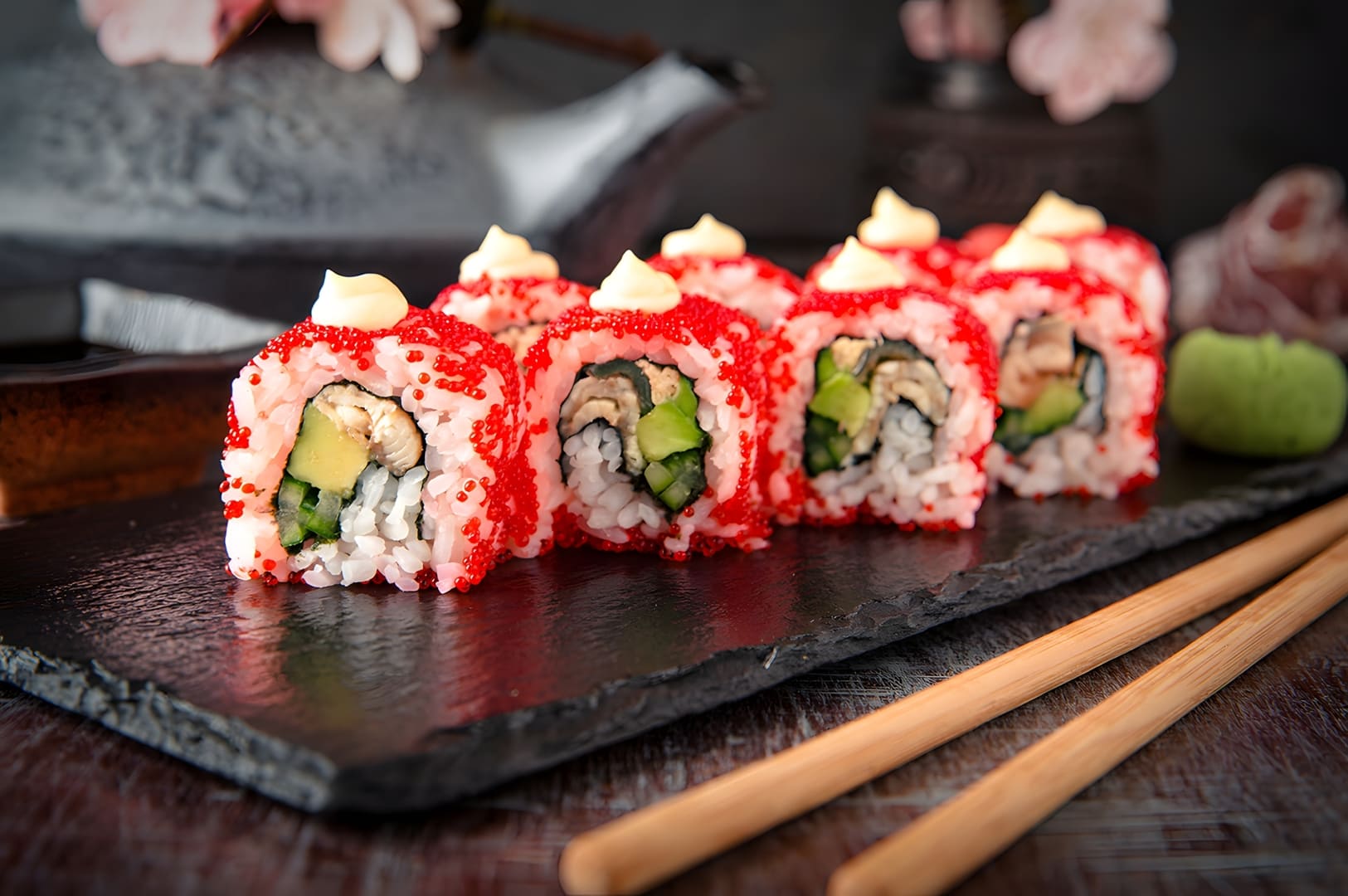
- Plating Aesthetics: The visual presentation is also a dialogue. You might see the minimalist, nature-inspired presentation of Japanese cuisine used to showcase a dish with bold, rustic French flavors.
This works so well in Singapore because chefs and diners are equally fluent in multiple culinary languages. They can appreciate the nuance and understand the conversation happening on the plate.
Defining "East Meets West": Beyond Simple Fusion
In Singapore, the best Asian fusion restaurants Singapore practice a philosophy that goes far beyond simple mash-ups. True East meets West cuisine Singapore is about a deep, mutual respect for both traditions. It’s about understanding not just how to cook an ingredient, but why it is cooked a certain way in its native cuisine.
This thoughtful approach mirrors the principles explored in this article on Singapore’s Fusion Pioneers, where chefs emphasize respect for both culinary traditions.
This thoughtful approach likewise manifests in several other ways:
- Technique Layering: This involves applying a Western method to an Eastern process. A chef might use the French sous-vide technique to achieve a perfect, tender texture in a traditionally braised Chinese pork belly, finishing it with a classic soy glaze.
- Conceptual Fusion: This is about structure and philosophy. A restaurant might adopt the multi-course, seasonally-driven format of a Japanese kaiseki menu but feature ingredients and flavor profiles from the Mediterranean.
- Flavor Philosophy: It’s about balancing the core tenets of different culinary worlds. A dish might be built on the savory depth of Japanese umami, brightened with the acidity of Italian citrus, and finished with the complex heat of Indian spices.
- Plating Aesthetics: The visual presentation is also a dialogue. You might see the minimalist, nature-inspired presentation of Japanese cuisine used to showcase a dish with bold, rustic French flavors.
This works so well in Singapore because chefs and diners are equally fluent in multiple culinary languages. They can appreciate the nuance and understand the conversation happening on the plate.
The Techniques: How Chefs Bridge Traditions
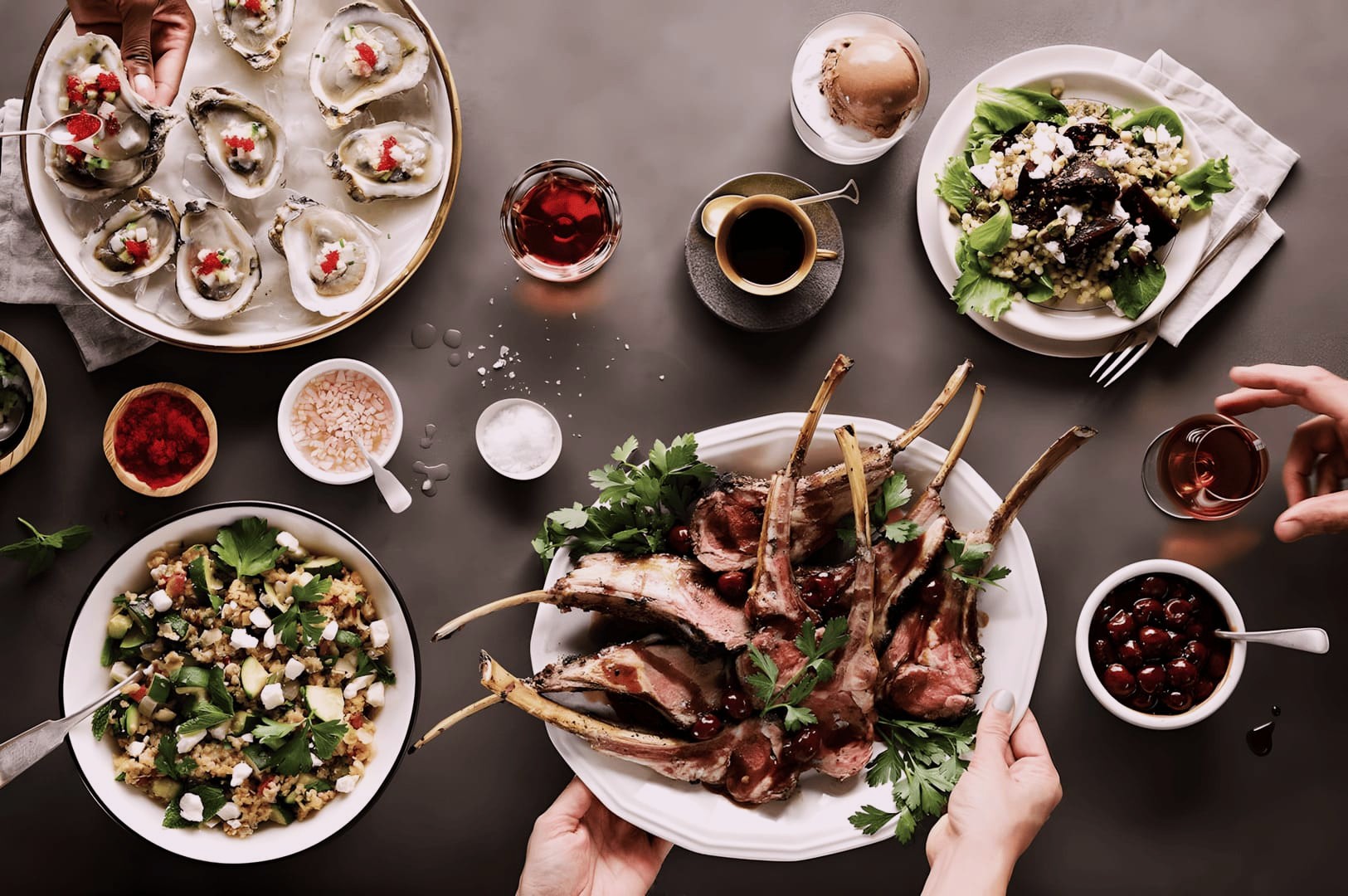
Singapore chefs redefining Asian cuisine rely on a toolkit of specific modern Asian cuisine techniques to create their signature dishes. These methods are the bridge that connects the two worlds.
Western Precision, Asian Ingredients
Chefs are applying scientific precision to elevate traditional dishes. For example, using temperature-controlled water baths (sous-vide) for Hainanese chicken results in an unbelievably silky texture that surpasses traditional poaching methods. Similarly, slow-cooking techniques are used to break down tough cuts of meat for stews like Beef Rendang, achieving fine-dining tenderness without losing the dish’s soulful flavor.
Asian Flavors, Western Formats
This is one of the most popular expressions of contemporary Asian dining Singapore. Local flavors are brilliantly adapted into familiar Western formats. You will find pasta dishes tossed in a rich, spicy chili crab sauce or creamy risotto infused with the fragrant coconut-and-spice broth of Laksa. Tasting menus are often structured like a Western fine dining experience but tell a story of local Singaporean ingredients and hawker-inspired flavors.
Ingredient Crossover
The seamless blending of ingredients is a hallmark of this movement. European proteins like duck confit or rack of lamb are marinated in Asian spices like five-spice powder or star anise. Conversely, Asian vegetables and herbs find their way into classic European preparations. A French-style purée might be infused with pandan, or a classic Italian panna cotta might be flavored with gula melaka (palm sugar).
This innovative approach showcases how Singapore’s fusion pioneers and their culinary philosophies transform traditional techniques into contemporary culinary experiences that honor both Eastern and Western traditions.
Presentation Innovation
We eat with our eyes first, and chefs have embraced this by elevating the presentation of local dishes. Hawker classics are deconstructed and artfully reassembled using French plating aesthetics. Negative space, color contrast, and height are used to turn a once-humble dish into a work of art, transforming the entire dining experience.
The Restaurants: Where to Experience This Revolution
For travelers, the beauty of Singapore culinary innovation is that it exists at various price points.
- Mid-Tier Contemporary Dining (S$50-S$120 per person): This is where you can find some of the most exciting and accessible fusion cuisine. Neighborhoods like Dempsey Hill, Tanjong Pagar, and Robertson Quay are filled with chef-driven restaurants specializing in modern Peranakan cuisine or contemporary zi char (wok-fried dishes). Expect seasonal menus, refined plating, and a vibrant atmosphere.
- Fine Dining Experiences (S$150-S$400+ per person): At the top end, Michelin-starred establishments and celebrity chef outposts in Marina Bay Sands offer immersive tasting menus. These multi-course meals are a symphony of East-West synthesis, often featuring expert wine and sake pairings. Reservations are essential and should be made well in advance using platforms like Chope or Quandoo.
The Signature Dishes: Icons of East-West Fusion
Certain dishes have become iconic representations of Singapore’s fusion movement.
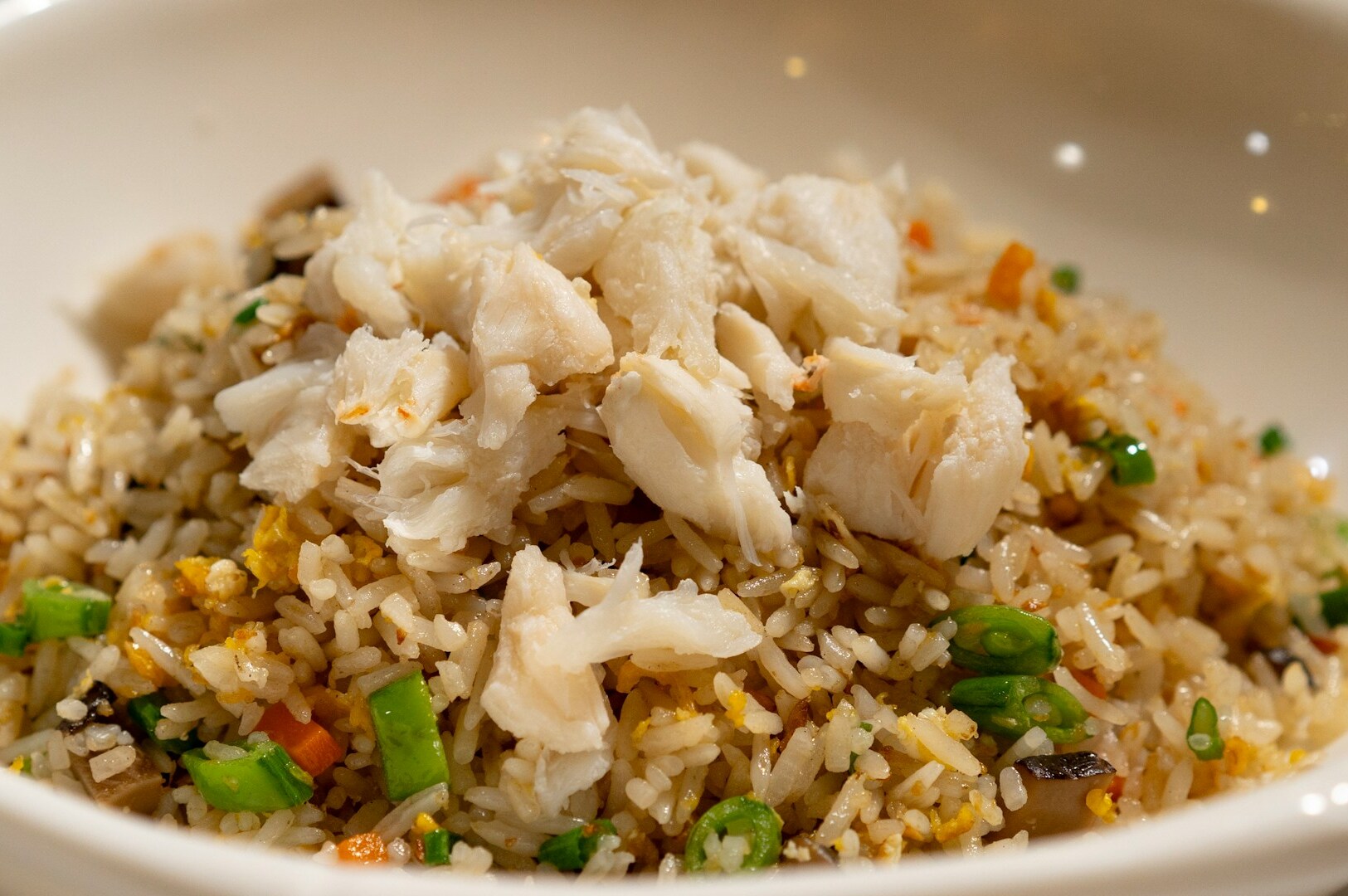
- Chili Crab Reimagined: Instead of the messy, hands-on original, you might find it as a delicate pasta filling or a refined sauce for soft-shell crab.
- Laksa Innovations: Chefs use French bisque techniques to create a velvety-smooth laksa broth or use molecular gastronomy to turn coconut milk into an airy foam.
- Elevated Peranakan: Traditional dishes like Babi Pongteh (braised pork) or Ayam Buah Keluak (chicken with black nut) are presented with contemporary flair.
- Dessert Creations: French pastries like macarons, éclairs, and tarts are infused with local flavors like pandan, kaya (coconut jam), and durian.
- Craft Cocktails: Bartenders are incorporating Asian ingredients like lemongrass, tamarind, and chili into classic cocktail recipes.
The Philosophy: What Drives Innovation
What motivates Singapore chefs redefining Asian cuisine? It’s a combination of passion, pride, and pragmatism. They are driven by a desire to honor their heritage while pushing the boundaries of what’s possible. It’s a form of edible storytelling, educating diners about their culture in a new and exciting way.
This movement is also fueled by Singapore’s competitive dining landscape. The presence of the Michelin Guide has raised standards across the board, and high operating costs demand a premium experience that justifies the price. For these chefs, achieving international recognition for their unique brand of Singapore culinary innovation is a way to put their city—and their heritage—on the global map.
For the Food Traveler: How to Experience It
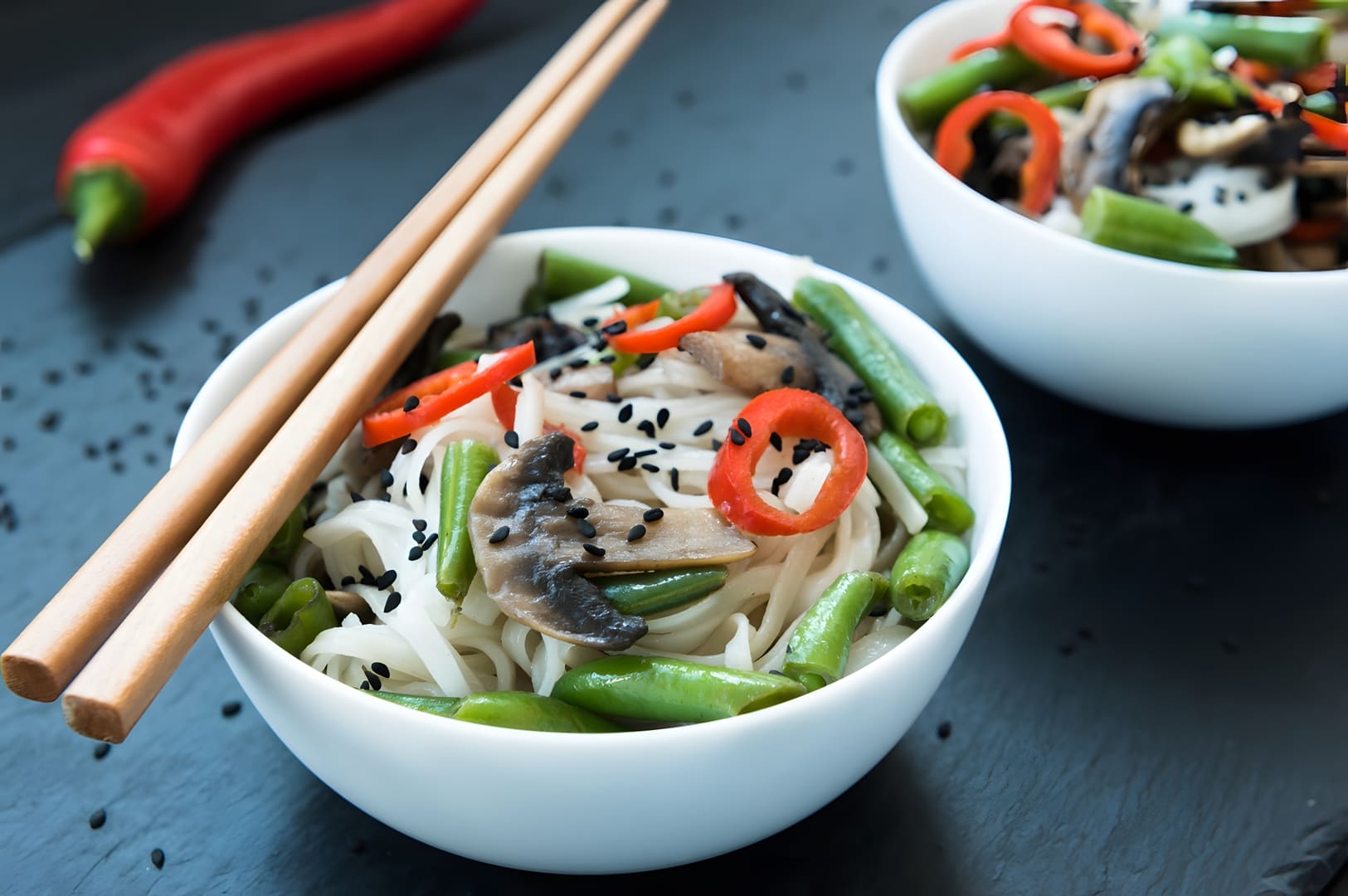
To fully appreciate the evolution of East meets West cuisine Singapore, approach your dining itinerary like a journey through time.
- Start with the Foundation: Spend a day exploring hawker centres to understand the traditional flavors in their original form.
- Move to the Middle: Book a table at a mid-tier contemporary restaurant in Tanjong Pagar or Dempsey Hill to see how those flavors are being evolved.
- Culminate at the Top: For a special occasion, indulge in a fine dining tasting menu to experience the pinnacle of innovation.
Remember to book reservations 2-4 weeks ahead for popular spots. Dress codes range from casual to formal, so check beforehand. By balancing your budget across these tiers, you’ll gain a comprehensive understanding of Singapore’s dynamic food scene.
Conclusion
Singapore’s unique position as a multicultural hub has allowed its chefs to do something truly special. They are not just combining ingredients; they are weaving together the culinary DNA of different worlds to create an entirely new gastronomic language. This authentic, history-rooted approach to fusion serves as a model for global culinary innovation that respects tradition while bravely looking to the future.
The landscape is constantly evolving as a new generation of chefs adds their voice to the conversation. For any food traveler, experiencing this revolution firsthand is more than just a series of meals—it’s a delicious glimpse into how tradition and innovation can coexist in perfect harmony.
For a deeper look into the chefs and philosophies shaping this movement, visit https://www.sgfoodietravels.com/ today.