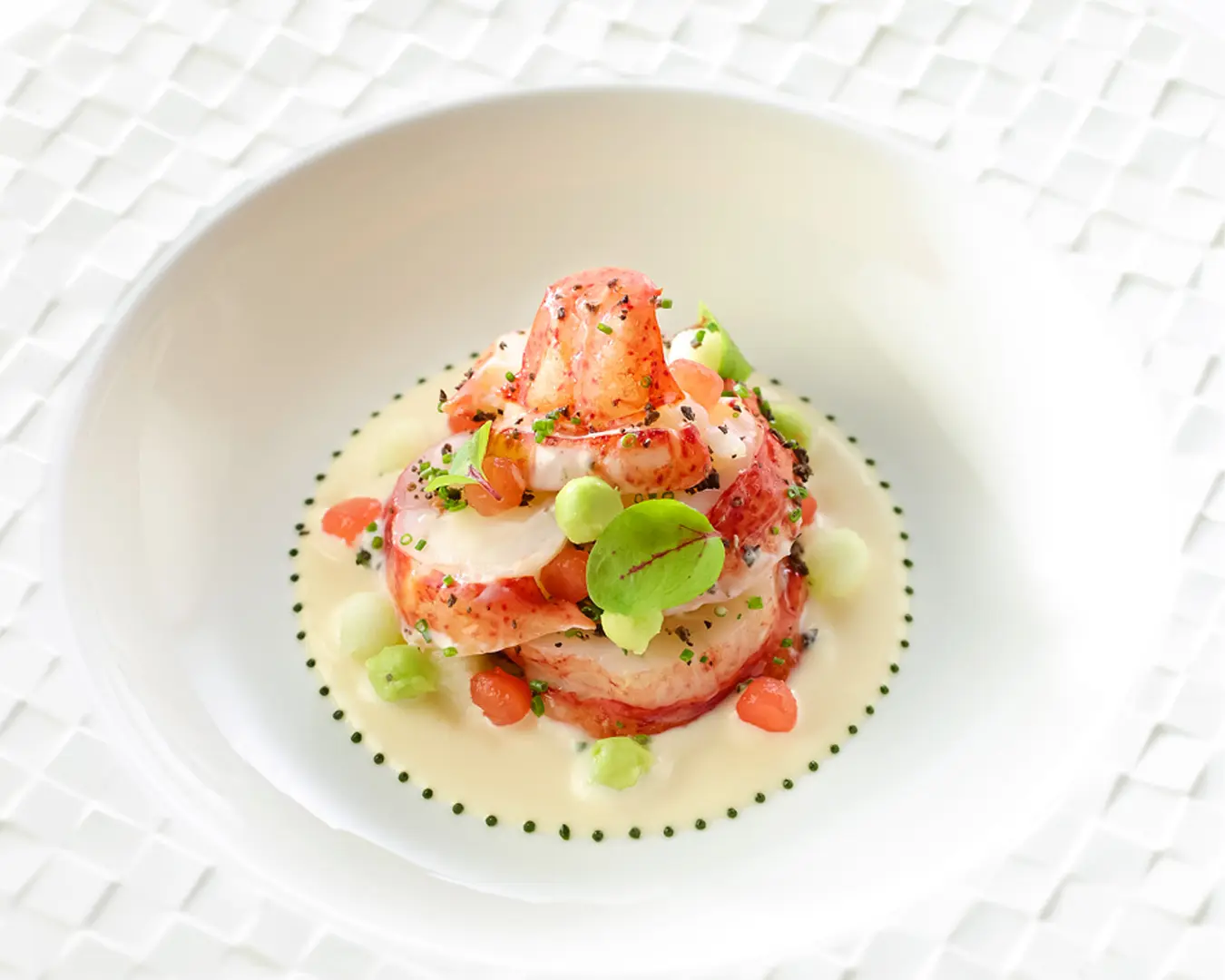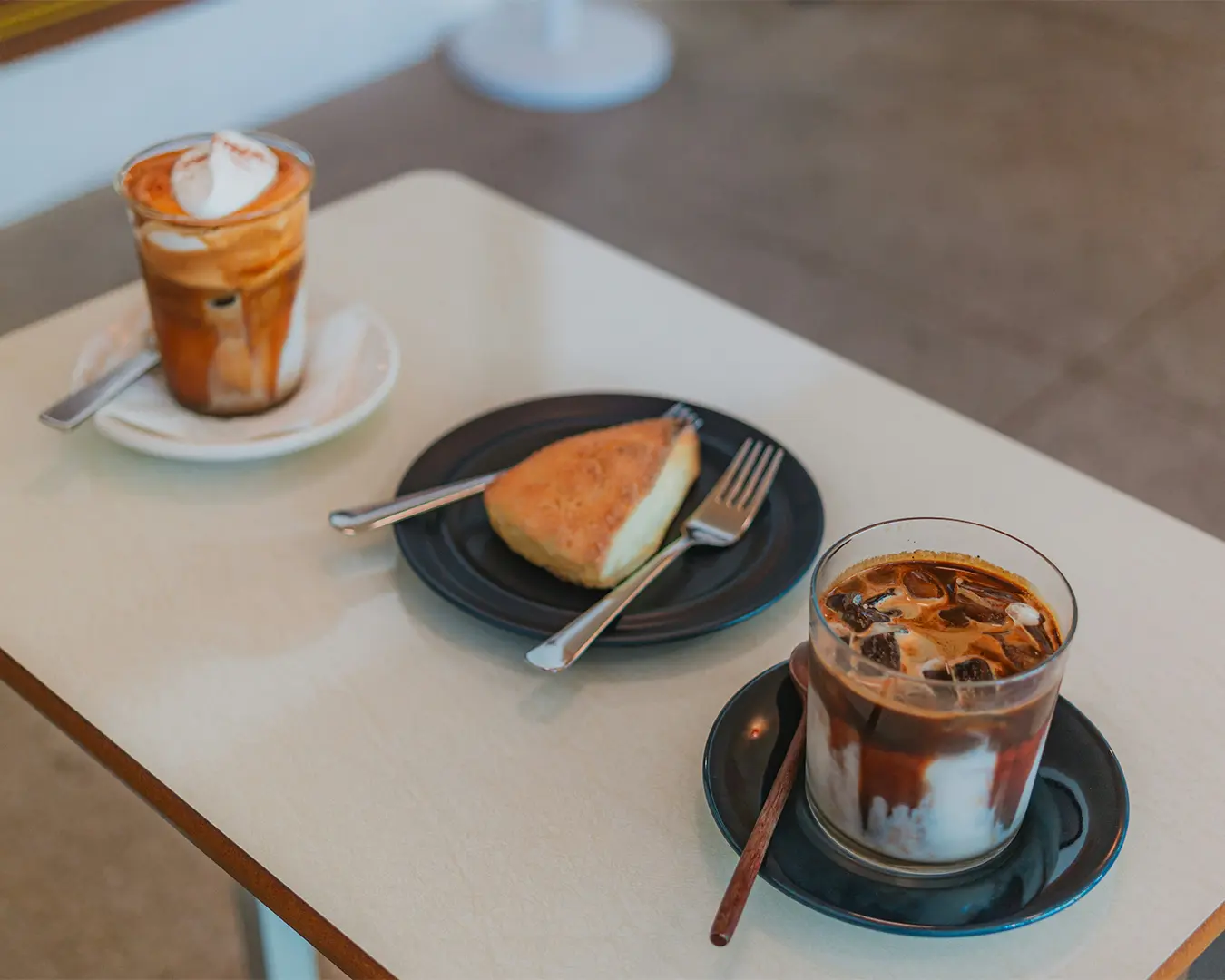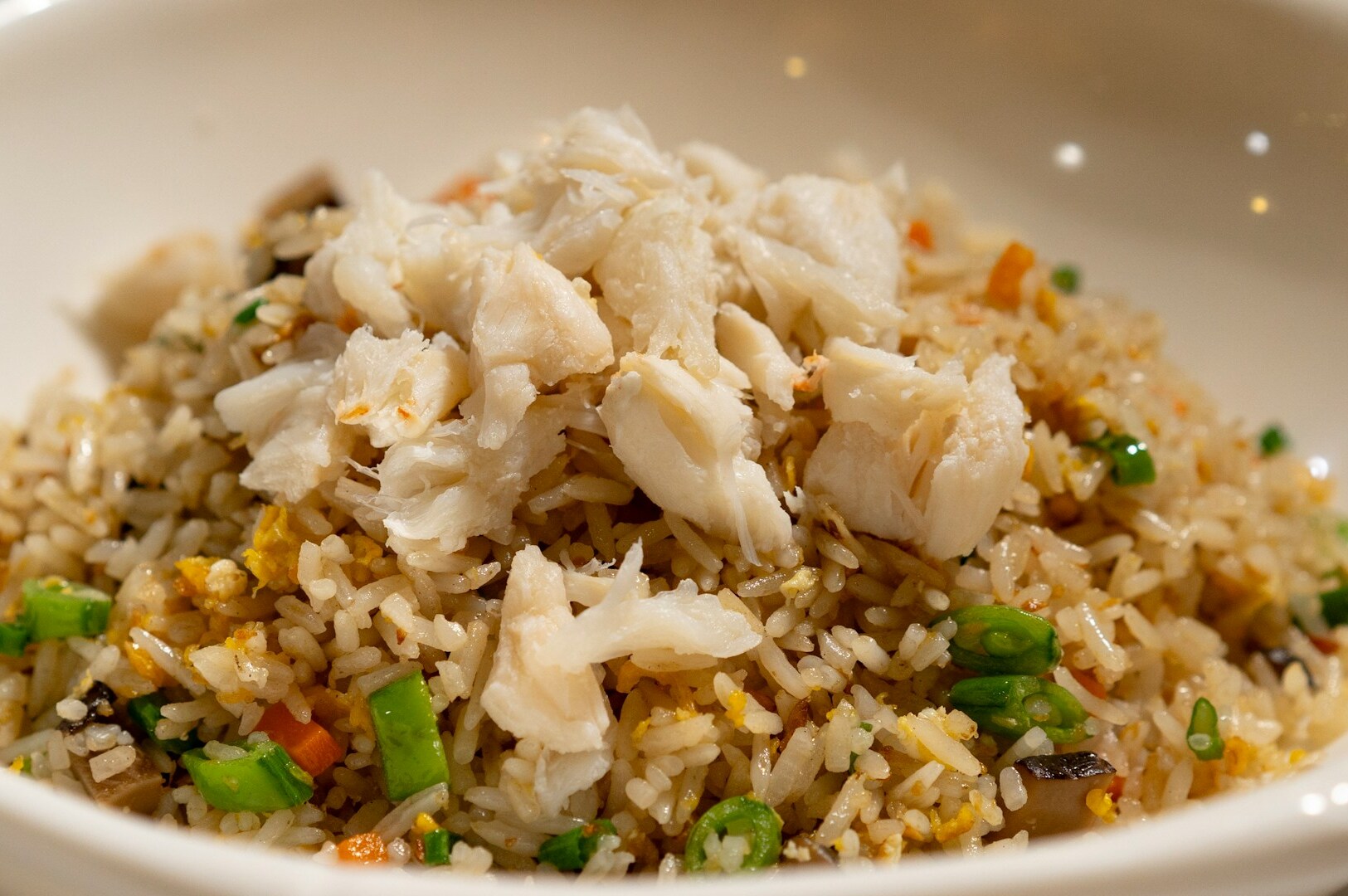
There are days when homesickness hits hard, leaving a quiet ache for the familiar. On one such afternoon, I hopped on a bus, letting the city blur past my window. I got off at a random stop, drawn to the shade of an old rain tree, and there it was: a tiny, unassuming coffee shop. The air, thick with the scent of toasted bread and brewing coffee, felt like a hug before I even stepped inside. That day, I had the best kaya toast of my life, a simple meal that soothed my soul. It was a discovery I never would have made if I’d been driving with a destination in mind.
It made me realize something beautiful about Singapore. As a culinary destination in Asia, Singapore stands out for its unique blend of cultures and food experiences, making every meal an adventure. Within the country, Singapore’s distinctive approach to food and public transport sets it apart from others in the region. We often think finding great food requires a plan and a car ride. But what if the journey itself is the secret? Singapore’s world-class public transport network is the unsung hero of its food scene, connecting us to authentic food in a way that’s spontaneous, gentle, and deeply personal.
Introduction to Singapore’s Food Scene
I realize now that Singapore’s food landscape unfolds not as mere sustenance, but as an intimate cartography of belonging—each dish a quiet revelation of how cultures breathe together in shared spaces. It struck me how the tender steam rising from hainanese chicken rice carries something beyond comfort, how the darkened wok-breath of char kway teow speaks to generations of hands that understood fire, and how the silken cascade of chee cheong fun holds memory in its gentle folds. From the weathered tables of hawker centers where conversations flow like monsoon rain to the hushed sanctuaries of restaurants where tradition meets evolution, this city reveals itself through the language of flavor and ritual. With a Singapore Tourist Pass tucked quietly in my pocket, I found myself moving between neighborhoods like turning pages in a story I was only beginning to understand—each vendor, each carefully tended stall, each perfect balance of sweet and salt teaching me that discovery often tastes like home before you recognize it as such. Over time, whether you arrive as curious wanderer or devoted seeker of authentic taste, Singapore offers not just an array of flavors, but a gentle education in how food becomes the thread that weaves strangers into community, one shared meal at a time.
Private Tour or Solo Adventure: How to Explore Singapore’s Food Scene
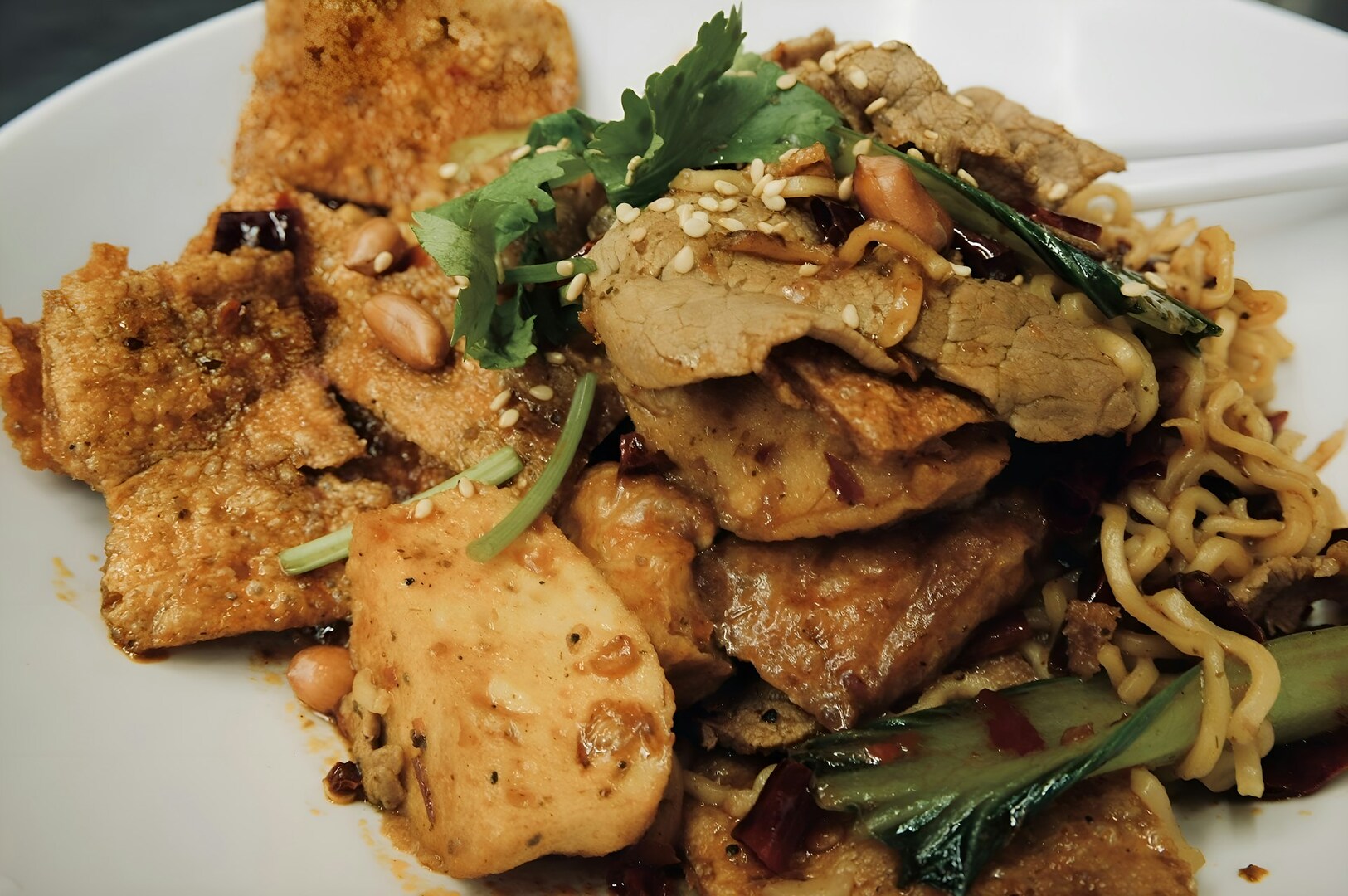
Whether you prefer to join a private tour or embark on a solo adventure using public transport, Singapore offers countless opportunities to discover its culinary delights—food tours and self-guided adventures can be tailored to different interests. Walking tours around neighborhoods like Chinatown or along the Singapore River provide a rich blend of food, history, and culture, allowing visitors to engage with locals and explore hidden stalls and restaurants. Each person can customize their food journey based on their preferences and needs, ensuring a unique experience every time. Planning your trip with the Singapore Tourist Pass can make hopping between hawker centers and MRT stations both affordable and convenient. Managing tickets for tours and attractions is important, and guides or mobile apps can assist with purchasing and organizing tickets to ensure a smooth experience. Public transport in Singapore is accessible via contactless payment methods such as Mastercard, Visa, mobile wallets, and EZ-link cards, making it easy for visitors to get around.
Hainanese Chicken Rice and More: Iconic Dishes to Eat Near MRT Stations
No visit to Singapore is complete without tasting legendary dishes like hainanese chicken rice, char kway teow, and chee cheong fun. These dishes are readily available at hawker centers just a short walk from major MRT stations. For example, Maxwell Food Centre near Chinatown MRT is famous for its Tian Tian Hainanese Chicken Rice, often drawing long queues of eager visitors. Similarly, stalls serving char kway teow and dim sum attract crowds throughout the day, offering authentic flavors that represent Singapore’s diverse food culture.
Hawker Centers: The Heartbeat of Singapore’s Food Culture
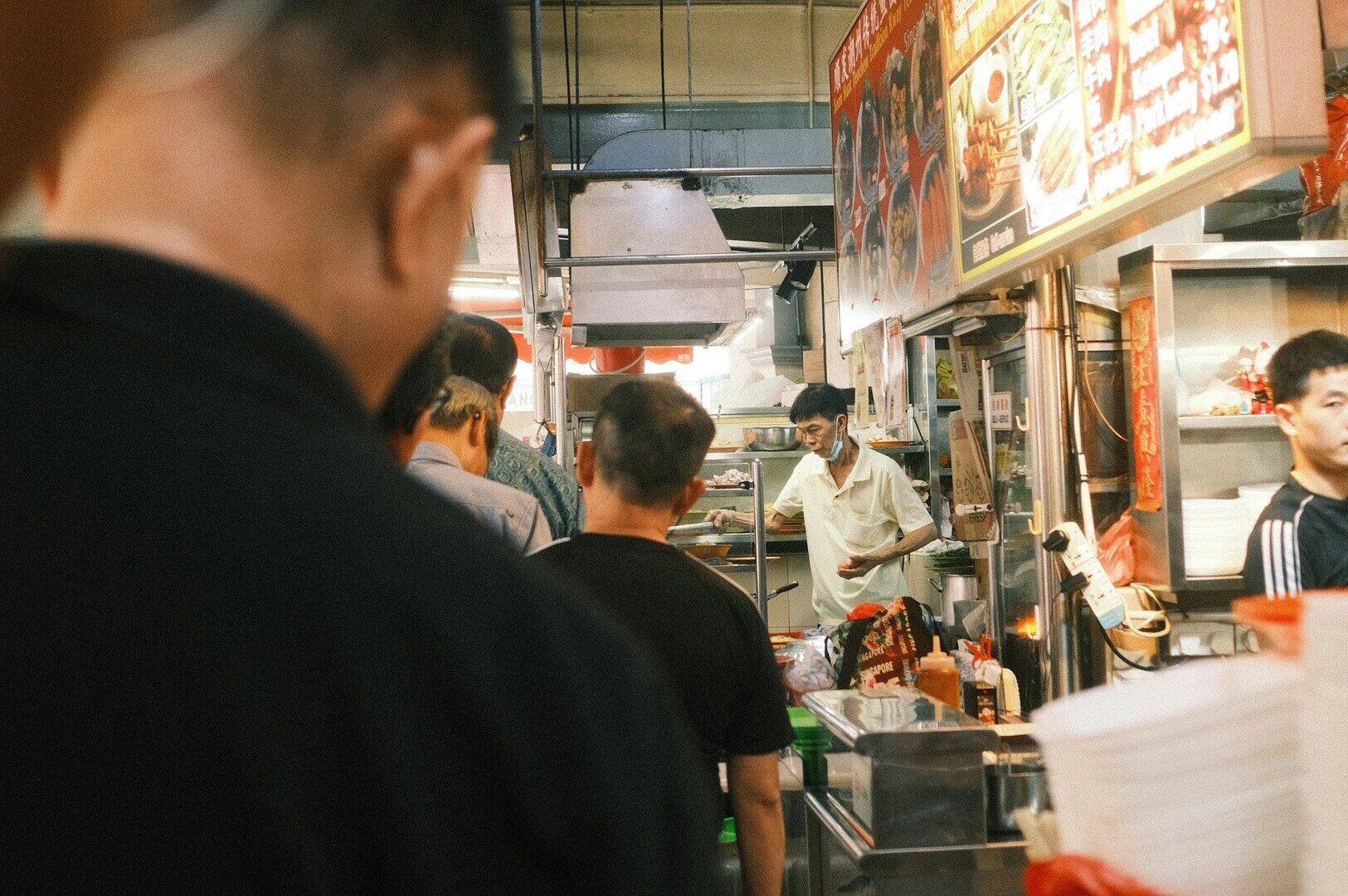
Hawker centers are more than just food courts; they are vibrant community hubs where locals and tourists alike come to enjoy affordable, delicious meals. Hawker centres are great places to enjoy takeaway food before or after journeys on public transport. They are also perfect for taking a break during your food journey, offering a chance to rest and recharge in between explorations. From breakfast snacks like kaya toast and kopi to hearty lunch and dinner dishes such as chicken curry and noodles, these centers offer a wide variety of choices, including light meals, snacks, and a tempting selection of desserts like tau suan, green bean & sago, and tau huay. Many hawker stalls are recognized by the Michelin guide for their quality food. Hawker centers serve some of the best local cuisine at affordable prices, with many meals priced under S$10. While eating or drinking on public transport is prohibited and can result in being fined, hawker centers provide the perfect spot to relax and savor your meal. Be prepared to wait during peak hours, as long lines and standing crowds are common, especially at popular stalls. Note that hawker centres close early, are busiest at night, and cash is commonly preferred by many stalls.
Exploring Local Markets Along Your Route
I realized, wandering through the aromatic corridors of Singapore’s local markets, that these spaces hold something far deeper than mere sustenance—they cradle the very essence of cultural memory. The gentle chaos of Chinatown and Little India unfolds like a living tapestry, where each sizzle from the wok and each cloud of fragrant steam carries stories that transcend the simple act of eating. It struck me how these bustling sanctuaries—Maxwell Food Centre, Adam Road Food Centre, Geylang Serai Market & Food Centre—have become accessible bridges to understanding, positioned thoughtfully near MRT stations like cultural waypoints for those seeking connection. Over time, I came to appreciate how joining a private tour or walking tour offers not just access to hidden corners, but permission to witness the quiet intimacy of tradition being passed from hand to hand, stall to stall. Even the patient queues that form at beloved vendors become part of this meditation on longing and anticipation, each moment of waiting a small act of faith that what awaits will nourish something beyond hunger. In these pauses between ordering and tasting, I discovered that every stop along such a journey becomes less about the destination and more about the gentle recognition of how food weaves us into the fabric of place and belonging.
Navigating Public Transport: Tips for Food Lovers
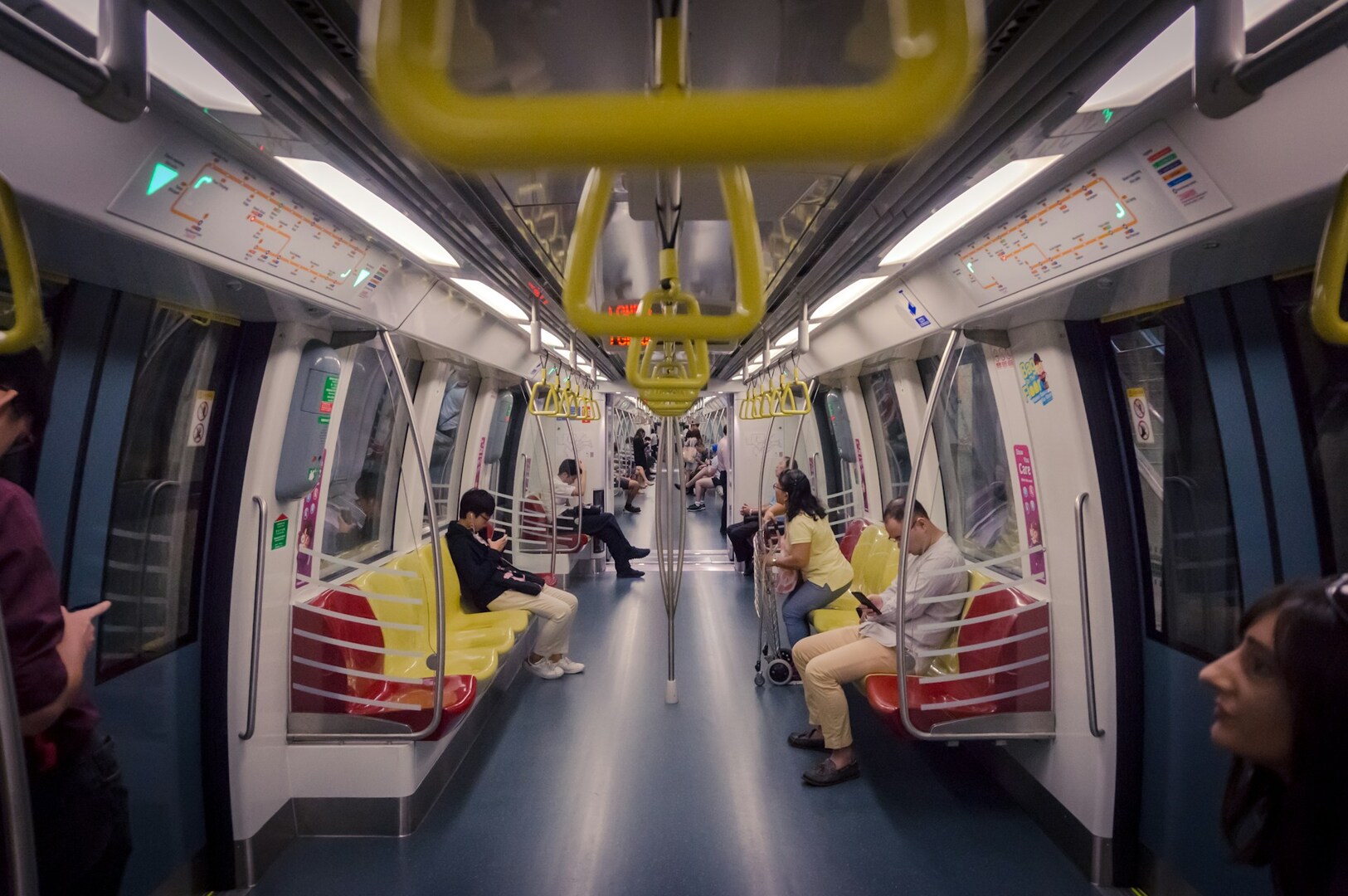
Singapore’s public transport system includes both buses and the Mass Rapid Transit (MRT) subway system, offering an efficient and well-connected way to explore different food districts without a car. Remember the rules: eating and drinking on trains and buses is prohibited to keep the city clean, so plan your meals around stops. Use apps to check train schedules, get local food recommendations, and access exclusive discounts for visitors. Pay close attention to signs in stations and on vehicles, as they indicate important rules and directions, including designated smoking areas. Smoking is only allowed in these designated areas, and visitors should be aware of these regulations to avoid fines. When traveling with friends or family, securing seats can be a challenge during busy times, so be ready to stand and enjoy the journey. The Singapore Tourist Pass offers unlimited rides, making it an excellent choice for visitors eager to explore multiple food destinations.
Discovering Food and Culture Beyond the Map
Sometimes, the best food experiences come from wandering off the beaten path. Public transport allows travelers to explore neighborhoods rich in culture and history, from the bustling streets of Geylang—famous for its vibrant and colorful atmosphere, especially at night, and its thriving businesses and eateries—to the heritage sites near Little India. The Hush Night Food Tour, for example, lasts for three hours and includes visits to iconic food places in Geylang. The Geylang Serai Food Centre, a must-visit for food lovers, is conveniently located near Paya Lebar MRT station. Food tours in Geylang often feature a course of tastings, including local dishes like Indian rojak and otak-otak. The Orchard shopping belt is another site worth exploring, offering a mix of casual dining and fast food options. Join a night tour to experience the district’s vibrant nightlife and street food or take a daytime walking tour to learn about Singapore’s trade history and diverse communities. Along the way, enjoy snacks like curry puffs or desserts such as chendol, and sip on refreshing drinks from local vendors.
Don’t Miss These Foodie Hotspots Near MRT Stations
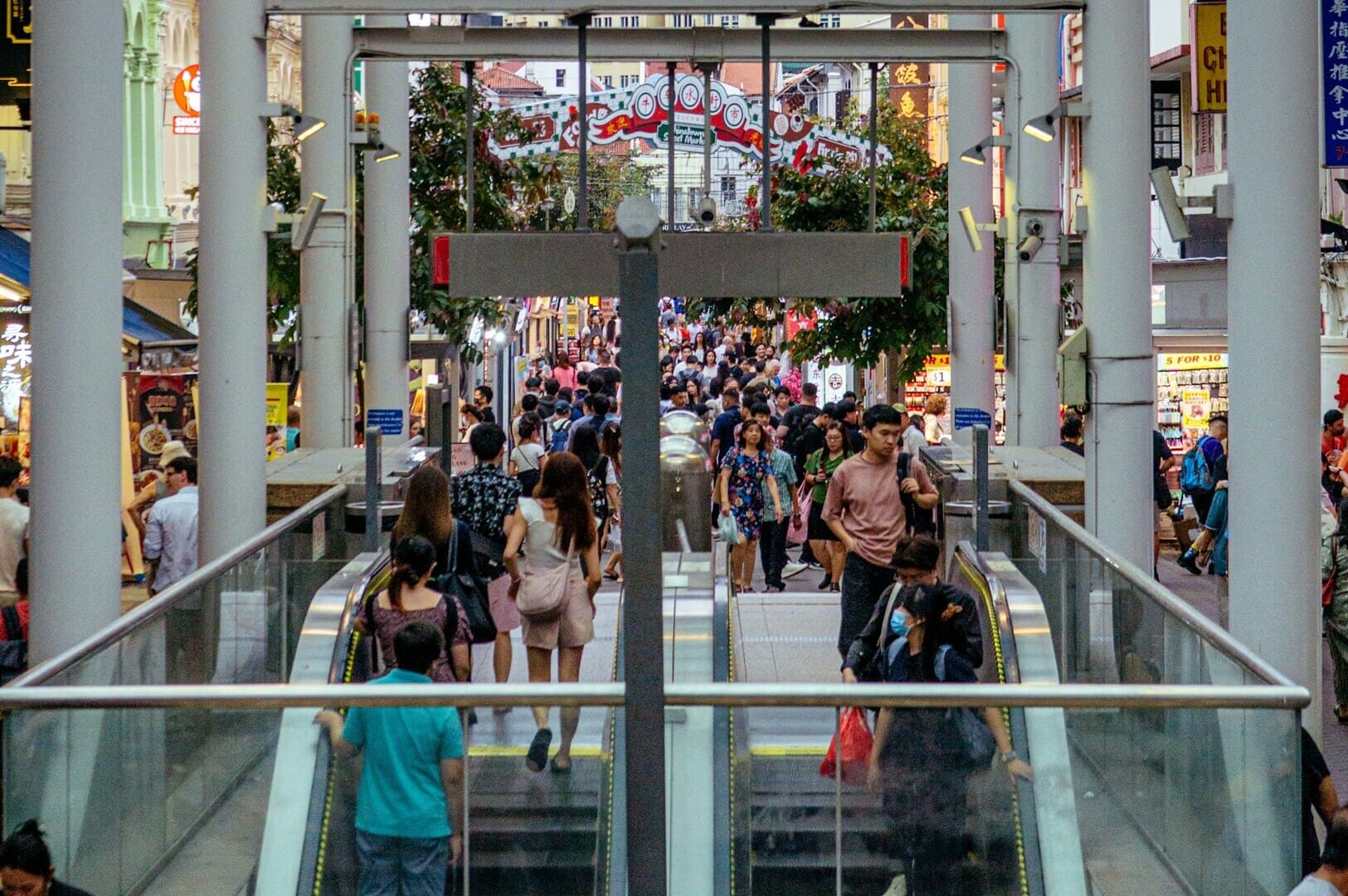
Maxwell Food Centre (Chinatown MRT): Famous for hainanese chicken rice and long queues at Tian Tian stall.
Old Airport Road Food Centre (Dakota MRT): A treasure trove for dishes like lor mee and rojak.
Tiong Bahru Market (Tiong Bahru MRT): A blend of traditional hawker fare and trendy cafes.
Geylang Serai Market (Paya Lebar MRT): Known for vibrant Malay-Muslim flavors and night food tours.
Tekka Centre (Little India MRT): Offers a multicultural mix including biryani, roti prata, and dim sum.
Final Thoughts: Let Public Transport Lead You to Singapore’s Best Food
Singapore’s public transport system is more than a way to get around; it’s a gateway to the city’s rich food culture and community life. By embracing the journey—whether on a bus or train—you open yourself to unexpected culinary adventures, authentic local dishes, and meaningful cultural experiences. So next time you visit, skip the car, grab your MRT card or Singapore Tourist Pass, and let the city’s food stories unfold with every stop.
Explore More Food Adventures in Singapore
If you’re eager to dive deeper into Singapore’s vibrant food scene, don’t miss my other exciting articles:
Lavender MRT Coffee Shops: A Caffeine Lover’s Adventure in Singapore
Discover the best cozy cafes and hidden gems around Lavender MRT, perfect for coffee aficionados looking to savor unique brews and delightful atmospheres.Eating Well on a Budget with Affordable Food Singapore
Learn how to enjoy delicious and authentic Singaporean meals without breaking the bank. This guide highlights wallet-friendly hawker centers and must-try dishes that offer great value for your money.
Both articles offer insider tips and curated experiences to help you explore Singapore’s culinary treasures beyond the usual paths. Happy eating and happy exploring!
For more Singapore food adventures, visit my website at sgfoodietravels.com.