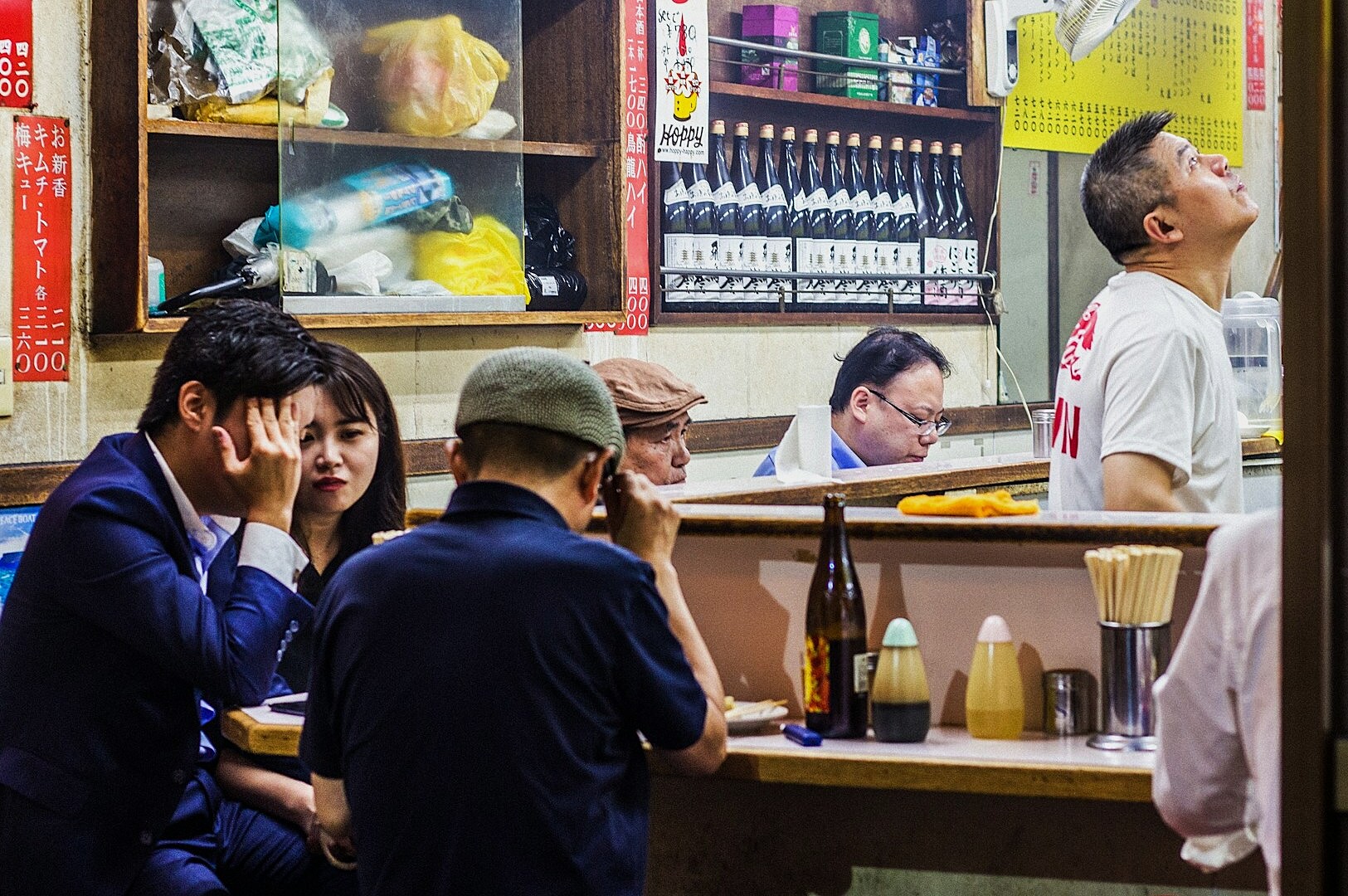
The workday is over in Japan. Keyboards fall silent, office lights dim, and yet for many Japanese people, the day’s true business is just about to begin. A manager signals to the team—“Right, let’s go for a drink!”—and suddenly, colleagues gather their things. But this isn’t just any drinking party. As groups file into the neon-lit backstreets, they head for the local izakaya, Japan’s version of a social living room.
Here, the integral part of Japanese culture known as nomikai unfolds—a world where drinking alcohol, eating delicious dishes, and forging relationships anchor not just work culture, but Japanese society as a whole. Japan’s drinking culture, rooted in traditional practices and social dynamics, continues to evolve in modern society, reflecting both longstanding rituals and changing attitudes toward alcohol.
To a visitor from other countries, this may look like a night at the pub. But the izakaya (the Japanese equivalent to a tavern or enduring restaurant) is more than a bar, and the nomikai is far from a casual drink. This is a time-honored Japanese tradition and a window into Japanese drinking culture, where social customs, etiquette, and communication blend over an impressive array of food and sake. Understanding how to navigate an izakaya—and what a nomikai means—reveals hidden layers of Japanese language, unspoken rules, and the subtle art of building relationships through dining and drinking in Japan.
Want to master the art of the after-hours meeting? Read our full feature: Best Izakaya in Singapore: Your Complete Guide to Authentic Japanese Dining Experiences
What is Nomikai? Understanding the Japanese Drinking Party
Nomikai (飲み会), the Japanese word for “drinking party,” describes one of the most prevalent group activities in Japanese work culture. In Japanese society, the English word “alcohol” is often used to highlight how alcohol functions as a key medium for social interaction and communication, helping people build relationships and express emotions more freely. It’s not just a gathering that involves drinking—nomikai are deep-rooted rituals that mark everything from welcoming new employees and closing the year (nenkai, or end-of-year party) to spontaneous after-work gatherings to relieve stress.
Alcohol consumption, often in generous measure, plays a central role. Most izakaya offer nomihoudai (“all you can drink”) options, making it easy for everyone—young people and senior staff alike—to start drinking and keep glasses filled throughout the evening. While declining an invitation is possible, it’s still seen in Japanese society as missing out on an important collective experience that helps build relationships and strengthen workplace bonds beyond the rigid walls of the office.
Taking part in a nomikai lets Japanese employees express thoughts, frustrations, and even honest feelings (honne)—which might be reserved in daily work—under the cover of heavy drinking and the relaxed atmosphere of the izakaya. In this way, drinking in Japan serves not just as recreation but as a vital valve for workplace wellbeing and communication.
The Izakaya: Japan’s Social Living Room in Japanese Drinking Culture
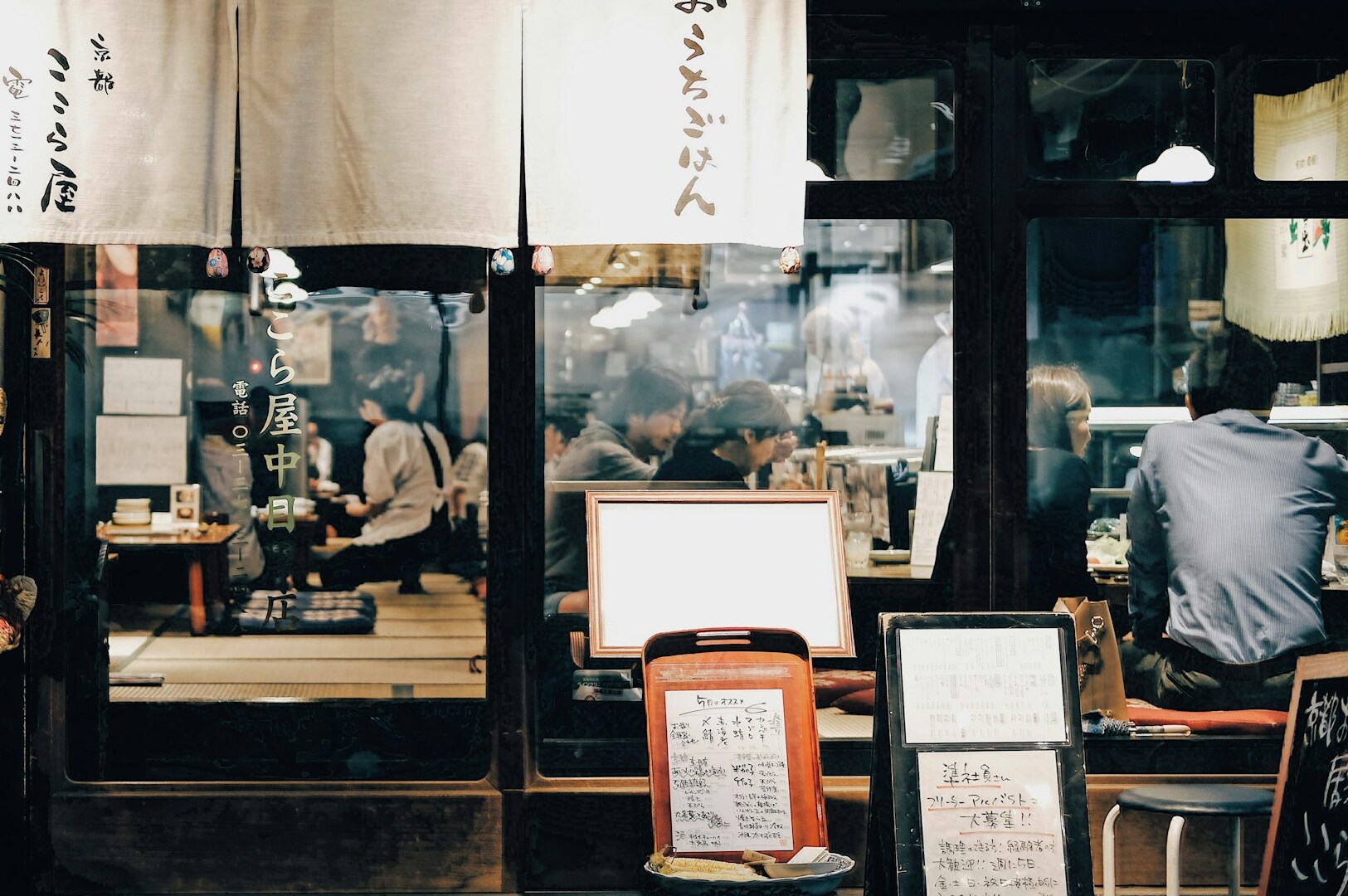
A typical nomikai takes place at the izakaya, a staple of Japanese tradition and an institution found in cities and small towns across the country. More than a bar but less formal than a restaurant, the Japanese izakaya is a communal space favored for large groups, colleagues, and friends who want to eat, drink, and unwind. These venues welcome diners with a lively, inviting energy that often mirrors the importance of food and drink in Japanese culture.
Upon arrival, diners might encounter a small table charge (sometimes called otoshi or a seating charge), which grants access to this world of comfort food and camaraderie. The menu, often handwritten, features everything from non alcoholic beverages like tea to Japanese whisky, sake, and an impressive assortment of beer and distilled spirit-based cocktails. For those choosing beer, some izakayas serve happoshu, a low-malt beer, whose taste is often compared to real beer—some find it lighter, while others prefer the richer taste of traditional brews. For food, izakaya classics include:
Grilled chicken skewers (yakitori) with a savory, smoky taste
Crispy karaage (fried chicken)
Savory pancakes (okonomiyaki)
Edamame and pickles
French fries and sweet potato tempura
Fresh sashimi and simple rice dishes, each offering a unique taste experience
Sharing is the norm, with almost all izakaya serving dishes family-style. The variety ensures there’s something for everyone—even non alcoholic drinks for those who don’t want to overindulge or who are concerned about alcohol abuse or developing a drinking problem.
The Unspoken Rules of Izakaya Etiquette
Participating in the drinking culture in Japan means mastering izakaya etiquette. Japanese drinking culture rewards attentiveness to others—more than about eating food, a nomikai is about reading cues, respecting traditions, and acting in harmony with the group.
Seating Hierarchy
Upon entering an izakaya for a nomikai, don’t forget the seating hierarchy. The Japanese tradition of kamiza (上座, upper seat) and shimoza (下座, lower seat) is observed by almost all izakaya in Japan.
Kamiza: The place of honor, furthest from the door (and thus, safest, in historical practice). This seat is reserved for the boss, client, or guest—an important person to the group.
Shimoza: Closest to the door, this “lower” seat is for junior employees. They’re responsible for practical duties, like calling servers, managing the menu, and making sure requests for drinks or food reach the table.
This hierarchy reinforces respect and social order—an integral part of Japanese work culture.
The Art of Pouring Drinks
Japanese drinking etiquette dictates that you never pour drinks for yourself. Instead, camaraderie and mutual care are marked by pouring drinks for others. Here’s the custom:
Pour sake, beer, or Japanese whisky for your neighbor, especially higher-ranking colleagues.
Always use both hands—one to pour, one to support the bottle or glass.
When your drink is poured, slightly lift your glass with both hands in appreciation.
Start drinking only after everyone’s glass is filled and the first toast (kanpai) is made.
Involve drinking in this manner—pouring and receiving—is not only a show of respect but helps avoid excessive drinking. Friends look out for one another, and non alcoholic beverages can be offered for those who want to pace themselves.
Ordering Protocol
Dishes at Japanese izakaya are meant for sharing. Instead of each person ordering their own plate, groups select a variety of delicious dishes: grilled meats, fried snacks, rice balls, salads, and more. The junior member typically spearheads this, ensuring a good mix of tastes and textures, asking for input, and paying attention to dietary needs—all to make dining fun and inclusive for everyone.
Toasting Traditions
The Japanese drinking culture revolves around the kanpai—when everyone raises their glass, meets eyes, and shouts “Kanpai!” before taking the first sip. It’s customary to touch glasses (slightly lower than a superior’s, as a sign of respect), and repeat small toasts as more drinks arrive. Group harmony is always preserved—overly aggressive toasting or heavy drinking is discouraged, and non alcoholic drinks are always available on the menu.
Reading the Room
Perhaps the most nuanced aspect of Japanese social customs is kuuki wo yomu (“reading the air”). A person adept in this subtle skill knows:
When to keep conversation lively and when to get serious
When to help the boss leave gracefully
When a member should quietly leave or stay for the nijikai (second party, often at karaoke bars or other restaurants)
How to balance drinking alcohol, supporting group well-being, and maintaining mental health
Attentiveness to such cues is seen as a vital part of participating smoothly in Japanese society.
Why Nomikai Matters: The Social Function
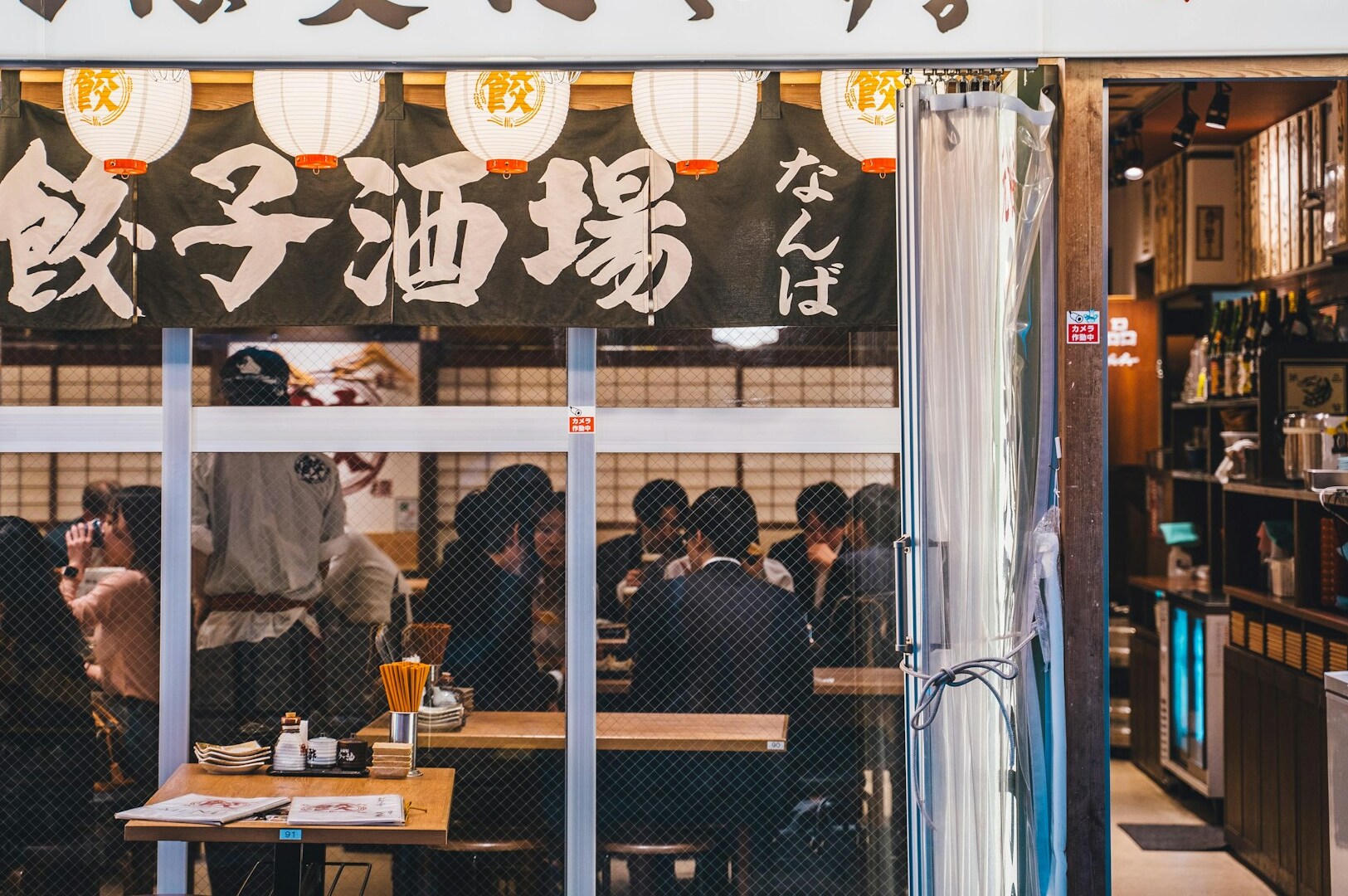
Nomikai play an important role in Japanese work culture. With rigid hierarchies and reserved communications at the office, these gatherings offer a safe space to truly connect, vent, and build relationships. After sharing glasses of beer and plates of food, Japanese people can express their true feelings (honne) and let their guard down—even discussing topics that might be off-limits during business hours.
This social ritual also plays a key role in mental health, acting as a pressure valve, and serves as a means to strengthen relationships for more effective teamwork. In Japanese society, these drinking parties are believed to boost well-being—a unique contrast to how drinking problem issues or alcohol abuse are sometimes discussed in other countries.
Modern Evolution and Challenges
Japan’s drinking culture, however, isn’t static. The younger generation, mindful of work-life balance, health, and changing priorities, doesn’t always embrace heavy drinking or obligatory gatherings the way previous decades did. Many workplaces allow employees to skip nomikai or offer alternatives with more non alcoholic beverages, lighter menus, or even all you can drink (but with moderation warnings). Women and young people play a more active role, making nomikai more inclusive and respectful of personal boundaries.
Most izakaya now list non alcoholic drinks such as tea or soda, and menus have expanded beyond just grilled chicken skewers and sake to include more variety. The world is watching how the traditions evolve: Japan continues to adapt, maintaining harmony while avoiding excessive drinking. Addressing the risks of overindulgence, workplaces prioritize employees’ health and encourage moderation, offering both traditional and modern experiences.
Your Invitation to the Izakaya
If you ever visit Japan, don’t forget to set aside an evening for the real Japanese tradition of the nomikai. Whether you find yourself with colleagues or friends, stepping into a Japanese izakaya is a chance to savor delicious dishes and build relationships over tiny glasses of sake or steaming mugs of tea. Watch how plates of rice, grilled meats, and fried carrots make the rounds. Notice the careful, two-handed ritual of pouring drinks. Listen for the loud “kanpai!” that echoes throughout the bar.
It’s more than drinking alcohol or eating food—it’s experiencing the same vein of Japanese culture that values community, respect, laughter, and balance. Participate fully or simply observe, but either way, you’ll gain an unforgettable appreciation of what makes Japanese society tick. Next time you enjoy a glass—be it beer, sake, or a non alcoholic beverage—think of all the unspoken rules that helped that community grow, laugh, and strengthen relationships, one shared toast at a time.
Curious to explore Singapore’s rich and diverse food cultures? Click here to learn more.