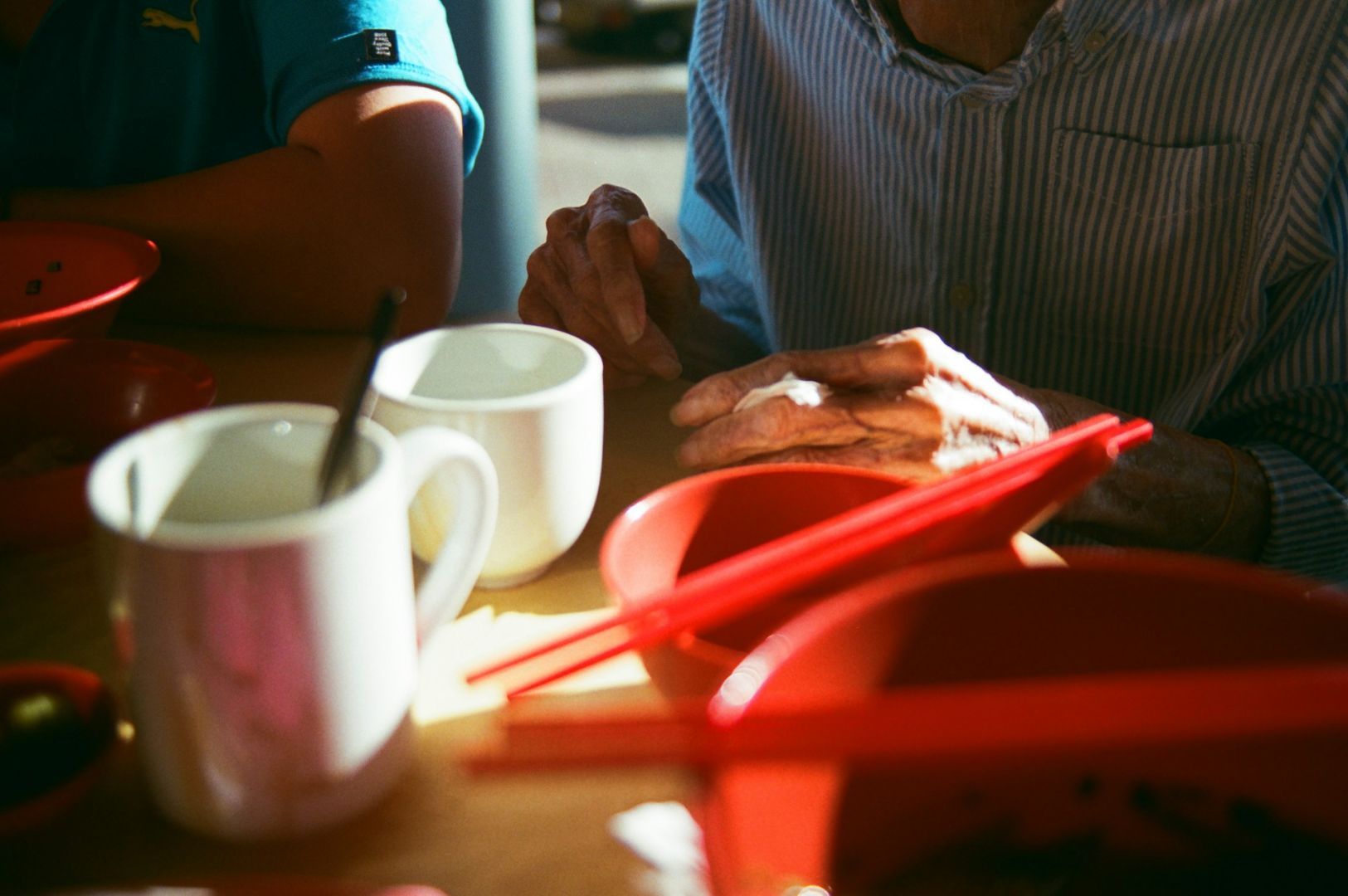
The bowl arrives quietly, slid across a stainless-steel counter without ceremony. It costs $3.50—less than a coffee at a café—but the first sip stops you mid-thought. The laksa broth is layered and restrained, coconut-rich without heaviness, sambal fragrant rather than blunt. This is not “cheap food.” This is careful food.
In Singapore, hawker centres and food stalls are often discussed in terms of value: how much you get for how little you pay. But value and quality are not the same thing. Some of the city’s most exceptional hawker stalls don’t compete on price at all. They compete on standards—choosing better ingredients, slower methods, and harder work even when margins are thin and shortcuts are readily available.
Whether you’re a local or a traveler, this guide is designed to inspire your own food adventures through Singapore’s vibrant hawker scene.
The Hawker’s Paradox: Premium Quality at Rock-Bottom Prices in Singapore's Hawker Centers
To outsiders, the hawker model seems impossible. How can food made from fresh ingredients, cooked daily, and sold at $3–$6 survive?
The answer is: barely—and only because some hawkers refuse to compromise.
In a landscape where:
-
Rent increases yearly at food centres like the Airport Road Food Centre and Alexandra Village Food Centre
-
Labour is scarce
-
Ingredient costs fluctuate
-
Customers are price-sensitive
Maintaining quality is an act of resistance.
Yet some hawkers persist. Not because it makes them rich, but because lowering standards would cost them something more personal: pride, identity, and continuity.
The Ingredients That Make the Difference in Best Hawker Center Dishes
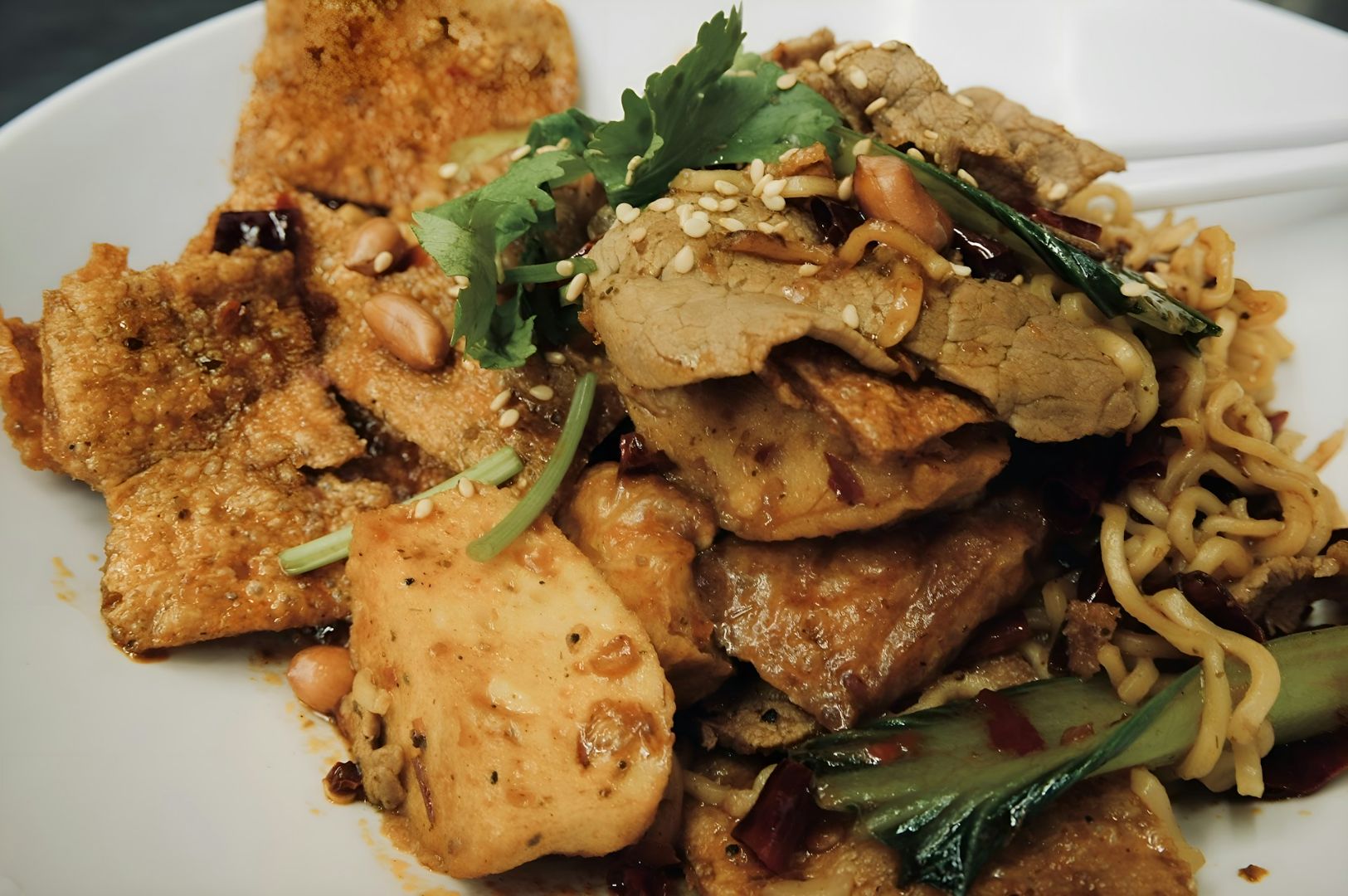
Walk through older estates like Tiong Bahru, Redhill, or parts of Geylang, and you’ll still find eateries known not by signage, but by description.
-
“The fish soup under the staircase”
-
“That chicken rice behind the provision shop” (served with perfect soft boiled eggs)
-
“The bak chor mee stall near the old coffee shop”
These no-name food stalls in Singapore aren’t hiding—they’re basically must-try comfort food destinations, rooted in the local food scene.
Common ingredient choices that signal quality in dishes like Teochew fish porridge, fish head bee hoon, and lor mee:
-
Fresh stock simmered daily instead of powder-based soup
-
Whole spices toasted and ground in-house
-
Handmade components (chilli paste, noodles, dumplings)
-
Fresh seafood or meat over frozen bulk imports
-
Natural flavour building instead of heavy MSG reliance
These choices are expensive—not just in cost, but in time and labour.
One hawker explains it plainly: “Powder is faster. But soup shouldn’t taste fast.”
Generational Knowledge and Technique Over Speed in Preparing Fried Kway Teow and Fried Mee
Quality hawker food often looks deceptively simple. That simplicity is hard-earned. Skills are built over years, sometimes passed down through generations. Dishes like roti prata, a traditional Indian flatbread, also require years of practice to perfect.
Many stalls in Singapore’s hawker centres have received Michelin Bib Gourmand recognition for their affordable yet high-quality food, highlighting the exceptional standards maintained across the city.
Techniques that separate great stalls from average ones:
-
Slow braising instead of pressure cooking, essential for braised pork and pork belly
-
Proper wok hei achieved through timing, not flame alone, crucial for dishes like char kway teow and hokkien mee
-
Rice cooked in small batches for texture control, important for chicken rice and Hainanese chicken rice
-
Sauces emulsified patiently, not thickened artificially
These techniques cannot be scaled easily. They depend on muscle memory, intuition, and repetition—skills built over years, not manuals.
This is why traditional hawker stalls Singapore treasures are often run by older hands, or younger ones trained obsessively by them.
The Economics of Passion: How These Stalls Survive in Busy Food Centres Like Lau Pa Sat and Golden Mile Food Centre
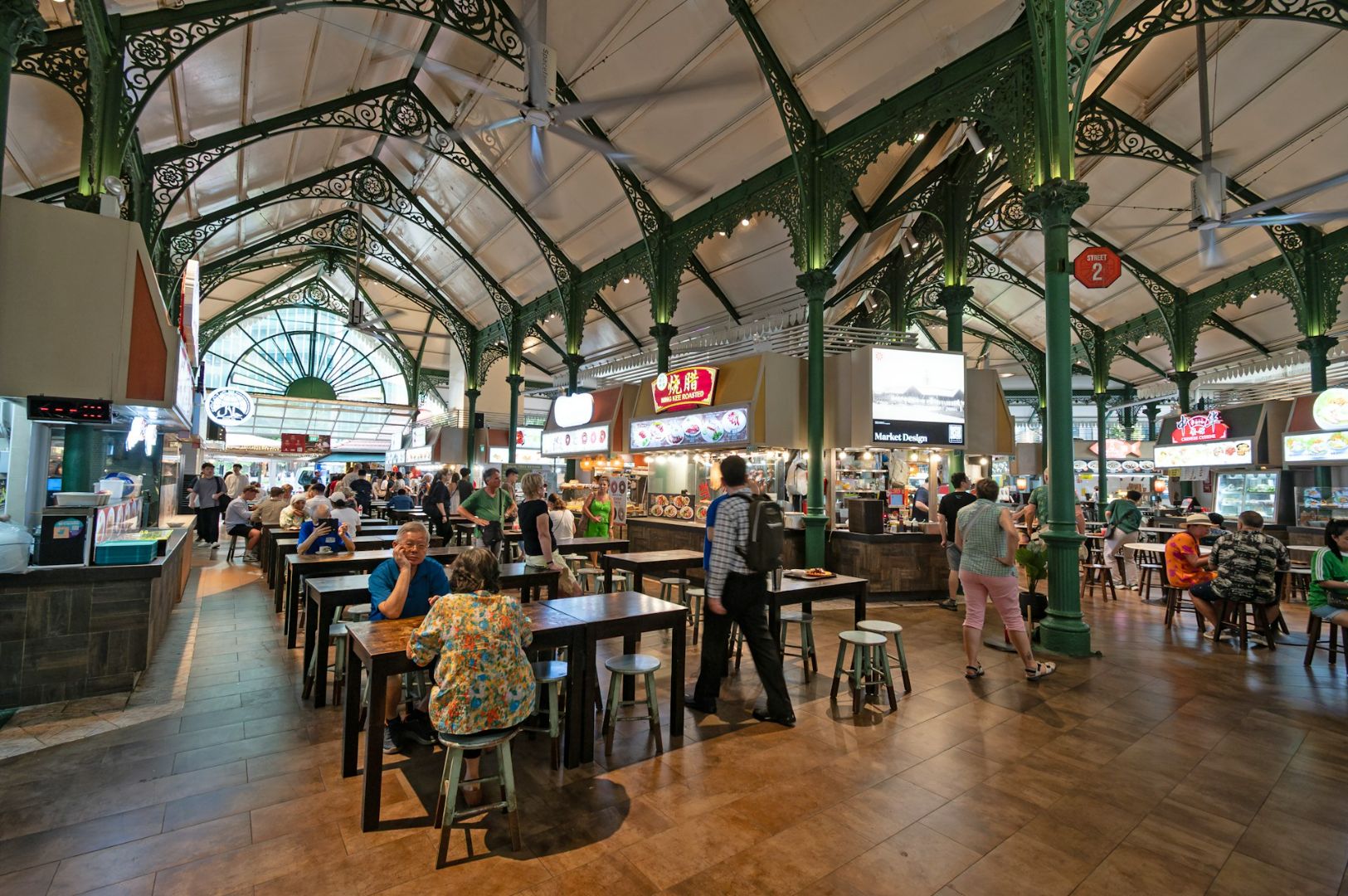
Quality-first hawkers survive through balance, not optimisation. Lau Pa Sat, for example, is not only a historic hawker centre but is also located in the Central Business District, making it a popular spot among office workers during lunch hours. Its unique colonial-era architecture adds to its charm and appeal. Many of Singapore’s best quality hawker stalls can be found in market food centres, which are celebrated for their authenticity, cleanliness, and vibrant atmosphere, attracting both locals and tourists.
Common survival strategies:
-
Keeping menus small
-
Maintaining stable, modest pricing
-
Relying on regulars, not tourists
-
Working long hours themselves
-
Accepting lower personal income
Some supplement income with catering. Others rely on family labour. Almost none would survive if forced to match café-level rents near Marina Bay Sands or Orchard Road.
This makes their food an anomaly: authentic hawker food Singapore diners enjoy at prices that don’t reflect its true cost.
How to Spot Quality in a Sea of Options Among Many Hawker Stalls
Not every stall can be exceptional—but you can increase your odds.
Most stalls in popular hawker centres like Tekka Centre, Old Airport Road Food Centre, Maxwell Food Centre, and Chinatown Complex Food Centre operate during specific hours, which contributes to the vibrant atmosphere and makes these places bustling food destinations.
Long queues at hawker stalls are a strong indicator of quality and popularity among locals.
A simple framework for evaluating hawker food:
-
Watch the prep before ordering, especially at food stalls in Alexandra Village Food Centre or Hong Lim Market
-
Note ingredient handling
-
Observe who’s cooking
-
Taste for balance, not intensity
-
Return at a different time, during off peak hours for best experience
Quality reveals itself over multiple visits, not first impressions.
The Cultural Significance of Hawker Centers in Singapore

Step into any hawker center in Singapore—whether it’s the bustling Newton Food Centre, the historic Maxwell Food Centre, or the beloved Tiong Bahru Market—and you’ll find more than just a place to eat. These open air food courts are the beating heart of Singapore’s daily life, where the city’s diverse communities gather over plates of local foods like char kway teow, Hainanese chicken rice, and carrot cake. The air is thick with the aroma of sizzling woks, the chatter of friends and families, and the clatter of chopsticks—a sensory tapestry that’s as much about connection as it is about cuisine.
Hawker centres such as Amoy Street Food Centre and Chinatown Complex are living museums of Singapore’s multicultural heritage. Here, Malay, Chinese, Indian, and Peranakan influences come together, each food stall offering a unique story told through dishes like spicy chilli crab, comforting fish head bee hoon, or delicate Teochew fish porridge. At Alexandra Village Food Centre, you might find a third-generation hawker perfecting the art of fried kway teow, while at Golden Mile Food Centre, another vendor serves up satay skewers that have become a rite of passage for late-night diners.
Recognizing the importance of this heritage, Singapore’s government has taken steps to preserve and celebrate hawker culture. Initiatives by the National Environment Agency (NEA) and international accolades, such as Michelin stars awarded to stalls at Hong Lim Market and Golden Mile Food Centre, have helped shine a spotlight on the craft and dedication behind every dish. These efforts underscore the value of hawker centres not just as food courts, but as cultural landmarks.
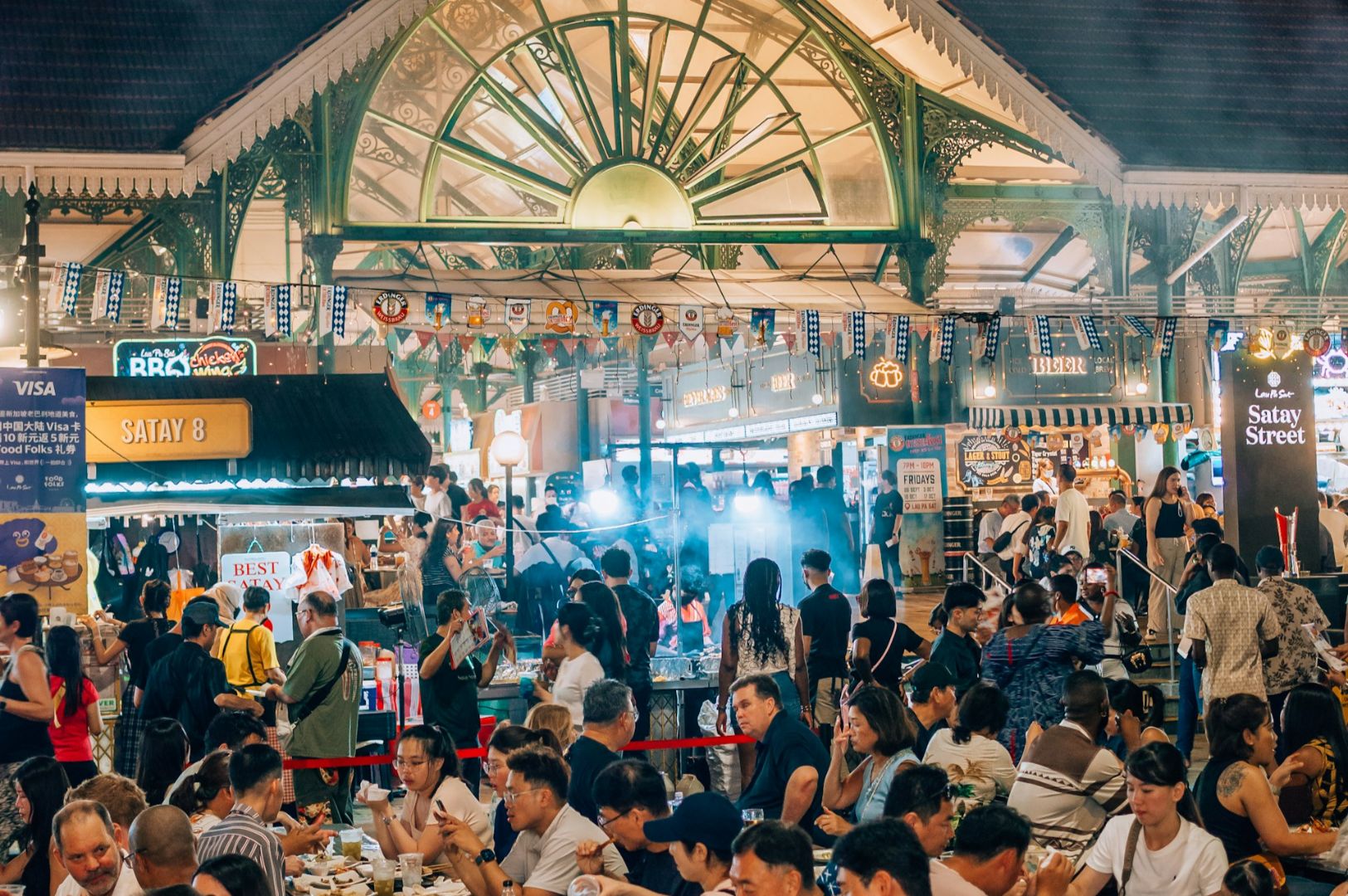
For visitors, a trip to Lau Pa Sat and its iconic Satay Street, or a meal at any of Singapore’s many hawker centres, is more than a culinary adventure—it’s an immersion into the city’s soul. Whether you’re savoring bee hoon at a humble stall or sampling spicy food with friends, you’re participating in a tradition that unites generations and backgrounds.
In a city constantly evolving, hawker centres remain a steadfast symbol of Singapore’s identity: open, inclusive, and deliciously diverse. To eat at a hawker centre is to taste the history, creativity, and community spirit that define Singapore—one plate at a time.
Why Supporting Best Quality Hawker Stalls Singapore Matters
Quality-first hawkers are fragile.
They are vulnerable to:
-
Rising rents, especially in central locations like Airport Road and Newton Food Centre
-
Ageing without successors
-
Customer price resistance
-
Ingredient inflation
Old Airport Road Food Centre
It is a prime example of a beloved hawker centre with legendary stalls, often referred to as “old airport road food” by locals and food enthusiasts. It is one of Singapore’s most beloved hawker centers, known for its long history and legendary stalls.
When they close, recipes disappear. Techniques vanish. A standard is lost.
Supporting these stalls is not nostalgia—it’s stewardship.
Every bowl bought is a vote for:
-
Craft over convenience
-
Skill over shortcuts
-
Integrity over optimisation
Quality Over Price Is the Heart of Hawker Culture and Street Food Vendors in Singapore
Hawker culture was never about being cheap. It was about being good and accessible.
The obsession with low prices risks hollowing it out. Quality-first hawkers remind us that the original promise was flavour, care, and nourishment—not just affordability.
For example, Malay food such as nasi lemak and mee rebus is a key part of the diverse culinary traditions preserved in hawker culture. Hawker centres reflect Singapore’s multicultural identity, showcasing a variety of culinary traditions from different ethnic groups.
To truly appreciate Singapore hawker heritage, we must learn to see beyond price tags and popularity.
Conclusion: Eating With Attention, Not Assumptions at Singapore’s Best Hawker Center
Supporting these hawkers matters. Not just because the food is better, but because your choice helps preserve a philosophy: that craft belongs in everyday life, not only in expensive rooms. Singapore’s hawker culture has even gained international recognition, with Newton Food Centre featured in the film Crazy Rich Asians, bringing global attention to the vibrant and glamorous side of local street food.
So ask questions. Taste carefully. Return often. Seek out the stalls that cook with intention even when it costs them.
And if you want to meet more of Singapore’s quality-obsessed hawker heroes, visit SGfoodietravels—where we tell their stories thoughtfully, respectfully, and without reducing their work to a price point.
Because some of the best food in Singapore isn’t cheap because it’s simple. It’s cheap because the people making it refuse to let price define quality.