Some days, choosing where to eat feels more tiring than the meal itself.
I open a map, check a few saved places, scroll through reviews, compare prices, look at photos, then somehow end up more undecided than before. The problem is not that Singapore lacks options. The problem is that there are too many.
When I am not in the mood to think, I stop searching for the best place. I look for the place that fits the moment.
That usually means asking myself one simple question: what do I need from this meal?
Sometimes I need speed. In that case, I choose somewhere close, familiar, and easy to order from. I do not care whether it is trending. I care that I can sit down, eat, and move on with my day.
Sometimes I want comfort. Then I return to places where I already know the menu. I know which dish I like, how long the wait usually takes, and whether the portions will leave me satisfied. Familiarity is useful when my brain has already made too many decisions.
Price also settles the question quickly. If I only want to spend a small amount, I stop looking at restaurants that require a reservation, a service charge, and a long list of add-ons. A clear budget removes a lot of noise.
Location matters more than people admit. A restaurant may have excellent reviews, but if it requires two train changes and a long walk in the heat, I probably will not enjoy the journey enough to appreciate the meal. On low-energy days, convenience is not laziness. It is part of the dining experience.
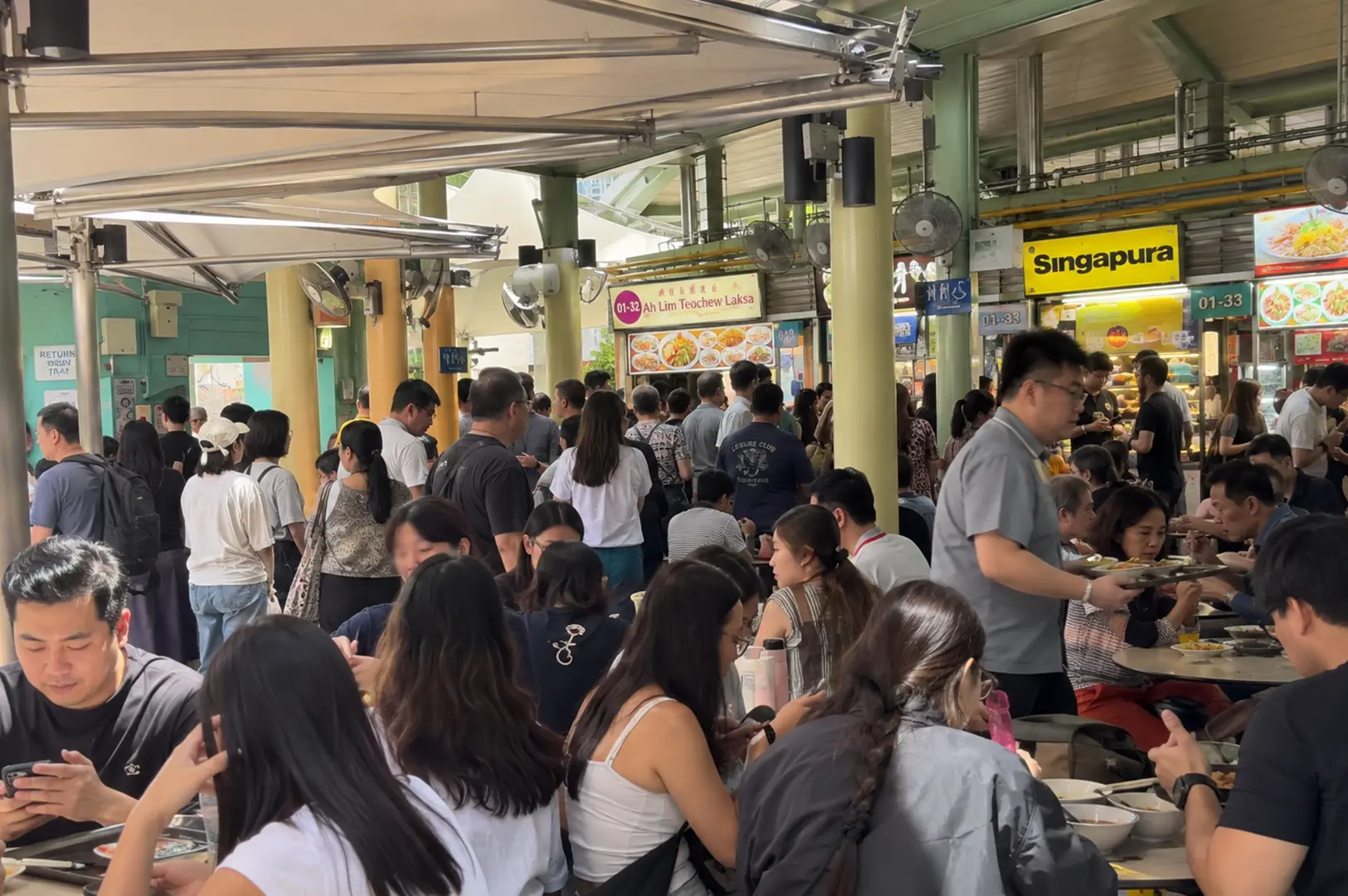
I also pay attention to how crowded a place is likely to be. If I am already tired, I do not want to queue for forty minutes, fight for a table, or eat in a room where I can barely hear myself think. I would rather choose a quieter second option than arrive at the famous one already annoyed.
This is where saved lists help, but only when they are organized. I keep a few mental categories: quick lunch, quiet café, reliable noodles, good for groups, and somewhere nice without being formal. I do not need fifty choices. I need three that match the situation.
Reviews still matter, but I use them differently when I am tired. I look for practical details rather than dramatic opinions. Is service slow? Are portions small? Is the place noisy? Does the restaurant accept walk-ins? Those answers help more than someone declaring that a dish changed their life.
I have learned that the right restaurant is not always the most exciting one. Sometimes it is simply the place that asks the least from me.
A good meal can be memorable, but it can also be easy. It can arrive without research, debate, or a long journey. On days when I do not want to decide, that ease is exactly what I am looking for.
For more practical dining guides, honest food reviews, and places worth considering, visit SG Foodie Travels.