I used to think the price was the whole story.
Three dollars for a plate of char kway teow. Four for laksa. It felt like a good deal, and I left it at that for years. Then I watched an uncle work his wok one afternoon, and I understood I had been reading the plate all wrong.
He moved fast, but nothing about it was rushed. Every toss had a reason. He knew exactly when to add the lard, when to crack the egg, when to pull the noodles off the heat before they turned soft. There was no recipe card, no timer, no second-guessing. Just decades of doing the same thing until his hands knew it better than his head did.
That is not cheap food. That is skill priced low.
We have a strange habit here. We admire technique when it comes plated on ceramic, described in three languages, and charged at a hundred dollars a head. But the same care, done over a gas flame in a hawker centre, we call “affordable.” As if affordability cancels out craft. As if a low price means low effort.
It doesn’t.
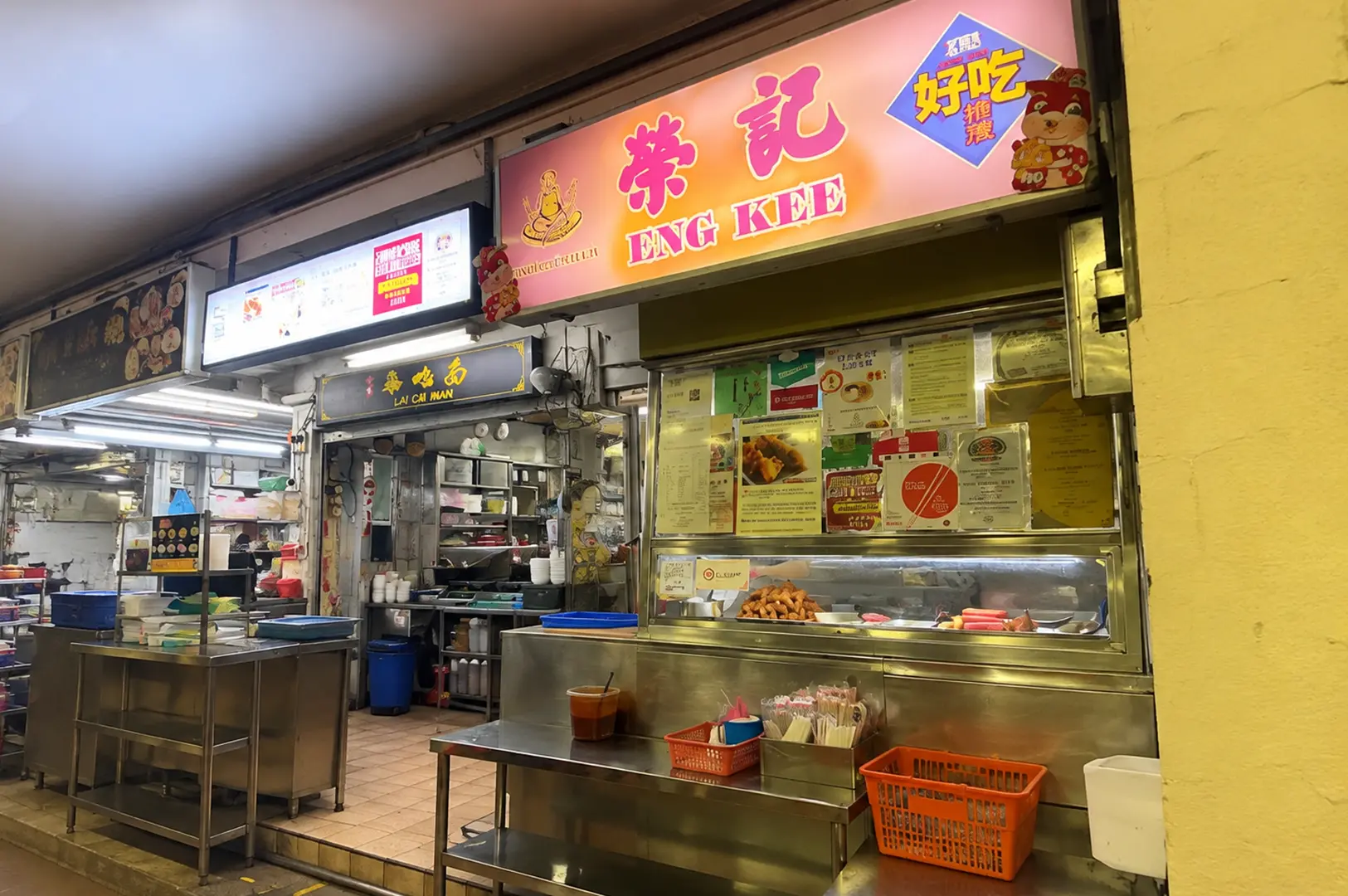
The auntie frying carrot cake has been standing at that stall since before I was born. She controls the char on each piece by feel. The chicken rice uncle poaches his birds to a precise softness, then makes the rice carry the whole dish on chicken fat and patience alone. These are not shortcuts. These are lifetimes.

What we are really paying for, when we pay so little, is a kind of quiet mastery that has decided not to announce itself.
I think about the fire, too. Wok hei is not something you fake. It comes from heat, timing, and a wrist that has learned its own rhythm. You cannot download it. You cannot buy it in a weekend course. It is earned, slowly, and most of the people who have it will never call themselves chefs.
Maybe that is the part that gets me. The humility. Nobody at these stalls is performing. There is no story being sold with the food. You order, you get your plate, you eat. The craft is just there, folded into the dish, taken for granted by everyone including the person who made it.
So I have stopped saying hawker food is cheap. It is affordable, yes, and I am grateful for that. But affordable and cheap are not the same word. One describes a price. The other describes worth, and hawker food has never been short on worth.
The next time a plate costs you less than a coffee, sit with that for a second. Someone spent thirty years learning to make it look easy.
If this made you look at your next hawker meal a little differently, come sit with us a while longer at SG Foodie Travels, where we keep uncovering the food that quietly earns its place.