Have you ever taken a bite of food, then a sip of wine, and experienced a moment of pure magic? Suddenly, the spicy notes in the dish are tamed, the red fruit flavors in the wine burst forward, and a new dimension emerges. This isn’t coincidence—it’s the result of thoughtful wine and food pairing. Done right, it transforms great food into an unforgettable dining experience.
Wine and food pairings are essential for elevating dining experiences, as the right combinations can enhance both the flavors of the food and the characteristics of the wine.
Food and Wine Pairing: The Science and Art
At its core, to pair wine with food is to seek harmony, considering both the dish and the preferences of the guests. The goal is to enhance subtle flavors without letting either the dish or the wine dominate. Sommeliers typically follow two main wine pairing methods; Congruent Pairings and Contrasting Pairings.
Congruent Pairings: Amplifying Similarities
This style matches complementary flavors. A creamy sauce over pasta paired with a buttery Chardonnay creates a rich wine-and-food experience where both the wine and the dish echo each other’s texture and flavor intensity.
Congruent pairings are matches that amplify shared flavor compounds, creating harmony through similarities; unlike complementary pairings, congruent pairings enhance existing flavor profiles for a more cohesive tasting experience.
Contrasting Pairings: Balancing Opposites
Here, opposite flavors create balance. A bold red wine like Cabernet Sauvignon with fatty dishes, or foie gras with a luscious dessert wine, demonstrates how tannic wine or sweetness can cut through richness. Off-dry Riesling with spicy dishes is another classic example, where a slight sweetness tempers heat.
Understanding Flavor Profiles in Wine Pairing
To choose the right wine, sommeliers analyze key components in both the food and wine:
Acidity: Wines with bright acidity, such as a crisp Sauvignon Blanc or Vinho Verde, cleanse the palate when paired with fatty food or salty flavors. Grilled fish with New Zealand Sauvignon Blanc is a timeless, refreshing combination.
Tannins: Tannic wine, like a full-bodied Cabernet Sauvignon, softens when matched with red meat or fatty dishes. It’s why steak and red wines are a legendary pairing.
Sweetness: Sweet wines bring balance to spicy dishes or salty foods. Many Rieslings, especially off-dry Rieslings, are brilliant with Thai curries or Indian street food.
Body: Light-bodied wines (Pinot Grigio, Pinot Noir) match delicate dishes like grilled fish or roast chicken. Full-bodied red wines (Syrah, Cabernet Sauvignon) demand robust flavors—braised lamb shank or hearty stews.
Matching wines to the intensity and characteristics of the dish is essential to achieve harmony and enhance the overall dining experience.
This interplay of wine styles and cooking method ensures the perfect match between dish and glass.
Types of Food Pairings in Menus
Traditional vs. Progressive Pairings
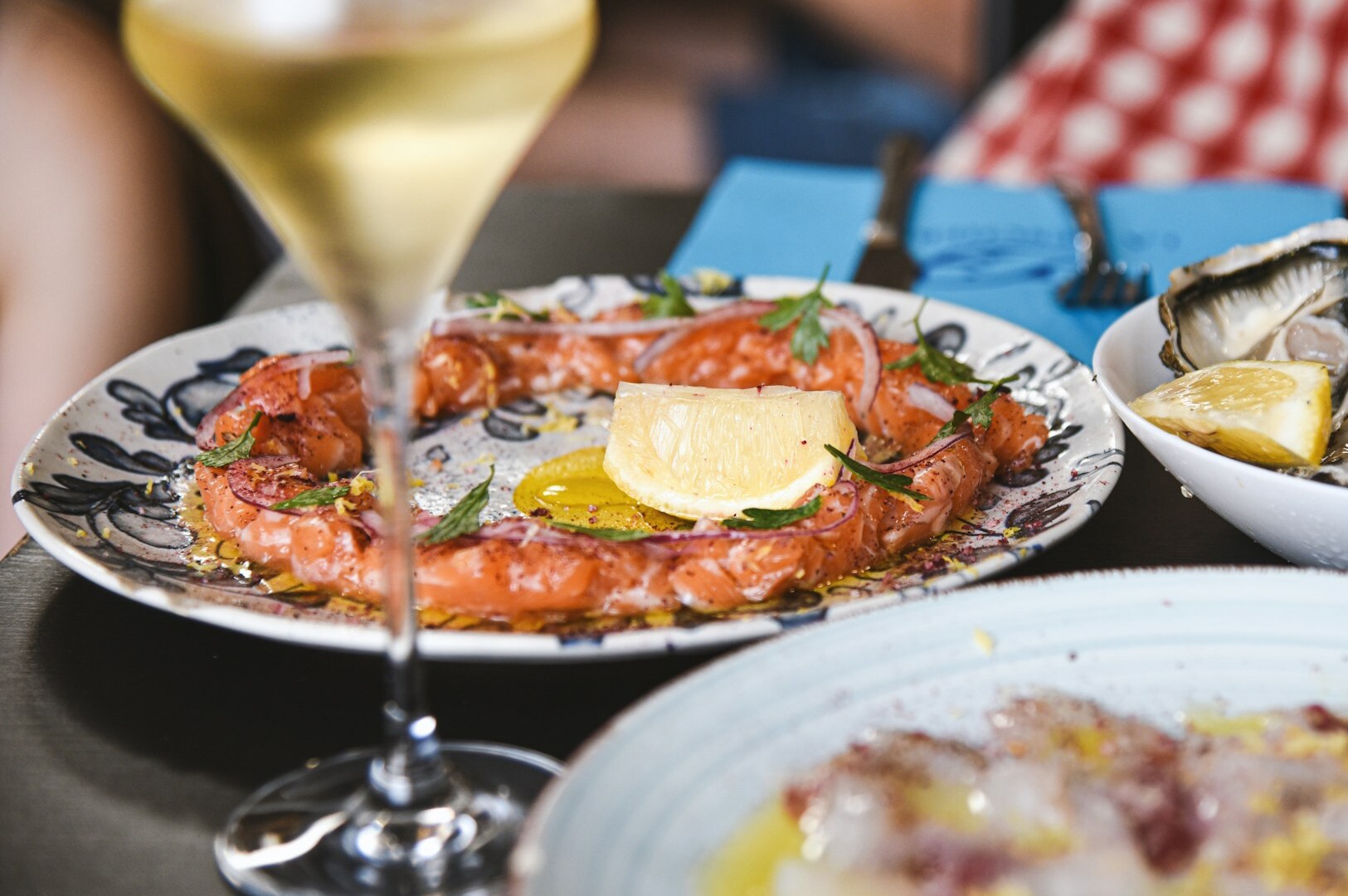
Traditional menus often stick to familiar rules—white wine with fish, red wine with meat. They highlight classic pairings like buttery Chardonnay with lobster or Pinot Noir with duck. Progressive menus, on the other hand, experiment with different wines, sometimes including sake, rosé wines, or cider. The goal is not convention but finding the best pairing for each plate.
Regional and Themed Pairings
Regional food and wine pairing follows the adage “what grows together, goes together.” Tuscan cuisine with Chianti, Spanish seafood with Albariño, or Provence fare with rosé wines create natural, culturally rooted connections.
Themed menus might highlight wines from volcanic soils, vintages spanning decades, or even only sweet wines with creative savory pairings. These showcase endless opportunities in wine selection.
World-Renowned Restaurants with the Best Wine Pairing Menus
The French Laundry (Yountville, USA)
Chef Thomas Keller’s institution is famed for classic elegance. Pairing food here often means a white Burgundy alongside seafood or a full-bodied red Bordeaux with rich meat—always with seamless precision.
Geranium (Copenhagen, Denmark)
With Scandinavian cuisine, Geranium leans on organic and biodynamic wines. Expect different pairings such as crisp German Sekt with seafood or orange wines with vegetable-driven dishes. The combinations celebrate complex flavor profiles and earthy notes.
Osteria Francescana (Modena, Italy)
Massimo Bottura’s restaurant embraces narrative-driven pairings. A playful dish might come with Lambrusco, connecting food and wine to regional memory. Here, both the food and the wine tell a story.
Contrasting Pairings That Surprise
Some of the best wine moments come from unexpected matches:
Champagne and Salty Foods: Effervescence and refreshing acidity meet salty flavors like French fries.
Japanese Sake and Cheese: A rich Junmai sake finds common ground with nutty or creamy cheese, proving that not all pairings are created equal.
Cabernet Sauvignon and Dark Chocolate: Here, more bitterness from cocoa softens tannins while red fruit flavors in the wine echo chocolate’s richness.
These pairings work because of hidden bridges—earthy undertones, opposite flavors, or shared texture.
Creating Accessible Food and Wine Pairings
Not every best wine pairing menu comes with Michelin prices. Bistros, wine bars, and local restaurants often highlight the best food and wine experiences with thoughtfully chosen bottles. A short pairing menu with three wines can be just as enlightening as a ten-course marathon.
Look for passionate staff and curated wine lists where each bottle tells a story. Ask for recommendations—they may suggest a rosé with grilled fish or an off-dry Riesling with spicy noodles. These different wines can surprise you.
Personalizing the Wine Pairing Experience
Personalizing your wine pairing experience is all about embracing your own tastes and preferences. When pairing wine with food, consider the flavors and textures you naturally gravitate toward. If you love the refreshing acidity of white wines, a glass of Pinot Grigio or Sauvignon Blanc might be your go-to for lighter dishes like seafood, salads, or vegetable-based plates. These wines bring out the best in delicate flavors without overwhelming the dish.
If your palate leans toward red wines with bold character, try pairing a Cabernet Sauvignon or Syrah with hearty dishes such as red meat, stews, or meals featuring rich sauces. The depth and structure of these wines complement robust flavors, creating a satisfying balance. By tuning into your own preferences and experimenting with different wine pairings, you can craft dining experiences that are uniquely yours—making every meal a celebration of your favorite wines and foods.
Partnering with Wineries for Unique Menus
Collaborating with wineries opens up a world of possibilities for creating truly unique food and wine pairings. By working closely with winemakers, chefs and restaurants gain valuable insights into the wine styles and flavor profiles that make each bottle special. This partnership allows for the development of menus that highlight both the food and the wine, resulting in pairings that are thoughtfully curated and often unexpected.
For example, a winery specializing in New Zealand Sauvignon Blanc can offer expert advice on pairing this vibrant, aromatic wine with dishes that feature fresh, citrusy ingredients. Such collaborations encourage creativity, allowing chefs to design menus that showcase the best qualities of both the food and the wine. By leveraging the expertise of winemakers, restaurants can offer guests memorable food and wine pairings that reflect the unique character of each wine and the artistry of the kitchen.
Marketing Food and Wine Pairings: Attracting and Engaging Diners
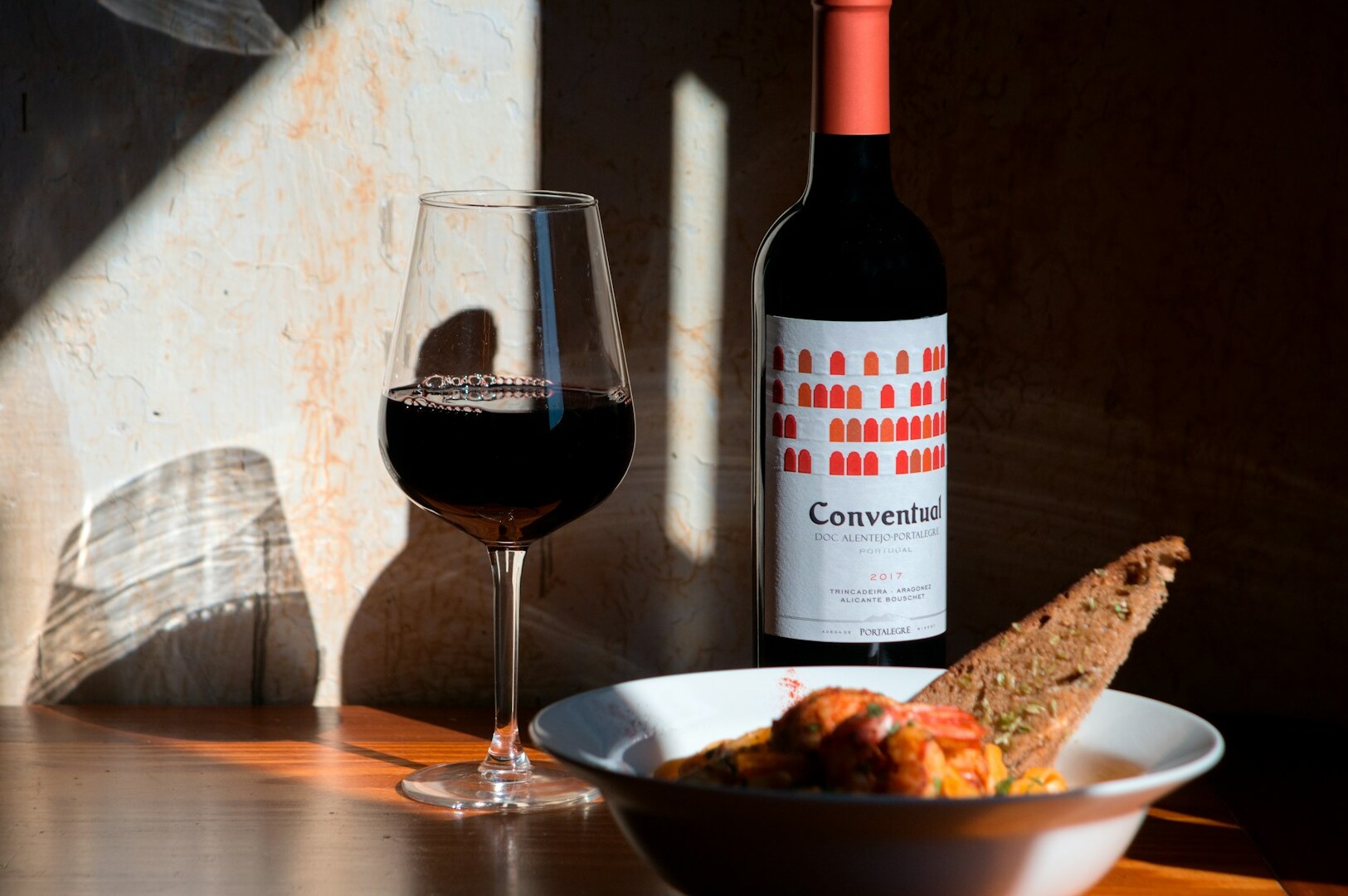
Effectively marketing food and wine pairings is key to attracting diners who are eager for a memorable culinary experience. By highlighting the unique aspects of each wine pairing—such as the use of an off-dry Riesling with spicy cuisine or a bold red wine with a rich, savory dish—restaurants can pique the interest of adventurous guests. High-quality photos and engaging descriptions on social media can showcase the vibrant colors and textures of both the food and the wine, drawing diners in and sparking curiosity.
Encouraging feedback and interaction helps build a community of wine lovers who appreciate the art of food and wine pairings. By listening to guests’ preferences and sharing the stories behind each pairing, restaurants can refine their offerings and create a loyal following. Whether it’s a special event featuring unique wine pairings or a regular menu spotlighting seasonal dishes, thoughtful marketing ensures that the excitement of wine pairing reaches a wider audience.
Tips for Creating the Best Pairing at Home
You don’t need a sommelier to elevate a home meal. Start with wine pairing basics and experiment.
Start with the Wine: Love New Zealand Sauvignon Blanc? Pair its bright acidity with goat cheese salad or grilled fish. Have a bold red wine like Cabernet Sauvignon? Match it with red meat or rich wine-friendly stews.
Match Intensity: Light-bodied wines with delicate dishes; full bodied red wines with robust flavors.
Think Regionally: Italian pasta with Sangiovese, French herbs with southern Rhône wines.
Play with Complementary Pairing: Buttery Chardonnay with creamy sauce, Pinot Noir with earthy notes in mushrooms.
Experiment Freely: Not every match has to be a perfect pairing. Explore different pairings, share tasting notes, and embrace trial and error. Wine and food is about joy as much as precision.
Great Food, Great Wine: Your Next Dining Experience
Food and wine pairing is an art form that reveals endless opportunities. From congruent pairing to contrasting pairings, from dessert wine with sweet food to Pinot Grigio with subtle flavors, each match opens new dimensions.
So the next time you’re handed a pairing menu, trust the expertise behind it. Or, create your own adventure at home—pair red wines with red meat, savor rosé wines with summer dishes, or match sweet wines with salty foods. With the right wine and the right dish, you’ll unlock those magical moments where one plus one equals three.
Explore More Culinary Delights
If you enjoyed learning about the best wine pairing menus, be sure to check out our other insightful articles to further enhance your dining adventures:
Singapore Restaurants With a View: Fine Dining Edition – Discover stunning vistas paired with exquisite cuisine for an unforgettable dining experience.
Best Michelin-Starred Restaurants to Try – Explore top-rated Michelin-starred establishments that offer exceptional culinary excellence.
Dive into these guides to elevate your next dining outing with expert recommendations and inspiration.