In most parts of the world, a low price tag on a meal often signals a compromise, on quality, on flavor, or on the dining experience itself. But here in Singapore, it’s quite the opposite. A humble S$4 bowl of rice noodles or a S$5 chicken rice meal can deliver an explosion of authentic flavours that no fancy restaurant can replicate. This is the beautiful paradox of Singapore food: the city’s cheapest Singaporean hawker food often represents the most genuine taste of our rich culinary heritage.
This isn’t by chance. It’s the result of a unique ecosystem built around Singapore’s iconic hawker centres , buzzing open-air food courts and food stalls that are so much more than just places to eat. They’re community hubs, living museums of Singaporean food culture, and a melting pot where history and flavour come alive. Recognised by UNESCO in 2020 as an Intangible Cultural Heritage, these hawker centres are a testament to our nation’s love affair with food. For travellers and food lovers alike, understanding this link between affordability and authenticity is the key to unlocking the true soul of Singaporean hawker cuisine. This guide dives into why, in our food-obsessed city, the most authentic local eats are found not in swanky restaurants, but in humble, everyday hawker stalls.
What is Hawker Food?
Hawker food is the heart and soul of Singapore’s street food scene, reflecting our multicultural heritage and communal dining spirit. These humble food stalls evolved from mobile vendors to the vibrant hawker centres, food courts, and open-air dining spaces dotted across the island. Each stall specialises in a particular dish or traditional recipe, serving up fresh, piping-hot portions to hungry patrons on the spot. For a deeper dive into the best places and dishes, check out our comprehensive guide to authentic hawker food in Singapore.
Signature Dishes and Ingredients
Singapore’s hawker scene boasts an incredible array of dishes, each telling its own delicious story. From the iconic Hainanese chicken rice , tender poached chicken served with fragrant, seasoned rice and a side of spicy chili sauce , to carrot cake (chai tow kway) , featuring steamed rice cake made with rice flour and stir-fried with eggs and preserved radish, the flavours are unmistakably local. Noodle lovers will find their bliss in char kway teow, stir-fried flat rice noodles with dark soy sauce and Chinese sausage, or in the comforting bowl of Hokkien prawn mee, a popular noodle dish where yellow egg noodles and thick rice noodles swim in a rich seafood broth, topped with lime juice and sambal chili.
Ingredients like coconut milk, dark soy sauce, chili sauce, tofu puffs, shredded chicken, crab meat, and bean sprouts bring depth and character to many dishes. And of course, no hawker meal is complete without the legendary chili crab, where fresh crab is drenched in a luscious sweet and spicy sauce, perfect for sharing at bustling food centres.
Breakfast favourites like kaya toast, toasted bread slathered with coconut cream and palm sugar jam, are often paired with soft boiled eggs or hard boiled eggs and served alongside aromatic coffee or tea with evaporated milk or condensed milk for that perfect traditional Singaporean breakfast pick-me-up.
The Hawker Centre: The Heartbeat of Affordable, Authentic Food in Singapore
To truly appreciate why Singapore’s cheap eats shine, you need to understand the hawker centre , the backbone of our food culture and the reason why authenticity thrives here.
From Street Vendors to UNESCO Heritage: The Story of Singapore’s Hawker Centres
Back in the mid-20th century, Singapore’s streets were alive with itinerant street food vendors, or “hawkers.” While their food was delicious and affordable, concerns over hygiene and public health led the government to relocate these hawkers into purpose-built hawker centres like Maxwell Food Centre and Airport Road Food Centre starting in the 1970s.
This move transformed the food landscape by:
Preserving culinary heritage: Providing permanent, regulated spaces ensured traditional recipes like hainanese chicken rice, char kway teow (stir fried flat rice noodles), and carrot cake (chai tow kway) — including the beloved white carrot cake version — were passed down and protected.
Maintaining affordability: Subsidized stall rents and healthy competition kept prices accessible, letting everyone enjoy Singapore’s best dishes.
Building community spaces: Hawker centres became vibrant dining rooms where people from all walks of life , office workers, families, students, and retirees — gather to enjoy local favourites like chilli crab, bak chor mee (minced pork noodles), fried hokkien mee (a popular soup dish made with yellow egg noodles and thick rice noodles), and fried chicken.
Today, Singapore’s hawker culture is so treasured that it earned a spot on UNESCO’s Representative List of the Intangible Cultural Heritage of Humanity.
The Economics Behind Authenticity: Why Hawker Food Stays Real
The magic of hawker food lies in its business model , lean, focused, and volume-driven — which helps preserve the authenticity of Singaporean cuisine.
Low Overhead, High Specialisation at Food Stalls
Unlike full-service restaurants with hefty rent, large staff, and fancy décor, hawker stalls run on a simple formula:
Lower Rent: Government-run hawker centres offer affordable stall rentals.
Minimal Staff: Most stalls are family-run or operated by a small team.
Dish Specialisation: Many hawker stalls perfect just one or two dishes, allowing them to master recipes, streamline prep, and buy ingredients in bulk, reducing waste and cost.
Take a hawker stall selling chicken rice, they pour all their passion into sourcing prime chicken, cooking steamed white rice in rich chicken broth (often infused with pork bones), and crafting the perfect chili sauce and sambal chili. No need for a sprawling menu means every bite is authentic and affordable. Here, authenticity and affordability don’t clash — they fuel each other.
Spotting Authenticity: How to Find Real Hawker Gems in Singapore
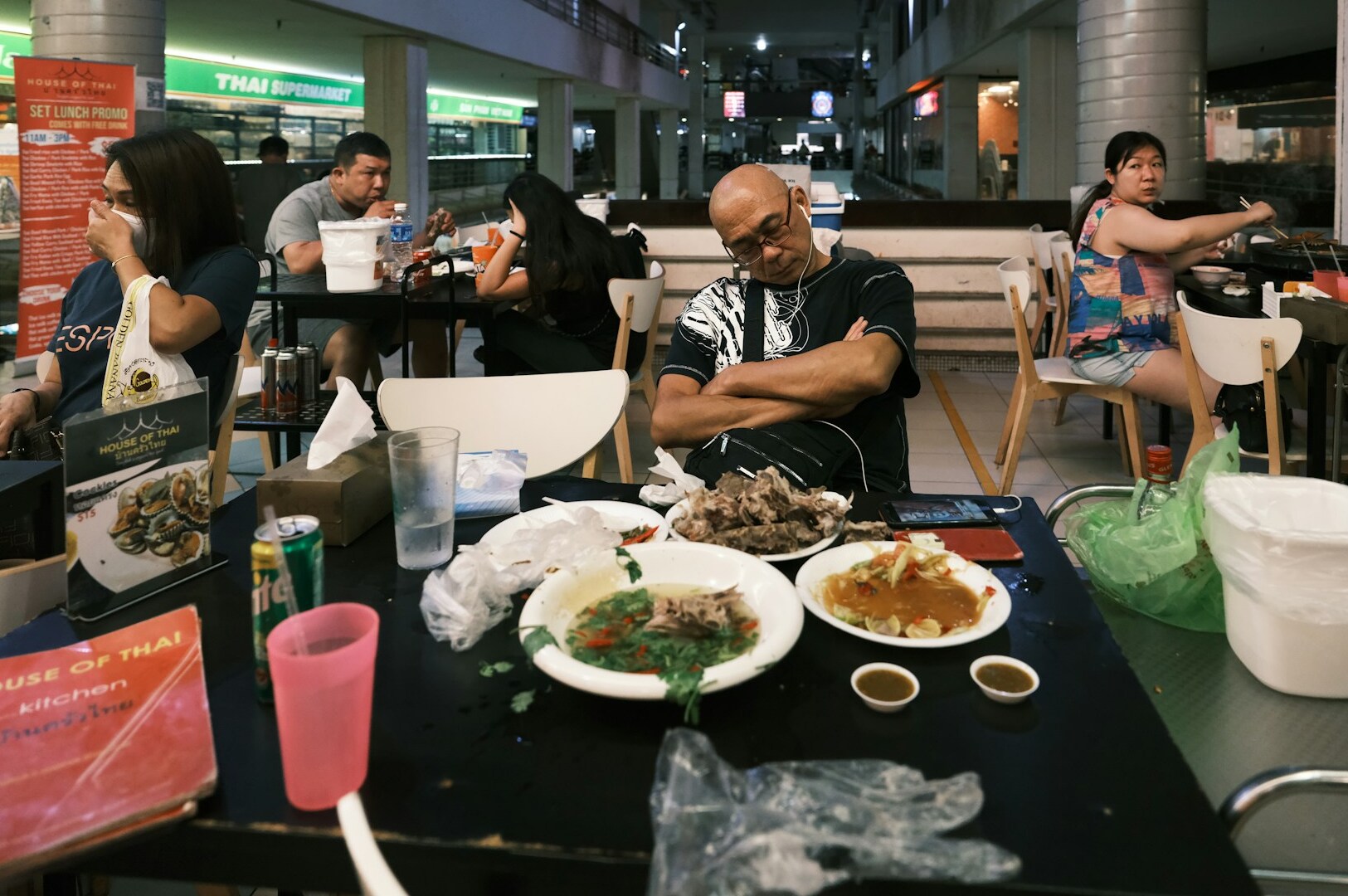
Tourist traps in areas like Clarke Quay or Marina Bay Sands often serve “local” dishes at inflated prices and toned-down flavours. The real deal is where the locals eat.
Signs You’ve Found a Genuine Hawker Treasure
The Queue: A long line of locals is the best endorsement. Singaporeans are passionate foodies who’ll wait patiently for excellence.
Limited Menu: Stalls with one or two focused dishes are true specialists, honing their craft over decades. Look out for stalls famous for kaya toast (toasted bread with coconut cream and palm sugar) or oyster omelette, made with fresh oysters and a crispy batter.
Experienced Hawkers: The “auntie” or “uncle” who’s been at the wok for decades moves with practiced precision — a sign of mastery.
No-Frills Setting: Don’t judge by the simple surroundings — the focus here is on flavour, not fancy décor.
Price as a Quality Signal in Singapore’s Hawker Food Scene
Surprisingly, a low price can be a good sign. A S$3.50 plate of char kway teow at a traditional hawker centre is made for locals, packed with authentic flavours. Meanwhile, a S$15 version at a hotel restaurant caters to tourists, often with milder seasoning.
Notable Hawker Centres to Experience Authentic Hawker Food Singapore
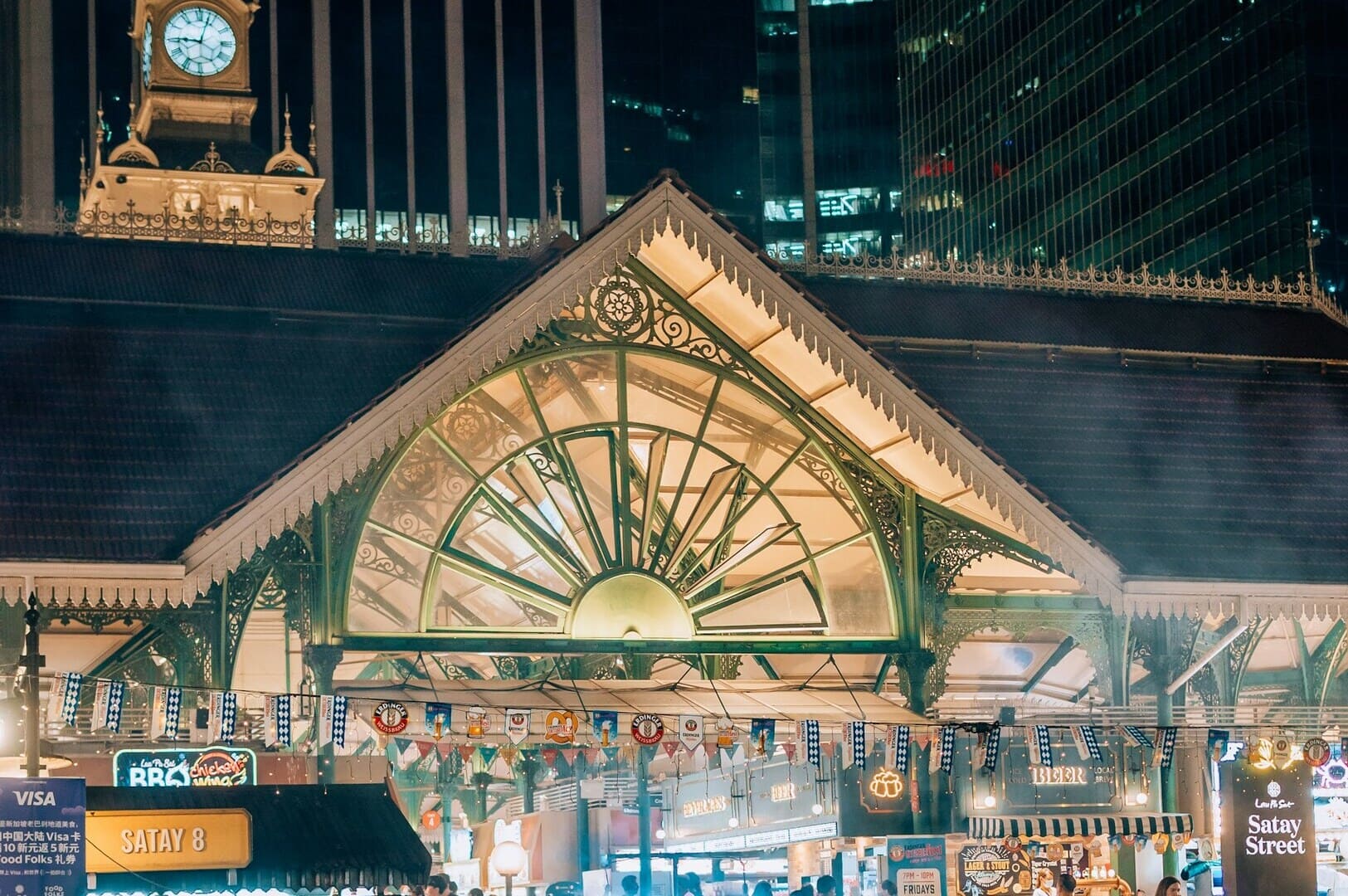
To truly immerse yourself in authentic hawker food in Singapore, visiting the city’s iconic hawker centres is essential. Maxwell Food Centre stands out as a must-visit destination, famed for the legendary Tian Tian Hainanese Chicken Rice stall alongside a variety of classic hawker offerings that capture the essence of Singaporean cuisine. Lau Pa Sat is another historic spot, renowned not only for its distinctive colonial architecture but also for its bustling Satay Street in the evenings, where skewers of marinated meat are grilled to perfection and served with traditional accompaniments like compressed rice cakes, fresh cucumber, and onions.
Chinatown Complex Food Centre, the largest hawker centre in Singapore, boasts over 260 stalls that present an extensive array of local food delights, reflecting the city’s rich multicultural tapestry. Old Airport Road Food Centre is celebrated for its legendary stalls serving up beloved dishes such as fried carrot cake—available in both white and black versions—rojak, and fried hokkien mee, each offering unique flavors and textures that have been perfected over decades.
For those seeking vibrant Indian and Malay culinary experiences, Tekka Centre offers an authentic taste of south Indian cuisine, featuring specialties like murtabak and biryani that showcase the depth and diversity of these food traditions. Newton Food Centre is popular among night owls and seafood lovers alike, known for its late-night atmosphere and standout dishes including chili crab and fried chicken.
Together, these hawker centres form a dynamic ecosystem that preserves Singapore’s culinary heritage while continuously satisfying cravings for spicy food, comforting noodles, hearty fried rice, and prawn noodles. Visiting them provides not only a feast for the palate but also a window into the heart of Singaporean hawker culture.
Conclusion
Singapore’s authentic hawker food scene is a vibrant testament to the city’s rich multicultural heritage and culinary ingenuity. From humble stalls serving fragrant Hainanese chicken rice and spicy char kway teow, to bustling hawker centres like Maxwell Food Centre and Tekka Centre offering a dazzling array of dishes including authentic South Indian cuisine and Malay delights, every bite tells a story. These centres are more than just places to eat—they are community hubs where locals and visitors alike gather to enjoy delicious food that is affordable, authentic, and deeply rooted in tradition.
For anyone seeking the true taste of Singapore, exploring its hawker food culture is essential. Whether you’re savoring a plate of fried hokkien mee, indulging in chilli crab, or enjoying a simple yet satisfying chicken rice meal, you’ll experience the passion and history that make Singapore’s food scene world-renowned. So dive in, follow the queues of locals, and discover the heart and soul of Singapore through its unmatched hawker food experience.
Ready to dive deeper? For more insights and guides on the best local eats, be sure to visit SG Foodie, your trusted companion for discovering authentic hawker food Singapore and beyond.