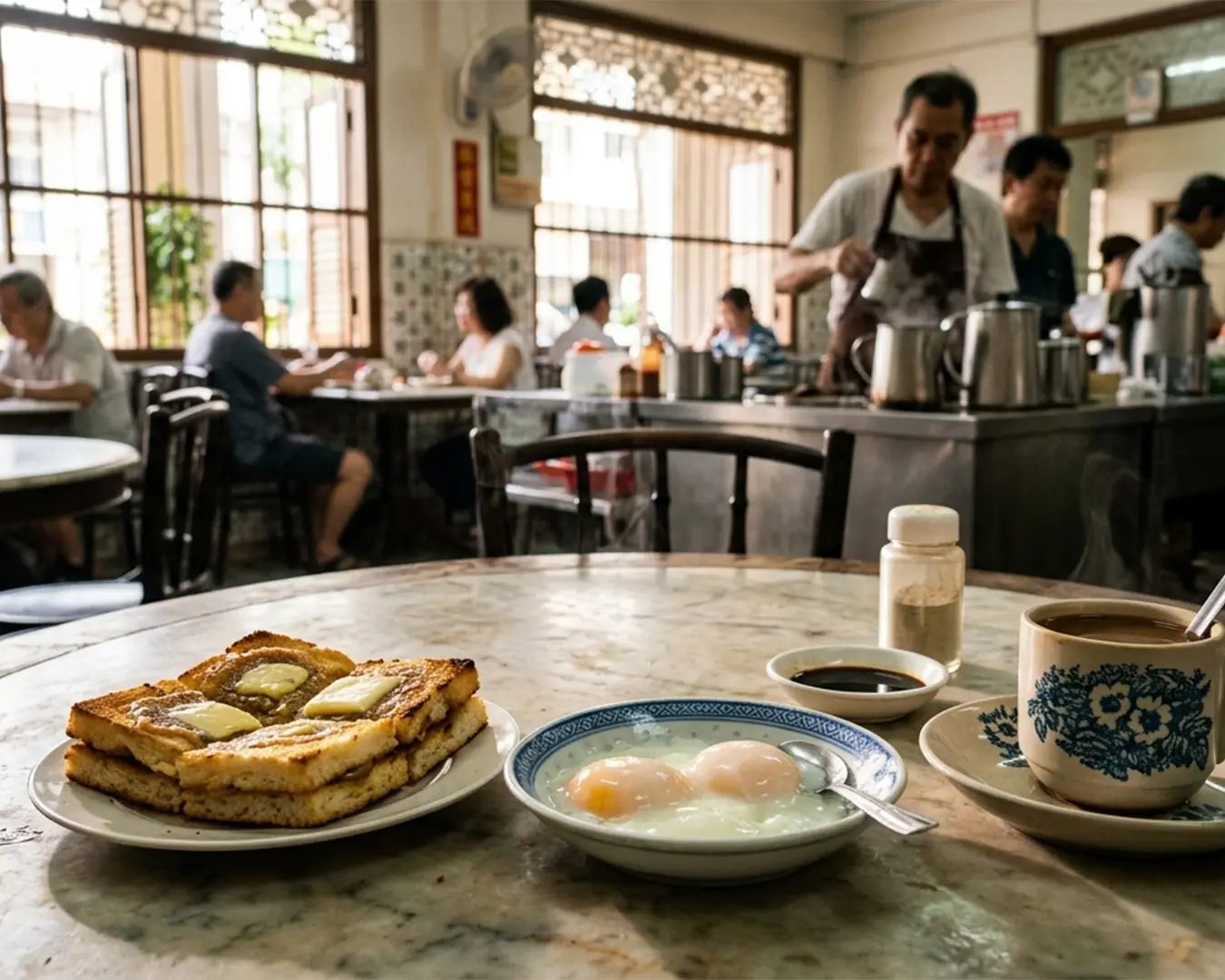
At the edge of a quiet HDB estate, far from any MRT line tourists recognise, a small kopitiam hums softly. It’s lunchtime, yet half the tables are empty. No queue. No laminated signs boasting awards. Just a few elderly regulars eating steadily, unhurried. The stall auntie greets them by name. The food arrives without flair—and then it hits you: this is one of the best meals you’ve had in Singapore.
To eat off the beaten path in Singapore isn’t about rejecting popular places for the sake of it. It’s about understanding that authenticity thrives where food is part of daily life, not spectacle. And it’s in these overlooked corners that Singapore’s true food culture continues, largely unnoticed—and deeply rewarding.
Why Authentic Food Often Hides from View in Hawker Centres and Food Centres
Authentic food doesn’t hide intentionally. It simply has no reason to step forward.
In neighbourhoods away from tourist traffic, food businesses survive on repetition, not novelty. Hawker stalls cook for regulars who will notice immediately if something changes. Portions, seasoning, techniques—all are shaped by expectation built over years, sometimes decades. There’s little incentive to reinvent, rebrand, or perform.
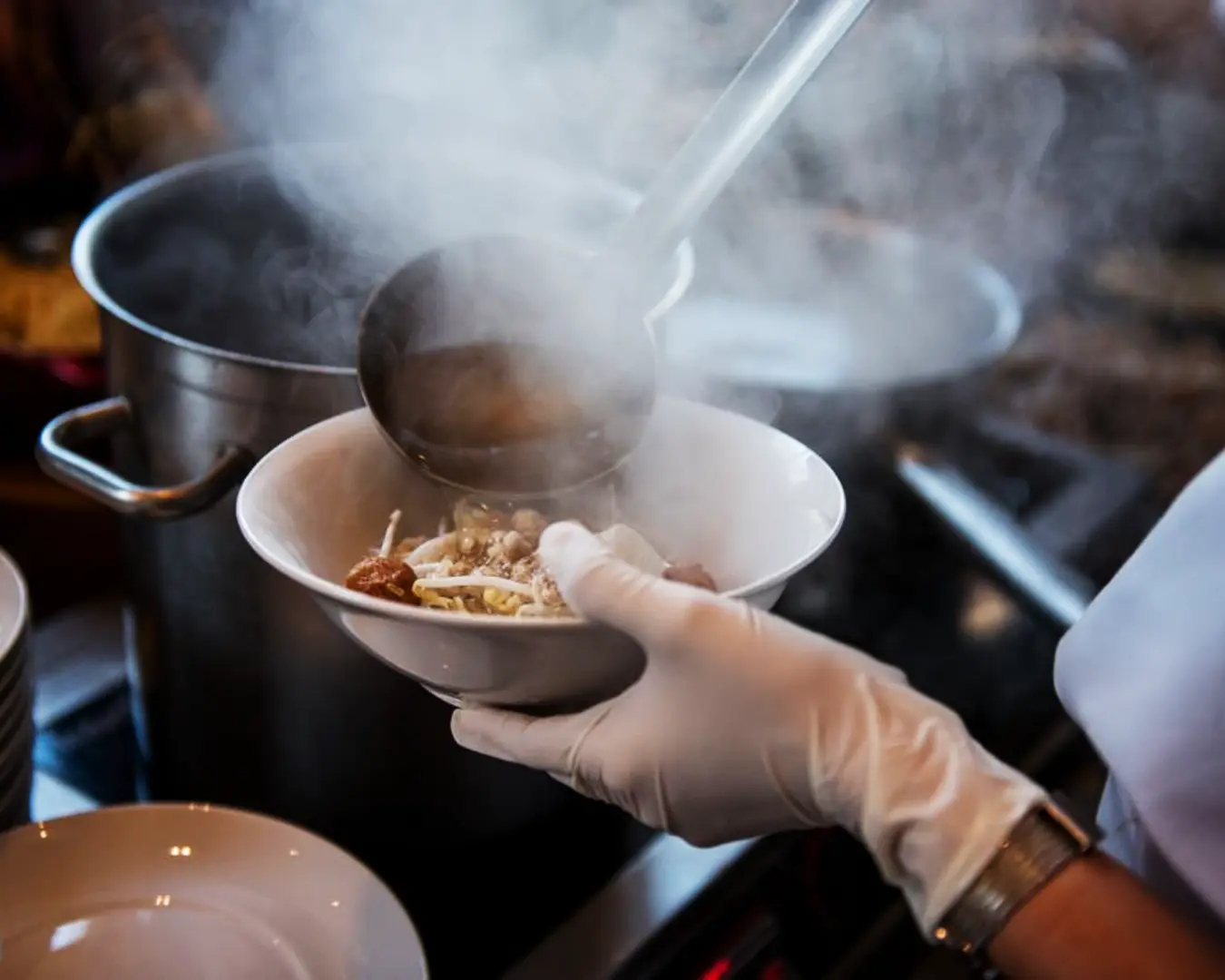
Food courts and hawker centers, with their many food stalls, offer a wide variety of affordable and diverse local food. This makes them a popular dining choice for both locals and tourists seeking authentic flavors.
This is why off the beaten path food Singapore seekers often stumble upon dishes that taste more grounded, more complete. The food hasn’t been adjusted for outsiders. It tastes the way it always has.
Residential Neighbourhoods: Where Hainanese Chicken Rice and Other Local Good Food Are Still Routine
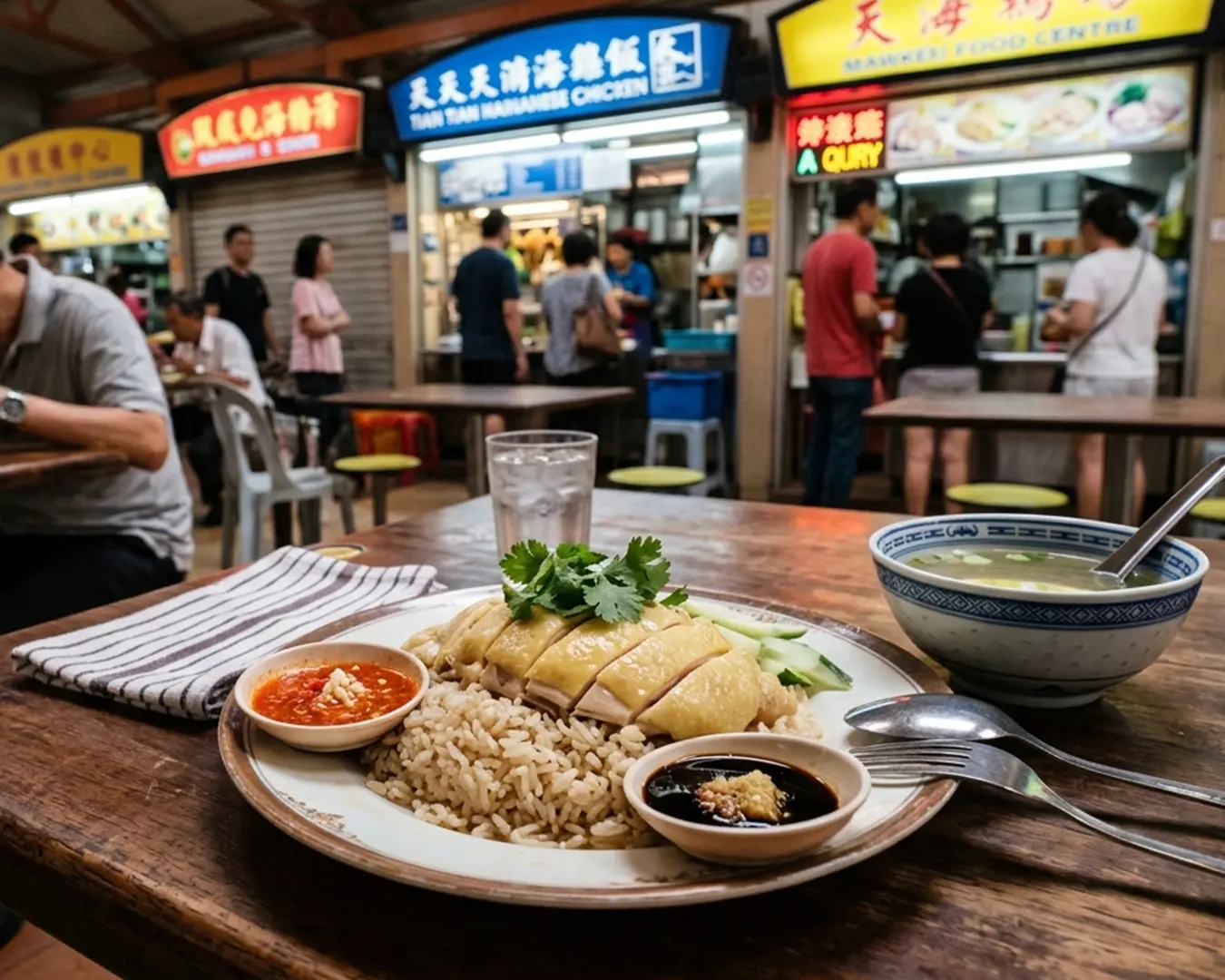
In places like Redhill, Toa Payoh, Bukit Merah, Ang Mo Kio, Bedok, and parts of Hougang, food isn’t curated—it’s habitual. Yet, these neighborhoods are home to delicious food that keeps locals coming back for more.
Residents eat close to home. Hawker centres and kopitiams serve:
Morning regulars who order without speaking, often starting with kaya toast and two soft boiled eggs
Lunch crowds who know exactly where to sit, ordering Hainanese chicken rice or fried chicken with chili sauce. Hainanese chicken rice is one of the most popular dishes found at hawker centers in Singapore.
Families who return weekly without variation, enjoying dishes like oyster omelette or carrot cake
Here, food is judged harshly but quietly. A stall that slips loses customers without explanation. A stall that remains good earns loyalty without publicity.
This is why where locals eat Singapore often overlaps with places visitors never think to look. The food is embedded in daily life, not marked as an attraction.
Industrial Areas and Business Parks: Food Built for Workers and Street Food Lovers
Some of Singapore’s most surprising meals are found in industrial estates—places like Alexandra, Sin Ming, Ubi, and parts of Jurong.
These are environments shaped by function. Workers need meals that are:
Fast
Filling
Affordable
Consistent
There’s little patience for gimmicks. If the food isn’t good, people walk elsewhere.
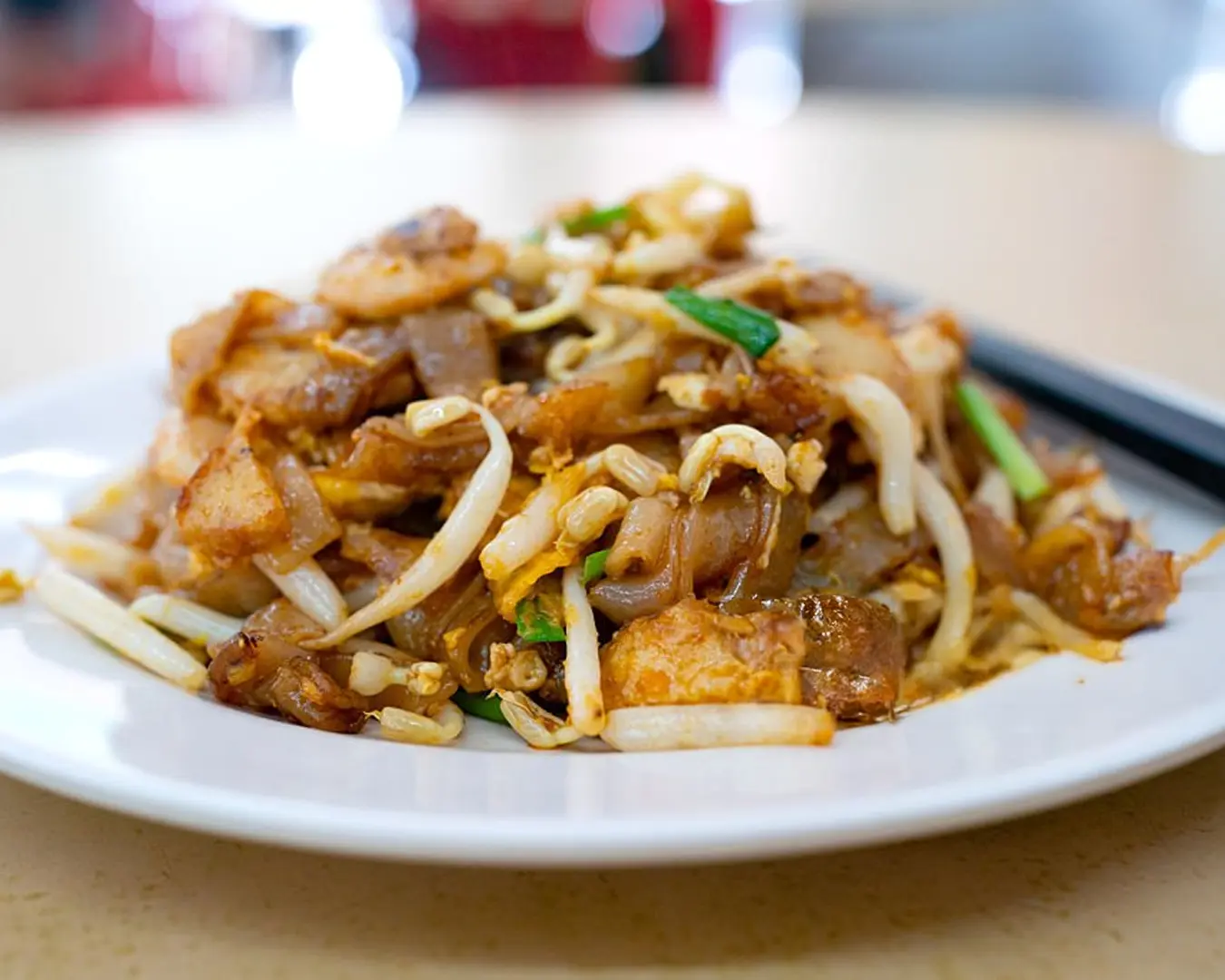
As a result, these areas quietly support stalls that cook with precision and care, often serving the same dishes day after day without deviation. Dishes like chicken rice are typically served with flavorful rice, a hallmark of quality that elevates the meal. Char Kway Teow, a popular stir-fried noodle dish, is also commonly found in hawker centers across Singapore. For food explorers, these zones offer a glimpse into authentic hawker Singapore culture at its most utilitarian—and most honest.
Wet Markets and the Food That Grows Around Them: Rice Cakes, Fried Tofu, and More
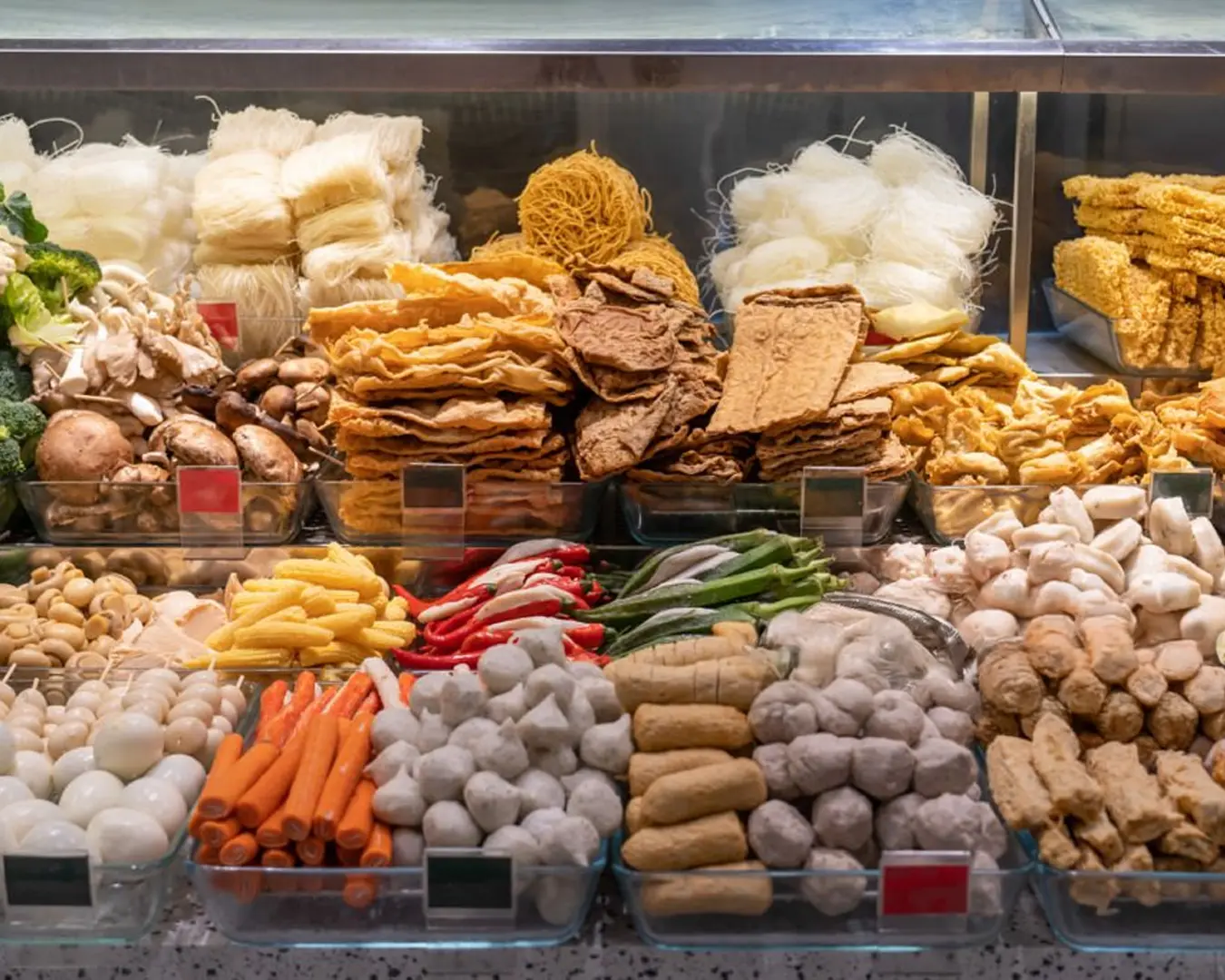
Wet markets generate food ecosystems.
Where fresh produce arrives daily, food stalls follow. Coffee shops near markets often serve:
Freshly prepared breakfasts like kaya toast with condensed milk and two soft boiled eggs
Traditional snacks and kueh made with rice flour and glutinous rice
Simple meals timed to market rhythms, such as white rice noodles and fried rice noodles served with fish cake and chili sauce
Some of the most fragile food traditions—handmade sweets, labour-intensive preparations—survive only in these environments.
Here, authenticity isn’t a concept. It’s a byproduct of proximity to ingredients and people who know how they should taste.
Heartland Hawker Centres and the Absence of Performance: The Best Hawker Stalls in Airport Road Food Centre and Maxwell Food Centre
Heartland hawker centres differ from their famous counterparts not in quality, but in intent.
They are not stages. They are service points.
Stalls here rarely:
Translate menus into multiple languages
Adjust spice levels pre-emptively
Market signature dishes aggressively
Instead, they assume familiarity. They cook as if the diner already understands.
Jian Bo Shui Kueh at Tiong Bahru Market is known for chwee kueh with salted diced radish and secret sauce.
Maxwell Food Centre, for example, is a food centre where you can find beloved dishes like bak kut teh (pork ribs soup), bak chor mee, and Hainanese chicken rice with fragrant rice cooked in chicken broth.
For those willing to adapt, these centres offer some of the most rewarding examples of authentic food Singapore hidden gems has to offer.
Nightlife and Dining After Dark: Where Authenticity Glows Under Neon Lights
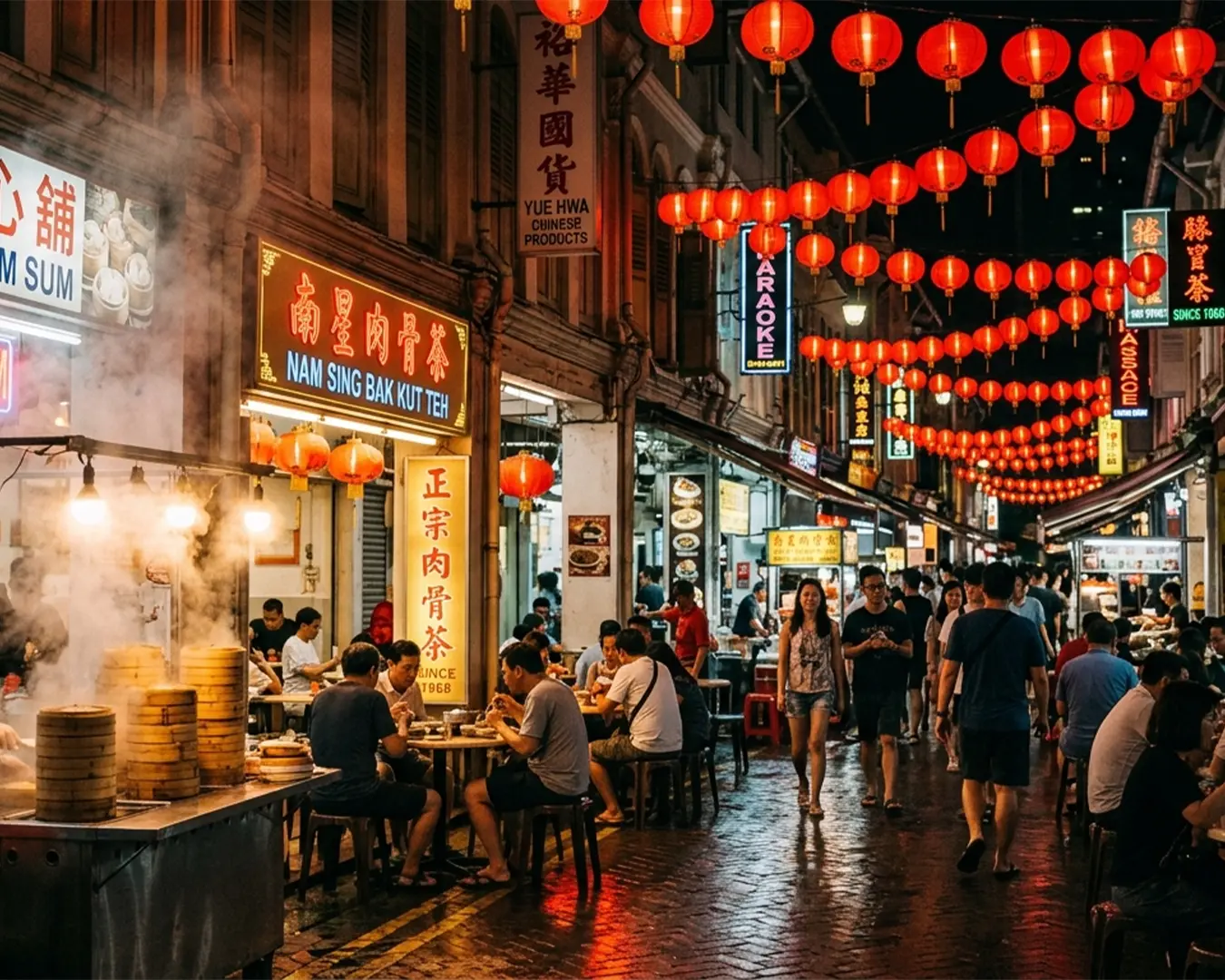
As the sun sets and the city’s neon lights flicker on, Singapore’s food scene transforms. Hawker stalls and food centres come alive, drawing night owls and hungry locals with the promise of late-night feasts. In Chinatown, the air is thick with the aroma of char kway teow—egg noodles stir-fried with dark soy sauce, pork lard, and crunchy bean sprouts, all tossed over roaring flames. Nearby, nasi lemak stalls serve up coconut milk-infused rice with crispy fried chicken, spicy sambal, and a medley of sides that make for a perfect midnight snack.
If you’re in the mood for something heartier, seek out a seafood spot serving chilli crab. The sweet, spicy sauce clings to every piece of tender crab, demanding to be mopped up with soft mantou buns. For a different kind of comfort, try fried rice noodles at a bustling night market, often paired with slow-cooked beef rendang for a rich, satisfying meal.
And when you need a sweet finish, slip into a coffee shop for kaya toast at Ya Kun Kaya Toast. The combination of coconut milk, eggs, and fragrant kaya spread on crisp toast, served with a cup of strong kopi, is a quintessential Singaporean food experience—especially when enjoyed after dark, when the city feels both intimate and alive.
Recognising Authenticity Without Needing a Checklist: From Char Kway Teow to Chili Crab
Authenticity isn’t something you tick off. It’s something you sense.
It appears in:
The rhythm of service
The confidence of repetition
The lack of explanation
The way regulars behave
If people eat quickly, quietly, and return without ceremony, the food is doing its job.
If a stall has been operating unchanged for years with no visible effort to attract attention, that stability is meaningful.
Authenticity often looks unremarkable—until you taste it.
Whether it’s the crispy roast meats like roast pork belly, the savory carrot cake fried with eggs and sweet soy sauce, or the rich coconut milk-based laksa with thick rice noodles and crunchy bean sprouts, these are the hallmarks of good food in Singapore.
Chili crab, another must-try, is considered one of Singapore’s national dishes and is often enjoyed at seafood restaurants and hawker centers.
Getting Comfortable with Not Knowing When Visiting Singapore’s Street Food Scene
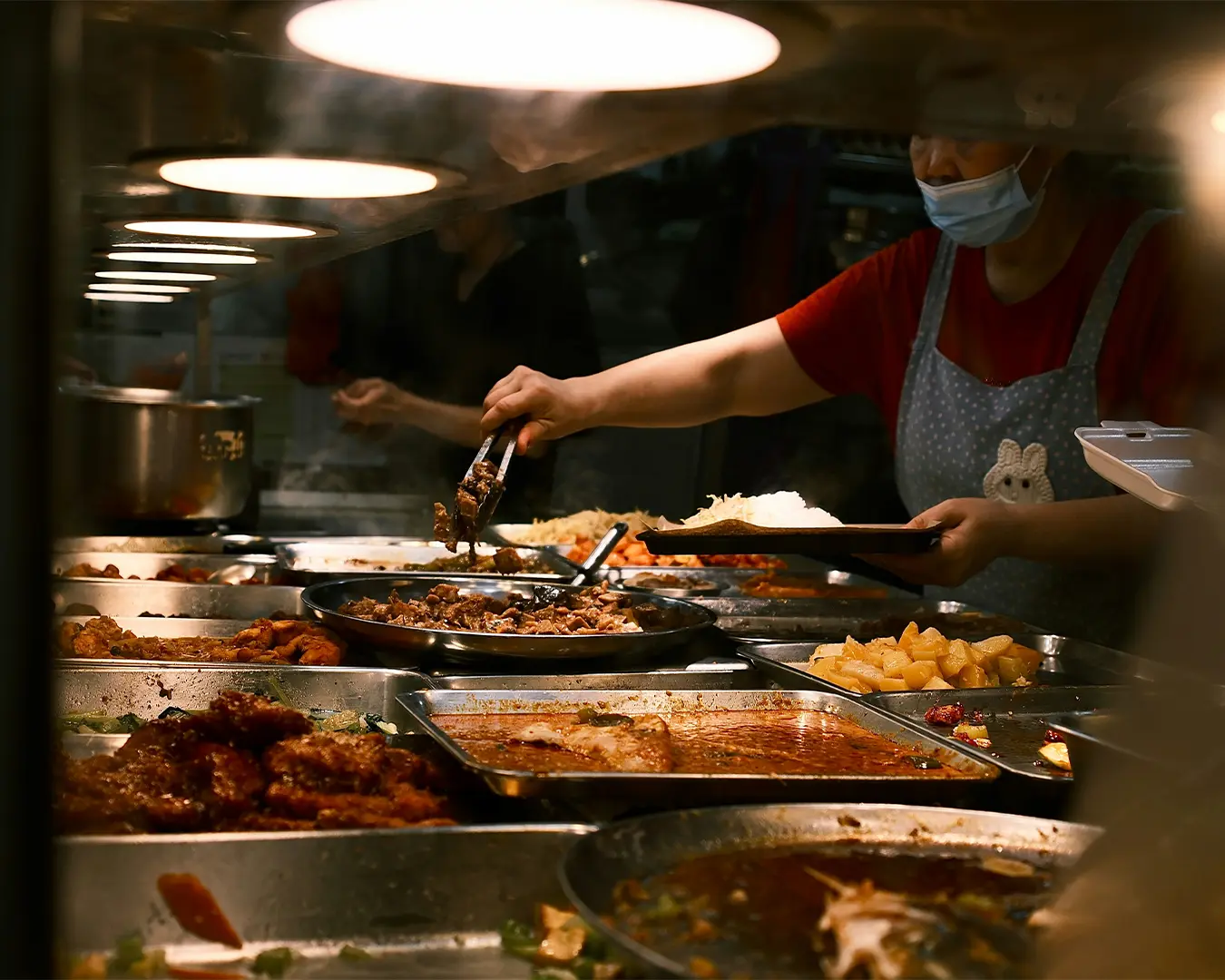
Venturing off the beaten path requires a shift in mindset.
Street food culture in Singapore, like in many Southeast Asian countries, has a rich history, but it has evolved differently here. Street food in Singapore has largely transitioned to hawker centers due to health and hygiene regulations, making these centers the main places to find authentic local flavors.
You may not understand the menu immediately. You may mispronounce dishes. You may not know what to order.
That uncertainty is part of the experience.
In these moments:
Pointing works
Watching others helps
Curiosity is welcomed more than expertise
Food becomes a conversation, not a transaction. And those conversations—however brief—often become the most memorable part of the meal.
Why Getting Lost Is Part of the Point When You Eat in Singapore
Some of Singapore’s best food finds happen when plans dissolve.
A wrong turn. A missed bus stop. A walk through a block you’ve never entered before. In these moments, you might discover a hidden Singapore restaurant, from casual eateries to fine dining spots.
In these moments, food discovery becomes accidental rather than intentional. There’s no expectation to be met. No benchmark to compare against.
This openness allows you to experience food on its own terms.
It’s also how many locals found their favourite stalls—by proximity, not reputation.
Singapore offers a diverse dining scene that includes both casual and fine dining options.
The Cultural Weight of Eating Off the Beaten Path: Supporting Local Food and Preserving Peranakan Food
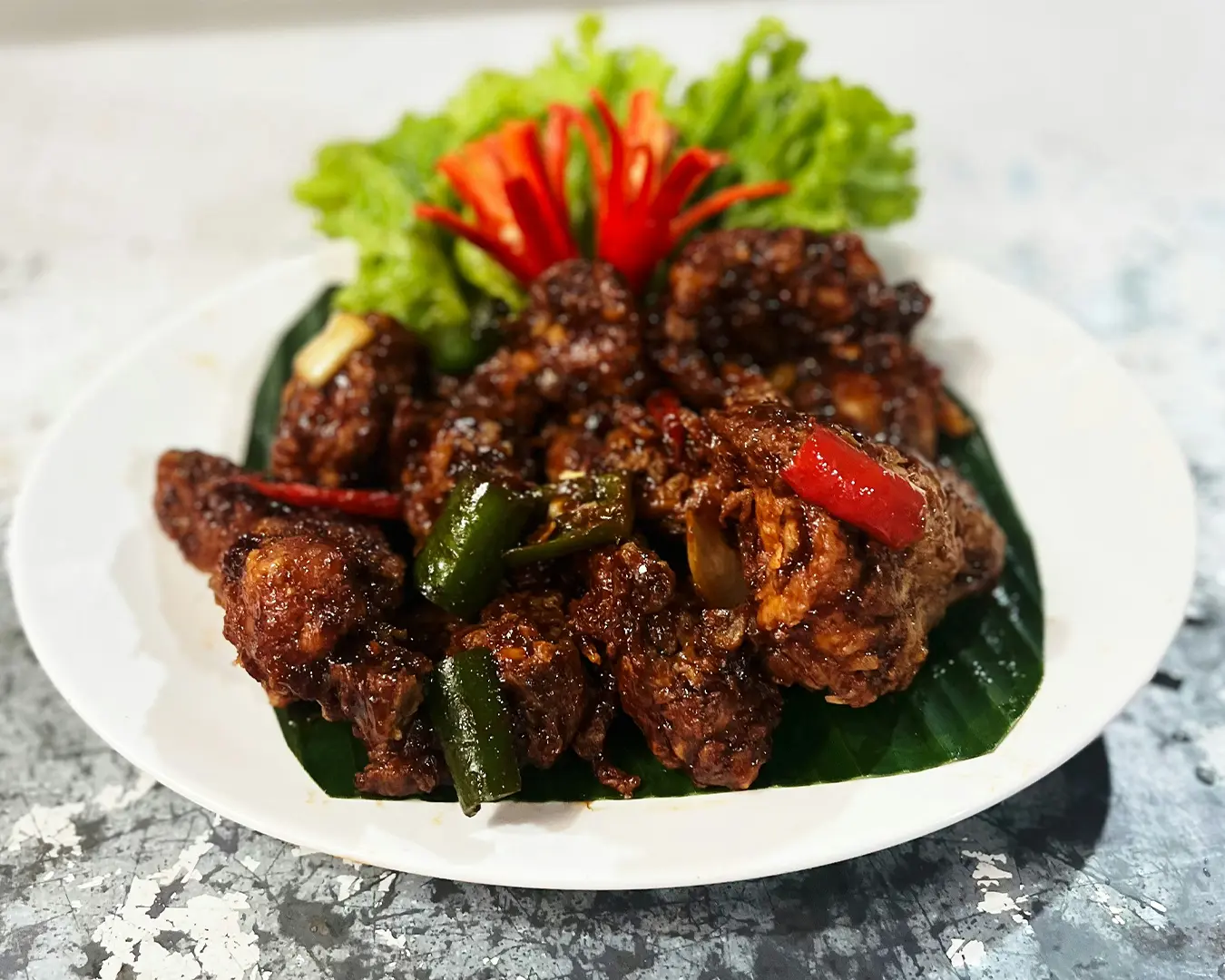
Choosing to eat in these places carries weight beyond personal satisfaction.
It:
Supports ageing hawkers
Keeps neighbourhood food viable
Preserves recipes that don’t travel well, including delicate Peranakan food like beef rendang and chicken curry
Rewards consistency over marketing
While the best Singapore restaurants are often celebrated for their awards and popularity, these hidden gems offer a different, more intimate experience of authentic food Singapore hidden gems. Many restaurants in Singapore focus on a mix of local and international cuisines, reflecting the country’s multicultural heritage.
Each meal becomes participation, not consumption.
This is why authentic local restaurants Singapore diners seek matter. They represent continuity in a city that changes quickly.
Food Tours and Guides: Discovering Hidden Culinary Treasures with Locals
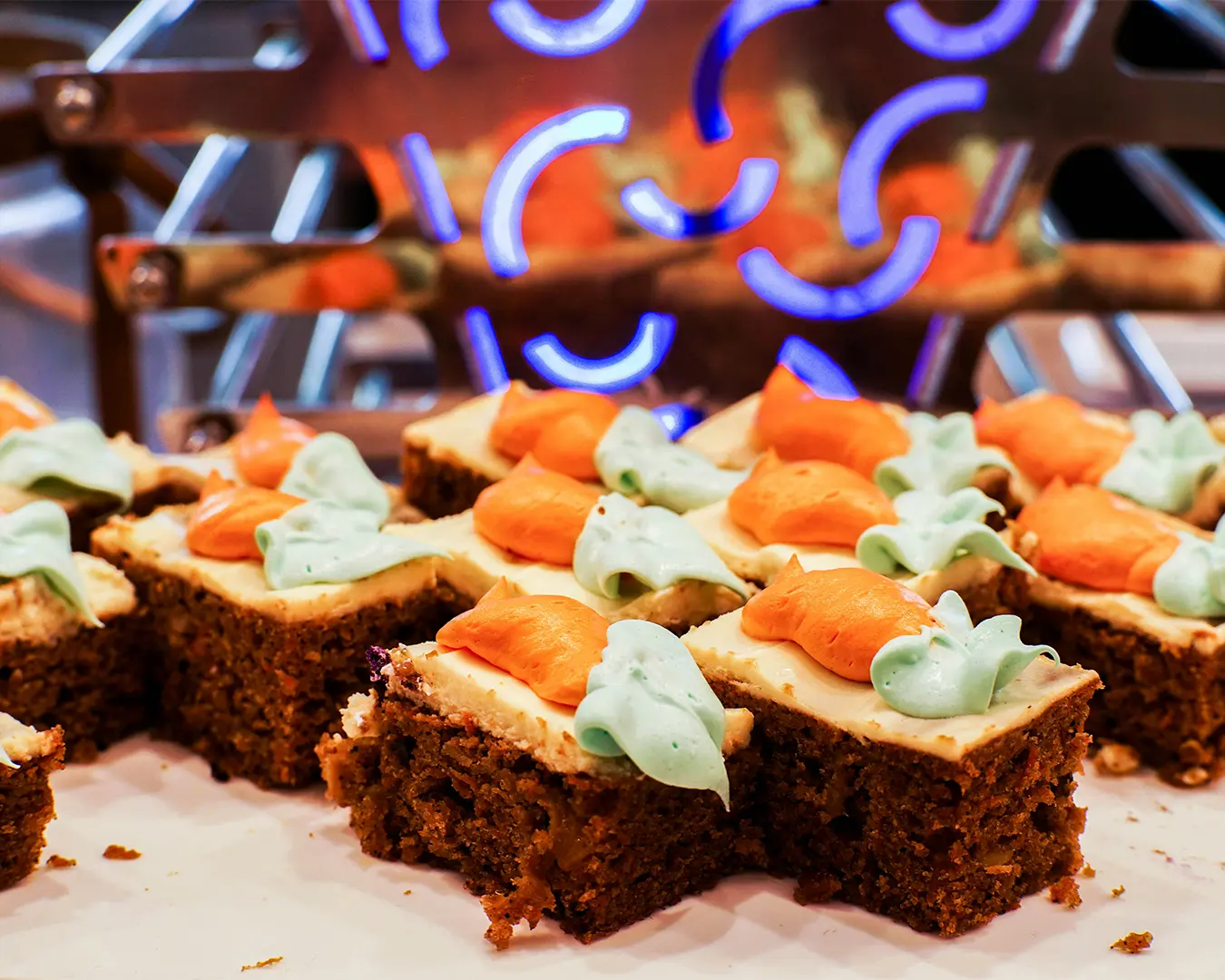
Joining a local-led food tour reveals Singapore’s lesser-known hawker stalls and authentic dishes. Taste classics like bak kut teh (pork ribs soup), savory carrot cake, char siu (roasted pork), and stir-fried bee hoon, while learning insider tips on ordering and navigating food centres. These tours deepen your appreciation for Singapore’s vibrant food culture and its community roots.
Conclusion: The Quiet Centre of Singapore’s Food Culture by Marina Bay and Beyond
Singapore’s most authentic food does not announce itself. It waits.
It waits in residential estates, industrial zones, kopitiams, and hawker centres without reputations. It waits for diners willing to trade certainty for curiosity, and convenience for connection. Dishes like roti prata—a crispy, pan-fried local favorite often enjoyed with curry—are beloved breakfast or snack options you’ll find in these hidden food spots.
So choose a neighbourhood you’ve never explored. Follow your curiosity down unfamiliar streets. Sit where the tables aren’t full. Listen more than you photograph.
And if you want thoughtful explorations of hidden food spots Singapore locals quietly treasure, follow SGfoodietravels—where we believe the most meaningful meals are often the ones you weren’t looking for.