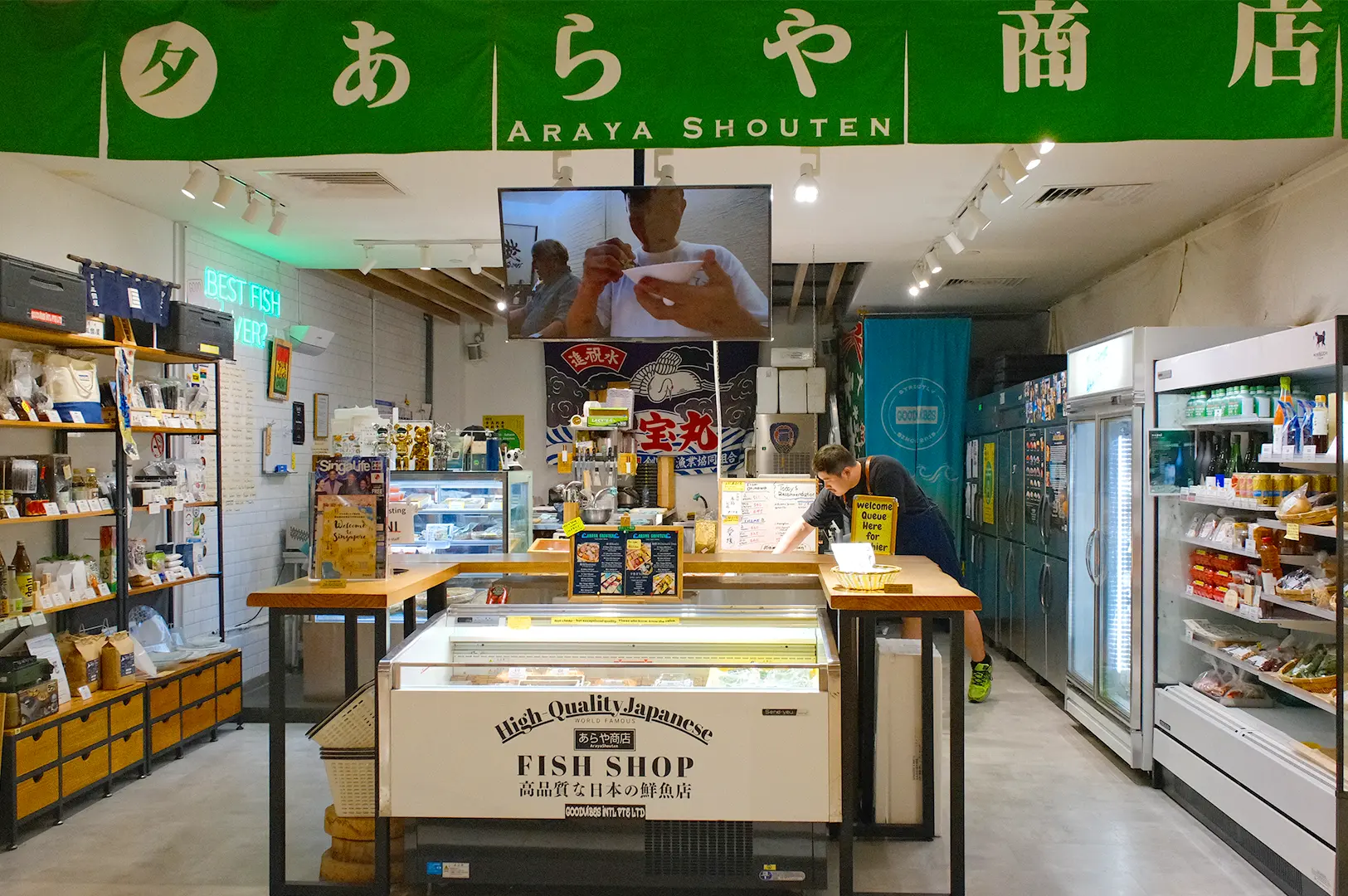
When we think about Michelin-starred Japanese restaurants, our attention naturally goes to the chefs, their techniques and the carefully selected ingredients that make each dining experience memorable. But before a piece of fish reaches a sushi chef’s knife, someone has already made an important decision about its quality. At Tanglin Mall, Araya Shouten introduces Singapore diners to that often-overlooked side of Japanese cuisine: the fishmonger behind the seafood.
What makes this Japanese fishmonger particularly interesting is its history with Singapore’s restaurant industry. Before opening its doors to everyday consumers, Araya-san had already spent years supplying seafood to established Japanese restaurants, including Michelin-starred establishments. Today, the same specialised sourcing network is accessible to home cooks, sashimi enthusiasts and anyone who wants to understand what goes into buying good Japanese seafood.
The Fishmonger Behind the Michelin Stars
Araya Shouten’s story begins in 2012, when Araya-san arrived in Singapore to export Hokkaido products. One of his first major clients was Wakugin at Marina Bay Sands, a Michelin-starred Japanese restaurant at the time. Through supplier introductions and relationships built within the industry, he gradually established connections with other respected Japanese restaurants in Singapore.
His background, however, is quite different from what one might expect. Araya-san is not a professionally trained chef but spent approximately 13 years working in frozen fish logistics and import-export in Hokkaido. This gave him an understanding of seafood that extends beyond preparation, covering everything from fishing ports and auctions to transportation, handling and the factors that determine a fish’s quality.
That experience eventually became the foundation of Araya Shouten. During Singapore’s circuit breaker in 2020, restaurant sales dropped dramatically, leaving him with seafood stocks and few commercial buyers. He began selling sashimi-grade fish directly to consumers through word of mouth, and what started as a small operation eventually developed into the physical shop at Tanglin Mall in 2022.
The interesting part is that Araya Shouten did not set out to become another seafood retailer. It opened the doors to a supply network that had traditionally served professional restaurant kitchens. For consumers, this means access to Japanese seafood selected through the same sourcing philosophy that made Araya-san a trusted supplier in the restaurant industry.
Beyond Salmon and Tuna: Discovering Japanese Sashimi
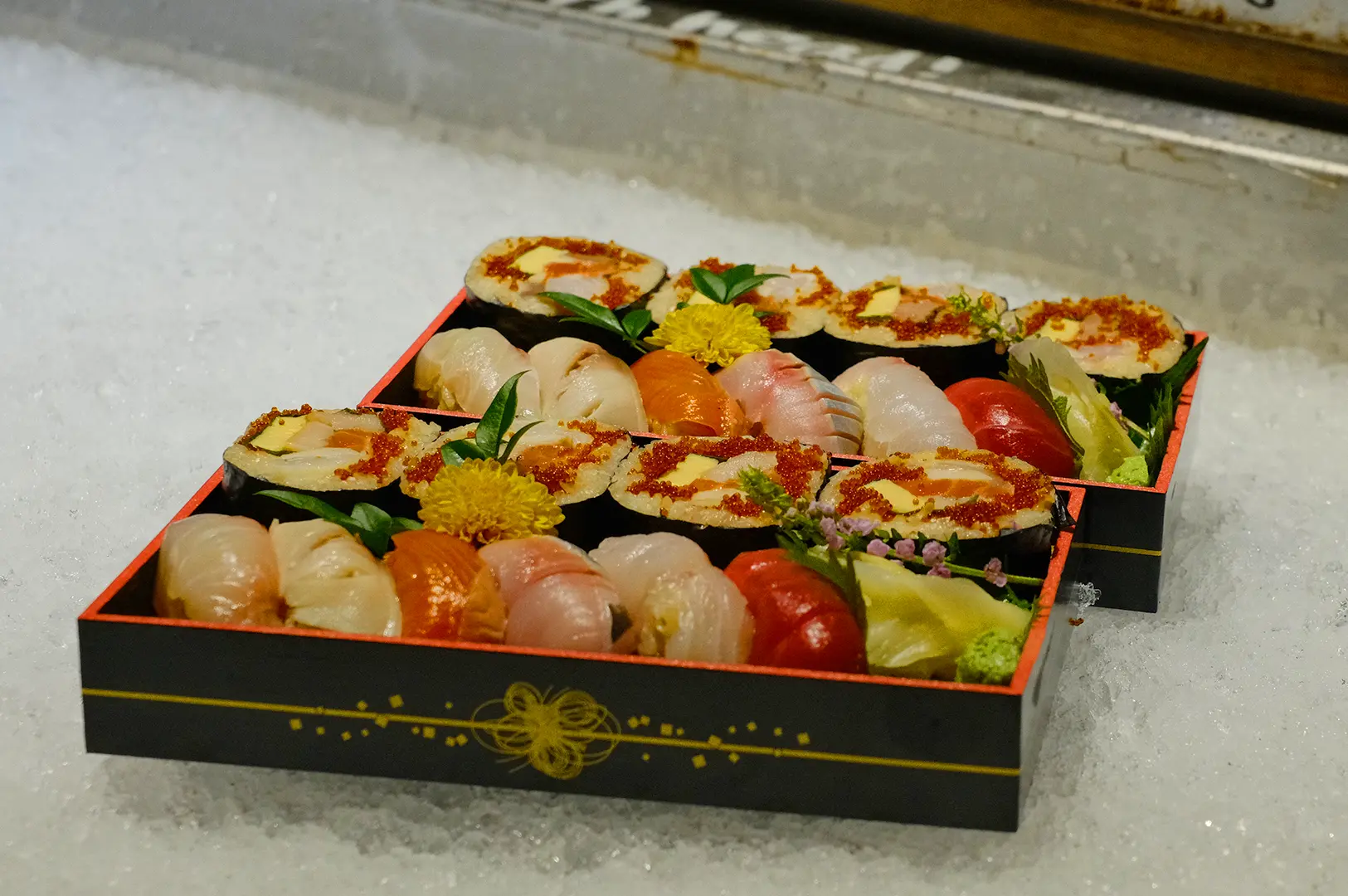
One of the first things that makes Araya Shouten different from a conventional supermarket seafood counter is its changing selection. Rather than relying on a fixed collection of familiar fish, the shop follows seasonal catches from different parts of Japan. Depending on availability, customers may discover varieties such as Shibudai, Gimpo, Bozuginpo, Gindara and Choshi Kinmedai.
For sashimi lovers, this offers an opportunity to explore Japanese seafood beyond the usual salmon, tuna and hamachi. Different species bring different characteristics to the table, from variations in fat content and texture to their suitability for particular preparations. It also makes visiting the shop more interesting, as the selection reflects what the ocean provides rather than what a standard retail catalogue dictates.
One particularly interesting example is Choshi Kinmedai, or golden eye snapper, sourced from Choshi in Japan. Located where the cold Oyashio and warm Kuroshio currents meet, the surrounding waters support a rich marine environment. Araya-san travelled to Choshi himself, visited its auction and identified a supplier whose kinmedai met his standards, eventually helping establish an export arrangement with the port.
He believes he is the only Singapore buyer sourcing this particular kinmedai directly from Choshi. By selecting top and second grades at the source, before the fish enters the conventional Toyosu distribution route, he can access seafood that might otherwise be harder to obtain through ordinary retail channels.
What Makes the Fish Different? The Science Behind Sashimi Quality
Good sashimi is not simply about buying an expensive piece of fish. Its quality is influenced by what happens immediately after the catch, including how the fish is handled, cleaned, processed and transported. This is where Araya-san’s background in seafood logistics becomes particularly relevant.
One Japanese technique he uses is Shinkei Jime, a method performed on live fish that disrupts the nervous system and helps control the onset of rigor mortis. By managing this process, the technique helps preserve the fish’s texture during subsequent handling and storage. It is a specialised procedure that requires knowledge and careful execution rather than simply keeping the fish cold.
Another method is Sumotoshiki, which involves flushing residual blood from the flesh using water. Blood left in the fish can contribute to unwanted odours and affect its eating quality, making proper removal an important part of seafood handling. Immediate gut removal and careful cleaning of the fish cavity also help prevent deterioration during transportation.
What makes Araya Shouten’s sourcing arrangement particularly distinctive is that Araya-san personally visits suppliers in Japan to teach them these methods. The specialised handling is carried out for his orders, meaning fish from the same supplier can receive different treatment depending on the buyer. It is a reminder that two fish caught from the same boat do not necessarily arrive at the sashimi counter in the same condition.
Three Generations of Knowing Fish
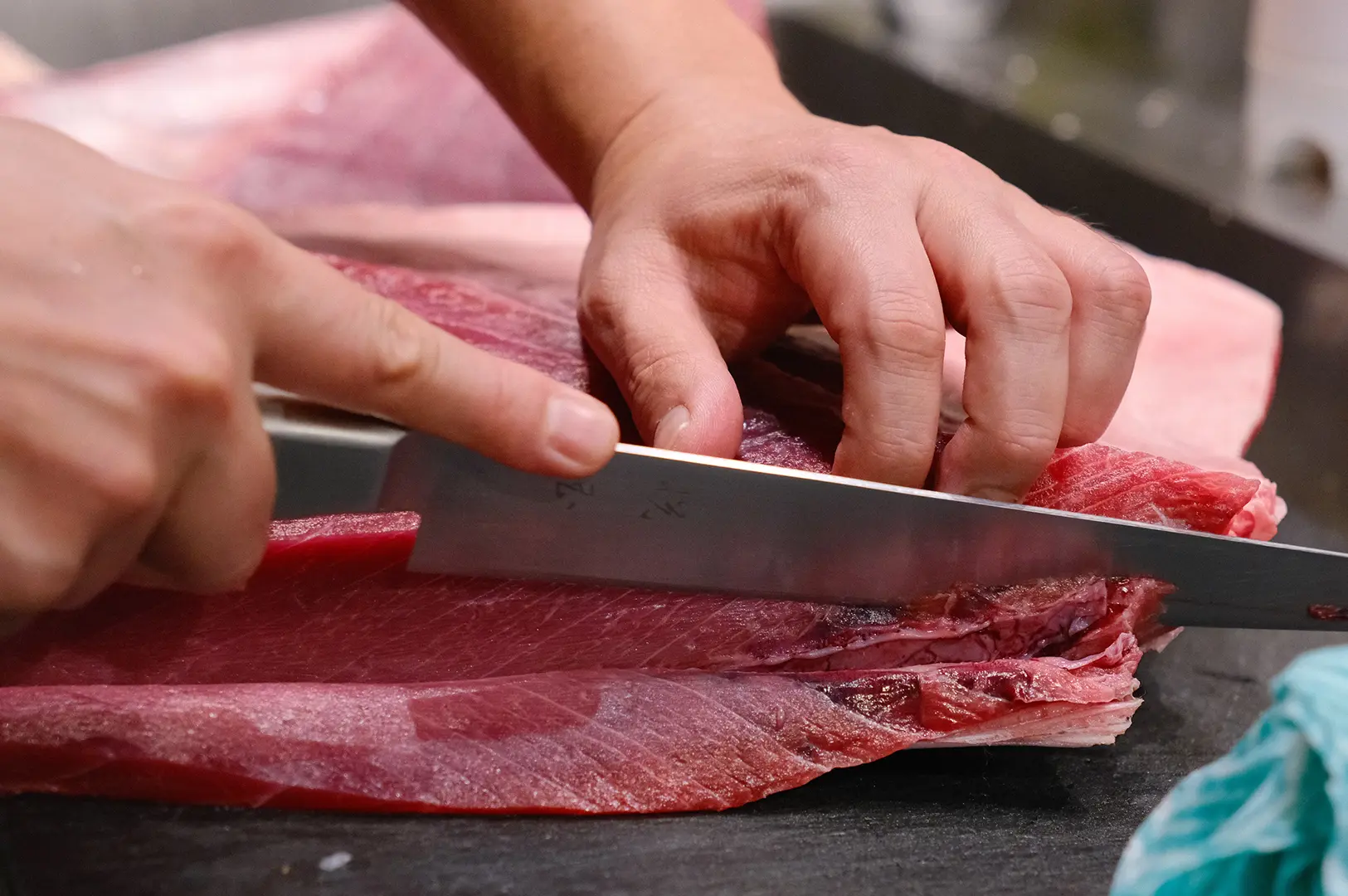
Araya-san’s understanding of seafood did not begin with his professional career. Born in Tomakomai, southern Hokkaido, he grew up in a fishing family, with his grandfather working as a commercial fisherman at Kushiro Port and his granduncles operating fishing vessels. From kindergarten age, he was already eating sashimi-grade fish sent directly from the boats.
This early exposure shaped his appreciation of seafood and connects to the Japanese concept of Mekkiki: the trained ability to recognise quality through observation and experience. It involves understanding a fish beyond its appearance, considering factors such as its condition, fat content, texture and suitability for different preparations. For Araya-san, this ability comes from a lifetime spent around seafood, supported by years of working with fishermen and suppliers.
It also explains why Araya Shouten’s selection extends beyond the usual retail offerings. The shop follows the catch, which means certain varieties may only appear when the season and fishing conditions allow. For customers looking for a particular species, Araya-san also offers a custom import service through his Japanese supplier network.
Our Verdict: Restaurant Supply, Now Open to Everyone
Araya Shouten offers a different way to appreciate Japanese seafood in Singapore. Its biggest distinction is not simply the variety of sashimi available, but the sourcing relationships, specialised handling and seafood knowledge behind each selection. For home cooks and Japanese food enthusiasts (for chirashi and the likes), it provides access to a level of seafood sourcing more commonly associated with professional restaurant kitchens.
Of course, this is not a conventional supermarket fish counter, and its pricing reflects the specialised supply chain behind the products. The appeal lies in understanding what goes into the fish, from its fishing port and selection to the techniques used to preserve its quality.
The next time we enjoy sashimi at a Japanese restaurant, it is worth remembering that the experience begins long before the chef prepares the fish. Sometimes, the person who chooses the seafood is just as important as the person who serves it. At Araya Shouten, that person is finally opening his counter to everyone.
For more on Araya Shouten and what you may found there, visit their Instagram account here!